Professor Francis C. Kasolo officially assumes office as WHO Representative to Ethiopia, AU and UNECA
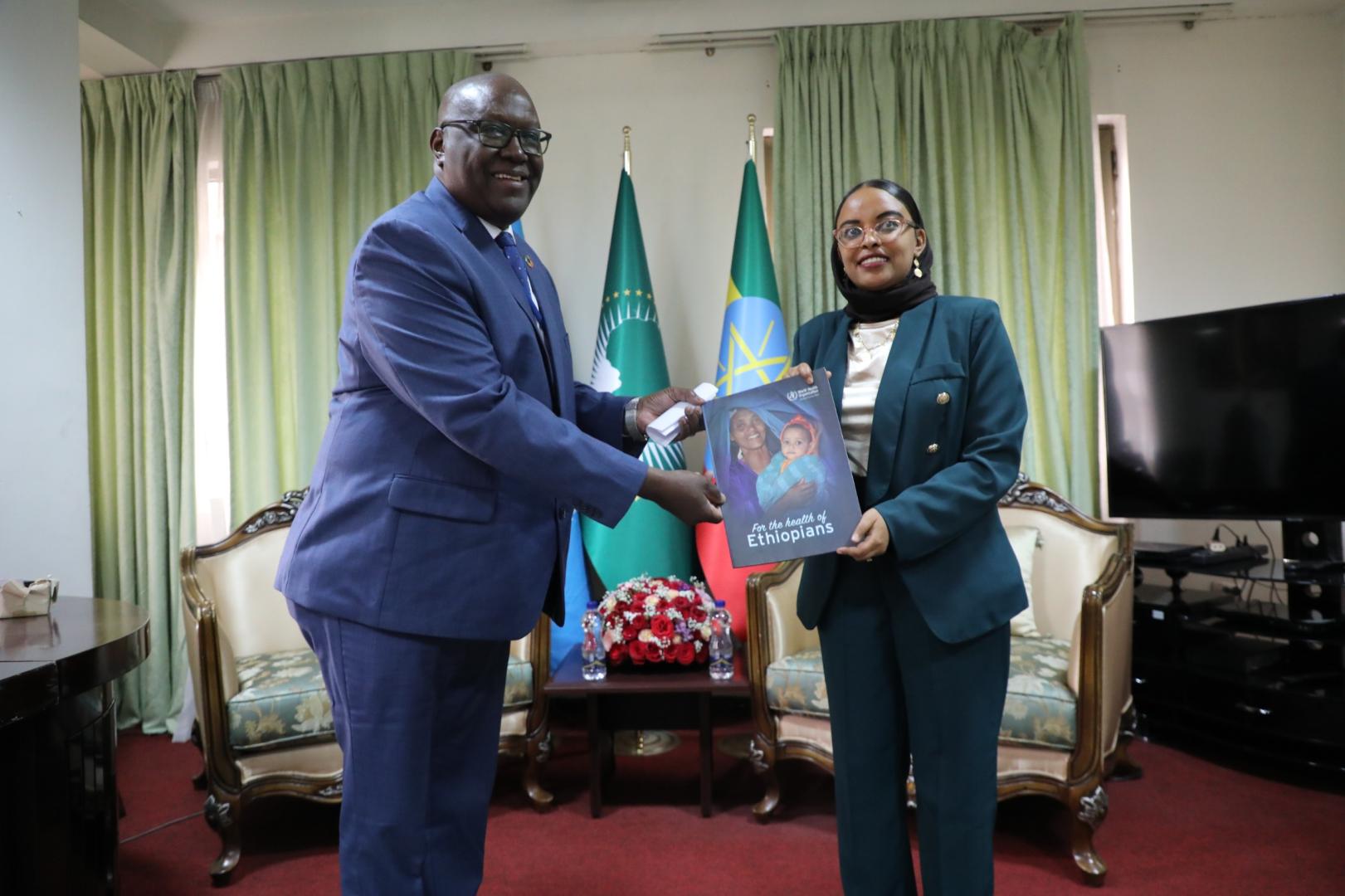
Addis Ababa, Ethiopia — Professor Francis Chisaka Kasolo has officially begun his tenure as WHO Representative to Ethiopia, the African Union, and the United Nations Economic Commission for Africa after presenting his credentials to H.E. Dr. Aziza Geleta, Director General of Protocol Affairs at the Ministry of Foreign Affairs.
Ethiopia launches digitalization of public health emergency management system, advances toward PHEM Center of Excellence
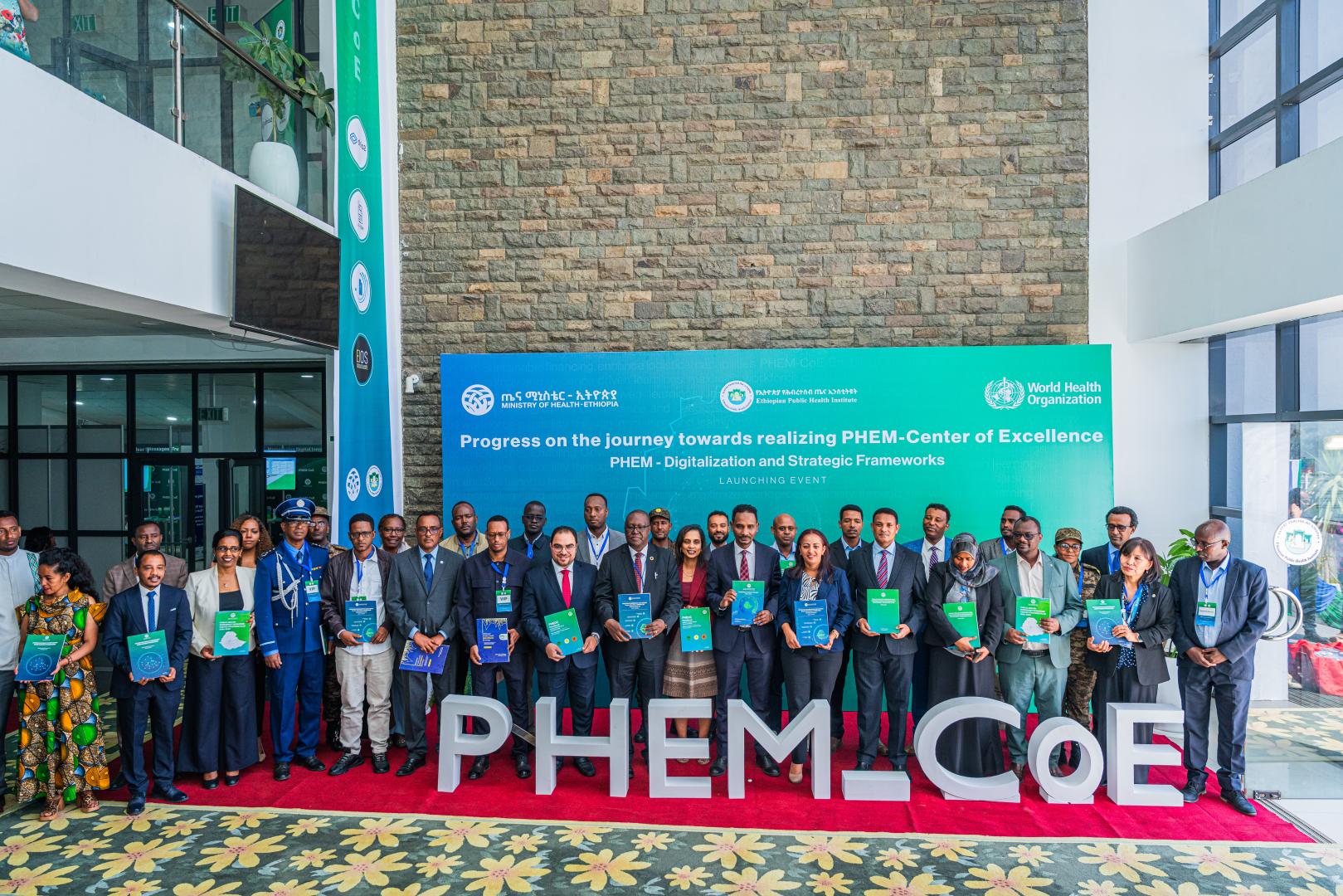
Addis Ababa, Ethiopia - In a landmark step toward strengthening national health security, Ethiopia officially launched the digitalization of its Public Health Emergency Management (PHEM) system, marking significant progress toward establishing the Public Health Emergency Management Center of Excellence (PHEM-COE).
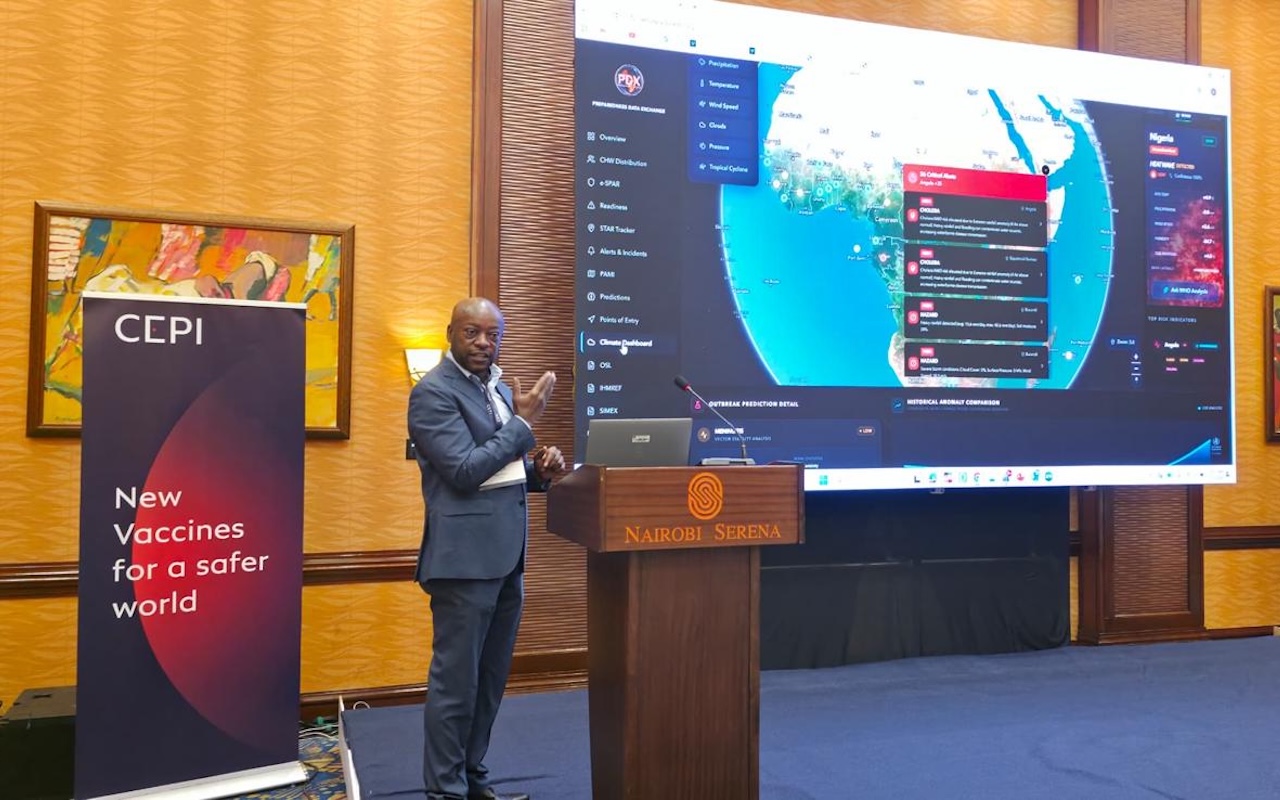
From data to decisions: strengthening health security in Africa
WHO Regional Director for Africa visits Tanzania to advance maternal and newborn health
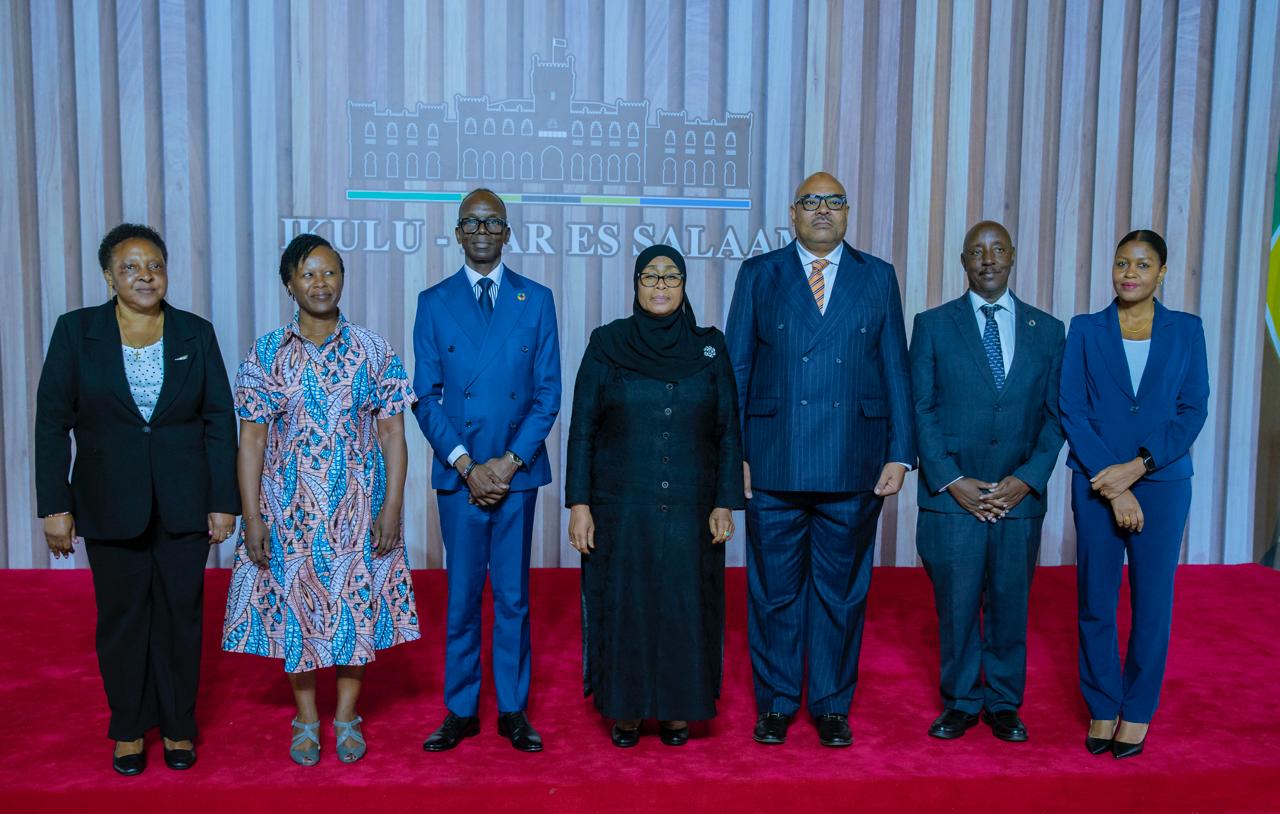
Dar es Salaam – The World Health Organization (WHO) Regional Director for Africa, Prof. Mohamed Yakub Janabi, is in the United Republic of Tanzania on an official visit representing WHO Director-General Tedros Adhanom Ghebreyesus to advance high-level dialogue and action on maternal, newborn and child health.
Mobile outreach expands access to health services in Adamawa State
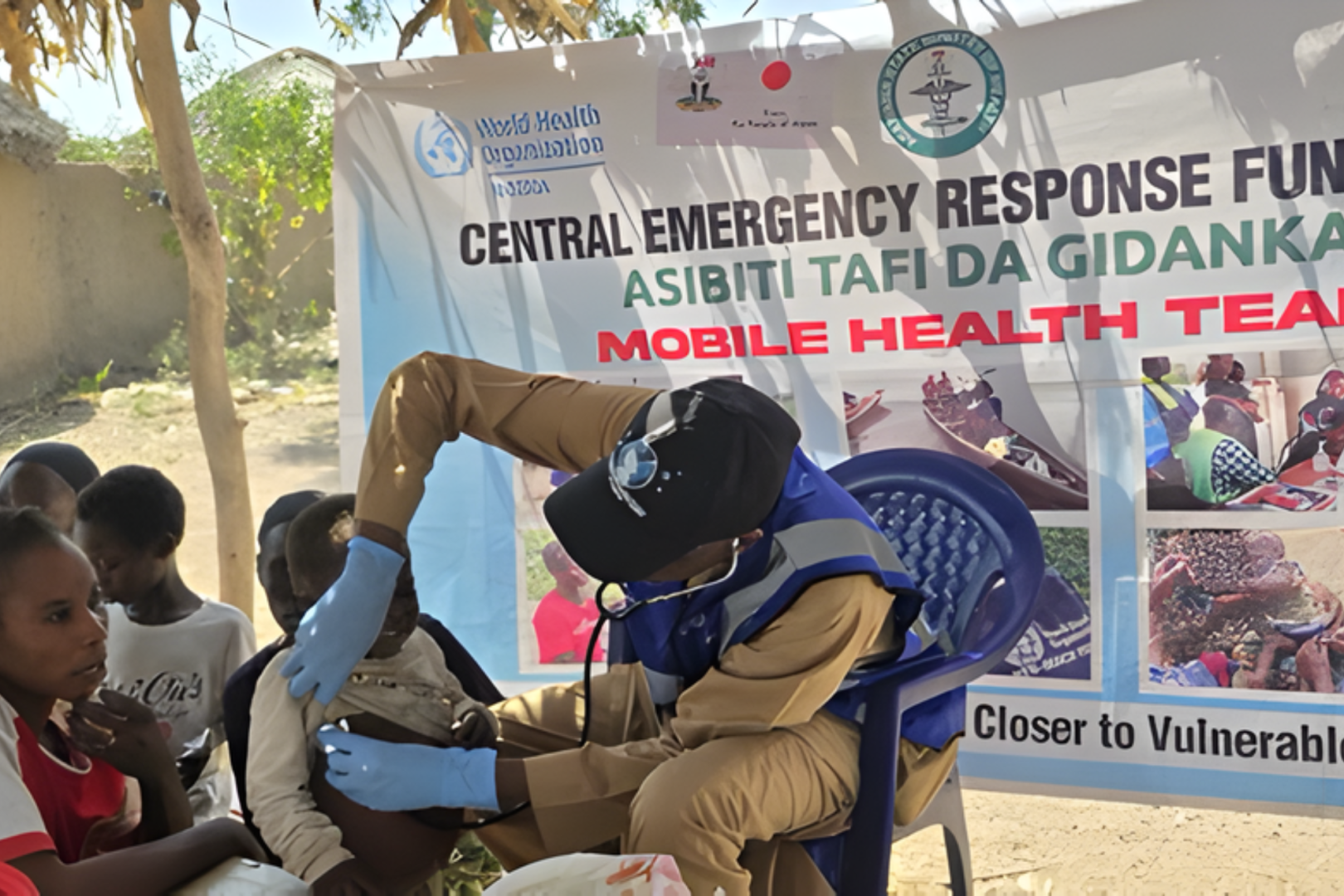
Yola – Targeted outreach is improving access to essential health services in underserved communities across Adamawa State, where distance, insecurity and seasonal flooding have long limited the reach of fixed health facilities.
Angola accelerates final steps to eradicate Guinea worm by 2030

After five consecutive years without human cases and with significant progress in strengthening epidemiological surveillance, community mobilisation and response to animal infections, the country is entering a decisive phase towards the global goal of eradicating the disease by 2030. These advances represent an important milestone in controlling the disease.
𝗟𝗲𝘀𝗼𝘁𝗵𝗼 𝗿𝗲𝗰𝗲𝗶𝘃𝗲𝘀 𝗳𝗶𝗿𝘀𝘁 𝗯𝗮𝘁𝗰𝗵 𝗼𝗳 𝗟𝗲𝗻𝗮𝗰𝗮𝗽𝗮𝘃𝗶𝗿
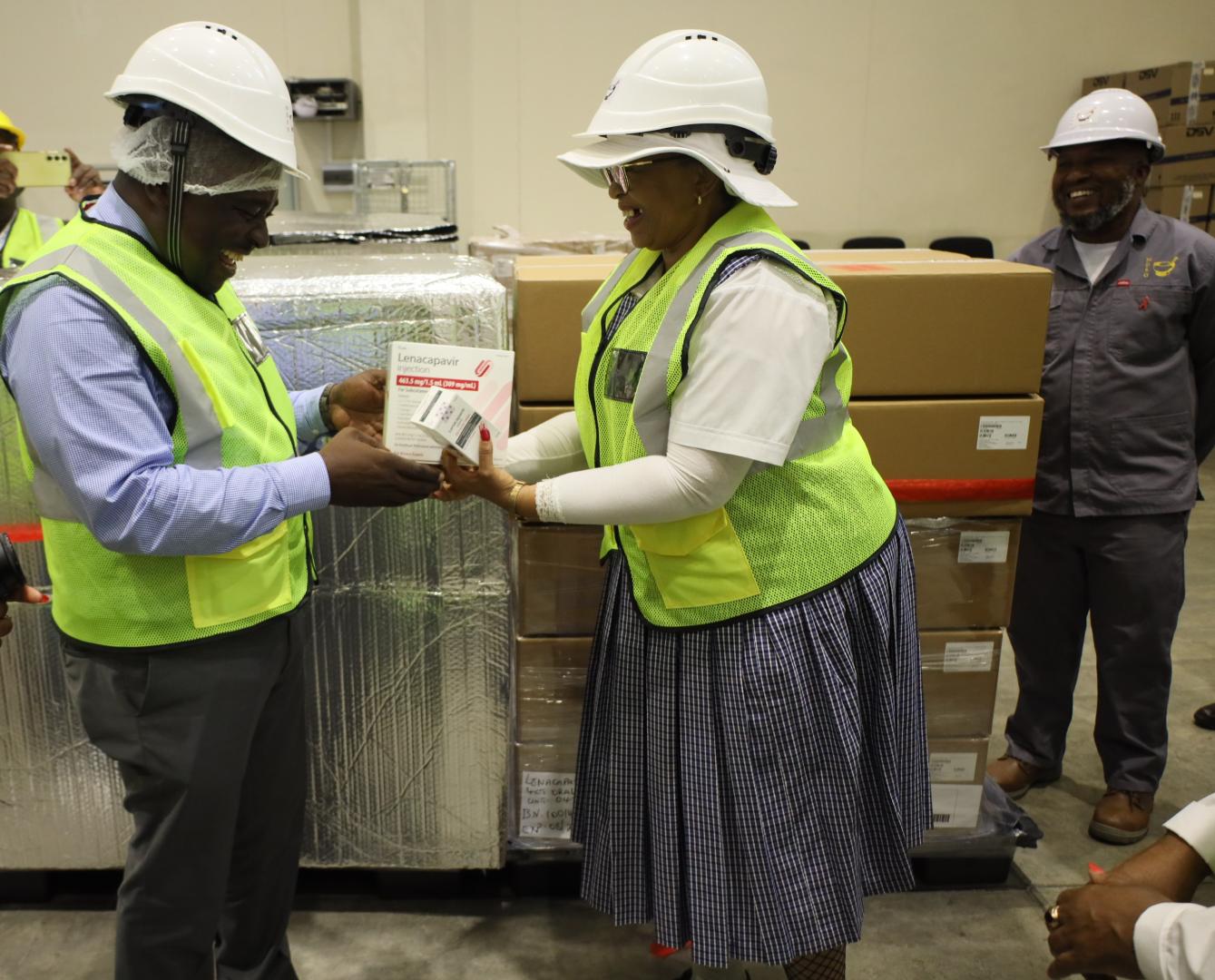
Maseru—Lesotho has officially received its first shipment of Lenacapavir, a groundbreaking HIV prevention drug that marks a historic milestone in the country’s ongoing fight against HIV/AIDS. The handover took place in Mafeteng district during a high-level ceremony presided over by the Deputy Prime Minister, Nthomeng Majara, and attended by senior government officials, including the Honourable Minister of Health and the Minister of Finance, as well as key development partners.
Onchocerciasis: How to fight a parasite that threatens eyesight

Onchocerciasis, also known as river blindness, still affects millions of people living near rivers and wetlands in Africa. Fortunately, this disease can be prevented through a simple, free treatment that is distributed annually within communities. To better understand it's transmission, who is most exposed, and what progress has been made, we spoke with Dr Didier Bakajika, expert at WHO Africa.
What is river blindness and how is it transmitted?
Angola and Namibia Strengthen Joint Response to Polio with Synchronized Border Campaign
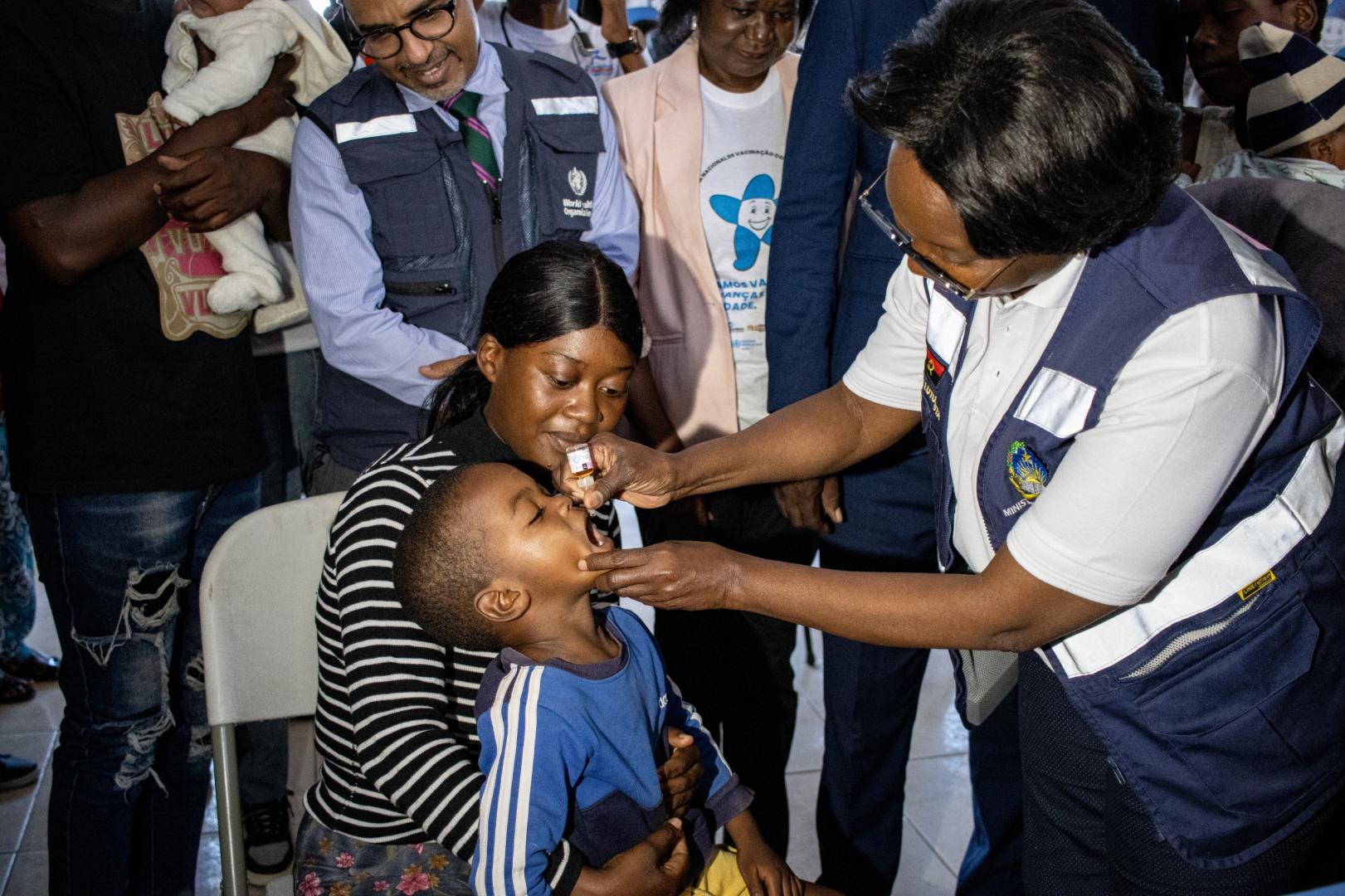
The Government of Angola launched a subnational polio vaccination campaign in the municipality of Namacunde, Cunene Province, running from 24 to 27 February 2026, across 13 municipalities of 4 provinces bordering the Republic of Namibia. The initiative is carried out in synchronization with Namibia, aiming to interrupt poliovirus circulation and protect all children at risk.