
Strengthening access to safe blood saves lives in Nigeria
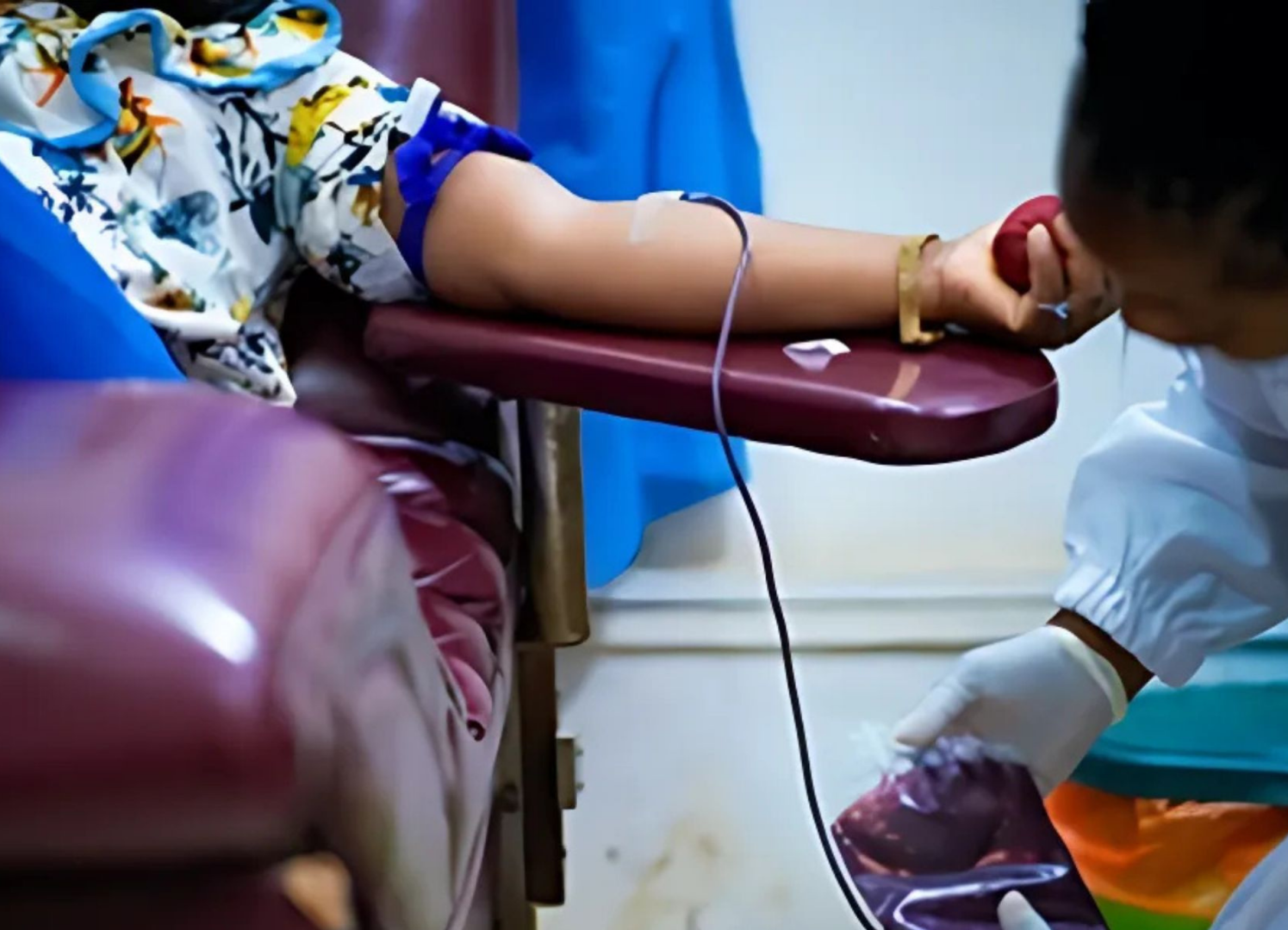
Abuja – Three weeks after a caesarean section in Abuja, 47-year-old Fiyin began bleeding heavily. She needed urgent surgery. But first, her family had to find blood.
“My relative had already donated during the first surgery,” she said. “We were calling people, searching everywhere. Some were willing but couldn’t donate. Others were unavailable.”
After hours of searching, compatible blood was found. The surgery went ahead. Fiyin survived.
WHO mission reviews preparedness and health system needs across five counties in Liberia
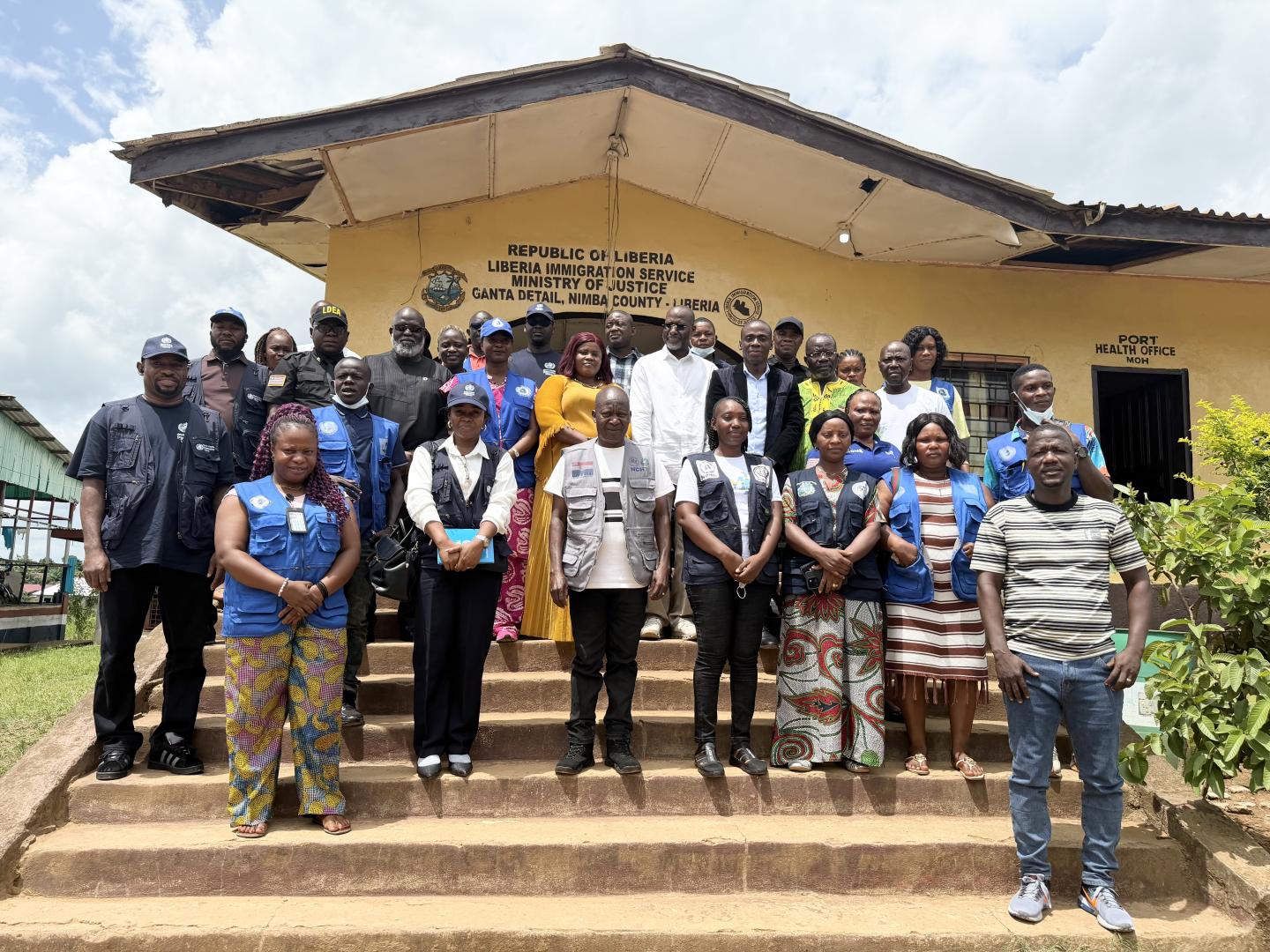
Monrovia – As Liberia con
One Drop of Humanity: A Humane Act Saves a Life and Restores Light
Somewhere in Ethiopia today, a mother survives childbirth because a stranger donated blood. A child battling severe anemia regains strength because someone took a few minutes to roll up a sleeve and donate. Another person, living with corneal blindness,, can see the faces of loved ones again because a grieving family honored the wish of a cornea donor.
At the frontline of trust: a day with Julienne Anoko WHO's Ebola Community Engagement Officer in DRC
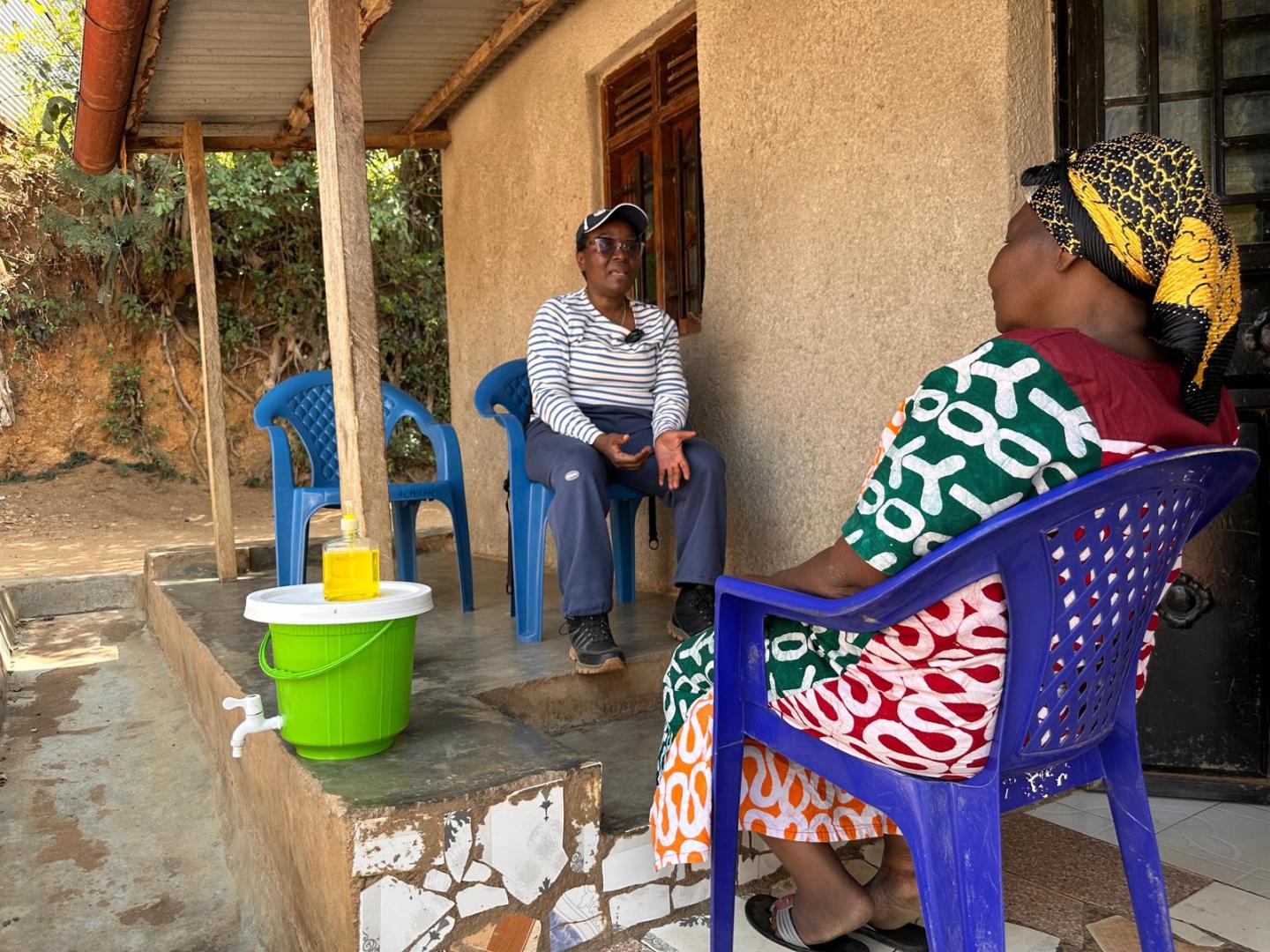
Before the first field teams leave for affected communities in the Democratic Republic of the Congo, Julienne Anoko a WHO risk communication and community engagement officer is awake, reading overnight updates: new alerts, suspected cases, community rumours, security concerns and signs of resistance.
Mobilising trusted community voices to strengthen Lassa fever prevention in Nigeria

Akure, At a busy motor park in Akure, Ondo State, transport workers gather as a health promotion officer leads a sensitisation session on Lassa fever prevention. For many of them, daily interactions with commuters across rural and urban communities place them on the front lines of information sharing. Now equipped with practical knowledge and communication tools, they are helping to spread life-saving messages on how to prevent infection and seek care early within the communities.
WHO takes part in the University of Santiago’s Scientific Conference with a conference on technology and humanization in healthcareferência magna sobre tecnologia e humanização na saúde
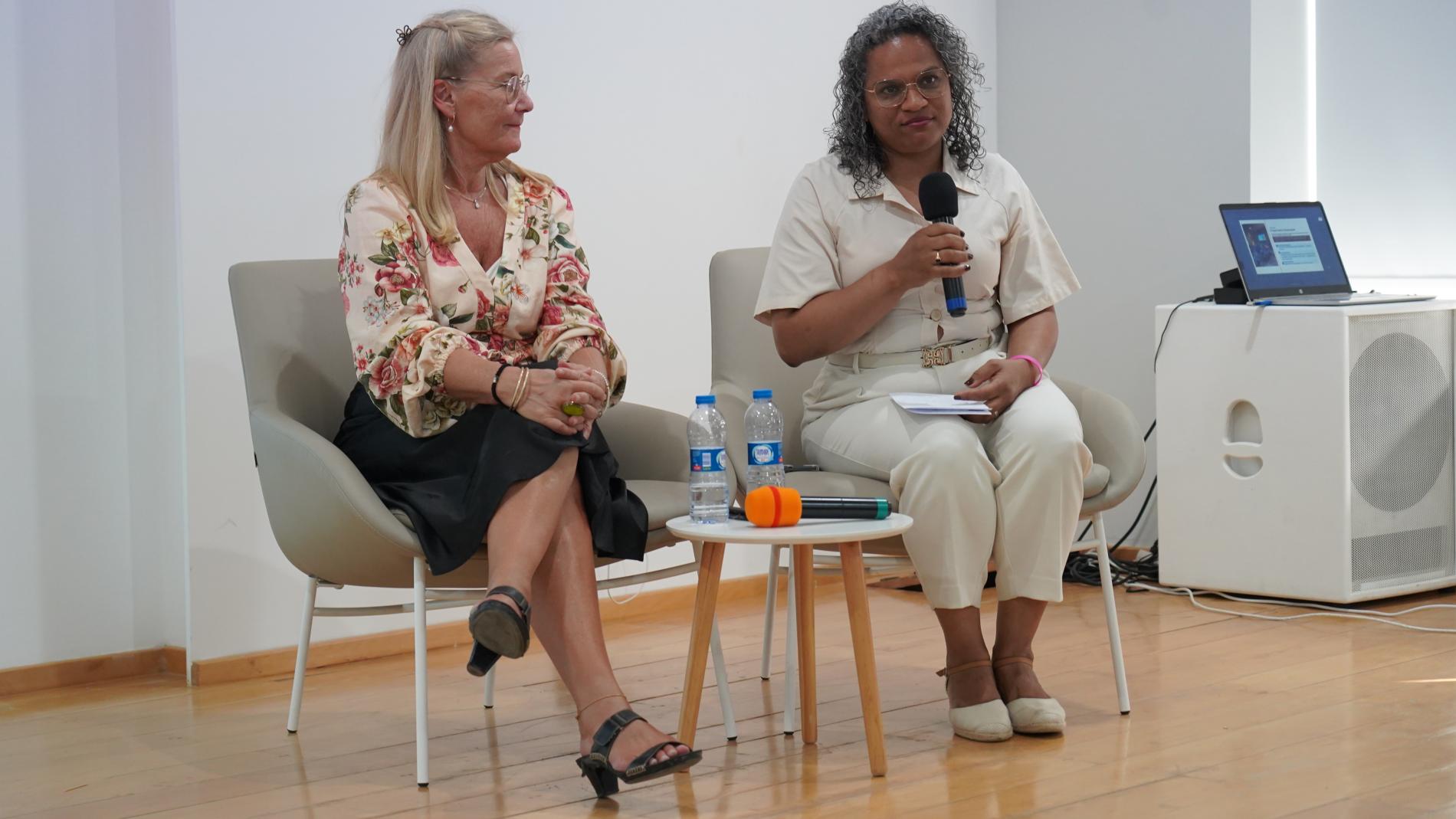
Praia, Cabo Verde. The World Health Organization (WHO) in Cabo Verde took part in the conference organized by the Department of Health Sciences, Environment and Technologies at the University of Santiago, which took place from 16 to 18 June in Praia and Assomada.
Botswana strengthens One Health collaboration through National Bridging Workshop
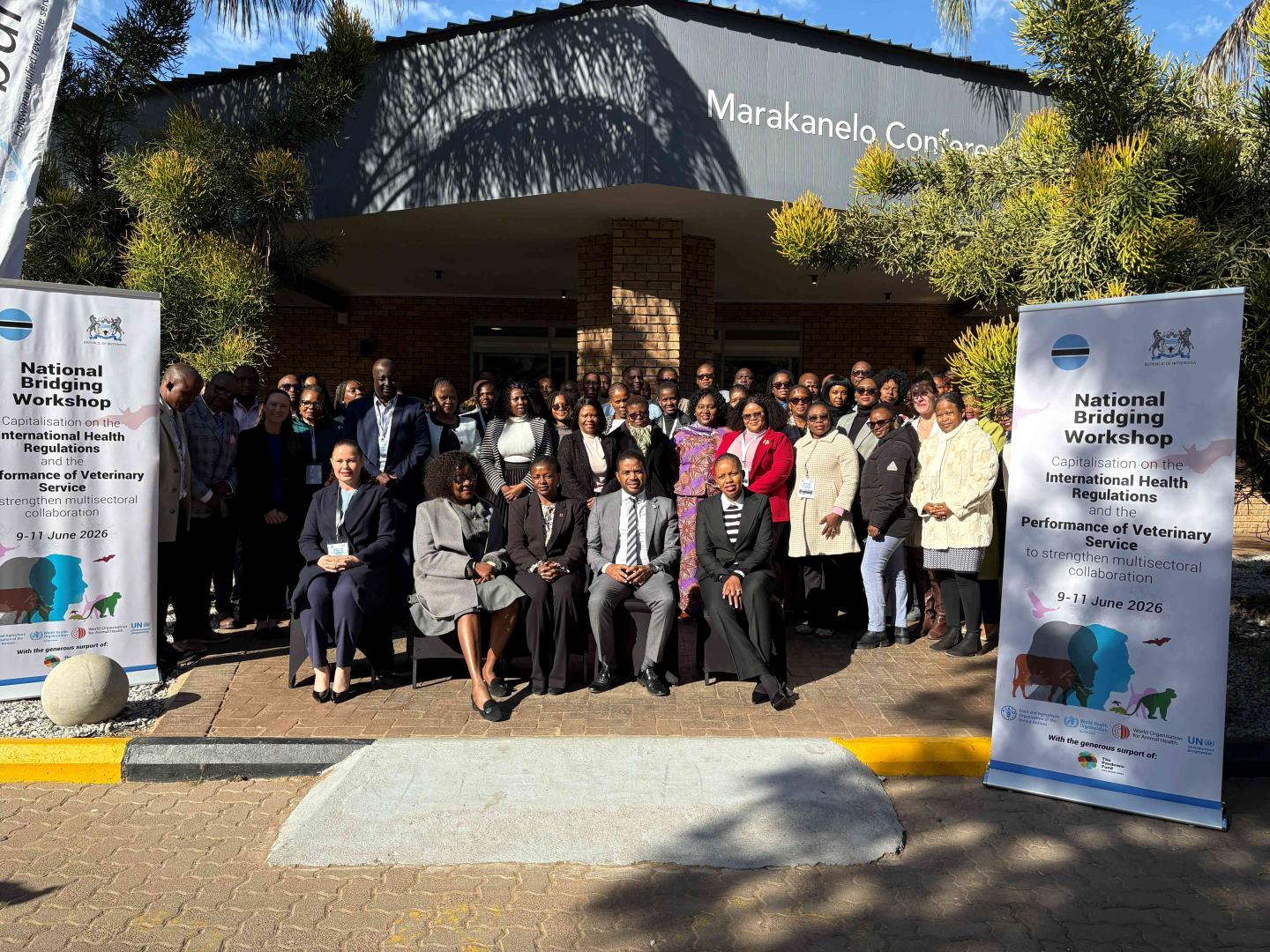
Botswana has strengthened multisectoral collaboration for health security through a National Bridging Workshop that brought together experts from the human, animal and environmental health sectors to develop a joint roadmap for implementing the One Health approach. The workshop was held in Gaborone from 9 to 11 June 2026 and was supported by WHO, WOAH, FAO and the Botswana Public Health Institute (BPHI).
Decentralized testing speeds up Ebola response in the Democratic Republic of the Congo

São Tomé and Príncipe launches “Health in Movement” initiative with flashmob to promote healthy lifestyles
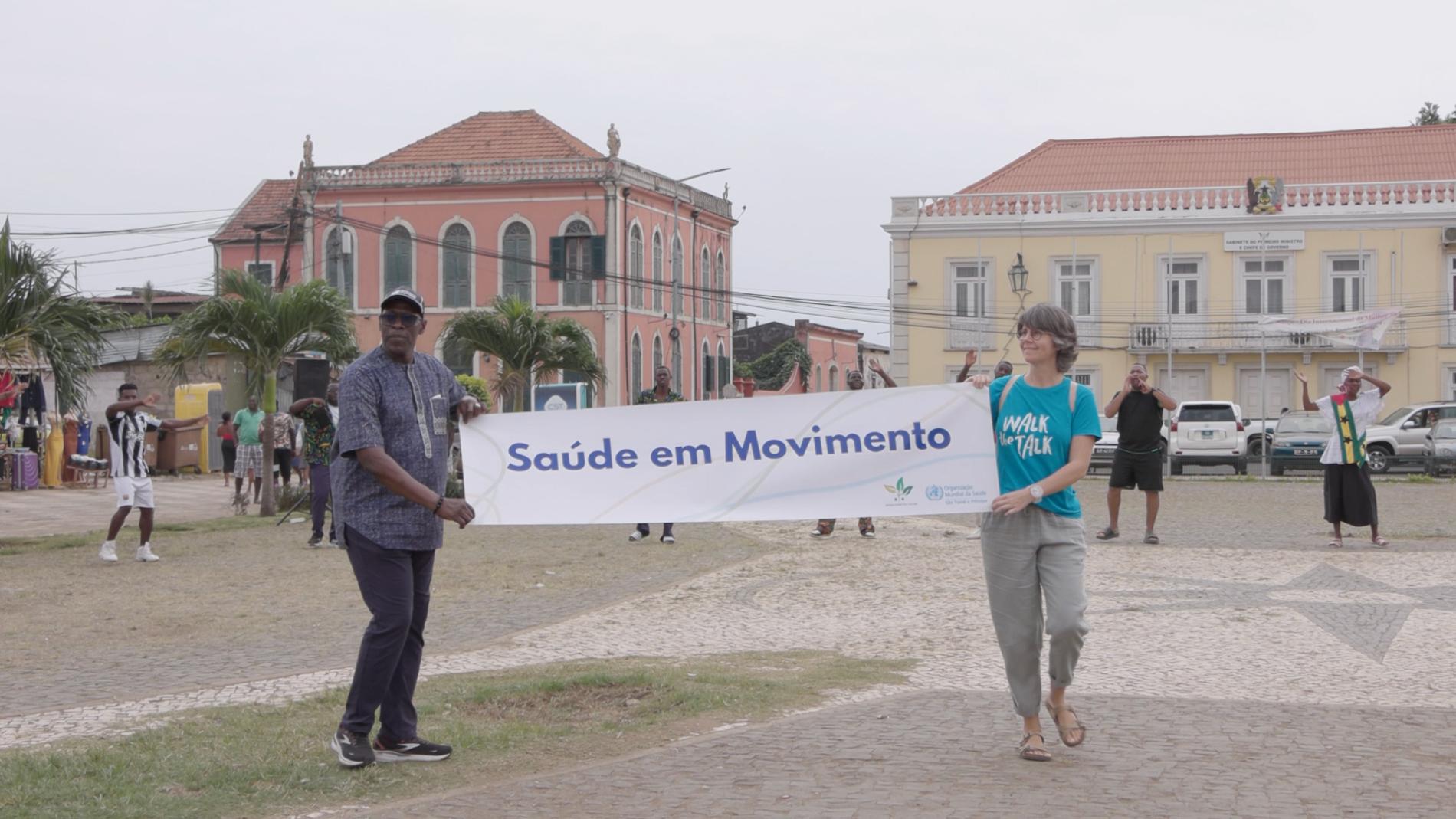
As part of the 50-anniversary celebration, the Ministry of Health, in partnership with the World Health Organization (WHO), launched the “Health in Movement” initiative through a flashmob held at Yon Gato Square, mobilizing the population to promote physical activity and prevent noncommunicable diseases (NCDs).
One Drop of Humanity: Giving Blood, Giving Life

For Dr Richard Banda, WHO Representative to Namibia, donating blood is a simple act with extraordinary meaning.
Each time he sits in a donation chair, he knows that the small bag of blood beside him could help save a mother during childbirth, support a child receiving cancer treatment, help an accident survivor, or give hope to someone living with a lifelong condition. Having donated blood more than 25 times, Dr Banda describes blood donation as one of the most powerful acts of solidarity a person can offer.