
Strengthening Leprosy Elimination Efforts in Ngami and Okavango Districts
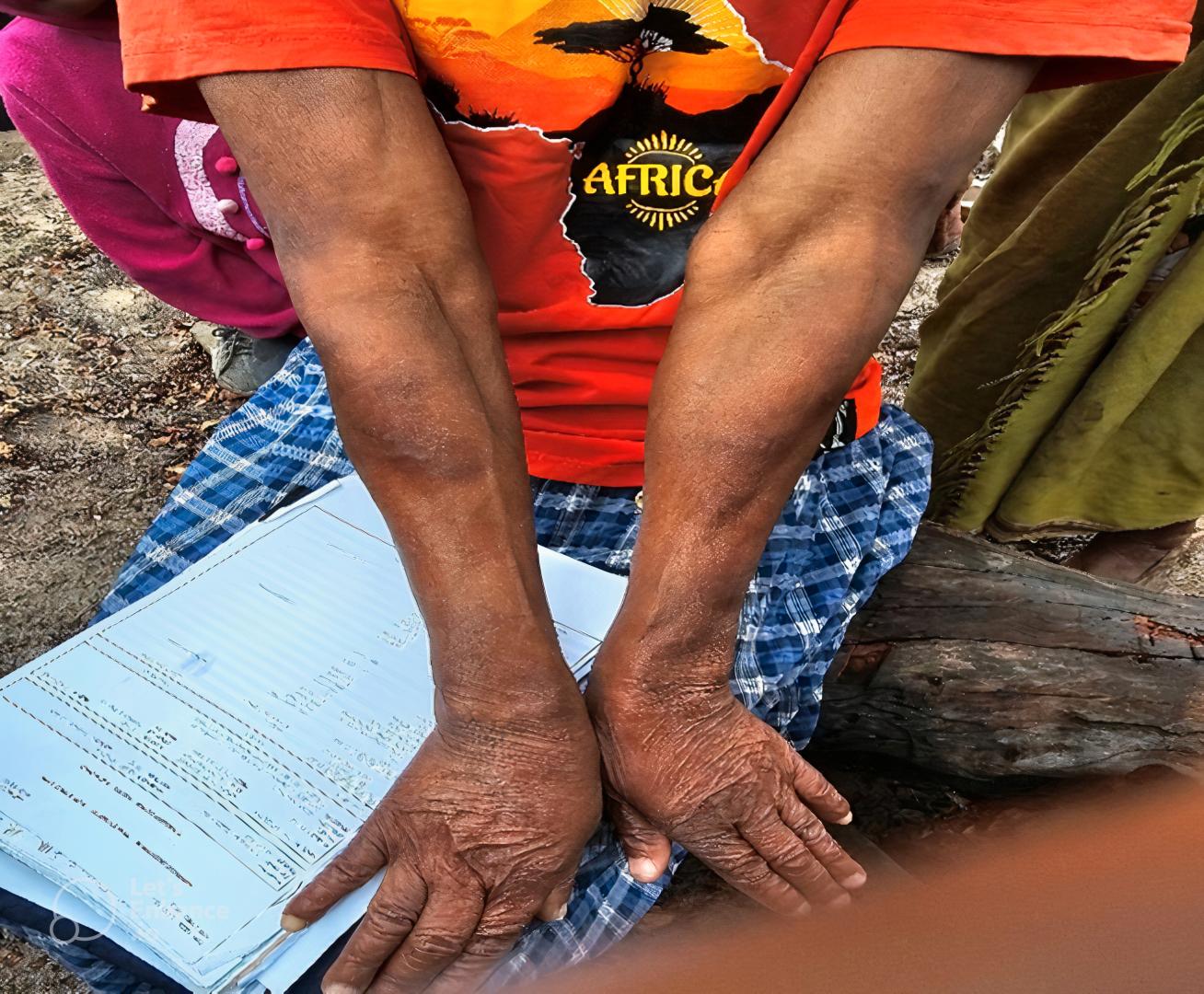
Botswana has made remarkable strides in leprosy elimination, with zero new child cases reported for consecutive years. However, continued efforts are essential to maintain this success and address sporadic cases. The World Health Organization (WHO), in collaboration with the Ministry of Health (MOH), recently intensified post-elimination efforts in Ngami and Okavango districts.
United Nations in Uganda stands in solidarity with the Government and people of Uganda in response to the Sudan virus disease outbreak
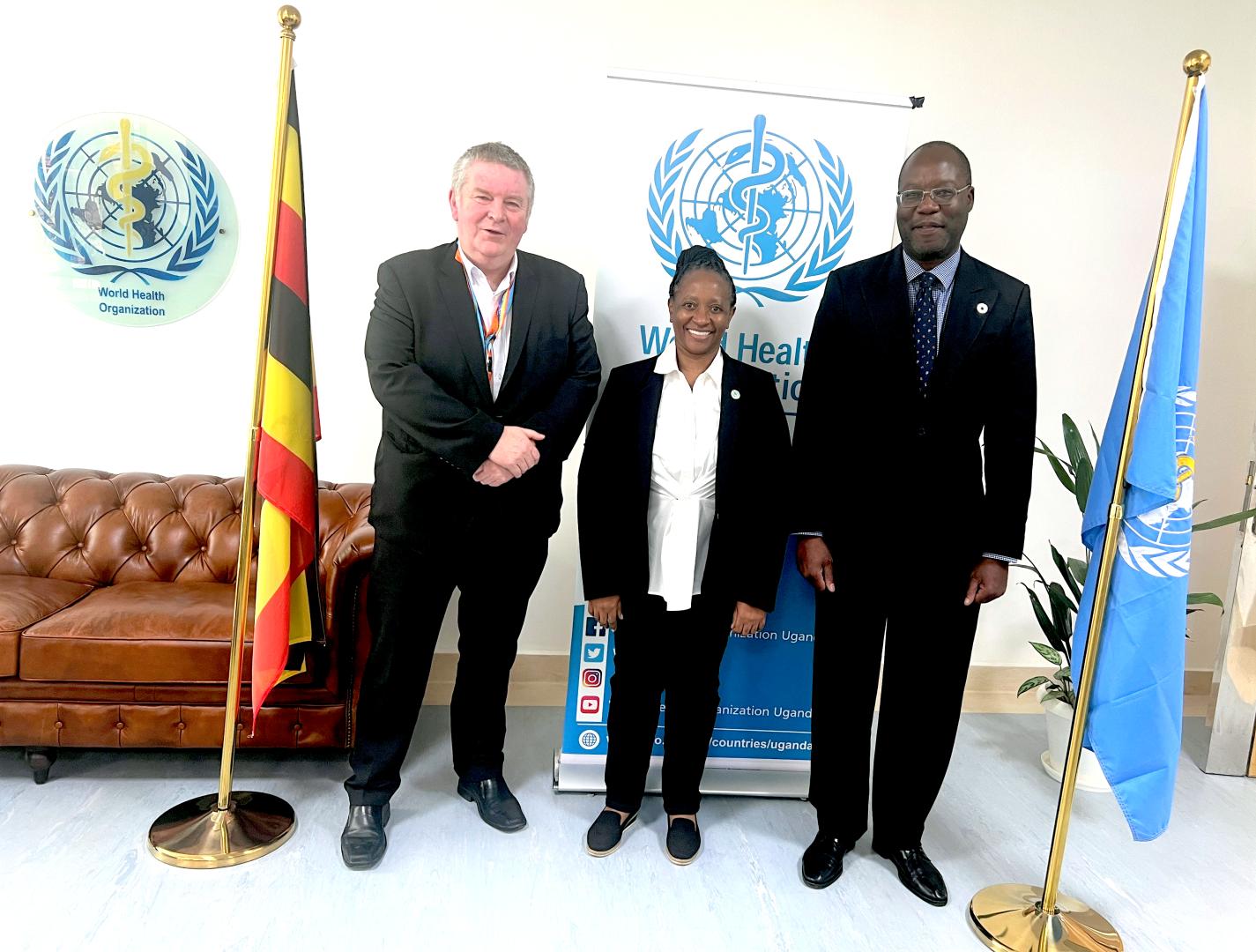
The United Nations in Uganda, under the leadership of the UN Resident Coordinator, stands in full solidarity with the Government and people of Uganda following the confirmation of an Ebola Virus Disease outbreak. We commend the Government of Uganda for its swift response and transparency in managing the crisis. The Government’s proactive information-sharing and decisive action, led by the Ministry of Health, are critical in containing the outbreak and protecting public health.
Angola celebrates World Day for Neglected Tropical Diseases with the commitment to eradicate guinea worms.
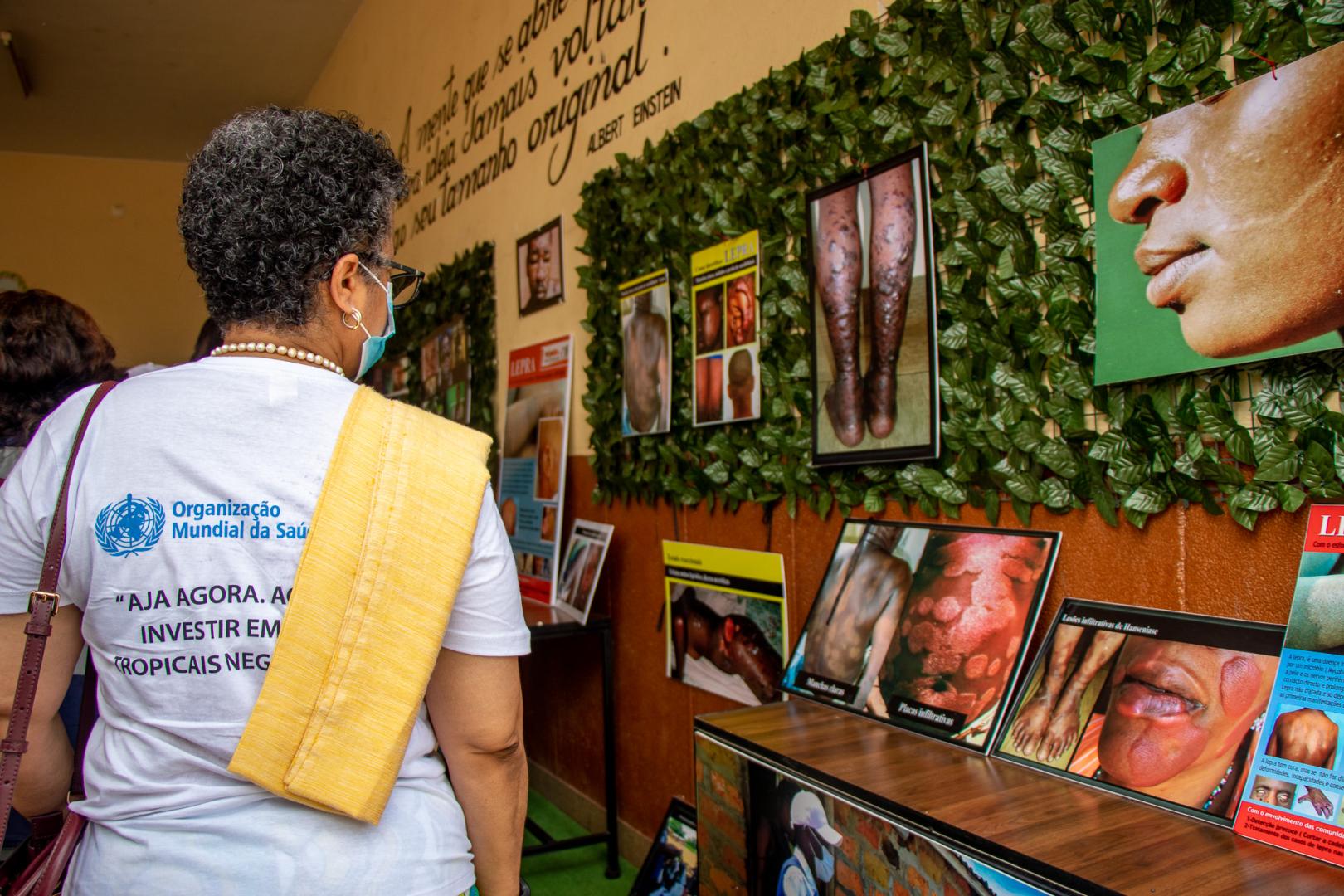
On the day dedicated to Neglected Tropical Diseases (NTDs), the Government of Angola and its partners renewed their commitment to working together to accelerate efforts to eradicate and eliminate these diseases, particularly guinea worm, leprosy, trypanosomiasis which continue to affect the health and well-being of the population.
WHO accelerates efforts to support response to Sudan virus disease outbreak in Uganda
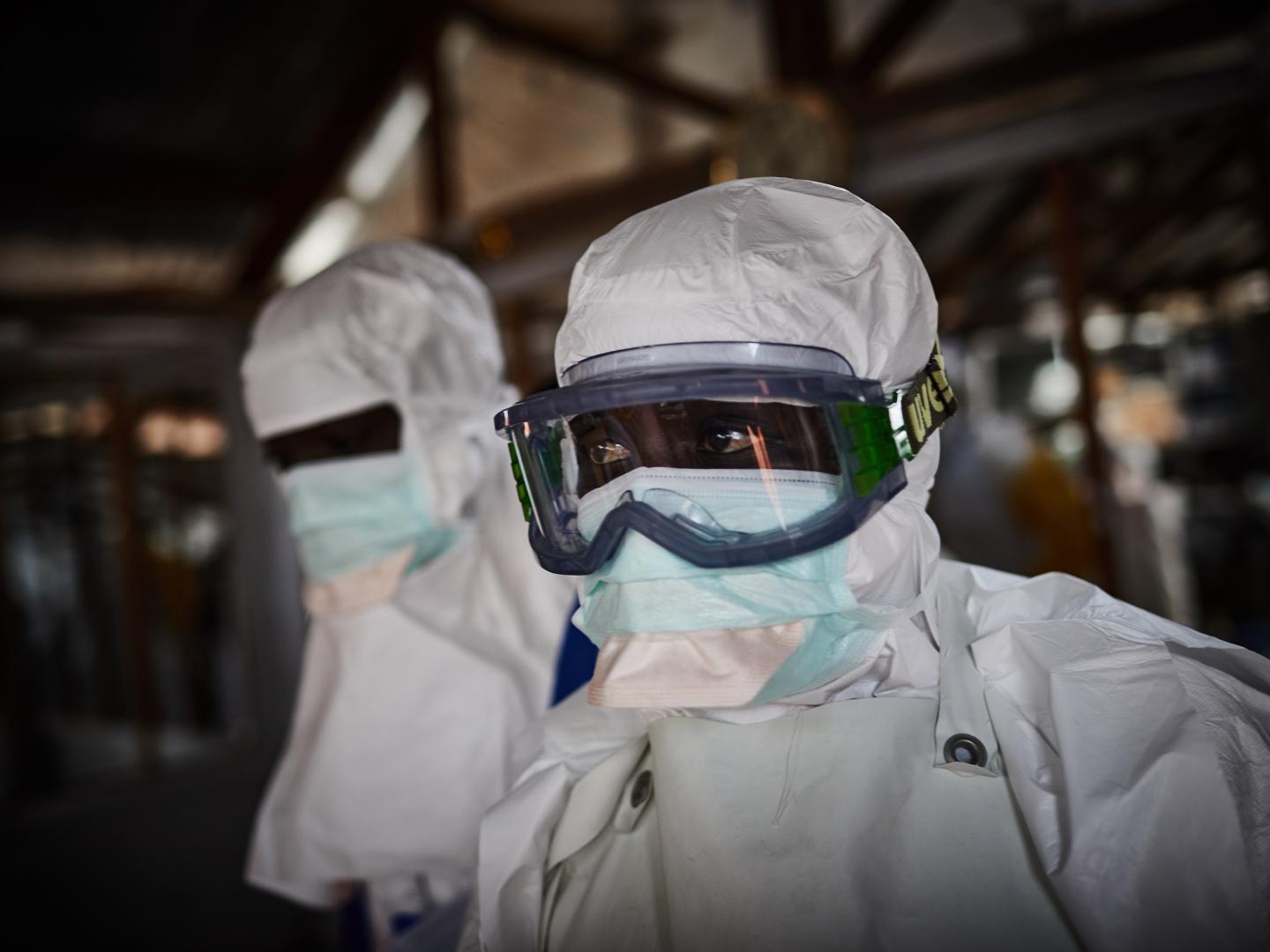
Brazzaville/Kampala – Following the confirmation of an outbreak of Sudan virus disease – which belongs to the same family as Ebola virus disease – in Uganda today, World Health Organization (WHO) is mobilizing efforts to support the national health authorities to swiftly contain and end the outbreak.
WHO delivers critical support to Bugna Woreda and surroundings amid humanitarian needs
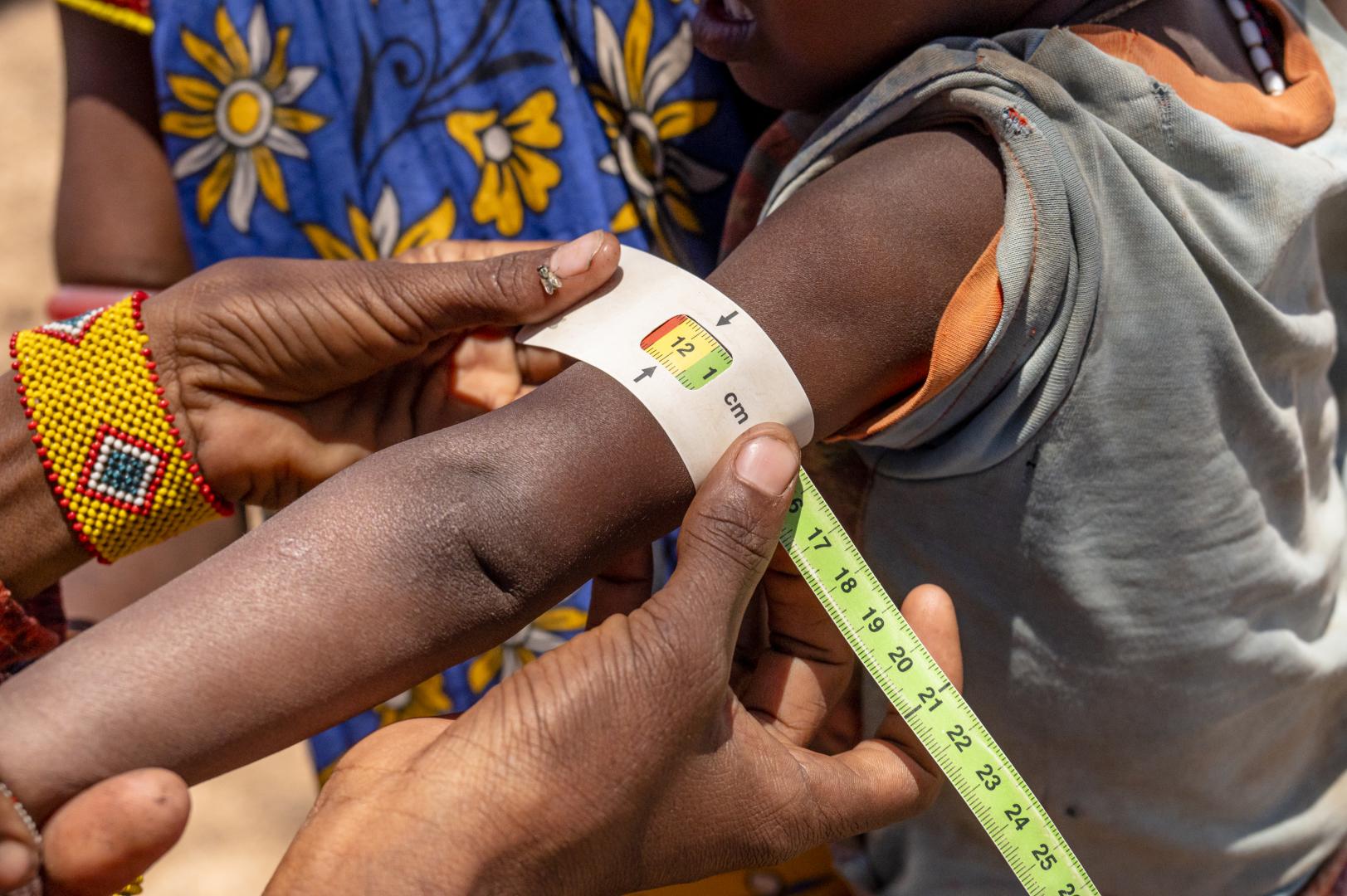
Bugna woreda, Amhara region, located in Ethiopia’s North Zone, has faced significant challenges due to prolonged conflict, drought, and food insecurity. Home to over 100,000 residents, endured over a year without access to essential commodities, medical supplies, and support, leaving its population in a dire state. The conflict's impact was devastating, with farmers unable to access fertilizer for the 2024 farming season, exacerbating food insecurity in an area already grappling with drought.
Kenya breaks new ground and pilots its first digital health campaign system
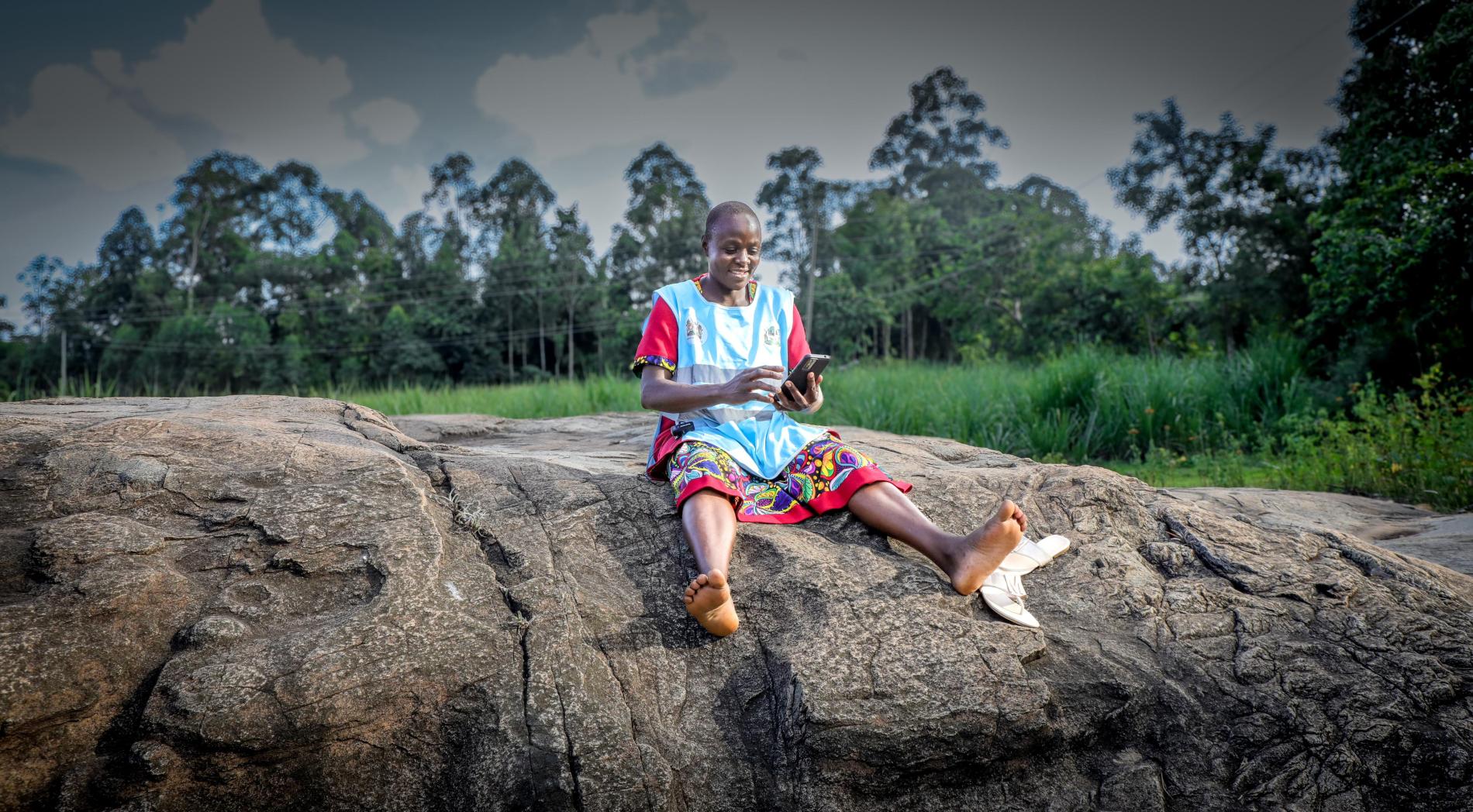
Nairobi – After five days of walking door-to-door, visiting churches and attending community gatherings, Margaret Khasiala finally gets to rest in her home in Chekalani, Western Kenya. She is one of 4,250 community health promoters who worked to ensure up to 13 million children across Kenya received medicines to combat neglected tropical diseases.
Boosting Africa's Pandemic Influenza Preparedness
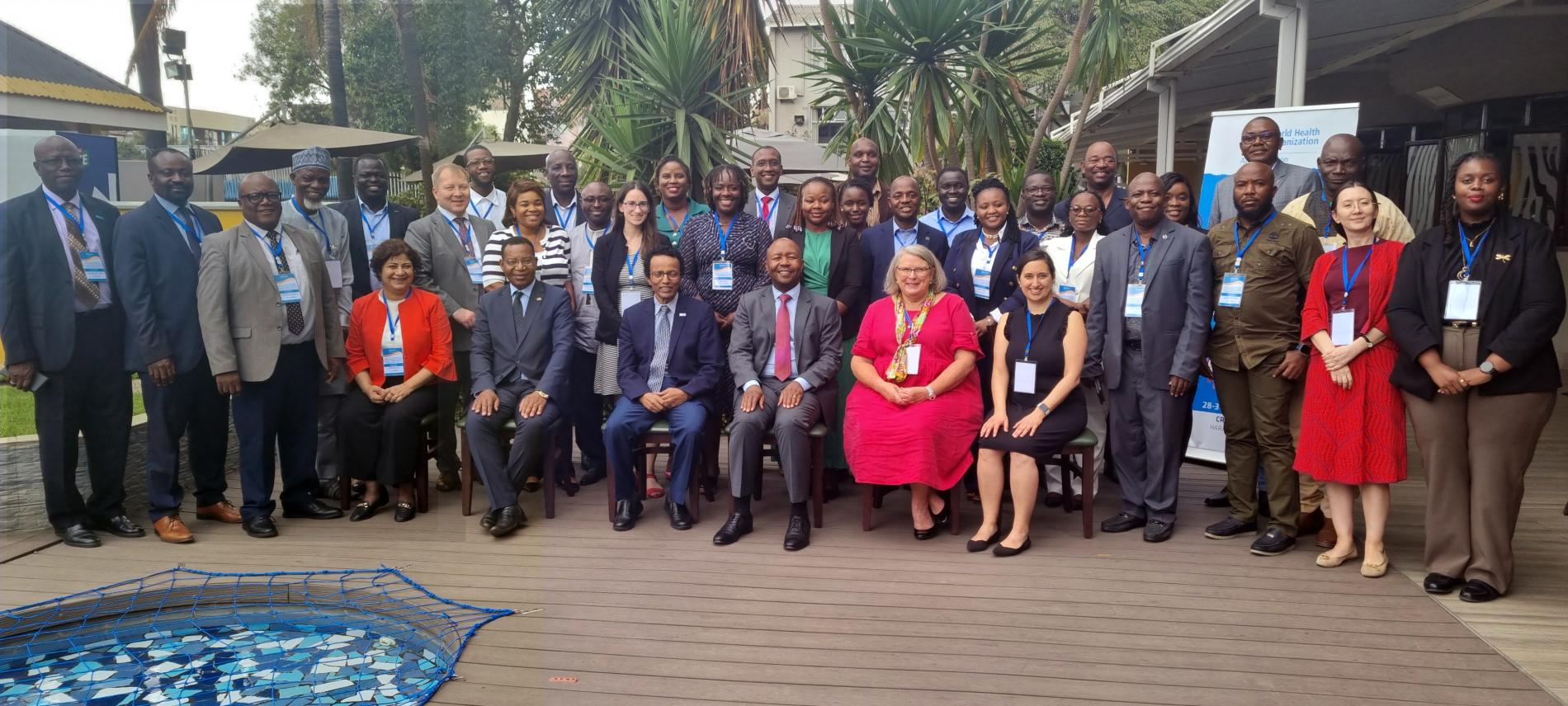
Harare - The World Health Organization (WHO) is hosting an important meeting in Zimbabwe from January 28 to 31, 2025, to discuss how to better prepare for flu pandemics. This Regional Coordination Meeting for the Pandemic Influenza Preparedness (PIP) Framework: Partnership Contribution High-Level Implementation Plan III (HLIP III) will bring together key representatives from 14 African countries, including Angola, Chad, Cabo Verde, Guinea, Gabon, Ghana, Liberia, Madagascar, Niger, Nigeria, Sao Tome & Principe, South Africa, South Sudan, and Zimbabwe.
WHO Supports Efforts on the Ground in Response to Cholera in Angola
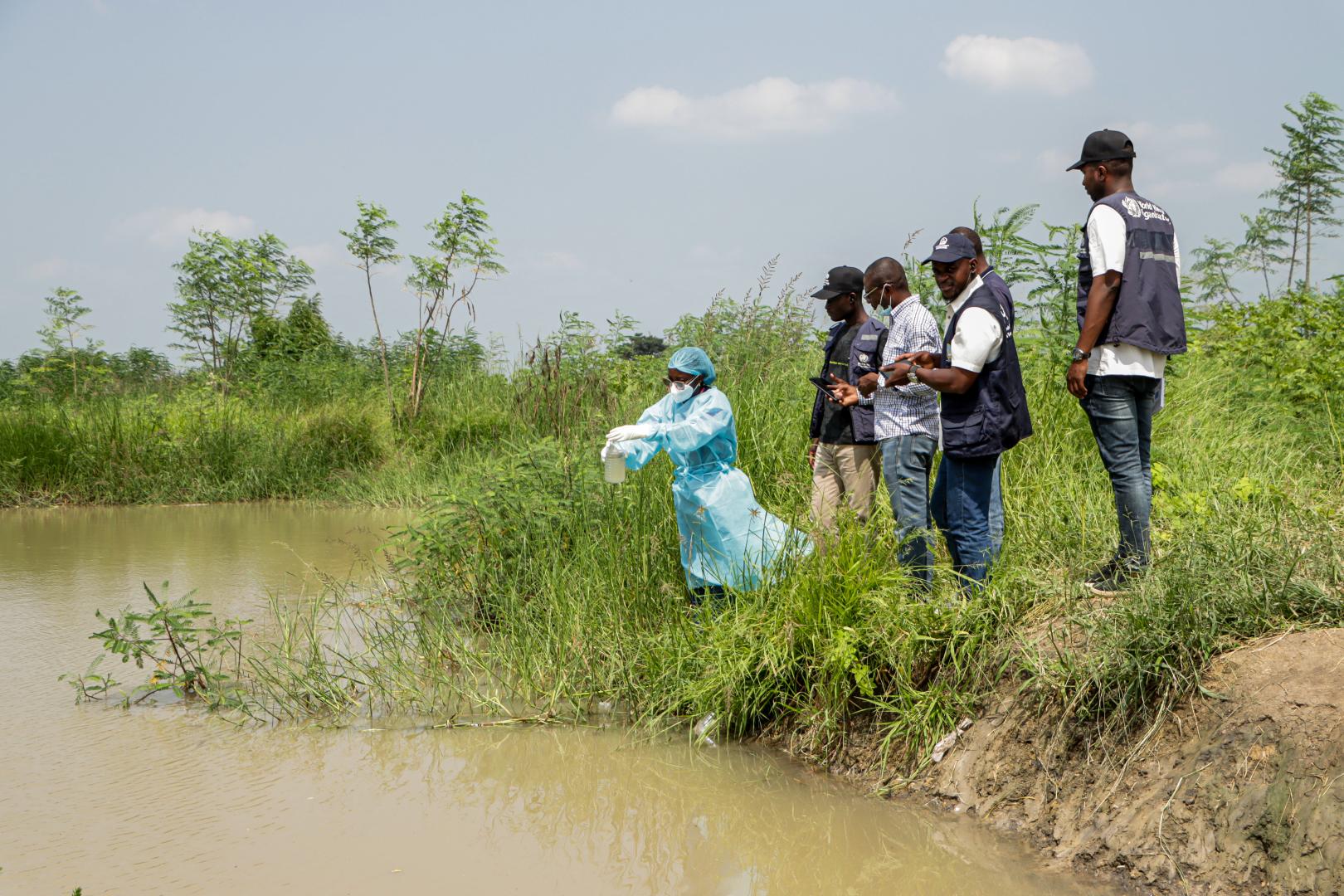
Luanda, Angola, 25 January 2025 – The World Health Organization (WHO), in collaboration with Angola’s health authorities, is intensifying efforts on the ground to combat the cholera outbreak that has affected the country since 7 January 2025. With 1,016 reported cases and 43 deaths to date, WHO teams are actively supporting surveillance, case management, testing, and community-level interventions.
Lesotho concludes Joint Appraisal for GAVI supported immunization programs
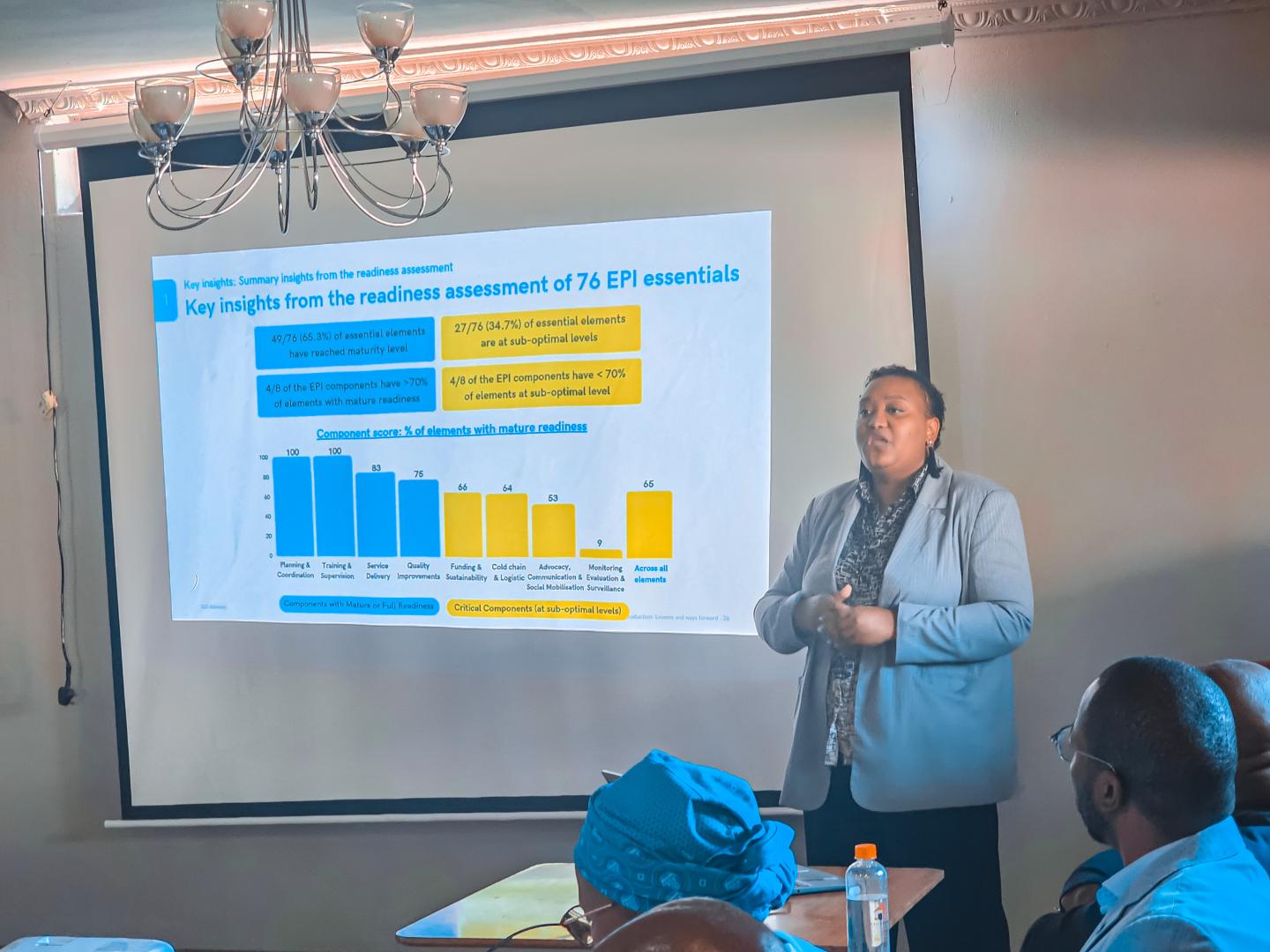
Leribe, Lesotho – Lesotho successfully completed its Joint Appraisal (JA) of GAVI-supported immunization programs, reaffirming the nation’s commitment to protecting its children through equitable access to life-saving vaccines.
Reaching Underserved Communities: Cervical Cancer Awareness in Sierra Leone
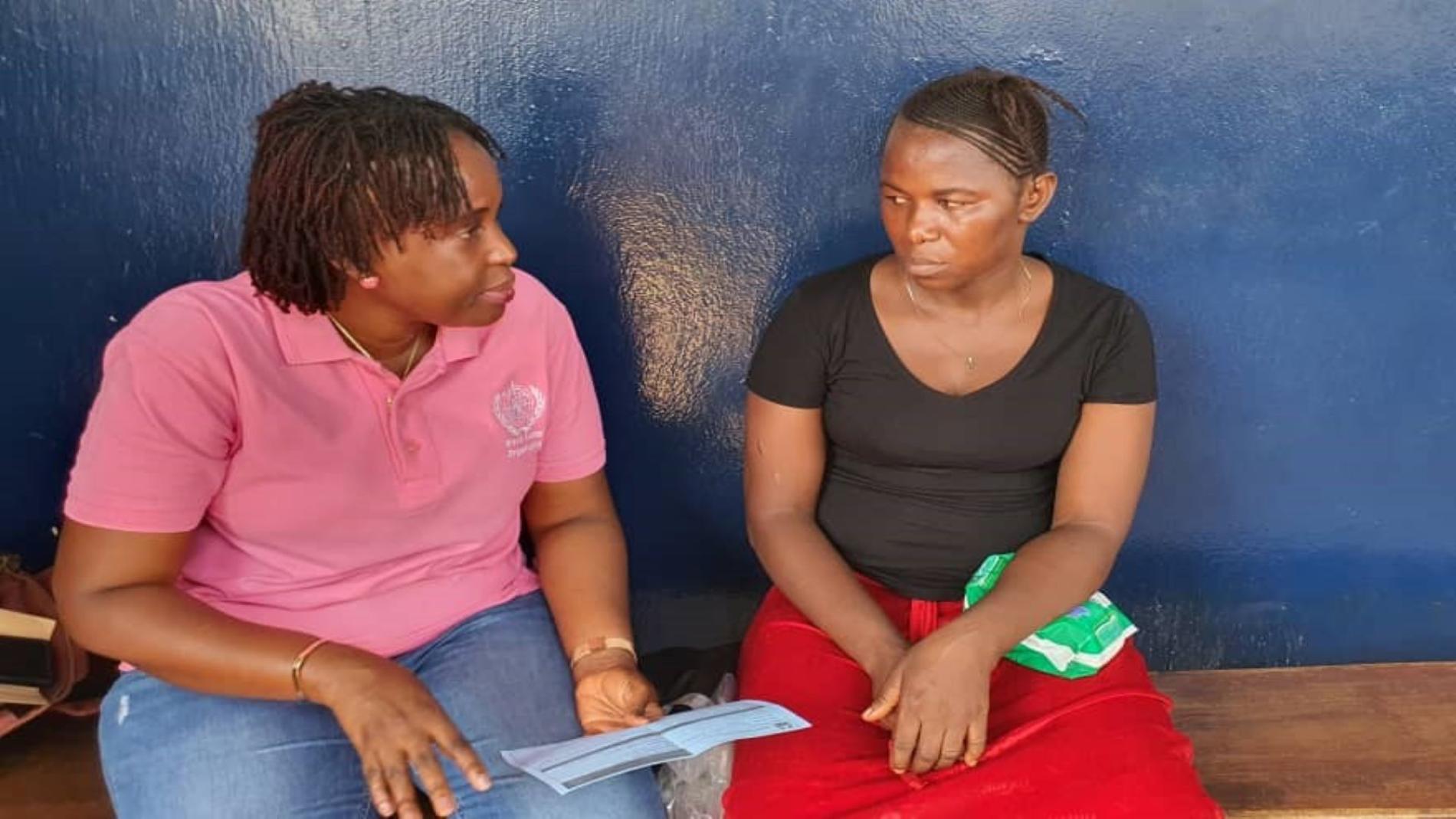
In an ongoing effort to eliminate cervical cancer, the Ministry of Health (MoH), in collaboration with the World Health Organization (WHO) Sierra Leone, organized a crucial screening initiative during Cervical Cancer Awareness Month - January. This initiative focused on underserved communities, encouraging women aged 25-49 to take advantage of essential screening services.