Enhanced safe systems approach reduces road casualties in Botswana
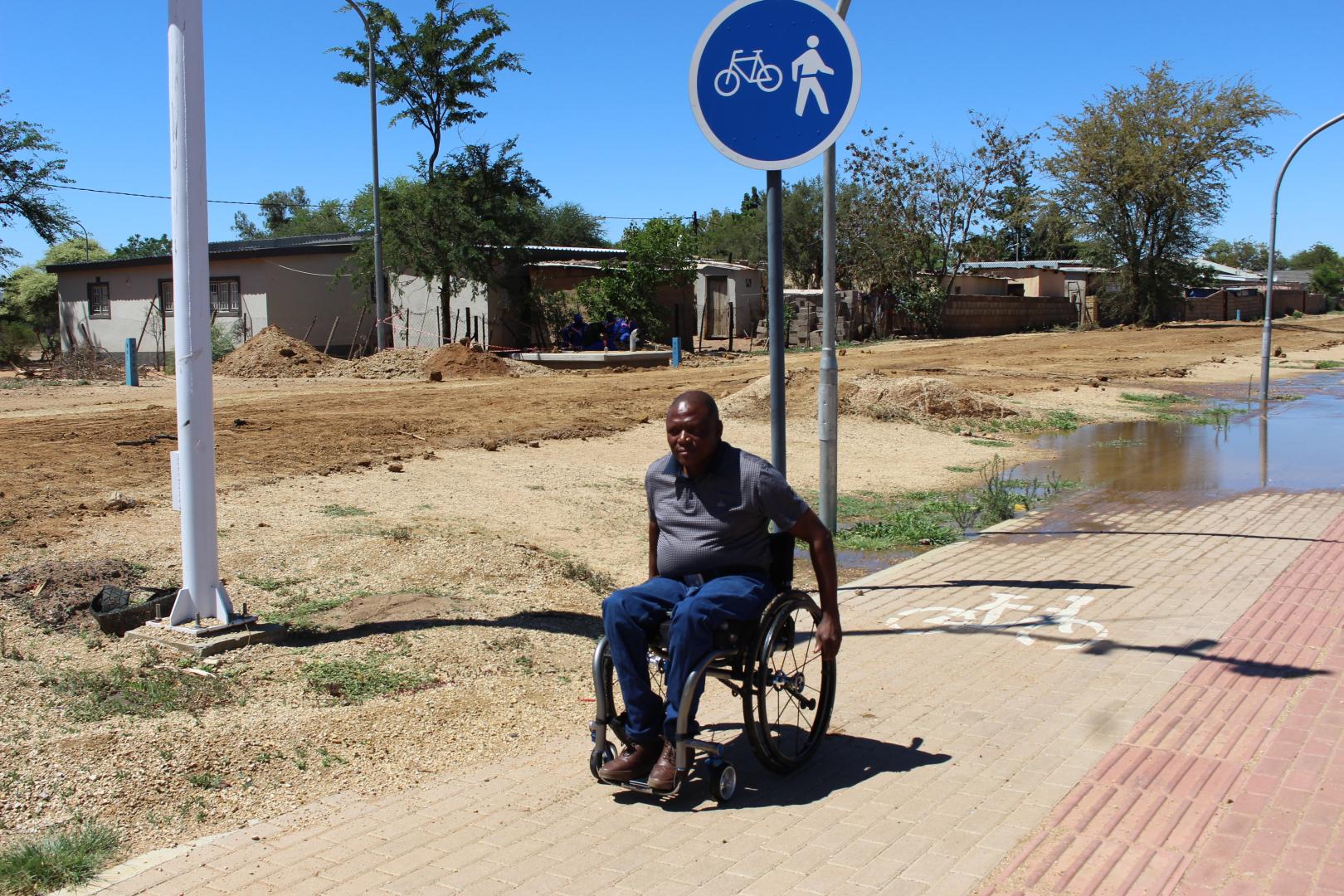
Botswana has been losing 400 people on average annually due to road crashes. However, the trend has been going down since the enhancement and improved implementation of the safe systems approach in the last 3 years. New roadworks now incorporates improved pedestrian walkways and cycling lanes to improve safety and promote active mobility. The enhancements enable people to walk or run safely away from traffic, which also contributes to prevention of obesity and Non-Communicable Diseases.
Seychelles paving the way for sustained immunization efforts to 2030: WHO's technical assistance for Seychelles' National Immunization Strategy
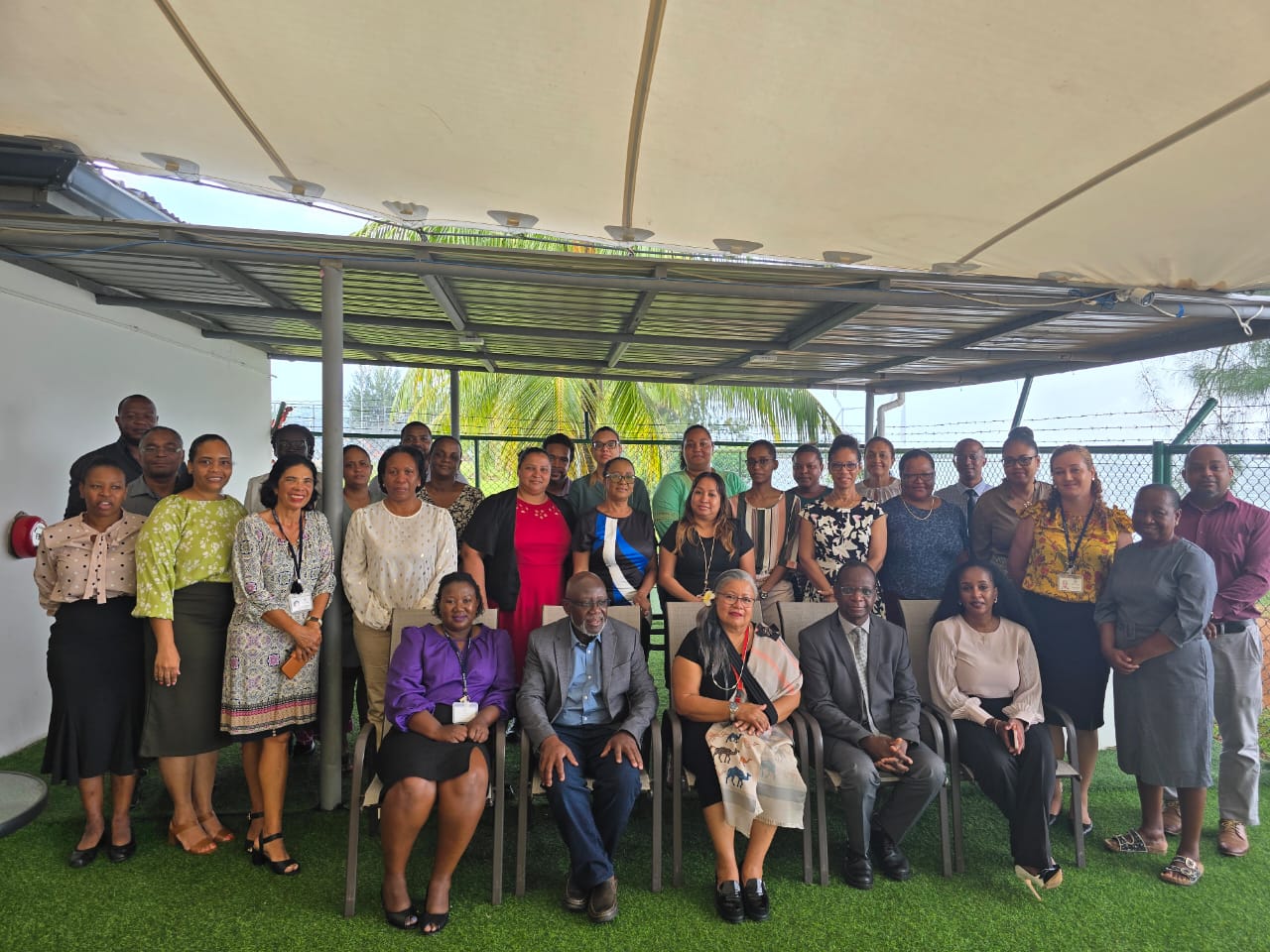
Victoria—From February 3 to February 7, 2025, the Seychelles Ministry of Health, in collaboration with the World Health Organization (WHO), conducted a vital workshop to develop the country's National Immunization Strategy (NIS). This initiative followed extensive efforts that were made in 2024 to conduct a situation analysis on the programmes performance, successes, challenges, and opportunities for improvement.
Cholera vaccination campaign in Angola: A coordinated response to save lives
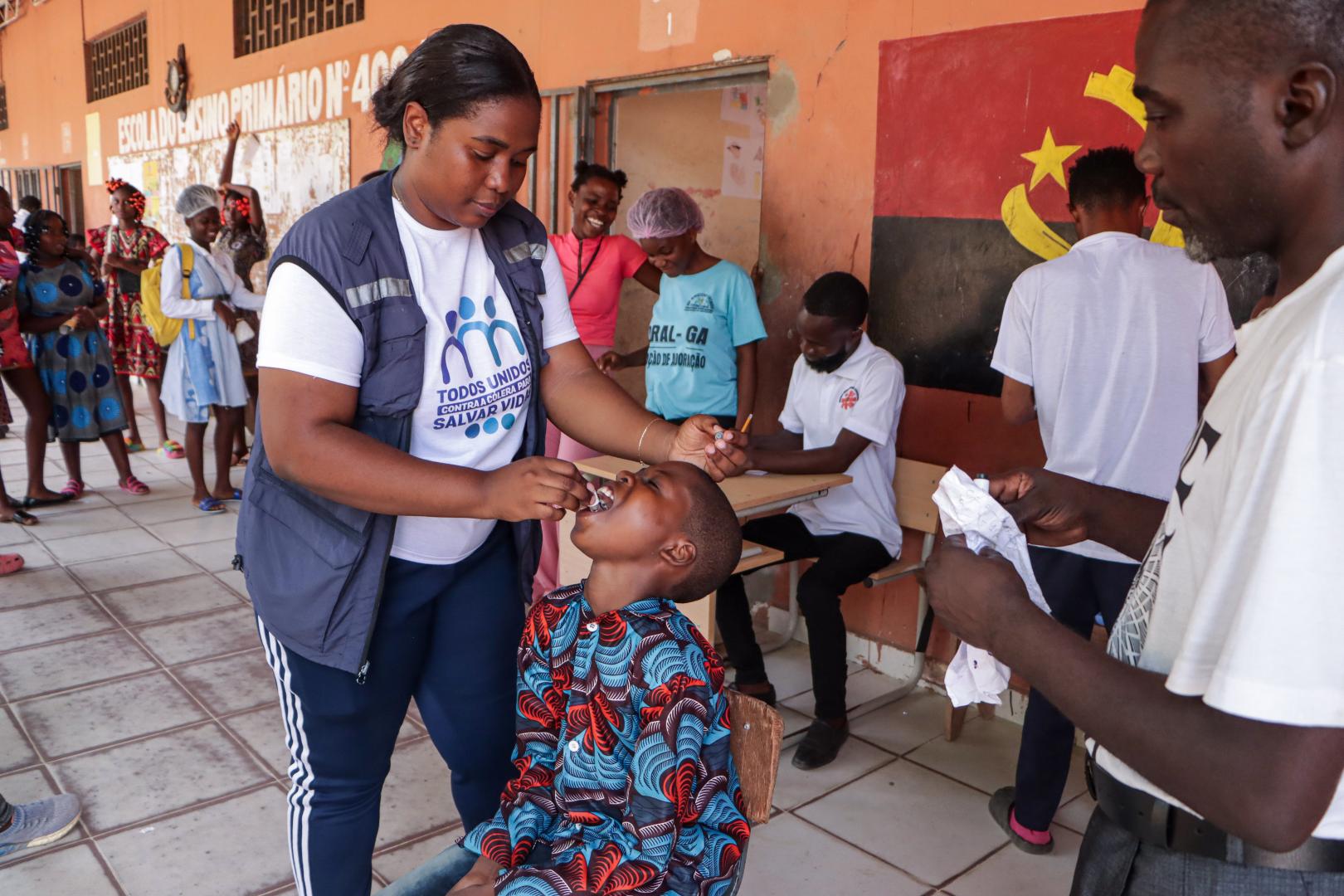
After weeks of anguish and uncertainty, the sun shines again in the Paraíso neighborhood in Cacuaco. In his wheelchair, António is wheeled towards the vaccination team at the local community center. Once filled with worry and sadness, his gaze now conveys relief and gratitude. The cholera that devastated so many lives in his neighborhood has left a trail of pain. He has lost friends and neighbors. However, as he approaches the vaccination team, a genuine smile appears.
Malawi Assesses Its Needs for Effective Implementation of the WHO Framework Convention on Tobacco Control (WHO-FCTC)
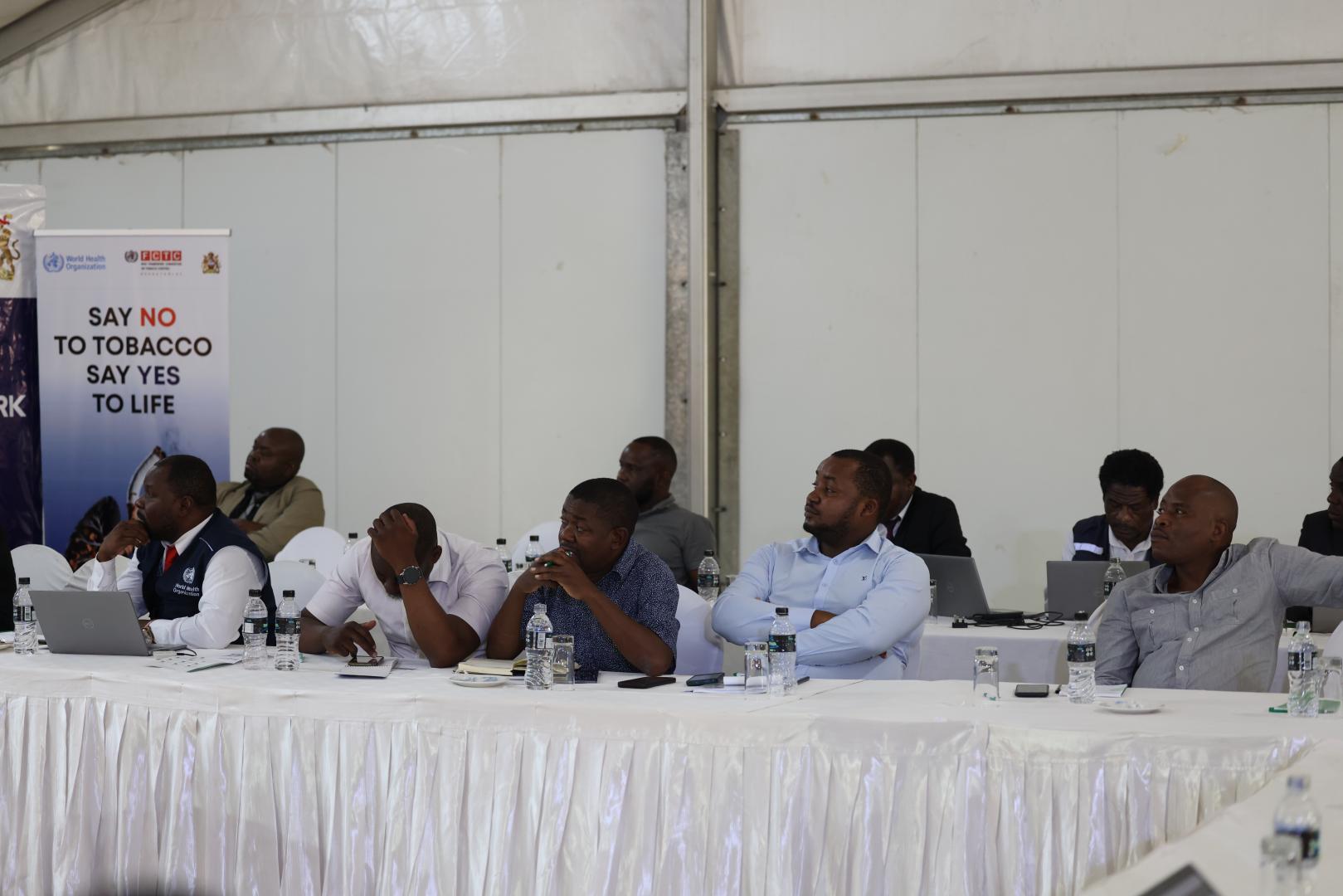
Malawi has recognized the importance of tobacco control in national health strategies and development plans. The National Cancer Control Strategic Plan 2019-2029 includes the objective to reduce the use of and exposure to tobacco and tobacco products. The National Action Plan for the Prevention and Management of NCDs in Malawi 2022 identifies tobacco use as a leading NCD risk factor. The National Health Financing Strategy 2023-2030 supports using tobacco taxes as an innovative health financing mechanism.
South Sudan is vaccinating 3.4 million children to eliminate the polio outbreak
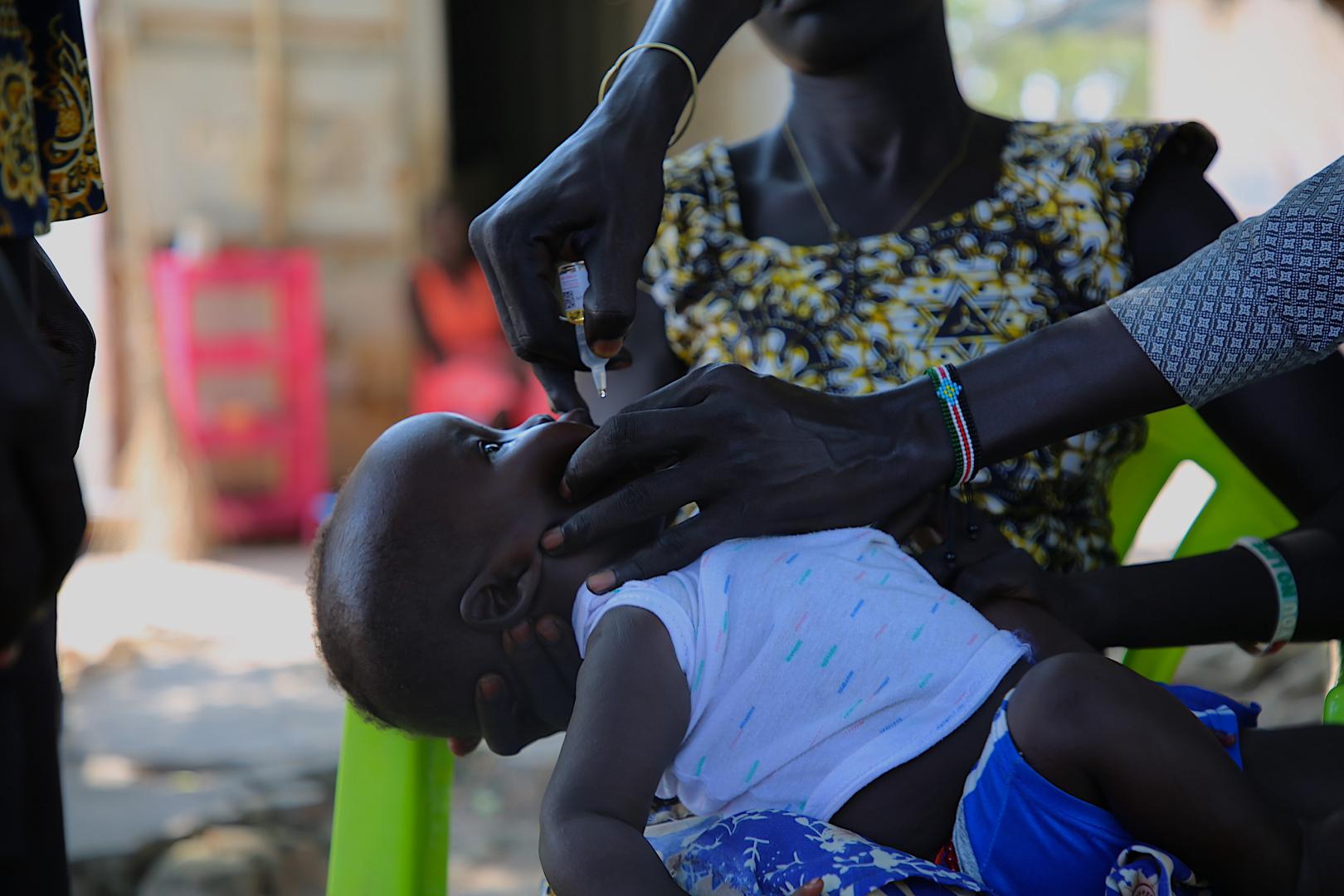
Juba: South Sudan has launched an ambitious nationwide campaign that aims to vaccinate an impressive 3.47 million children aged 0 to 59 months against polio, utilizing the innovative Oral Polio Vaccine type 2 (nOPV2).
WHO donates essential medical equipment to combat Marburg outbreak in Tanzania
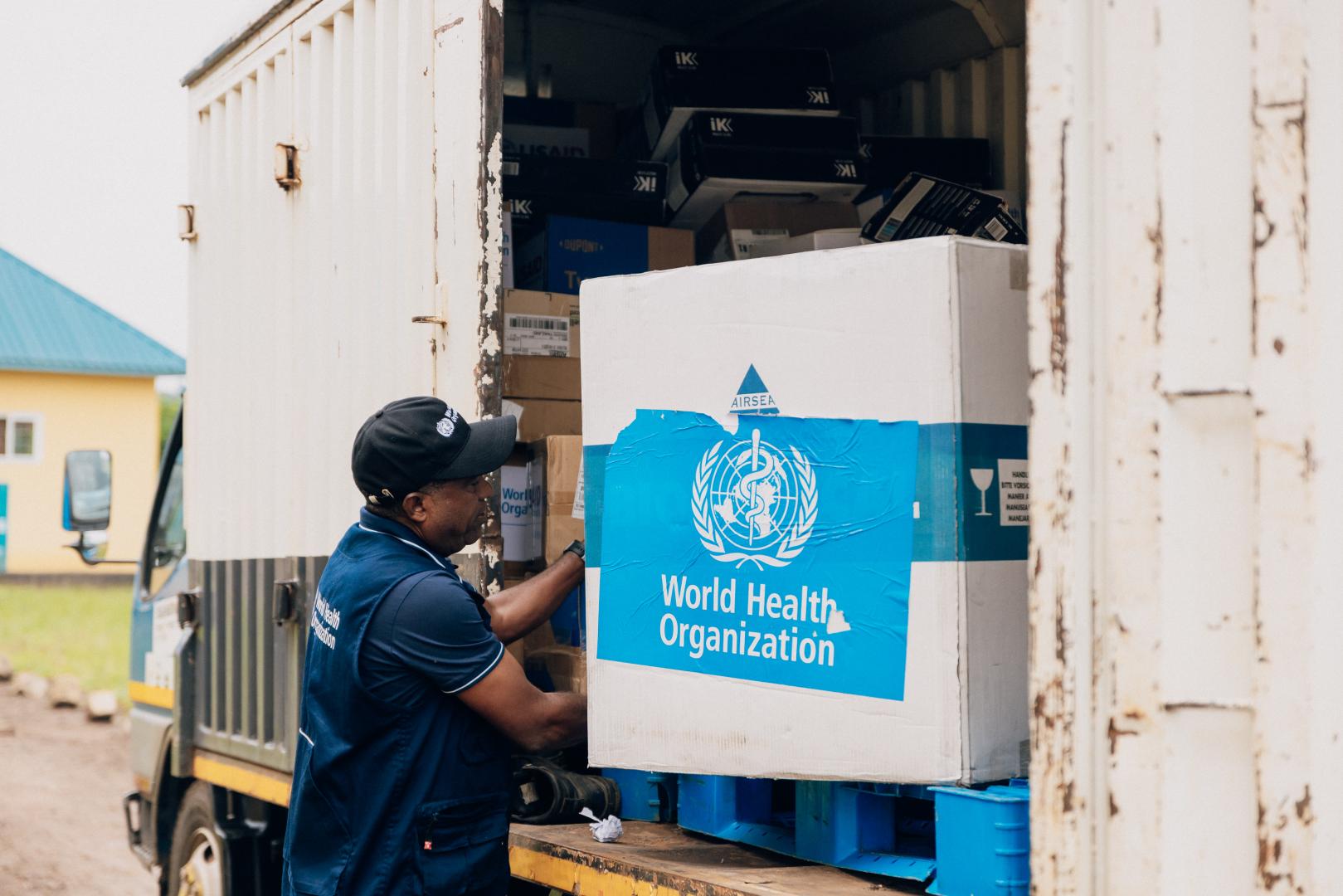
Kagera - In the face of the ongoing Marburg Virus Disease (MVD) outbreak in Kagera, Tanzania, frontline health workers and local communities have received vital support from the World Health Organization (WHO) and partners through the provision of over 2.5 tons of essential medical supplies, including Viral Hemorrhagic Fever (VHF) kits, ultrasound machines, blood pressure cuffs, pulse oximeters, and equipment worth 30,000USD to help care for ill patients.
Ghana Hosts Consultative Meeting to Strengthen Africa’s Health Security Through National Public Health Agencies
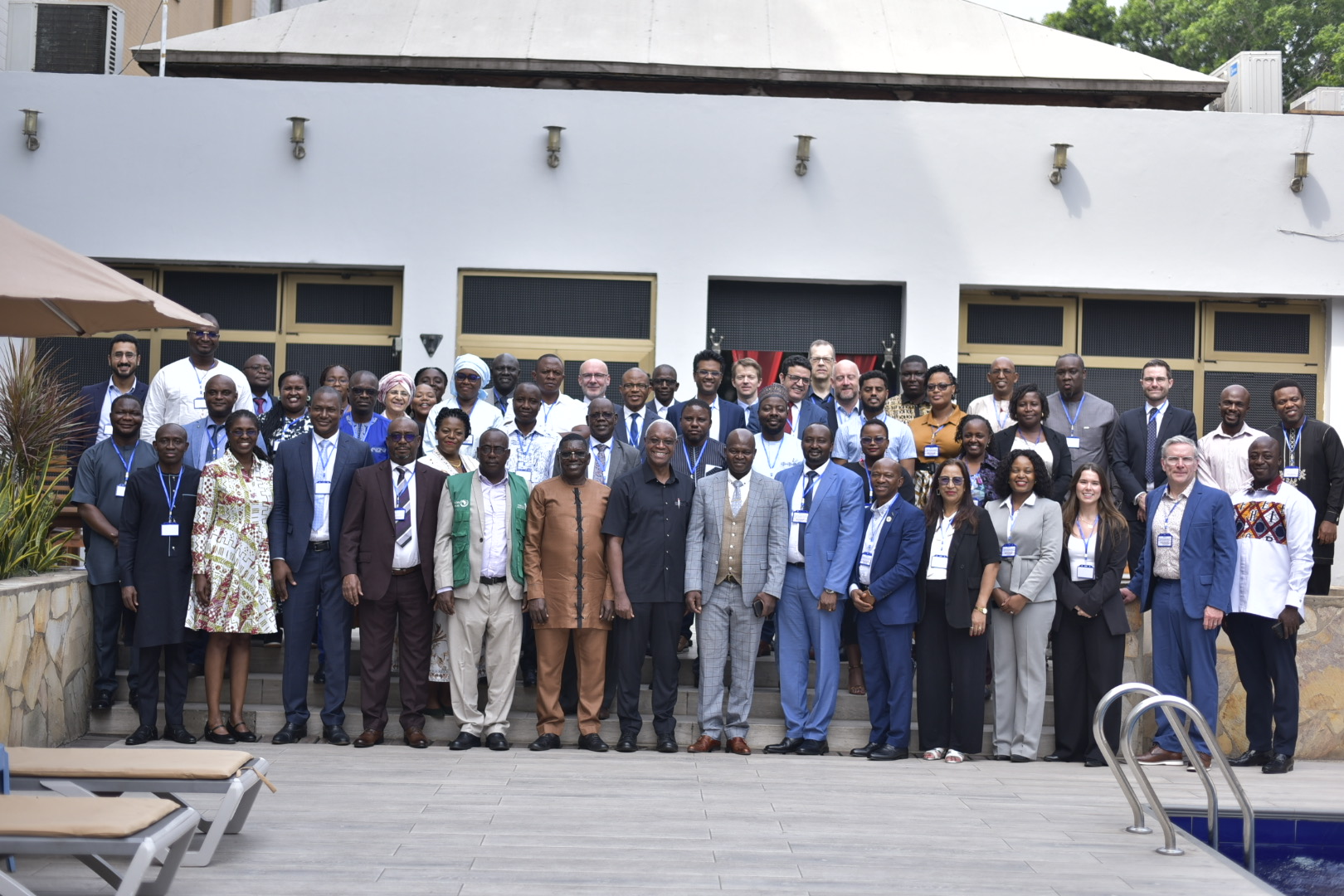
Africa’s ability to effectively prepare for and respond to health emergencies took a significant step forward as public health leaders, technical experts, and key stakeholders convened for a high-level regional consultation on strengthening National Public Health Agencies (NPHAs).
Botswana undertakes Health Vulnerability and Adaptation Assessment: A move towards a resilient health system on impacts of climate change
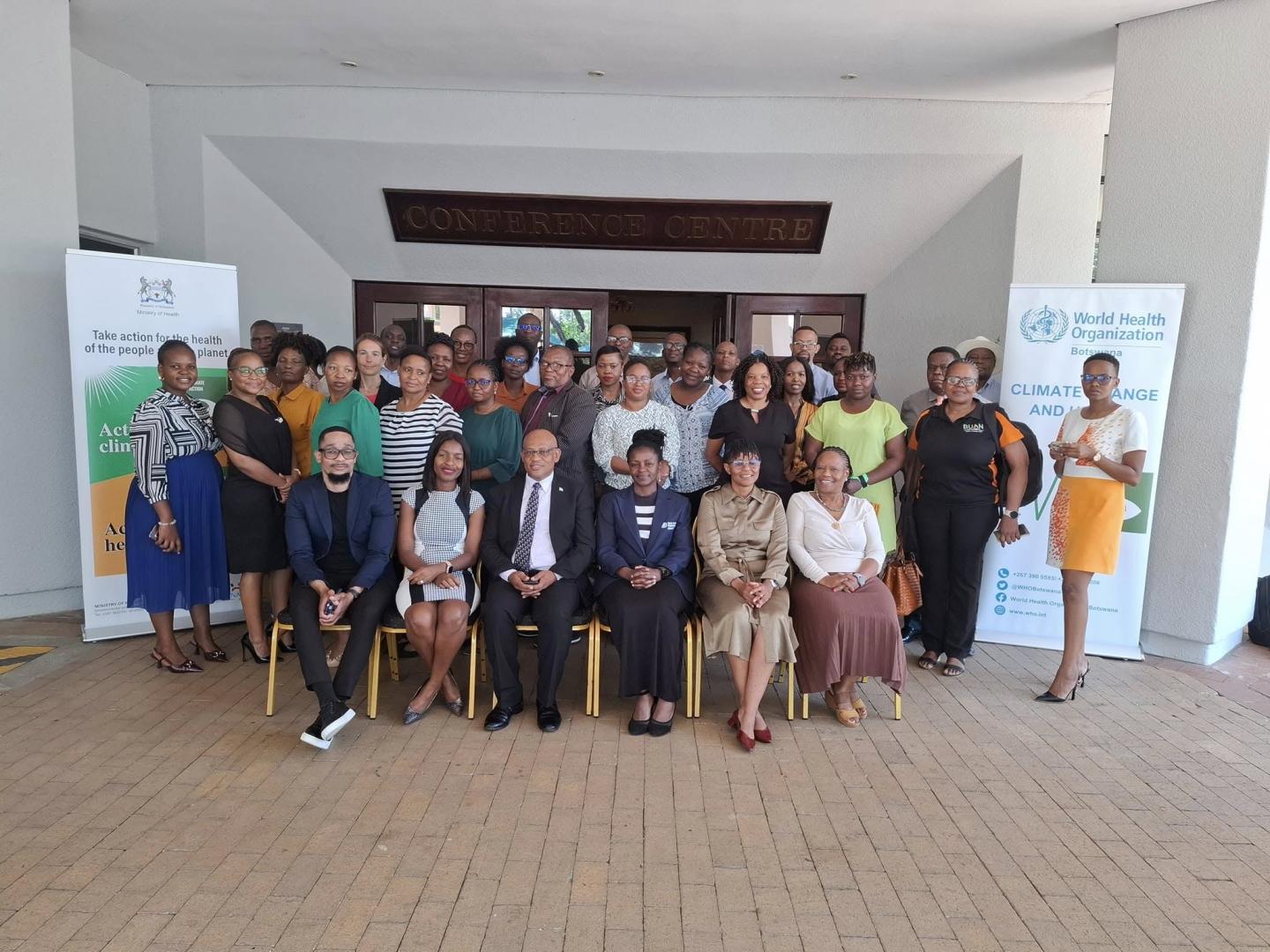
The Government of Botswana conducted a Climate Change Health Vulnerability and Adaptation Assessment in selected districts to identify high-risk areas and vulnerable populations affected by climate change. The objective was to strengthen the country’s health sector to effectively and efficiently respond to climate-related impacts.
WHO scales up response to Uganda’s Ebola outbreak
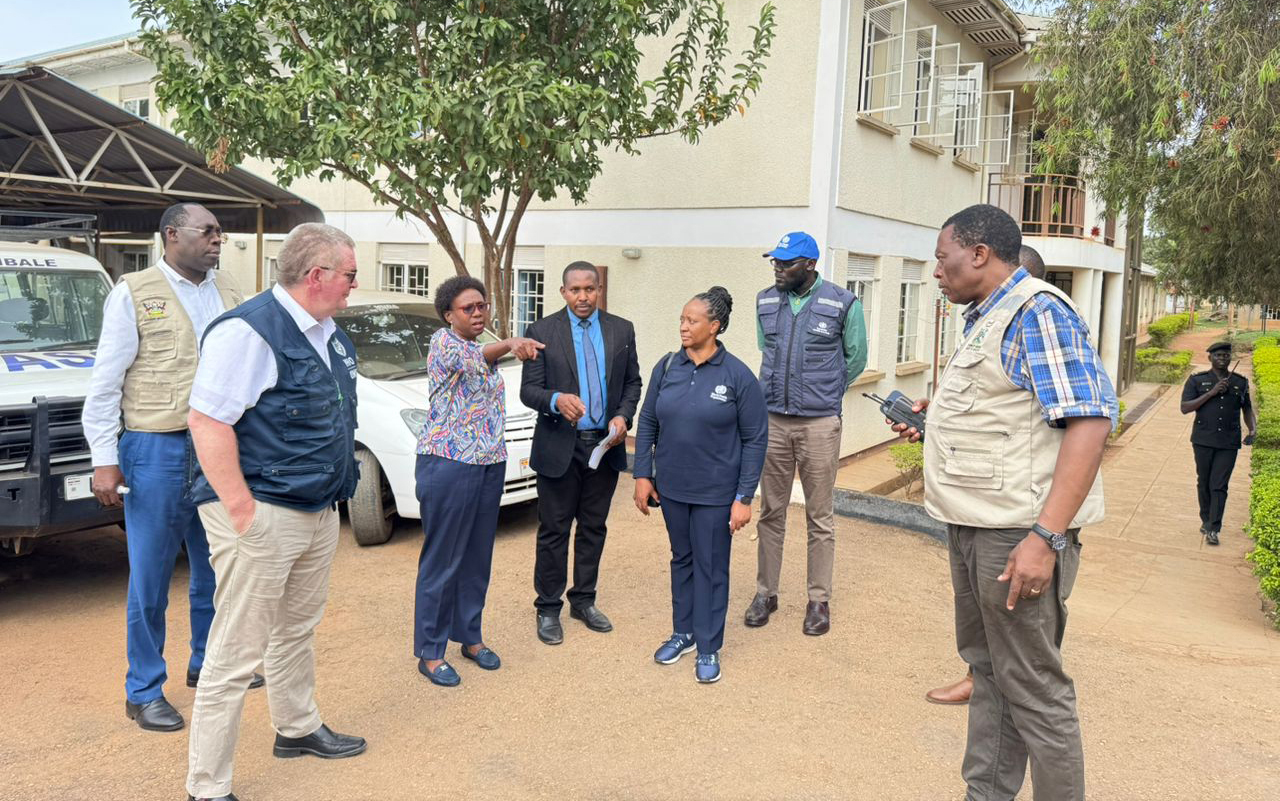
Mbale, Uganda – The World Health Organization (WHO) is reinforcing its support for Uganda’s ongoing Ebola response efforts, with a high-level delegation visiting Mbale district - one of the affected communities - to assess the situation on the ground and provide essential technical and operational assistance.
South Sudan declares mpox outbreak
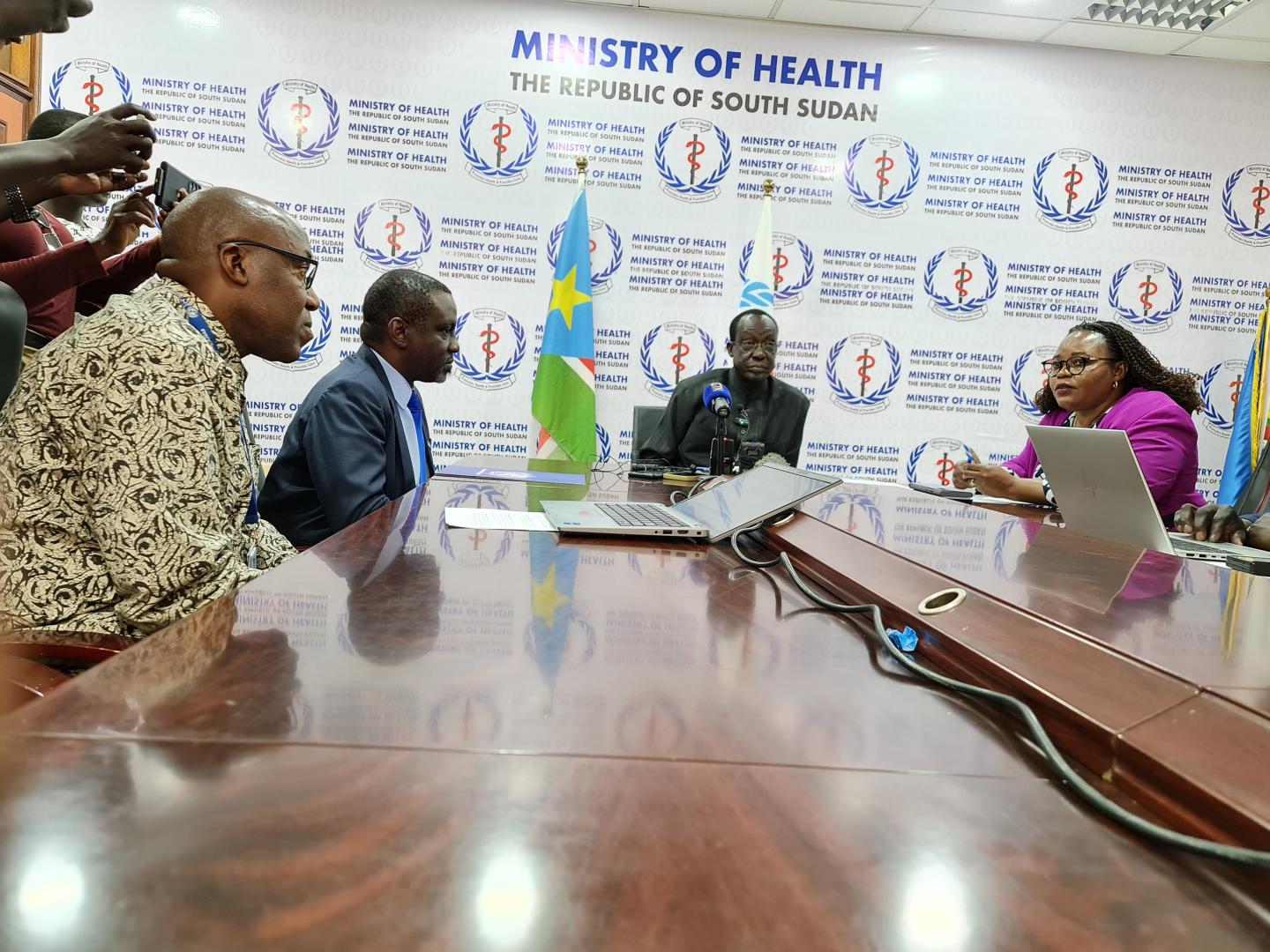
Juba, 7 February 2025—Today the Ministry of Health has declared a mpox outbreak in Juba, Central Equatoria State. This declaration follows a confirmation mpox Case by the National Public Health Laboratory on 6 February 2025.