Botswana concluded nationwide consultations to shape next HIV/AIDS strategic framework
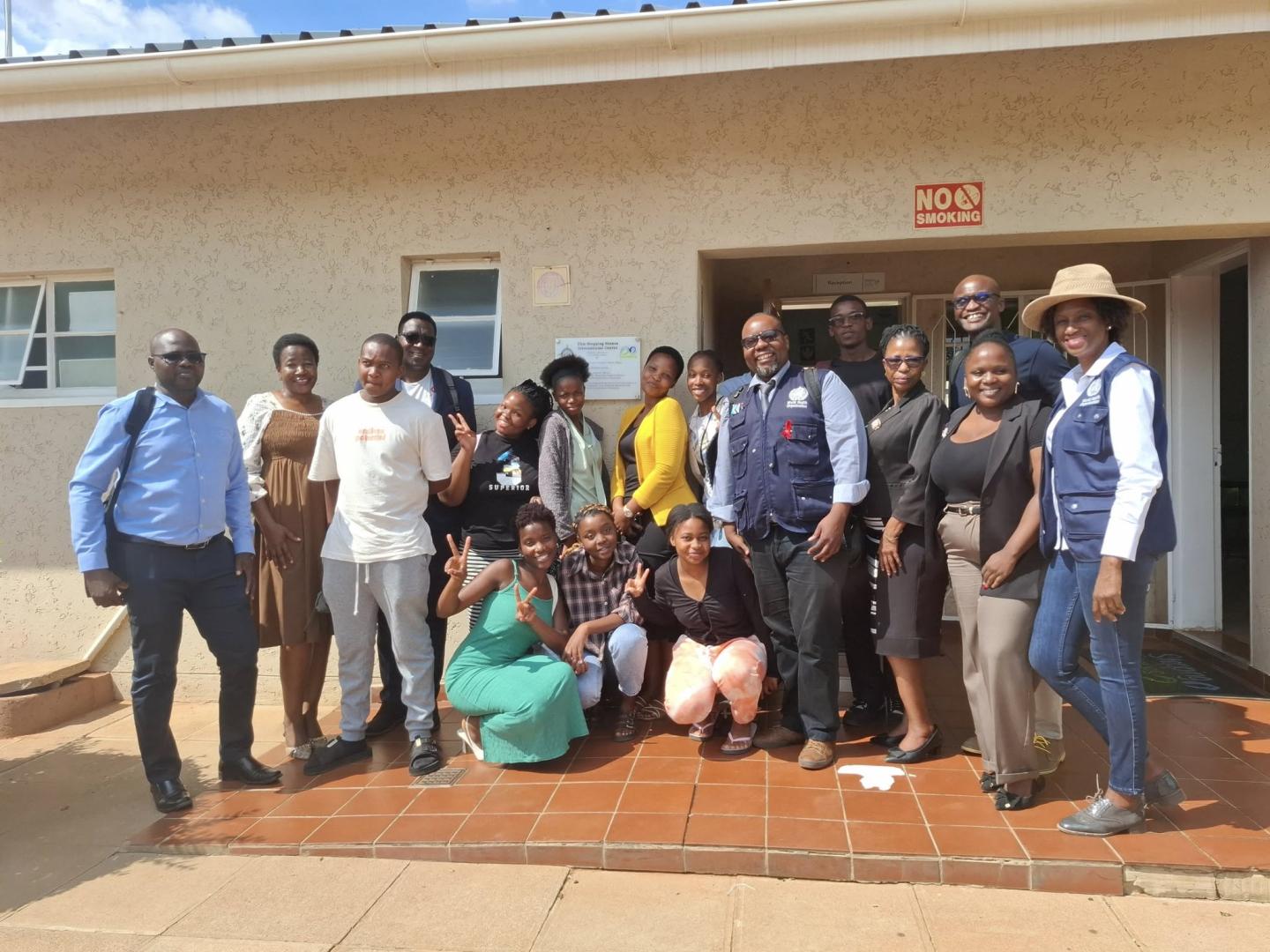
The Botswana National AIDS & Health Promotion Agency (NAHPA), with support from the World Health Organization (WHO) and other partners, concluded a weeklong series of nationwide consultative forums in February aimed at gathering input for the development of the country’s fourth HIV/AIDS National Strategic Framework (NSF4). These district-level forums were designed to ensure inclusive engagement and collect insights to guide Botswana’s HIV response through 2030.
Uganda deploys the National Emergency Medical Team to support Ebola response
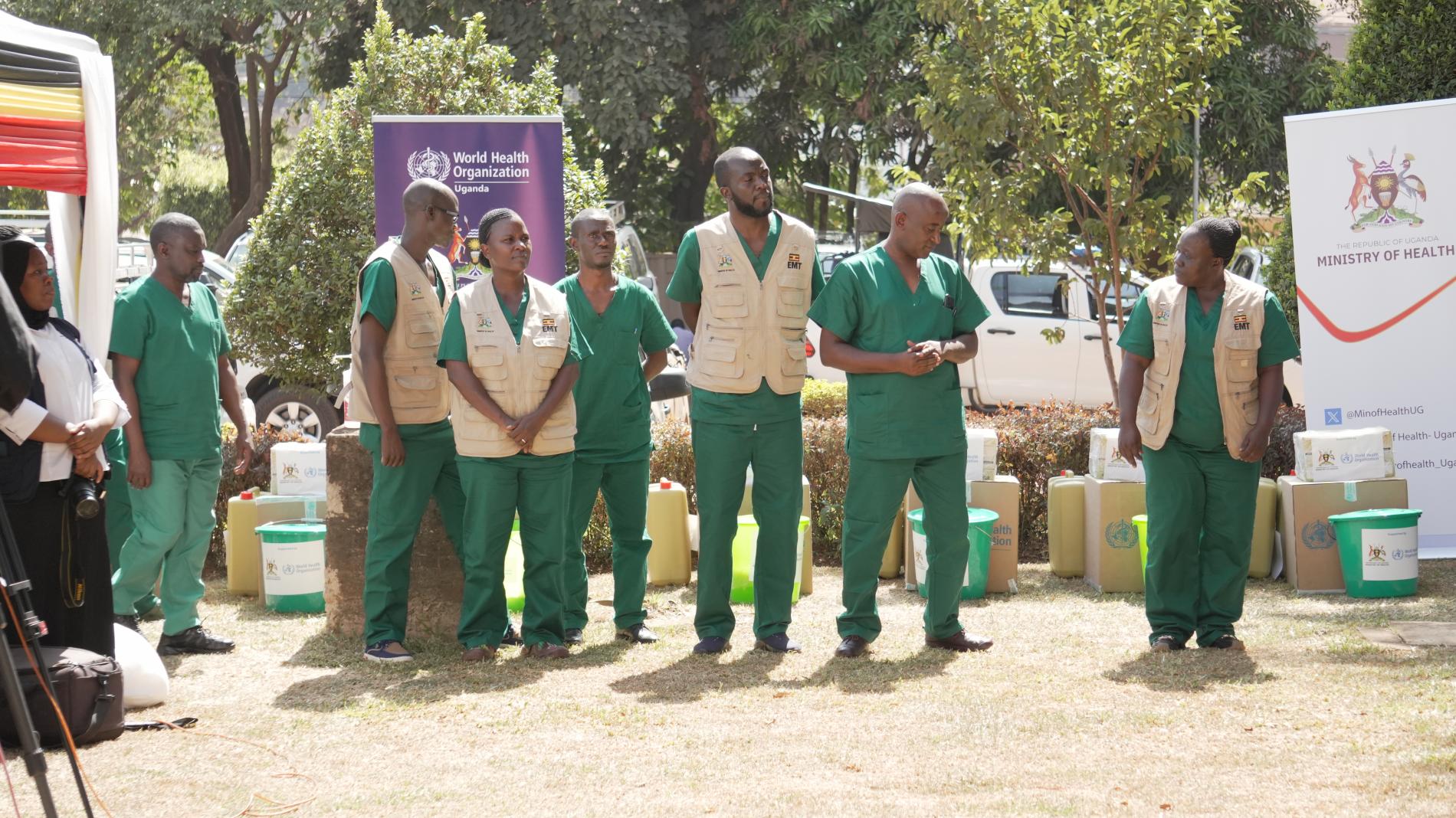
Kampala/Uganda: The Uganda Ministry of Health (MOH), with support from the World Health Organization (WHO) and partners deployed the national Emergency Medical Team (nEMT) to the ongoing response to the outbreak of Sudan Virus Disease, from the same family as the Ebola virus disease.
Upgrading IT infrastructure: boosting efficiency with BMS
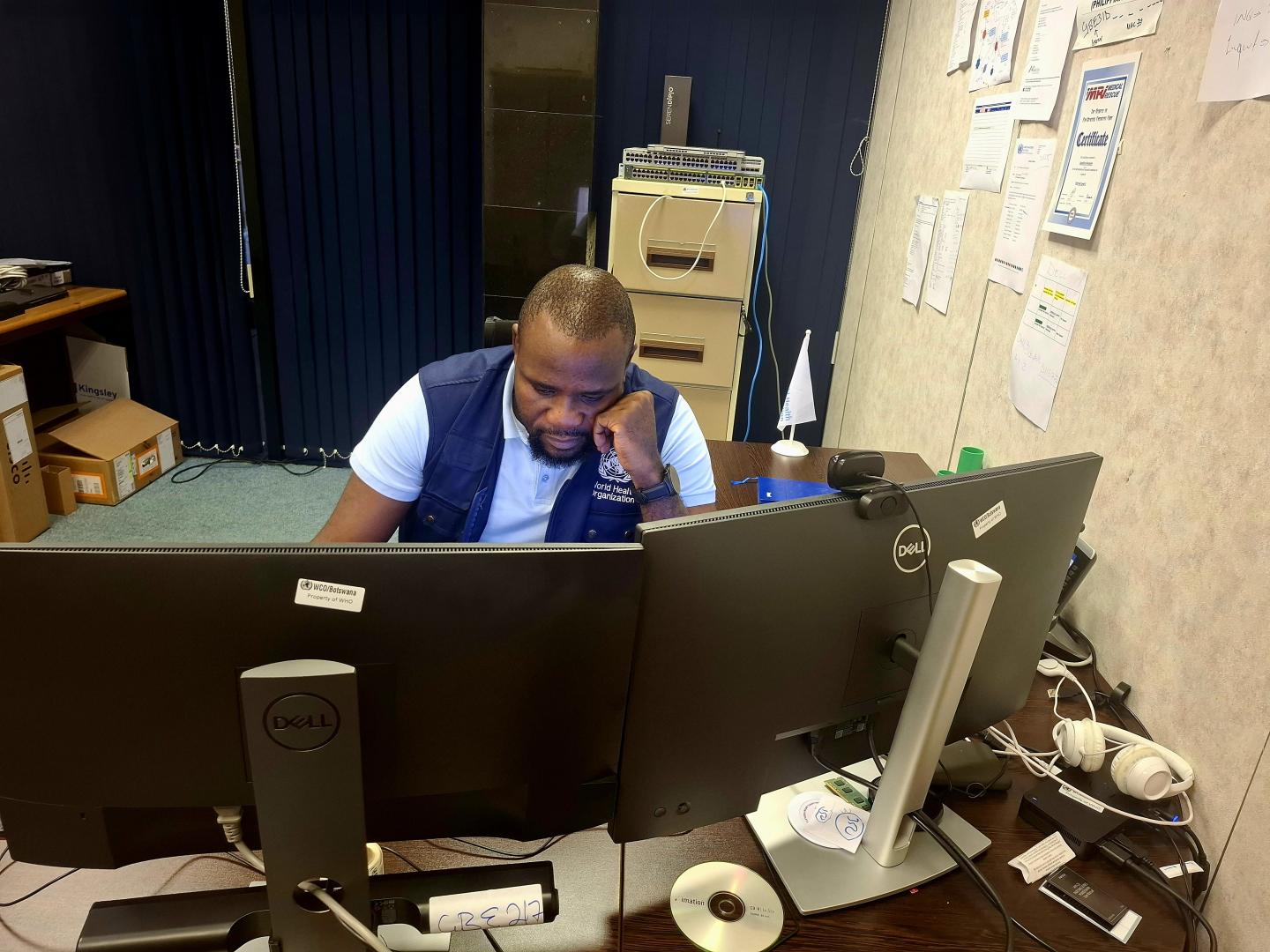
In a move to enhance efficiency and streamline operations, WHO Botswana has upgraded its IT infrastructure with the implementation of the Business Management System (BMS). This transition replaces the outdated GSM-based system, which required staff to log in and out of multiple platforms to complete tasks. By centralizing essential services, BMS reduces inefficiencies, creating a seamless and integrated workflow.
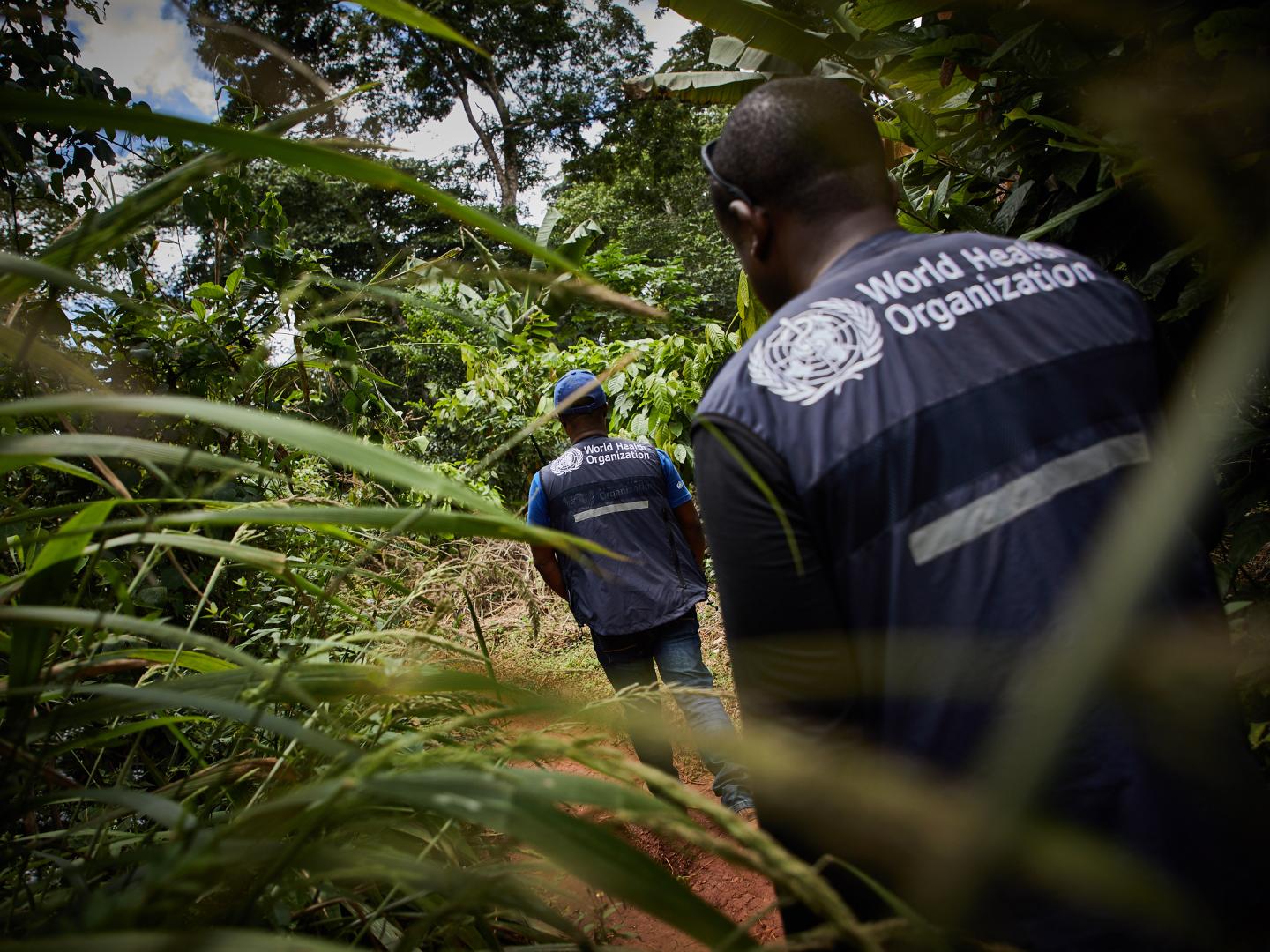
Democratic Republic of the Congo deepens investigation on cluster of illness and community deaths in Equateur province
Stakeholders strengthen commitments to end polio transmission in Nigeria by December 2025
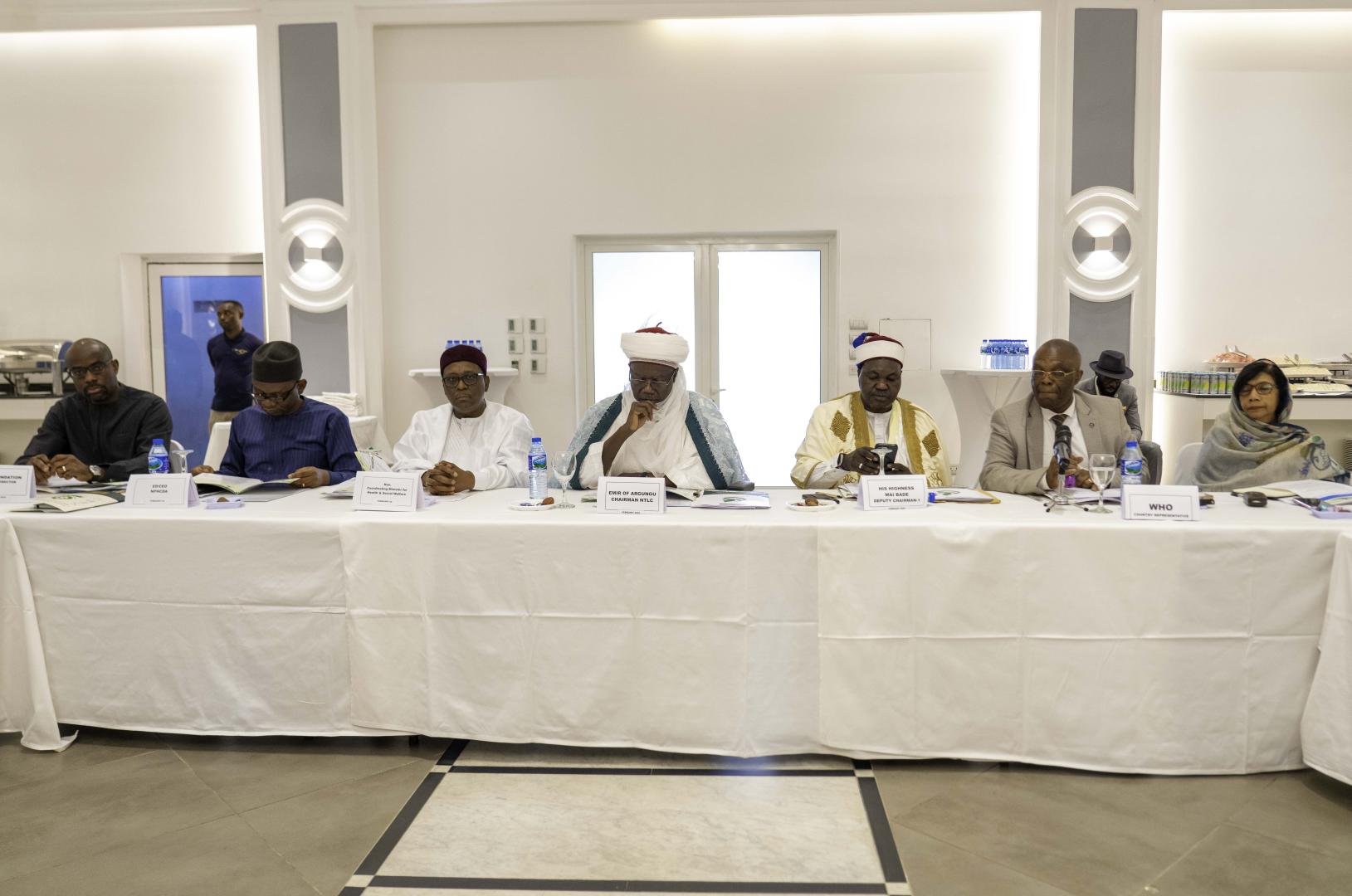
Abuja, 27 February, 2025 - The World Health Organization (WHO) has reaffirmed its commitment to supporting Nigeria's government in strengthening Primary Health Care (PHC) and addressing health system issues by implementing innovative initiatives. This commitment aligns with the country's goal to eliminate all types of polioviruses by the end of 2025.
WHO Country Representative in Nigeria, Dr Walter Kazadi Mulombo, said at the recently concluded First Quarter Review Meeting of the Northern Traditional Leaders Committee (NTLC) on PHC Delivery in Abuja.
From Kabul to Kitgum: A journey of hope and resilience
In the war-torn streets of Kabul, bombed-out buildings stood as stark reminders of a life disrupted. Families, including one young boy's, struggled to rebuild amidst the chaos. For this boy, survival was not the only battle; his greatest fight was for an education.
Escalating humanitarian crisis in Renk amid renewed conflict in Sudan.
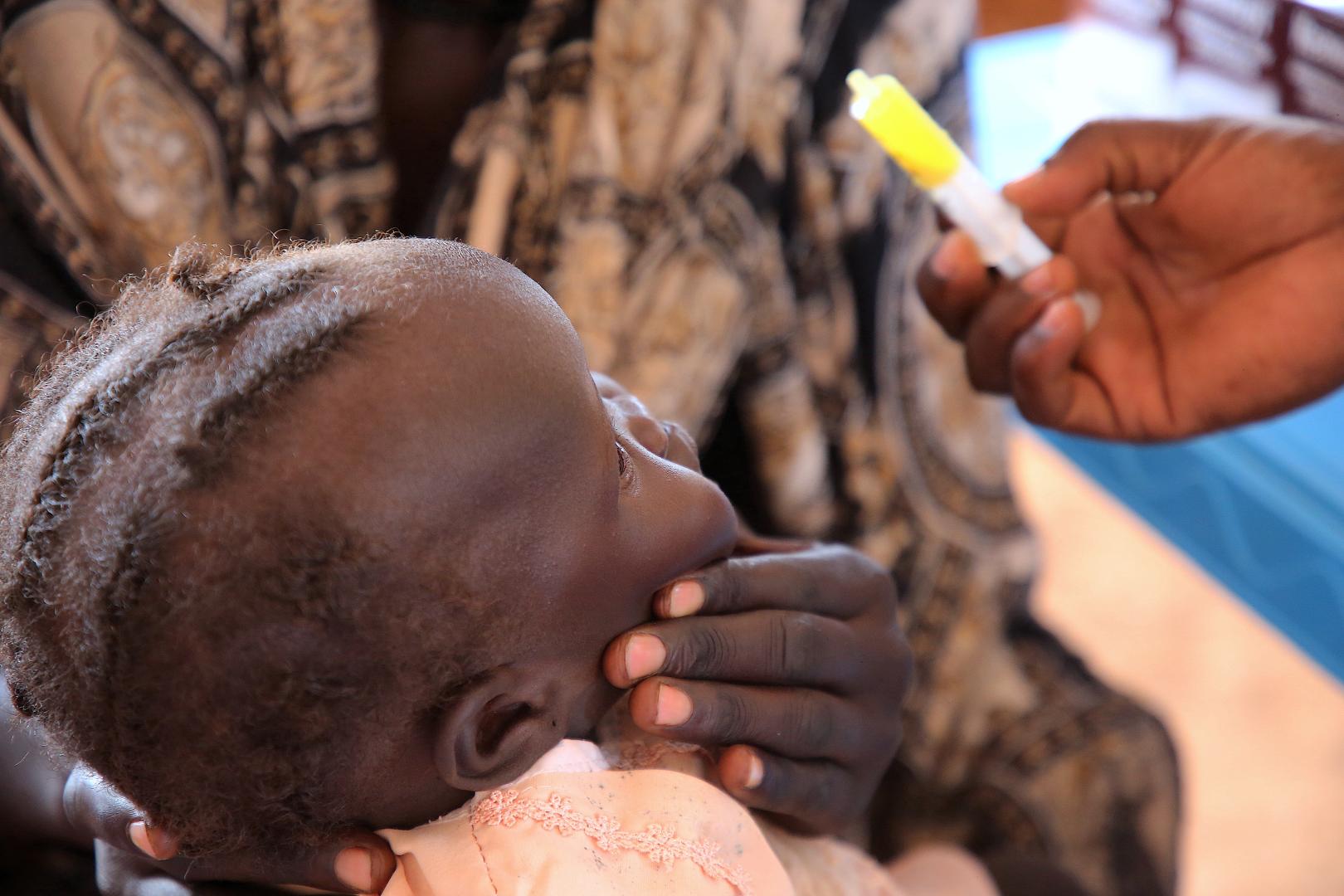
Juba - The ongoing conflict in Sudan has forced more than 160,000 people to seek refuge in South Sudan since mid-December 2024, placing immense pressure on an already overstretched healthcare system. Renk County, particularly its border town and surrounding villages, has become the primary destination for these displaced individuals, exacerbating existing health challenges.
Sierra Leone bolsters mpox response with 61,300 vaccine doses
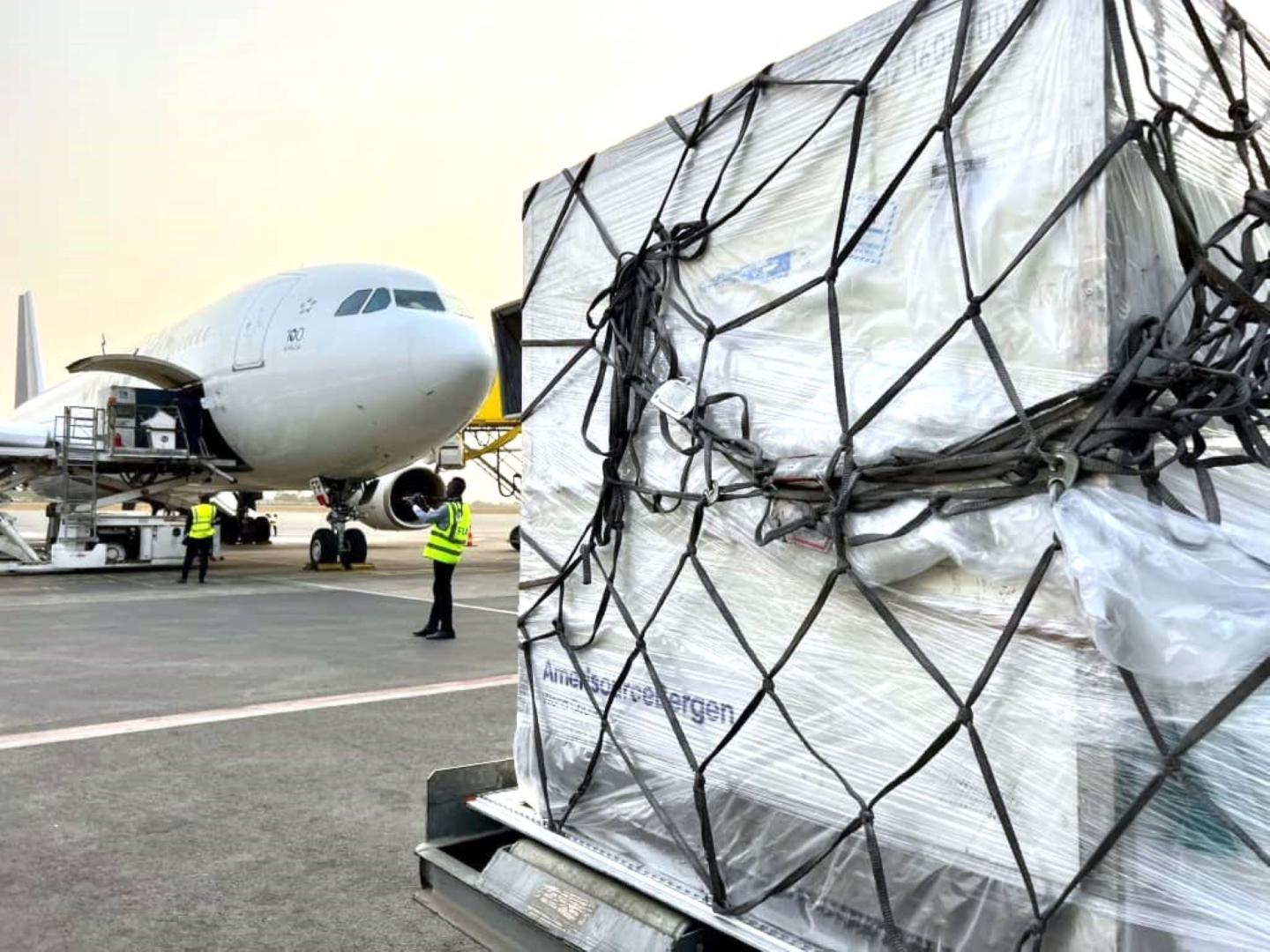
Freetown, Sierra Leone – February 25, 2025 – Sierra Leone reinforces its combat against mpox with the arrival of 61,300 vaccine doses on February 25, 2025. This vital shipment, secured through the collaborative efforts of the World Health Organization (WHO), UNICEF, GAVI, the Africa Centres for Disease Control and Prevention (Africa CDC), and other partners, following a total of 29 confirmed mpox cases nationwide since the onset of this outbreak.
WHO Provides Urgent Medical Support to Ghana to Combat Meningitis Outbreak
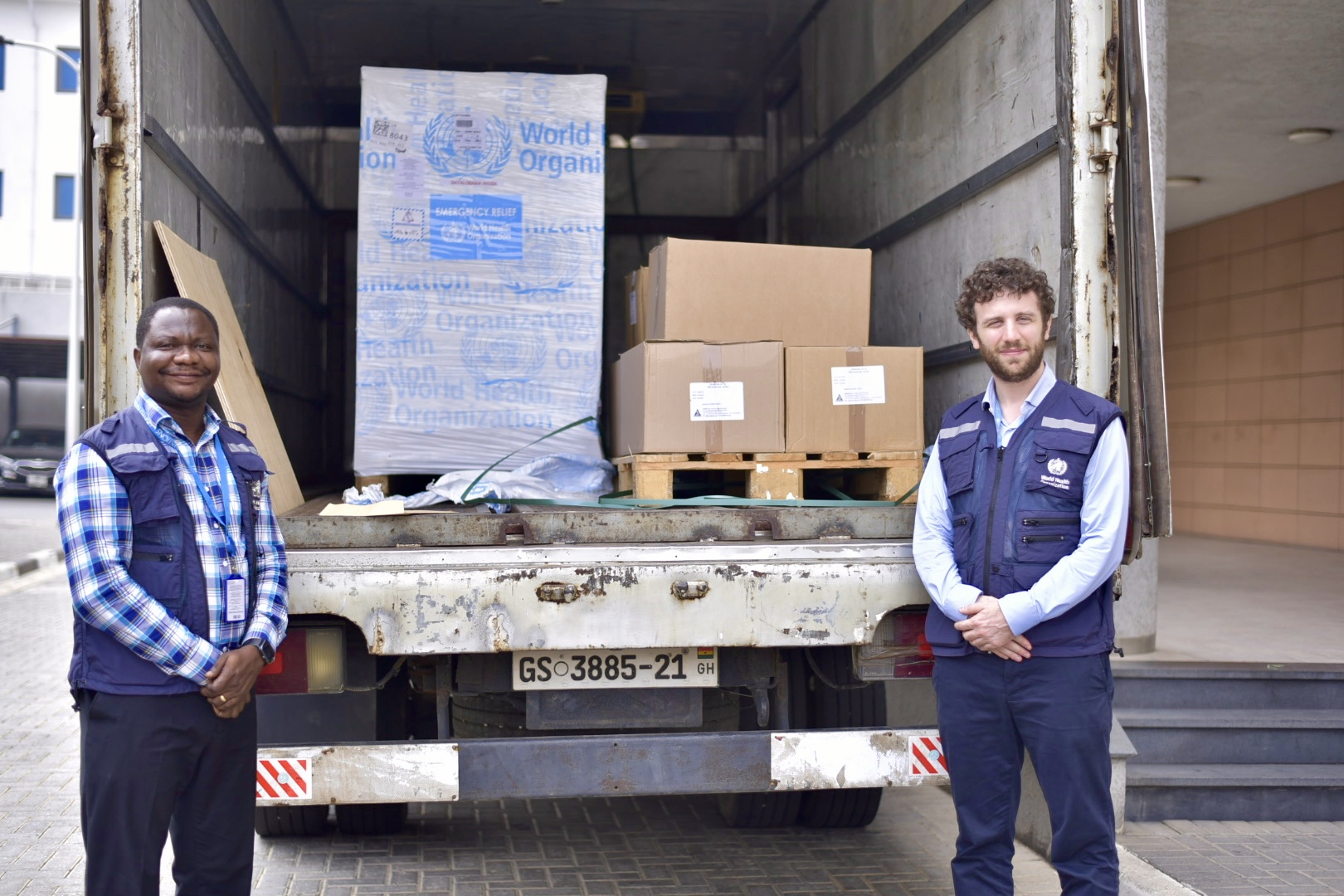
Ghana is experiencing a worsening bacterial meningitis outbreak in the Upper West Region, straining the country's healthcare system as cases continue to climb. With limited resources and rising fatalities, health authorities are racing against time to contain the disease and provide critical treatment to those affected. In response to the escalating crisis, the World Health Organization (WHO) has stepped in to provide much-needed technical and logistical support.
South Africa launches 1.1 million HIV campaign to close treatment gap
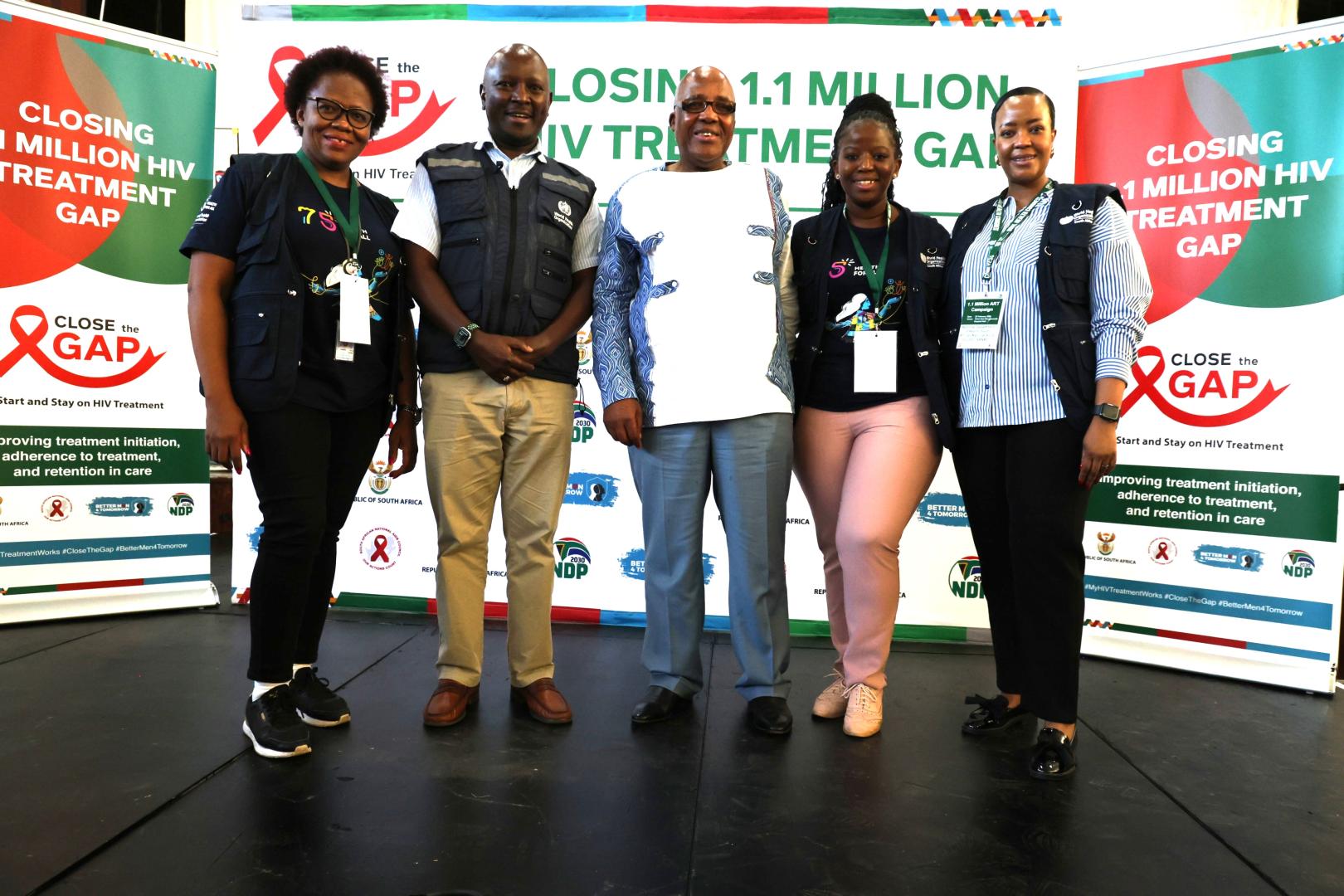
Johannesburg – The South African government, in partnership with World Health Organization (WHO), UNAIDS, and other stakeholders, on February 25, 2025, launched the “Closing 1.1 Million HIV Treatment Gap Campaign” to accelerate efforts toward achieving the 95-95-95 HIV targets. The campaign seeks to identify and support the 1.1 million people living with HIV who know their status but are not yet on treatment, addressing a critical gap in the country’s HIV response.