Collaborating for Health: Sierra Leone Leverages Partnerships to Boost Pandemic Preparedness
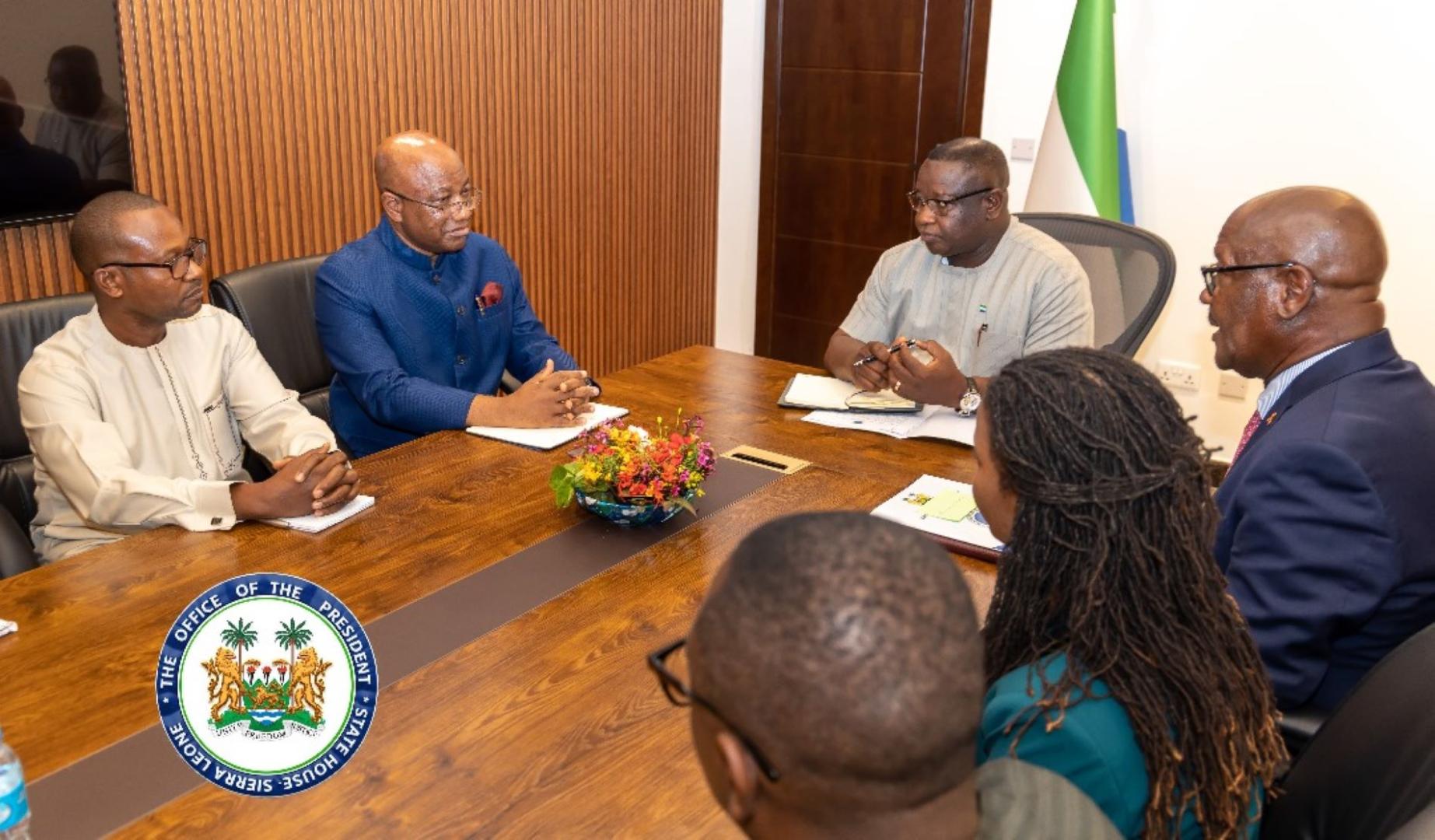
State House, Freetown, Sierra Leone – March 7, 2025 – President Julius Maada Bio received a delegation led by the Minister of Health, Dr. Austin Demby, comprising representatives from the World Health Organization (WHO) and the Food and Agriculture Organization (FAO), Chief Medical Officer, and the Executive Director of the National Public Health Agency to announce and discuss implementation of activities of the $20 million from the Pandemic Fund.
WHO Hands Over Cholera Commodities to the Ministry of Health to Strengthen Response Efforts
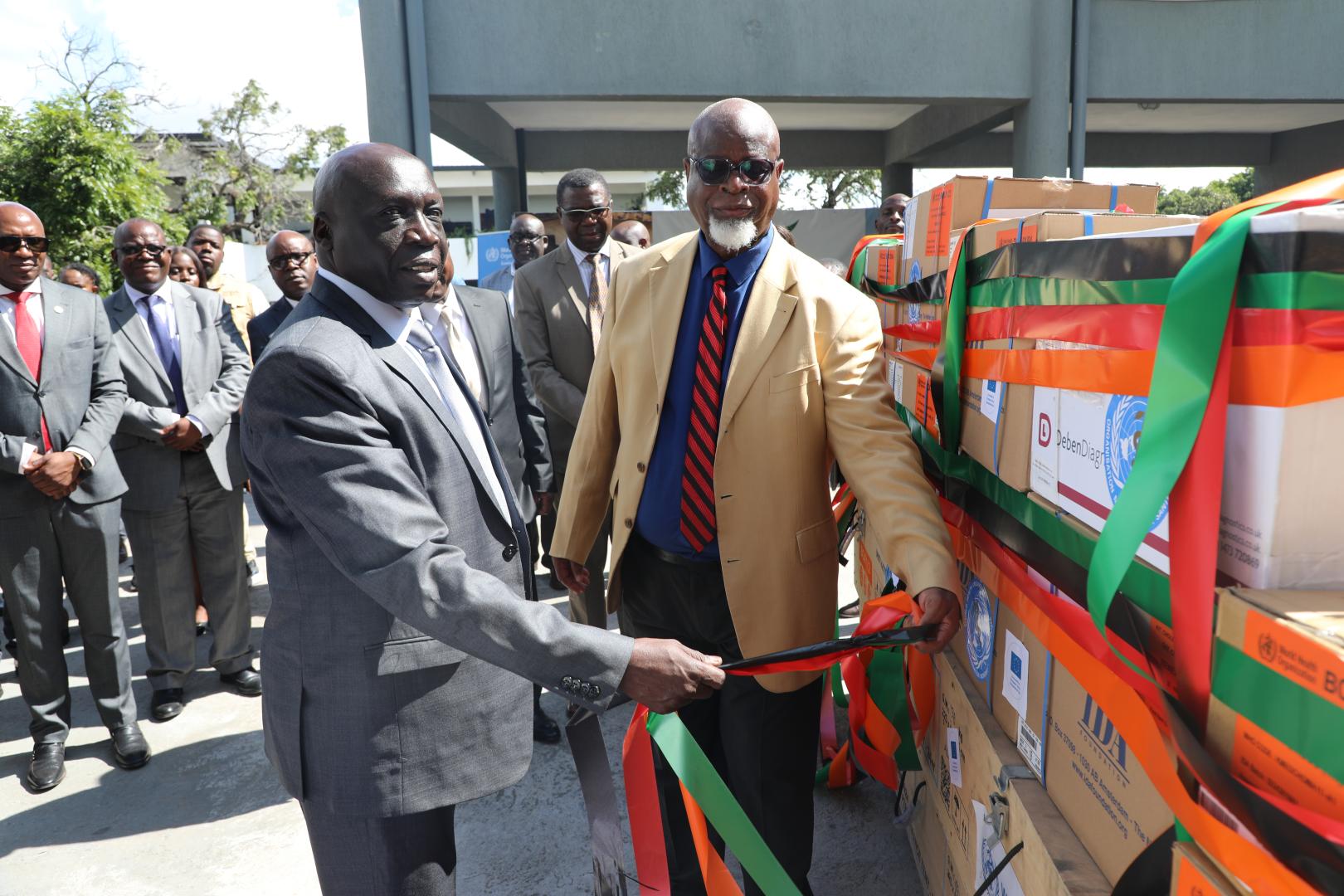
With the generous support of the European Civil Protection and Humanitarian Aid Operations (ECHO), WHO Zambia has handed over critical cholera commodities valued at US$70,000 to the Ministry of Health to support Zambia’s ongoing fight against cholera. The ceremony, held at the Zambia Institute of Public Health (ZNPHI), was officiated by the Hon. Minister of Health, Dr Elijah Muchima.
WHO engages partners to support Uganda’s fight against Ebola disease
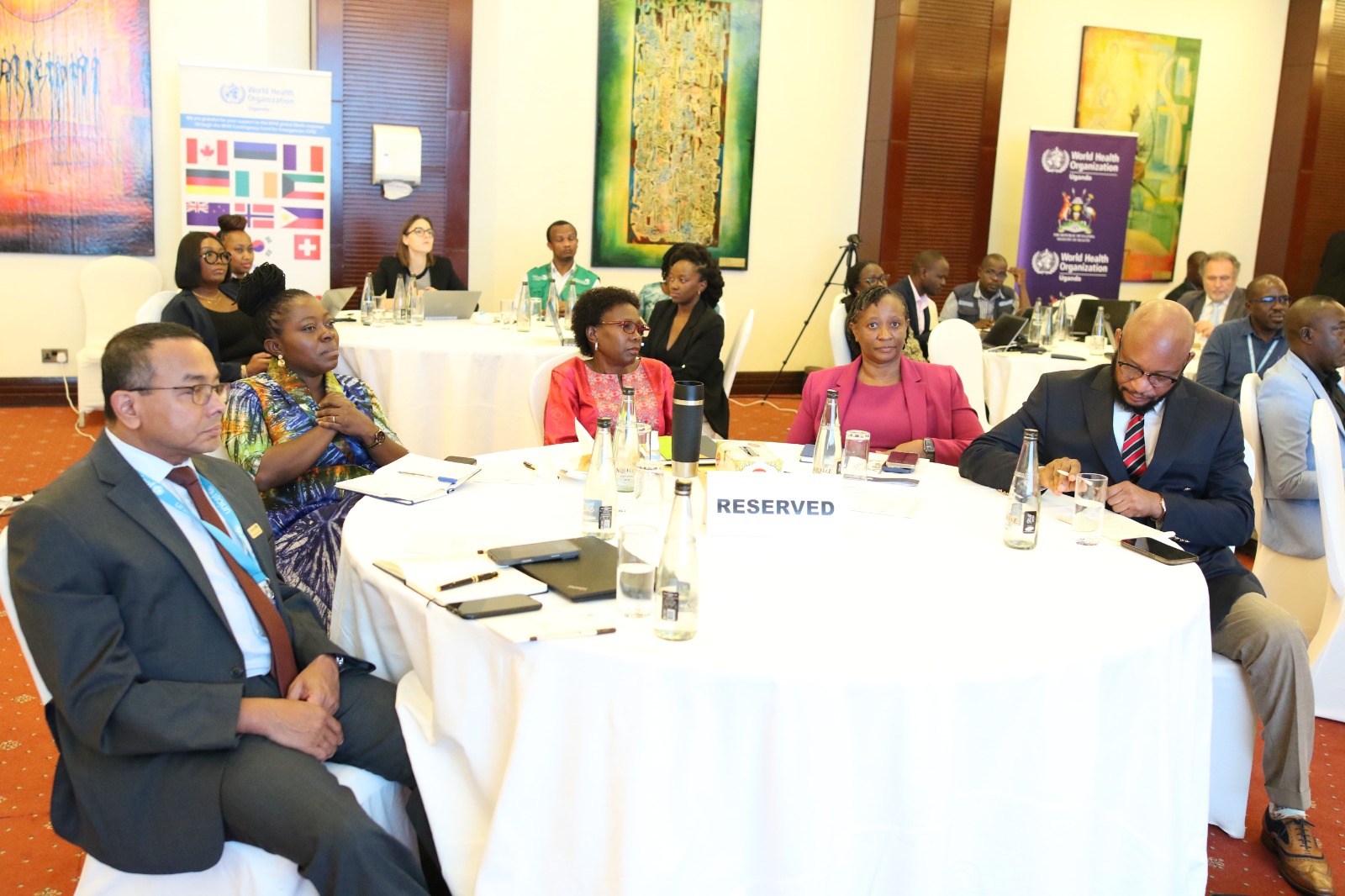
Today marks 35 days of response since Uganda declared an outbreak of Sudan virus disease, from the same family as Ebola virus disease on 30 January 2025. To strengthen coordination and resource mobilization efforts, the Ministry of Health (MoH), with support from the World Health Organization (WHO), organized a strategic partners’ meeting.
Improving access to sexual and reproductive health services in Kenya
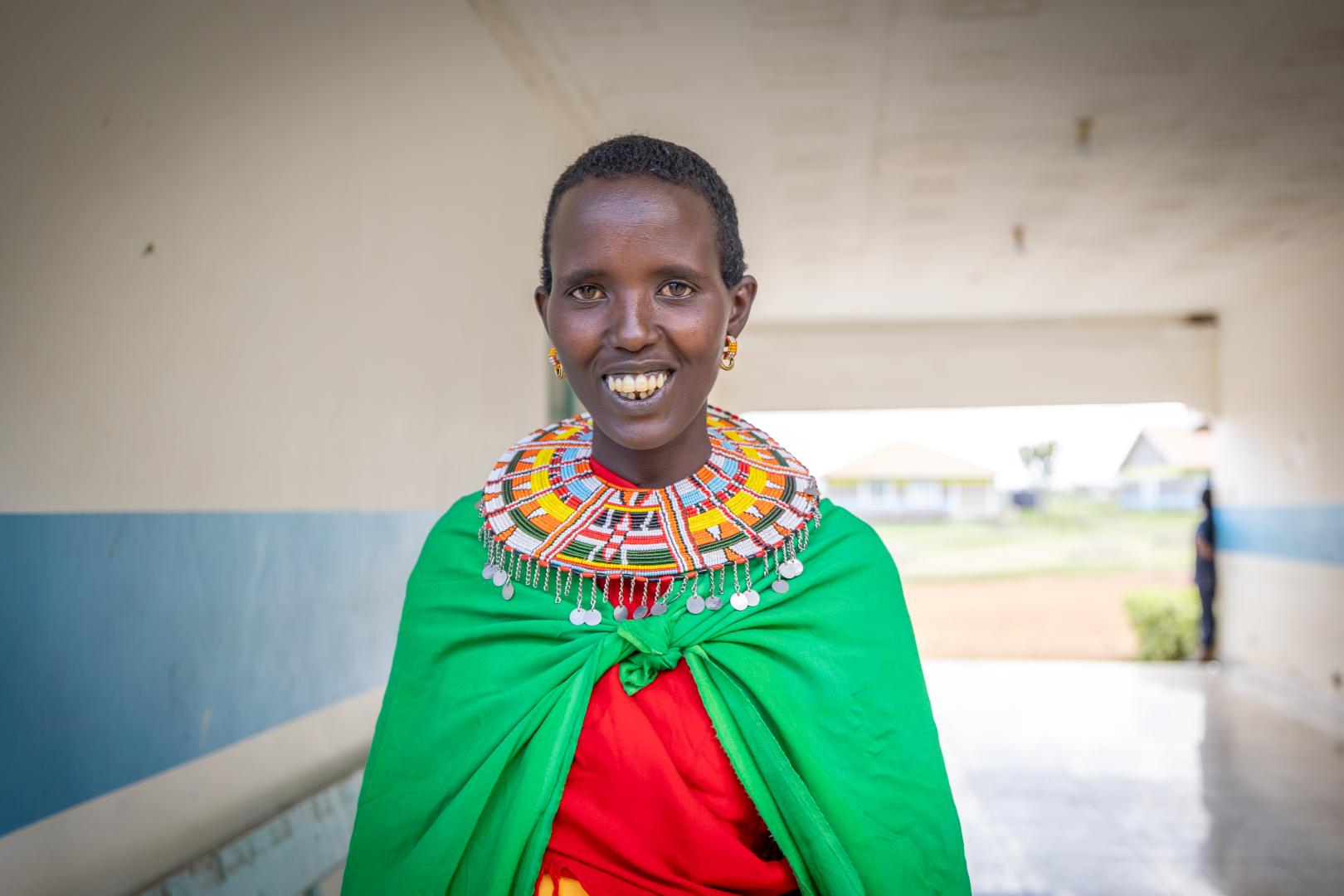
Rumuruti- At just 20 years old, Esther Wamuhu from Laikipia West is determined to rewrite her future. A few years ago, she had to put her education on hold after an unintended pregnancy. Now, she is ready to return to school, finish her secondary education, and pursue her dream of going to university.
But there was one major hurdle - access to affordable family planning.
WHO Country Representative Presents Letters of Credence to Minister of Foreign Affairs
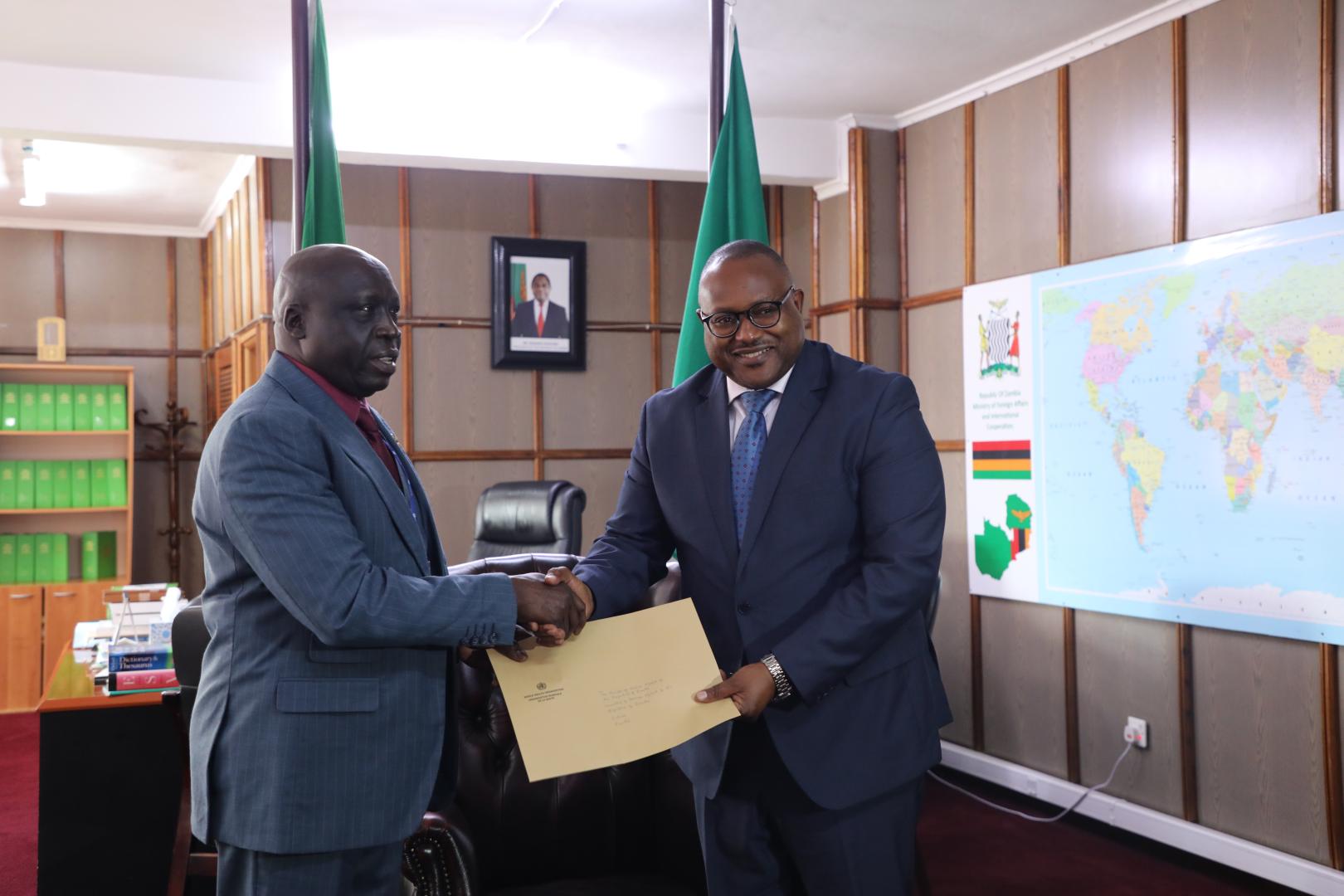
Hon. Mulambo Haimbe, Minister of Foreign Affairs and International Cooperation, has received Letters of Credence from Dr. Clement Peter Lasuba, the newly appointed World Health Organization (WHO) Country Representative to Zambia. This marked the official commencement of Dr. Lasuba’s tour of duty in Zambia and highlighted the beginning of a new chapter in the ongoing collaboration between the WHO and the Republic of Zambia.
WHO and Partners equip Community Health Workers to support Marburg outbreak response in Kagera
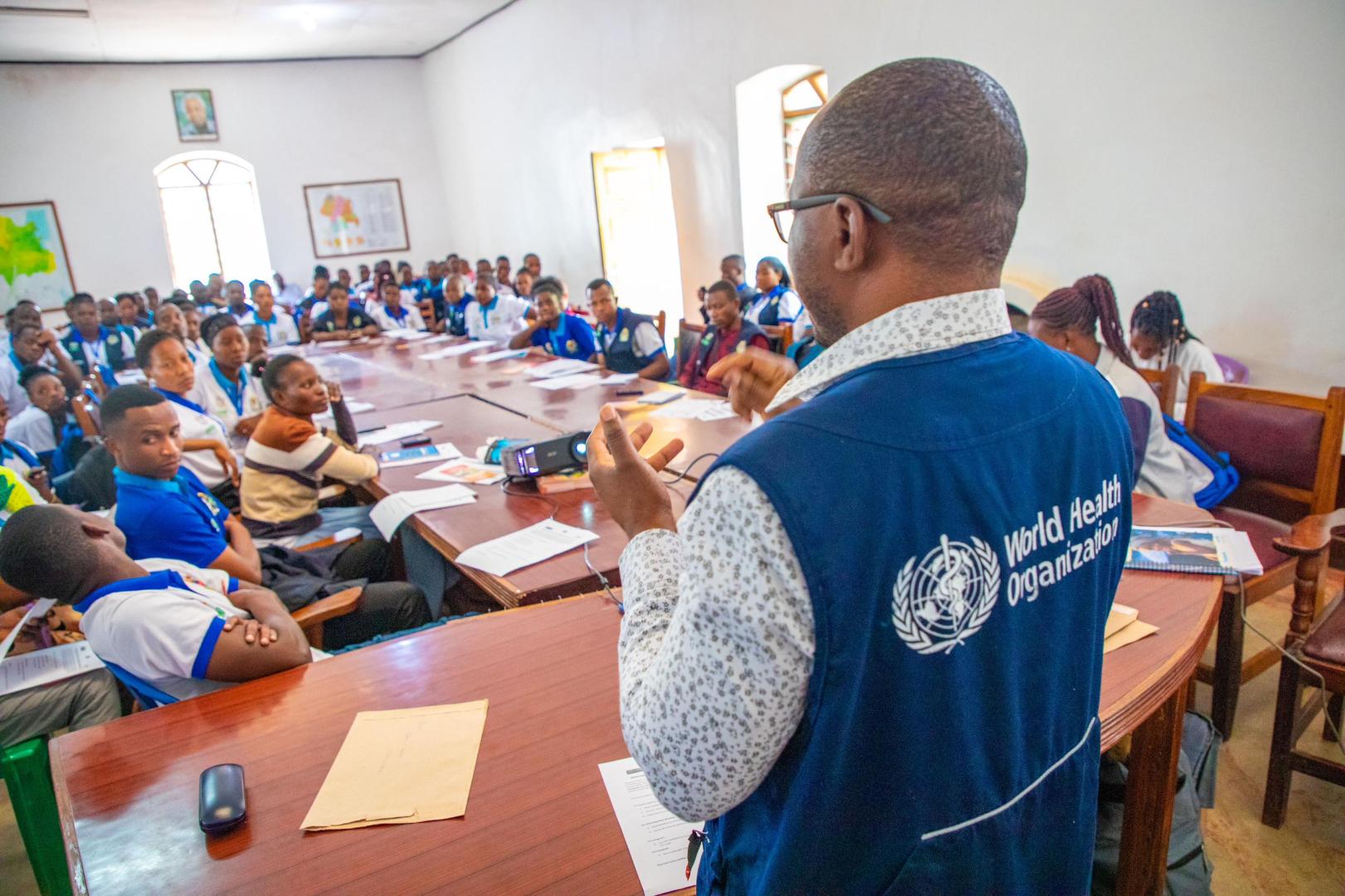
Biharamulo, Kagera – The Tanzanian Ministry of Health, with technical and financial support from the World Health Organization (WHO), Africa Centres for Disease Control and Prevention (Africa CDC), and UNICEF, equipped over 600 community health workers (CHW) with hands-on skills to enhance local capacities in addressing the ongoing Marburg response efforts.
Sustaining efforts to end mpox outbreak in Burundi
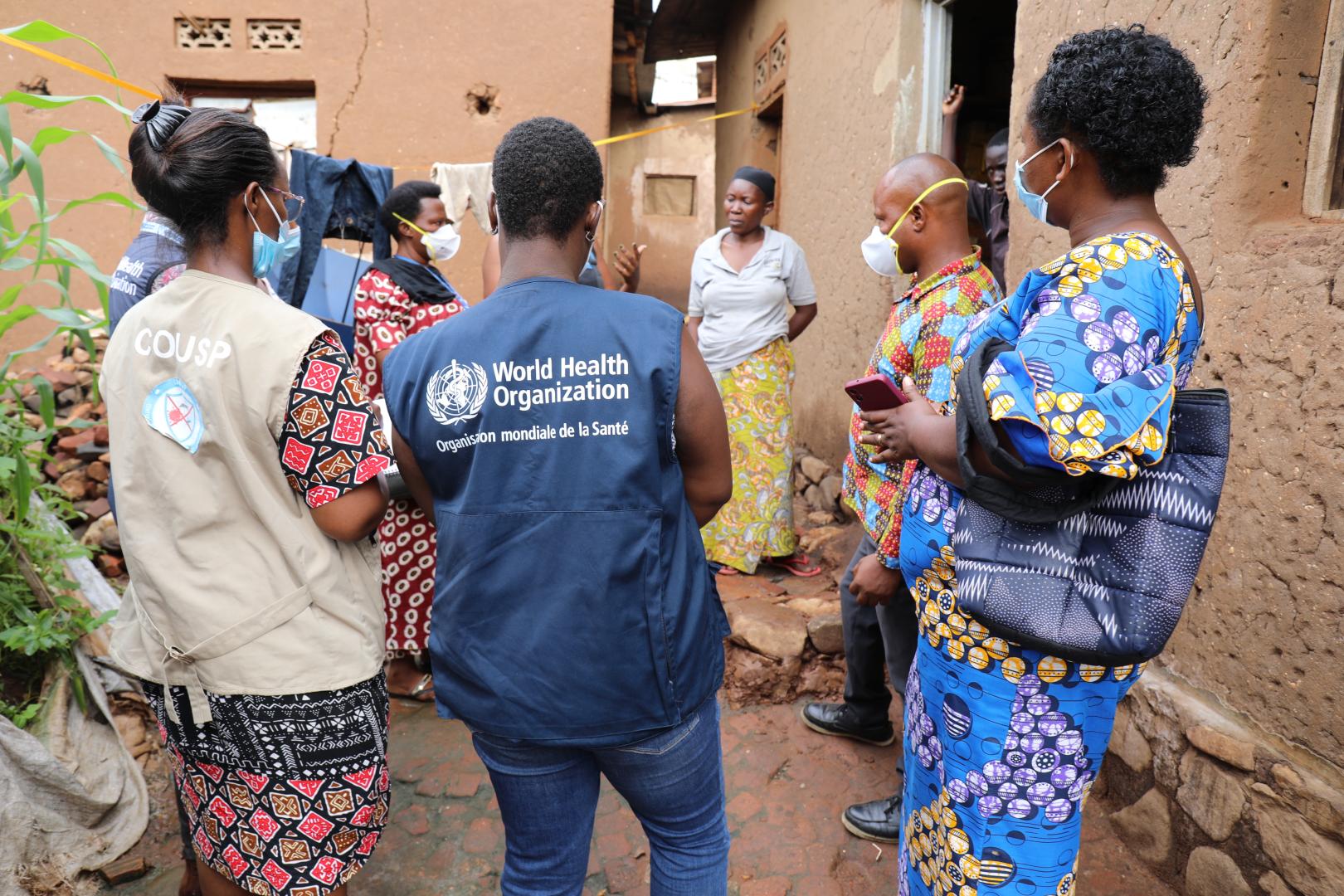
Bujumbura – Since the beginning of 2025, Burundi has recorded fewer mpox cases, with an average of 70 new cases per week during the first nine weeks of the year, as efforts continue to end the outbreak.
In the week ending on 26 February, 21 new cases were confirmed. A reduction of nearly 95% compared with the peak observed in the week of 21 – 27 October 2024 when 222 new cases were reported. Currently 15 of the 49 health districts out are reporting active transmission of the virus, down from 34 in September 2024.
The United Nations in Uganda launches an emergency appeal for Ebola response in Uganda
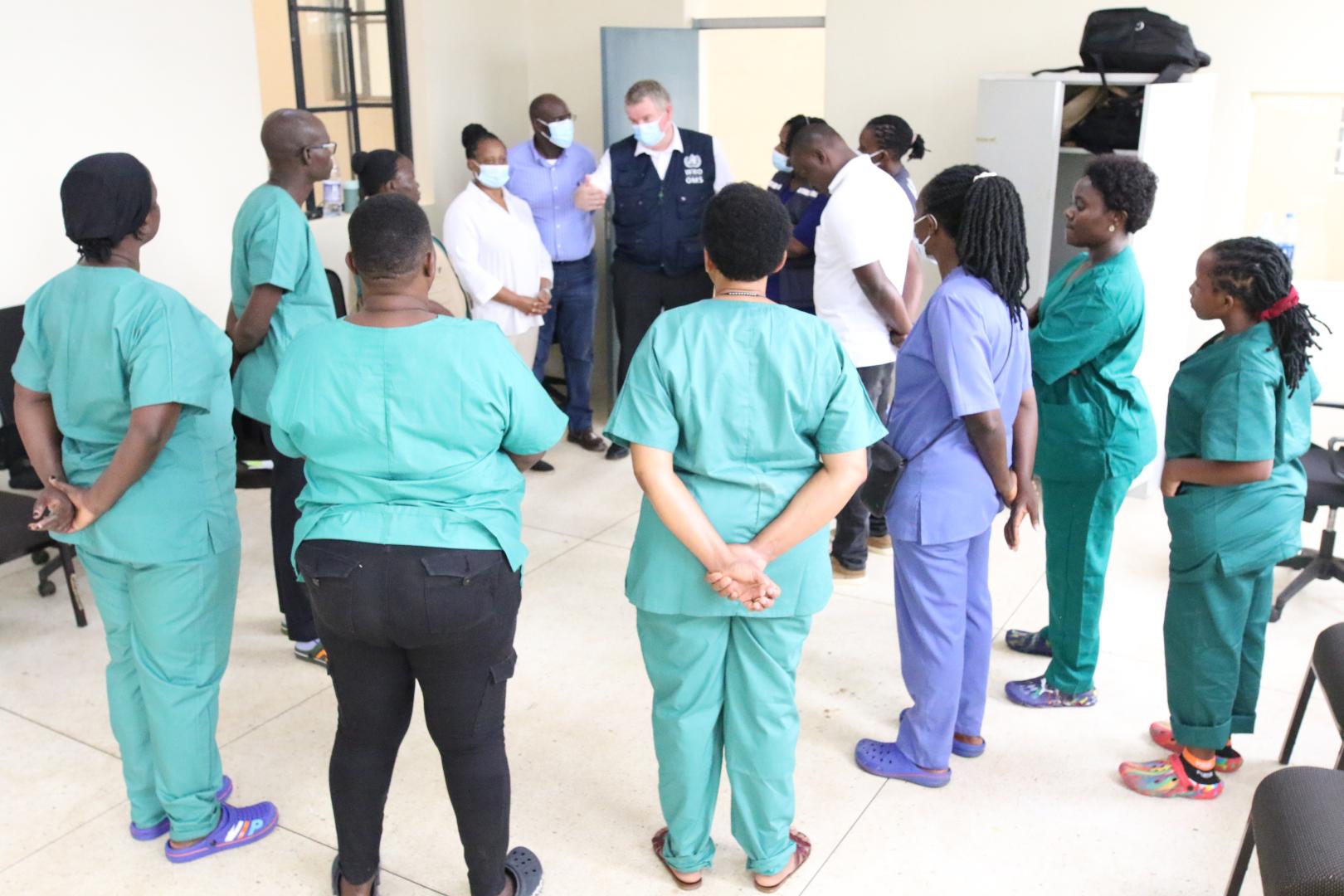
On 3 March 2025, the United Nations (UN) in Uganda launched a USD 11.2 million emergency appeal to support efforts to combat the Sudan Ebolavirus (SVD) outbreak that was detected in the country in January 2025. The appeal is aligned with the government’s three-month response plan on SVD.
WHO and UK Government Join Forces to Fight Marburg Outbreak in Tanzania
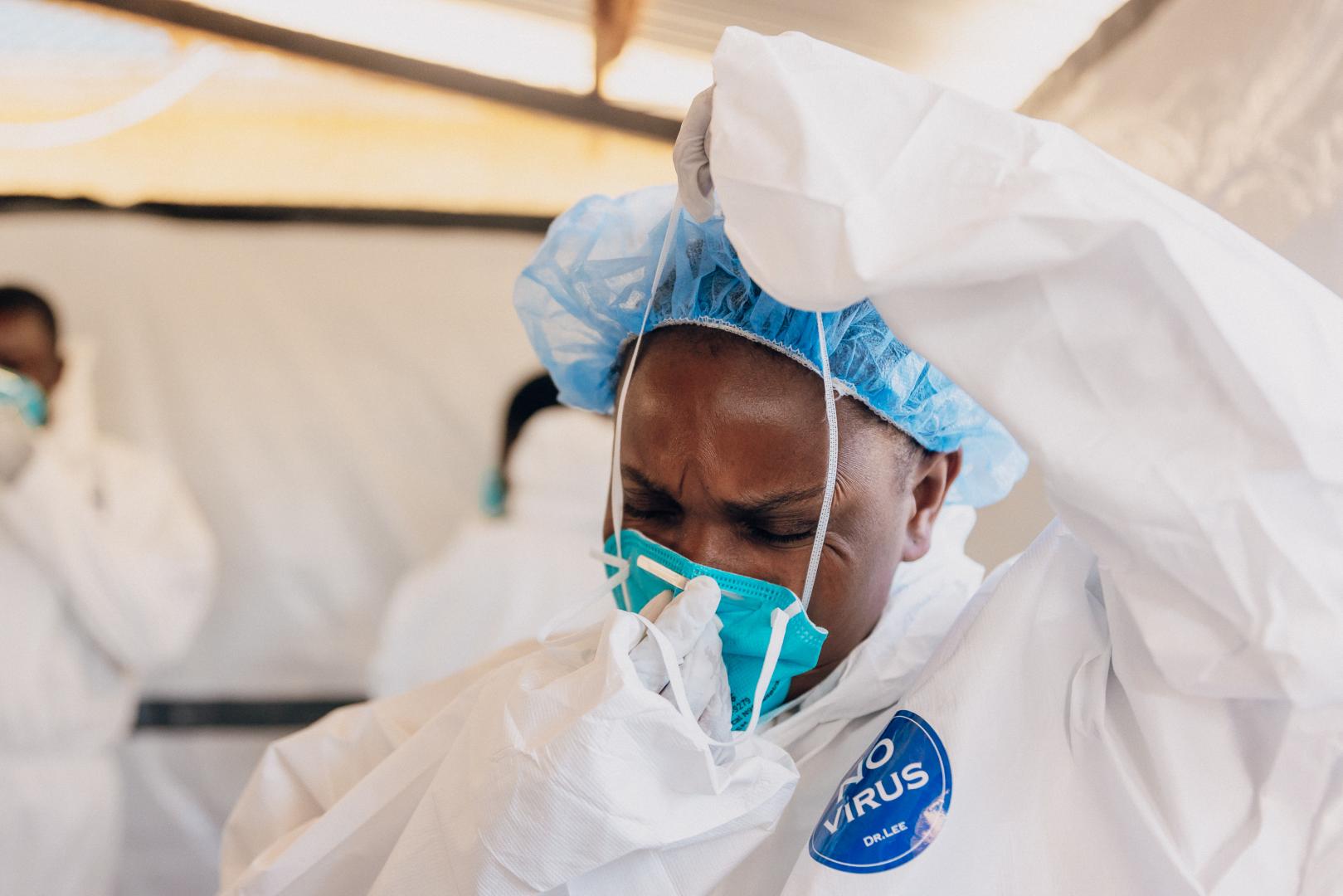
Dar es Salaam: The World Health Organization (WHO) has received £200,000 in funding from the UK’s Foreign, Commonwealth, and Development Office (FCDO) to support efforts in fighting the ongoing Marburg outbreak in Tanzania. This collaboration will significantly enhance the continuing response to the outbreak in the Kagera region and strengthen preparedness efforts across 13 other high-risk regions in the country.
Botswana strengthens HIV Testing Systems with new integrated guidelines
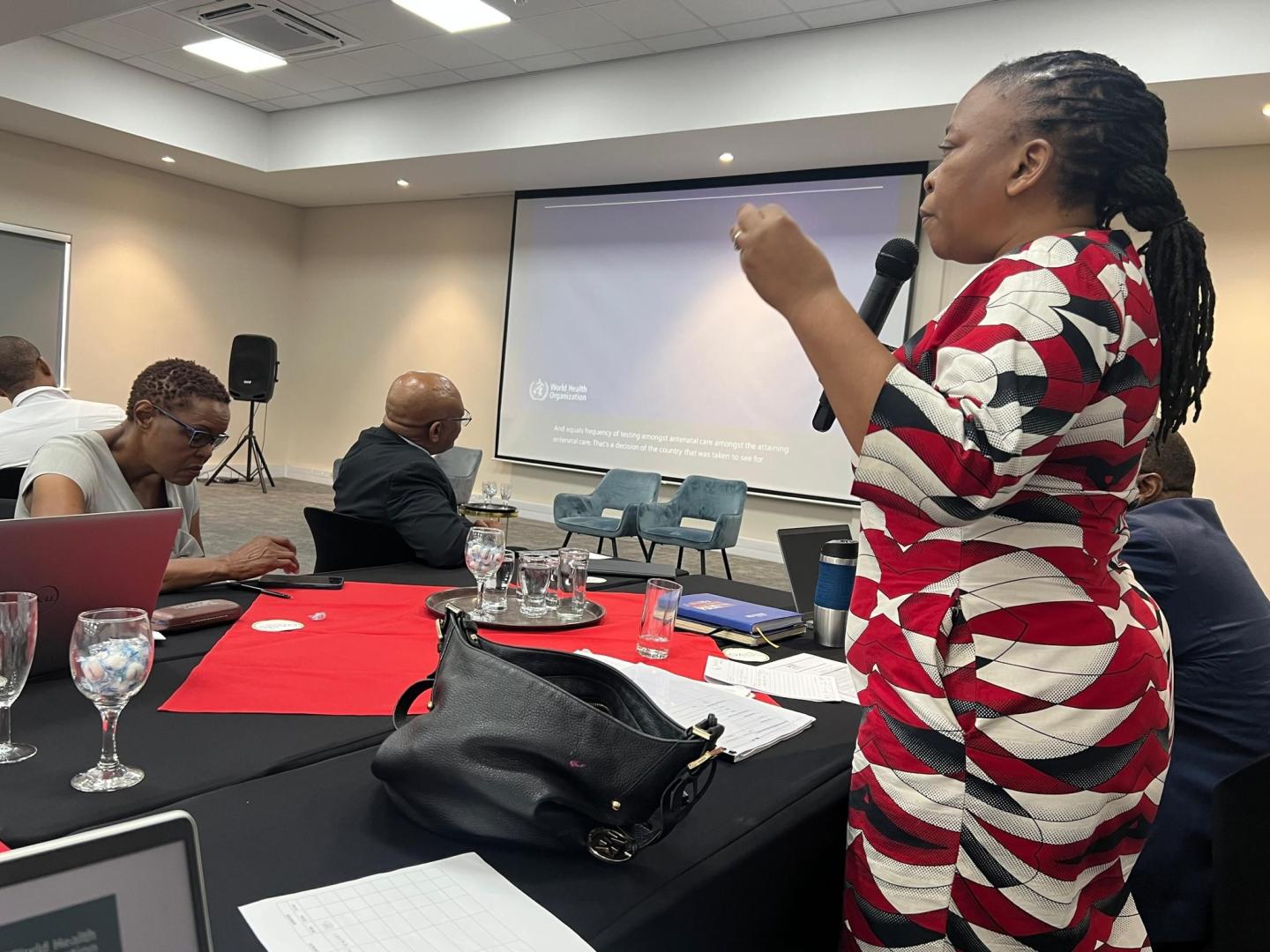
Botswana continues to lead in the global fight against HIV/AIDS, taking a bold step forward with the finalization of its Integrated HIV Testing Services (HTS) Guidelines. This development was marked by a high-level workshop held in Gaborone, bringing together key stakeholders including the Ministry of Health, the World Health Organization (WHO), and development partners.