
New WHO Representative in Angola Presents Diplomatic Credentials
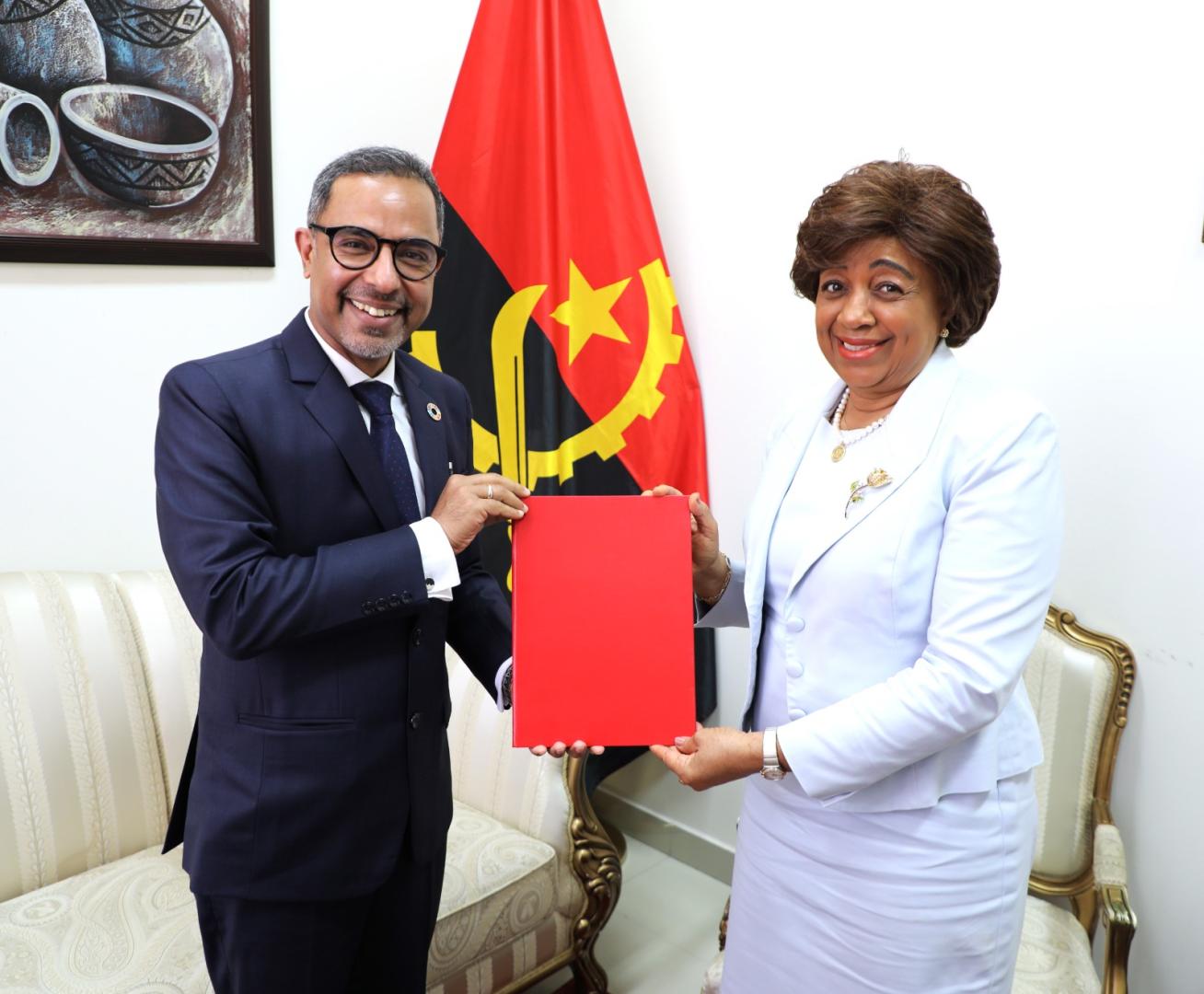
The World Health Organization (WHO) has announced the presentation of diplomatic credentials by Dr. Indrajit Hazarika, the newly appointed WHO Representative in Angola. Dr. Hazarika brings a wealth of experience in global health, strategic planning, and health system transformation, having previously held various positions at WHO and other international health organizations.
Uganda launches largest malaria vaccine introduction to date
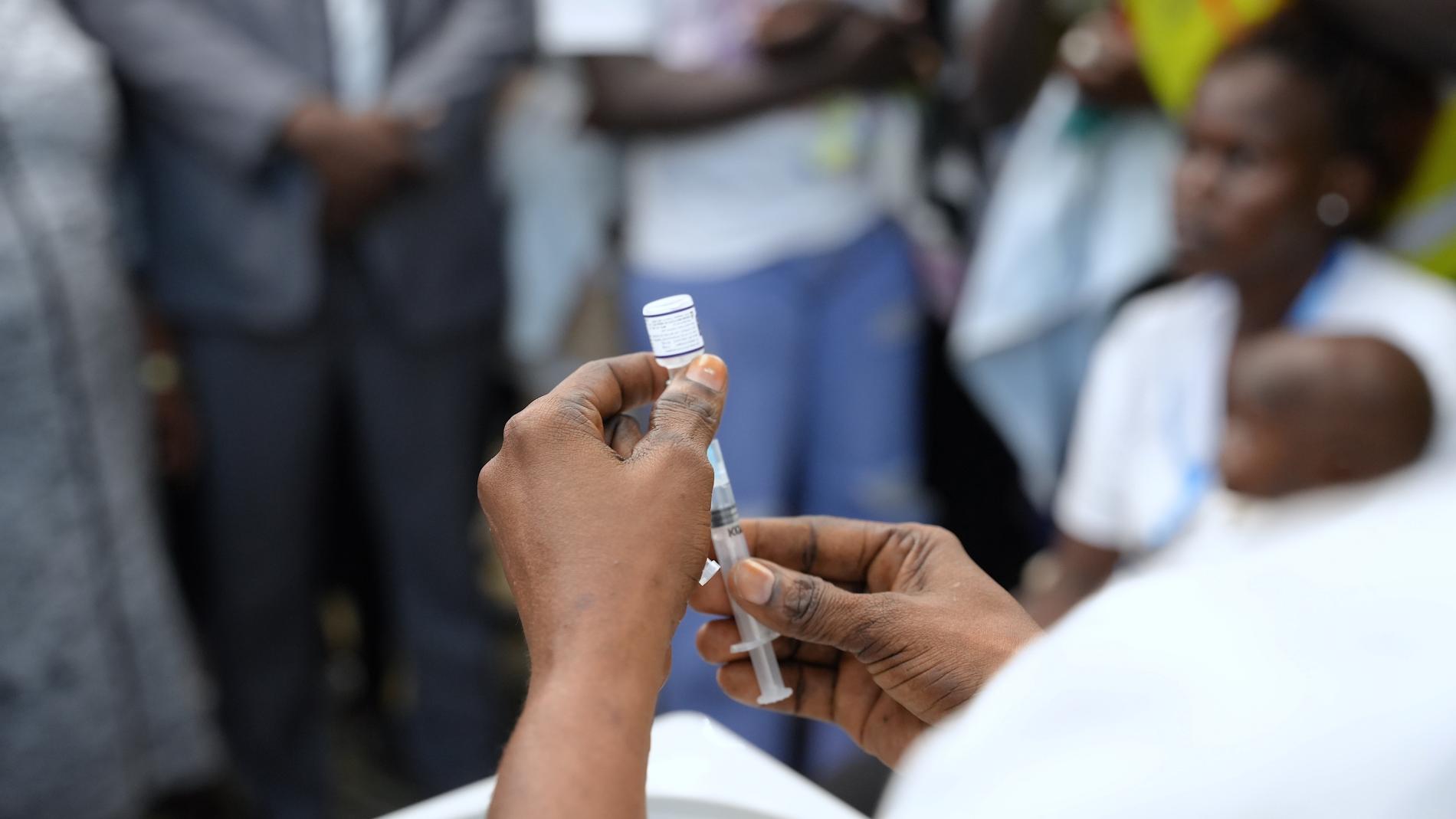
Apac, Uganda – Today, Uganda’s Ministry of Health, with support from Gavi, the Vaccine Alliance (Gavi) and alliance partners, UNICEF, the World Health Organization (WHO), PATH and CHAI rolled out a malaria vaccination campaign in Apac District, northern Uganda. This makes Uganda the 19th country in Africa to introduce the malaria vaccine into routine immunisation and it is the largest vaccine rollout to date in terms of target districts and population.
Newsletter
Sign up to our newsletter
Stay informed and sign up for WHO Mozambique’s quarterly newsletter to explore the dedicated and comprehensive efforts made each quarter to strengthen the country’s health sector. Don’t miss out—subscribe today!
Angola Reinforces Commitment to Maternal and Child Health
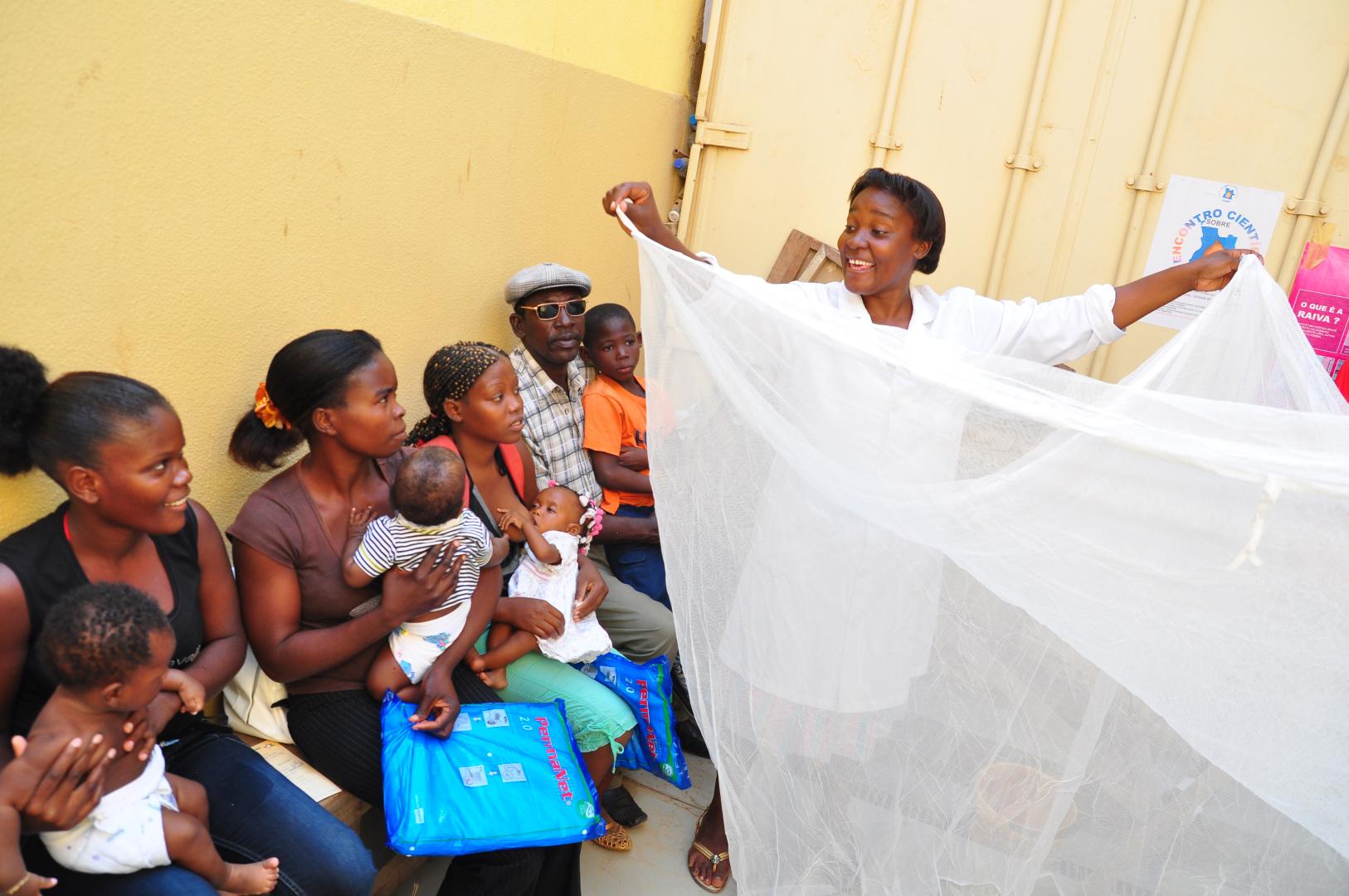
The health of women, children, and adolescents is a cornerstone of Angola’s national priorities, enshrined in the Constitution of the Republic of Angola. In a significant move to bolster this commitment, the Angolan government, with the support of the World Health Organization (WHO) and other partners, has updated and validated the Integrated Strategic Plan for Sexual Reproductive, Maternal, Neonatal, Child, Adolescent, and Nutrition Health (SRMNIA-N).
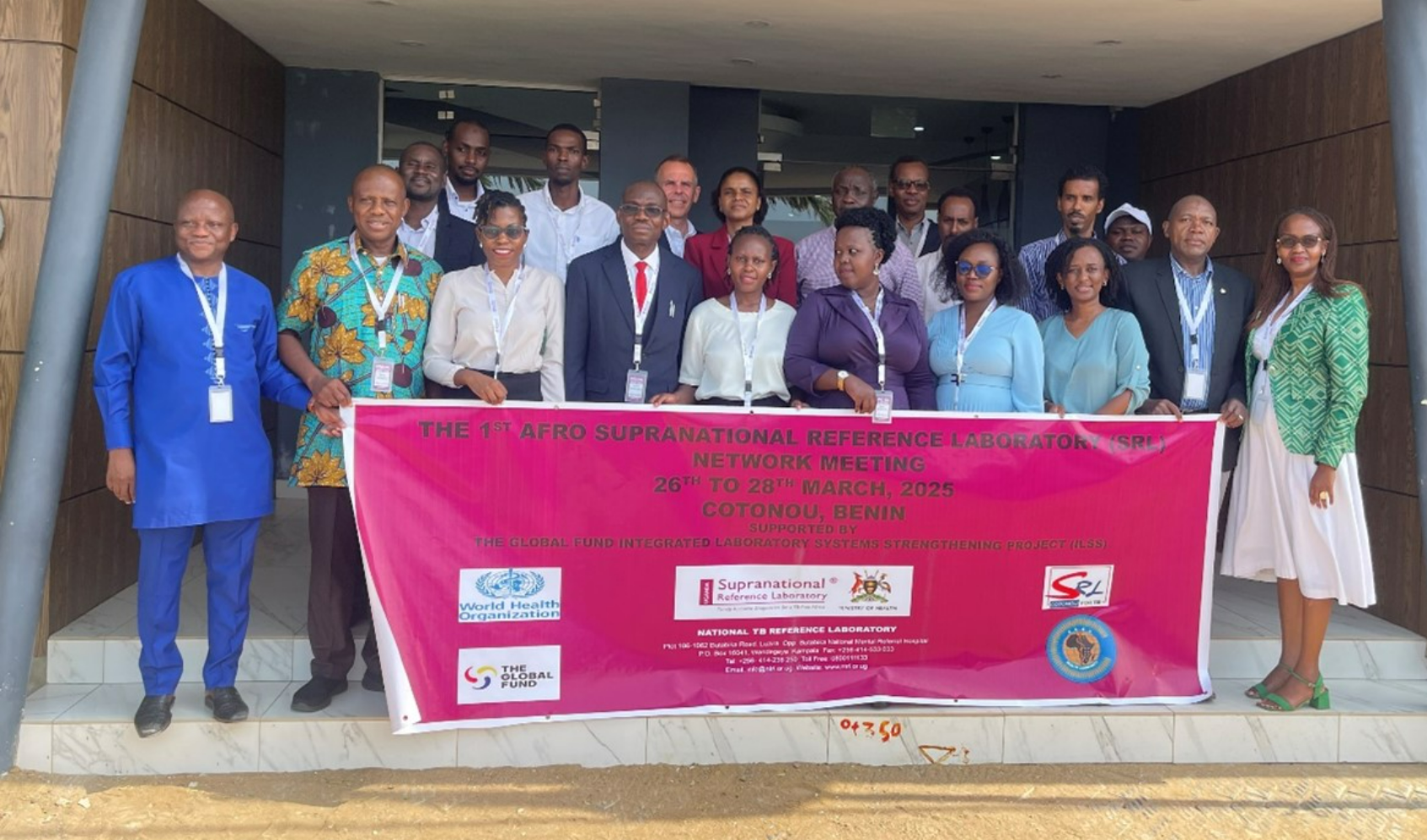
Towards an African synergy to better diagnose tuberculosis
WHO and Partners Advance Healthcare Training in Ghana Through Managed Education Partnership
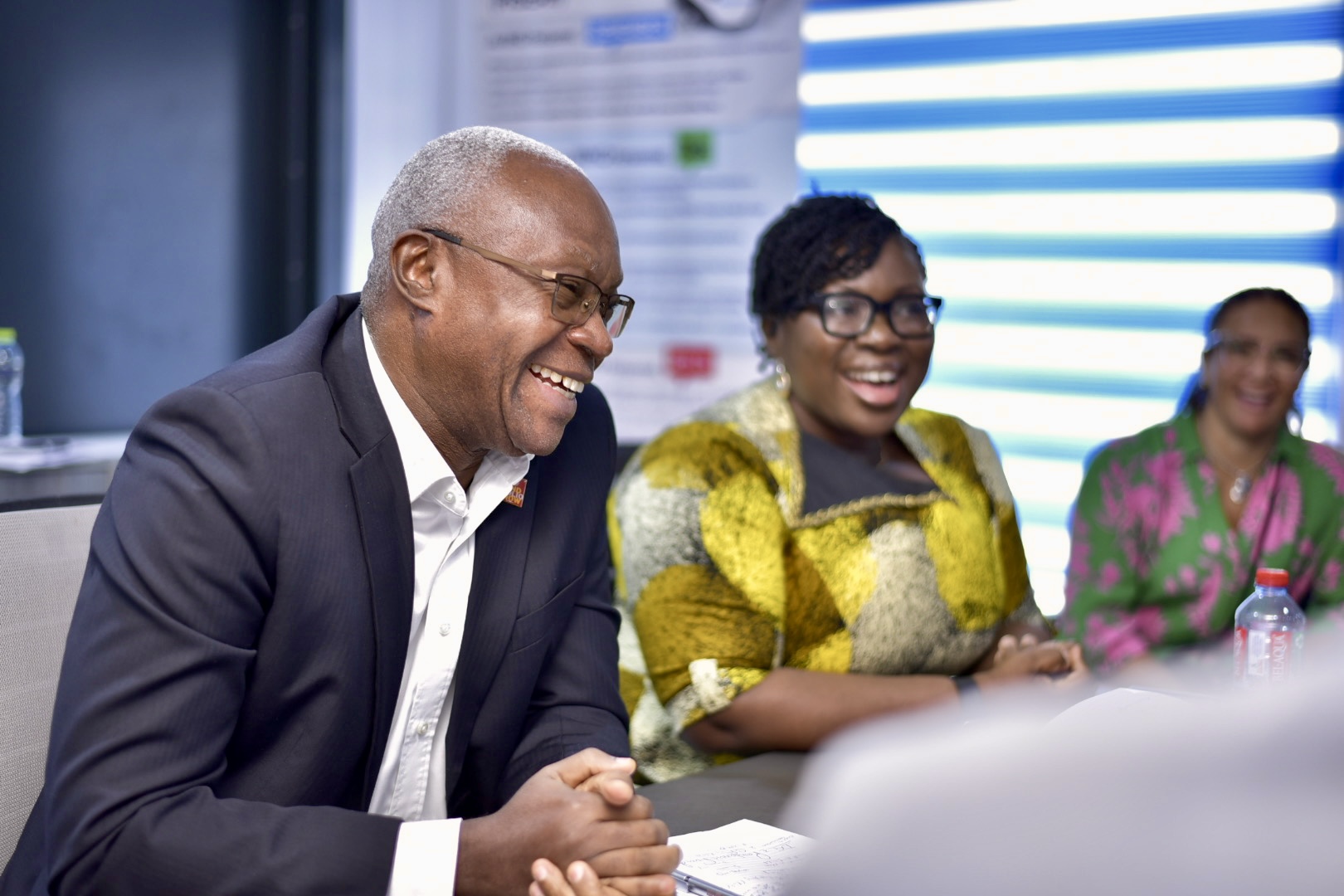
From March 10–14, 2025, a team from NHS England was in Ghana for a Managed Education Partnership (MEP) scoping mission. In collaboration with the Mental Health Authority (MHA), World Health Organization (WHO) Ghana, and the United Kingdom Foreign, Commonwealth & Development Office (UKFCDO), the mission aimed to decentralize healthcare training beyond Accra and Kumasi, enhance service delivery, and improve Ghana’s health outcomes.
Strengthening Liberia’s Laboratory Capacity for Detection and Control of Epidemic-Prone Diseases
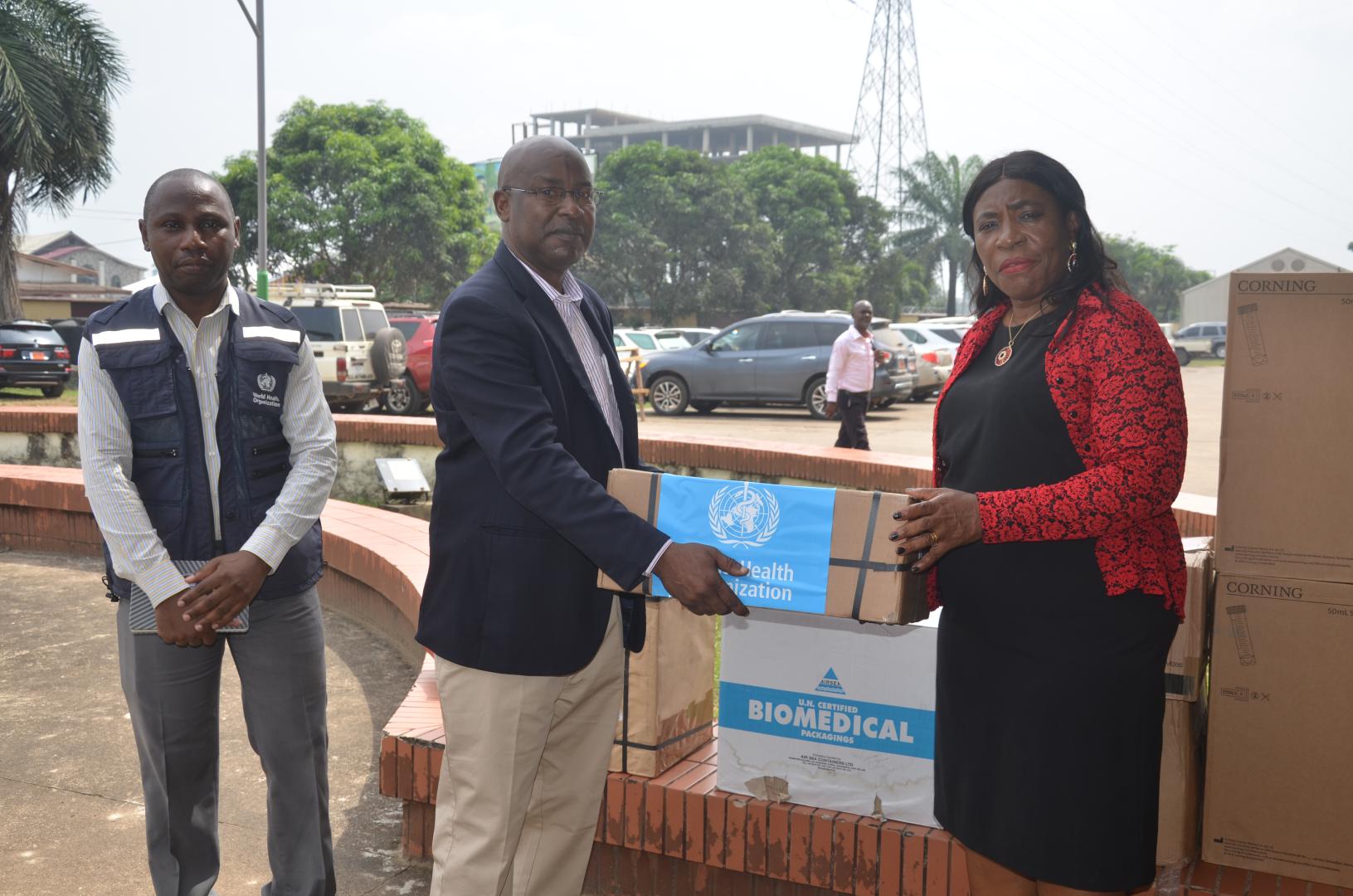
On March 24, 2025, the World Health Organization (WHO) delivered essential laboratory supplies and advanced equipment to the Ministry of Health in Liberia. This pivotal contribution is set to strengthen the National Public Health Reference Laboratory as a center for genomic surveillance and bioinformatics, enhancing the testing and confirmation of epidemic-prone diseases.
Sierra Leone conducts comprehensive Health Information System Functionality Assessments to strengthen data-driven decision-making
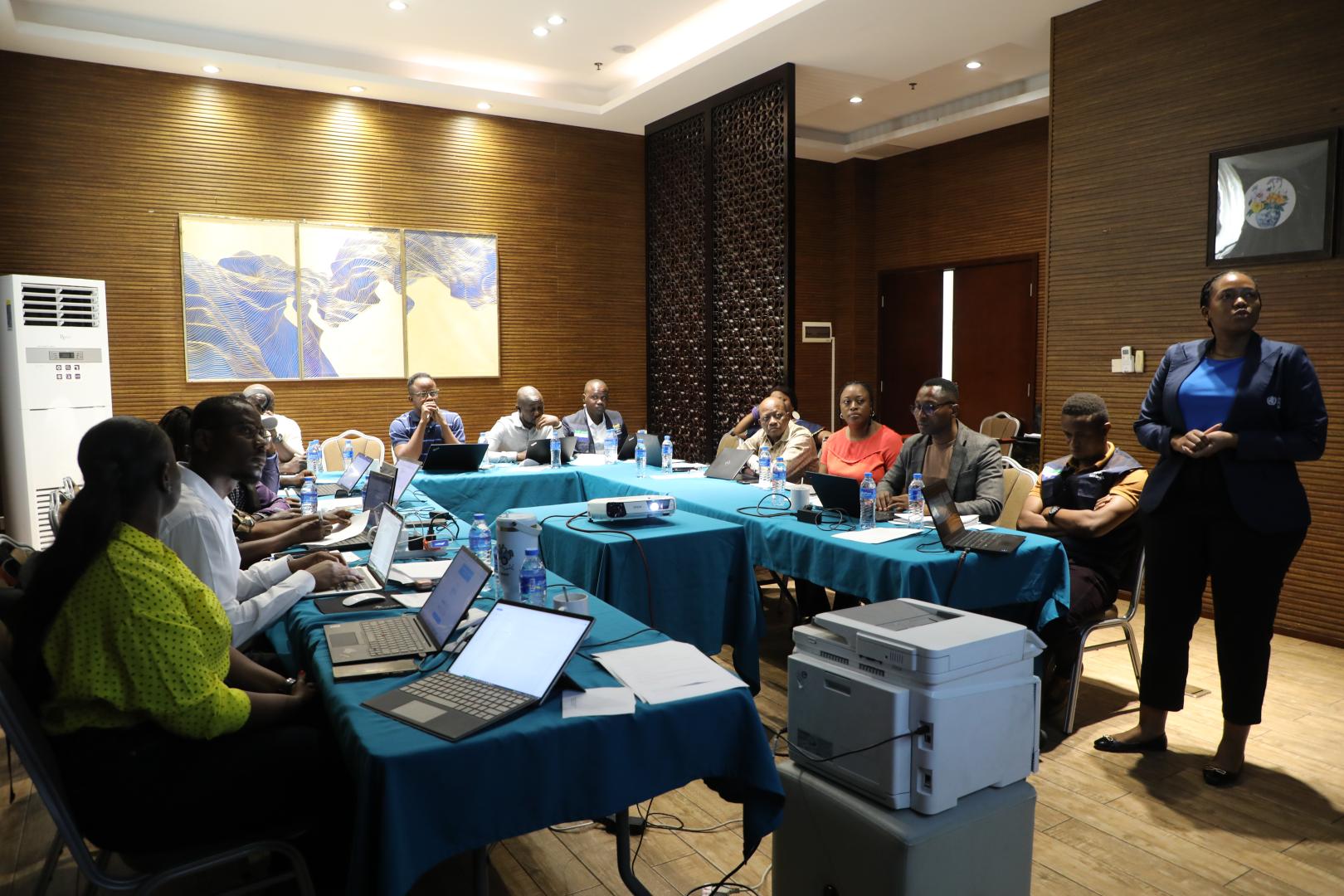
Freetown, Sierra Leone – March 2025 – The Government of Sierra Leone, through the Ministry of Health’s Directorate of Policy, Planning, and Information, successfully conducted two critical assessments to evaluate and strengthen the country’s Health Information System (HIS). Held from 26 to 28 March 2025 at the Lumley Atlantic Hotel Conference Room in Freetown, the assessments were supported technically by the World Health Organization (WHO) Country Office and financially by the WHO Regional Office for Africa (WHO-AFRO).
Enhancing Liberia’s Emergency Obstetric and Newborn Care (EmONC) to prevent maternal and newborn deaths
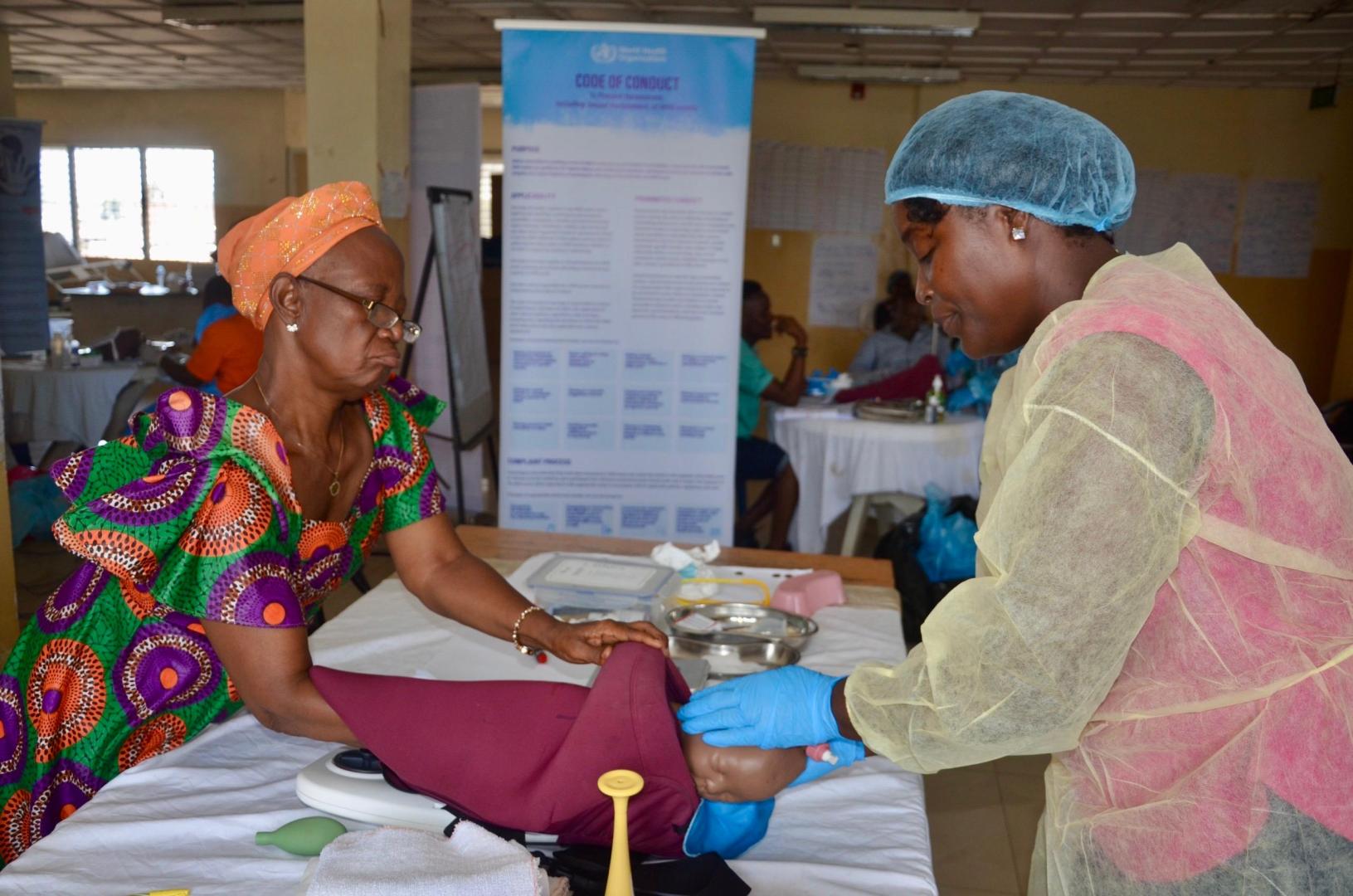
Liberia has made progress in reducing maternal mortality from 1072 deaths per 100 000 live births in 2013 to 742 by 2020. However, the country still has one of the region's highest maternal mortality burdens. Limited access to quality obstetric care is a key factor contributing to the high maternal and newborn deaths. To tackle this challenge, the country has set to attain improved access by ensuring the availability of five basic EmONC (BEmONC) facilities and one comprehensive EMONC (CEmONC) facility per 200 000 populations.