Sierra Leone advances health security with development of second National Action Plan (NAPHS 2025–2029)
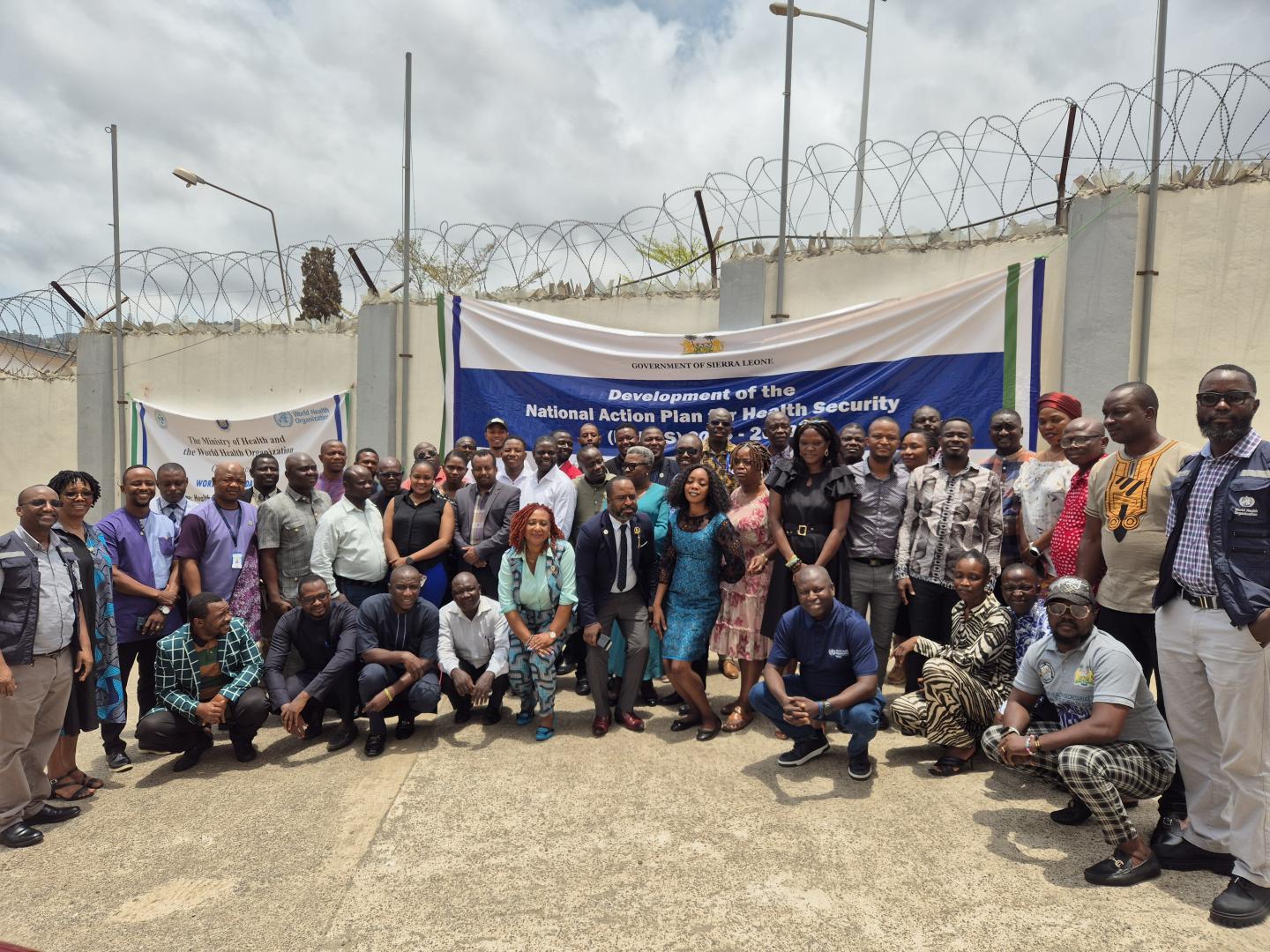
Freetown, Sierra Leone – Sierra Leone moved a step further in strengthening the national health security system with the validation of the second National Action Plan for Health Security (NAPHS) 2025–2029. The multi-year strategic plan, developed through multi-sectoral engagement and with support from the World Health Organization (WHO), aims to enhance the country’s capacity to prevent, detect, and respond to public health emergencies.
Ethiopia Reignites its Big Catch-up Program: Close to 1Million Zero Dose Children Vaccinated
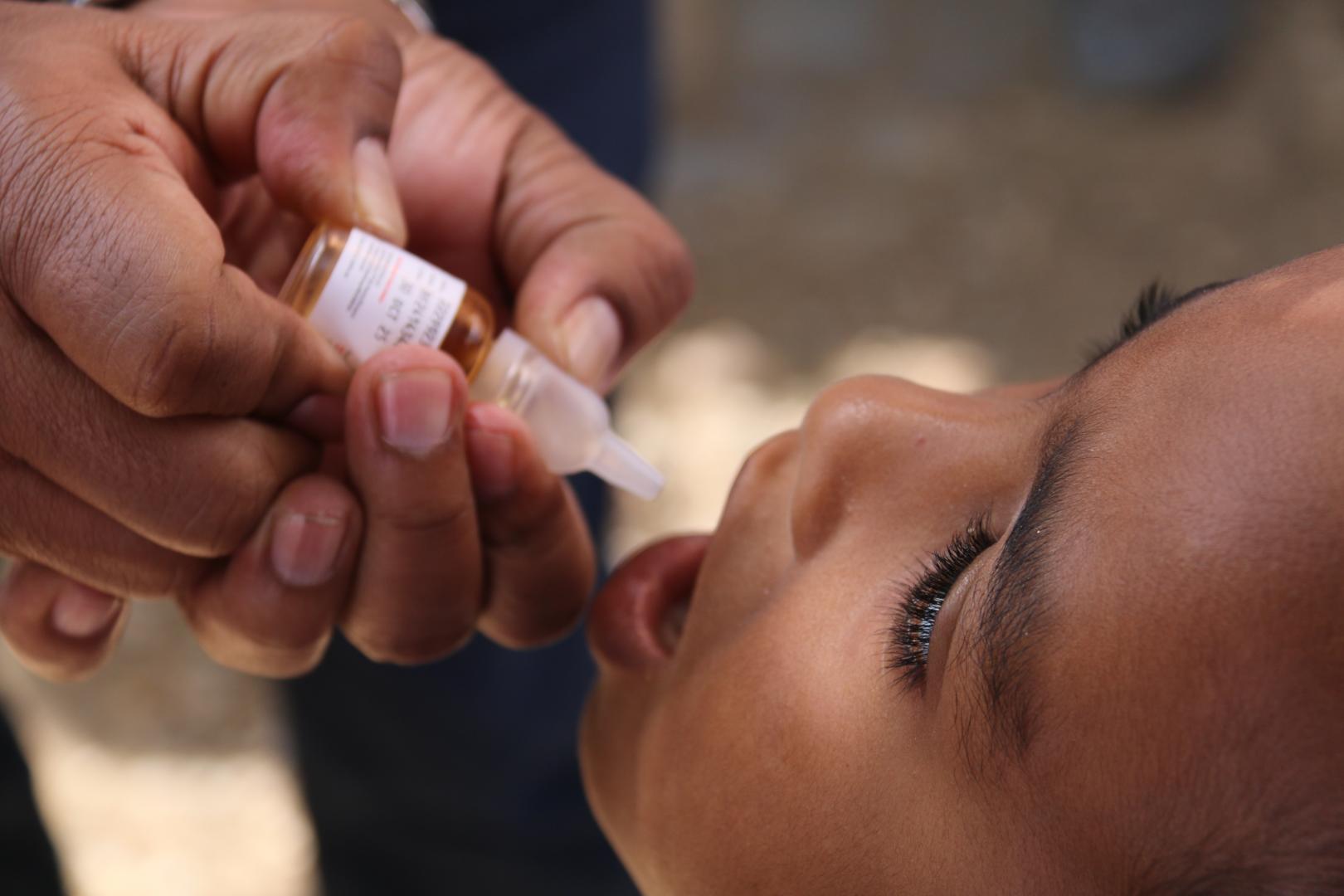
Ethiopia has made notable progress in its efforts to reduce the number of zero-dose (ZD) children, these are children who have not received any routine vaccinations. As of April 8, 2025, the country has reached 958,725 children, representing 24% of the estimated 3.9 million zero-dose children nationwide. This marks a significant increase from 16% coverage in December 2024, with nearly 100,000 children vaccinated in just the past two months.
New WHO report highlights progress in the fight against severe chronic diseases
World health day 2025: Putting mothers and newborns first in Kajiado, Kenya
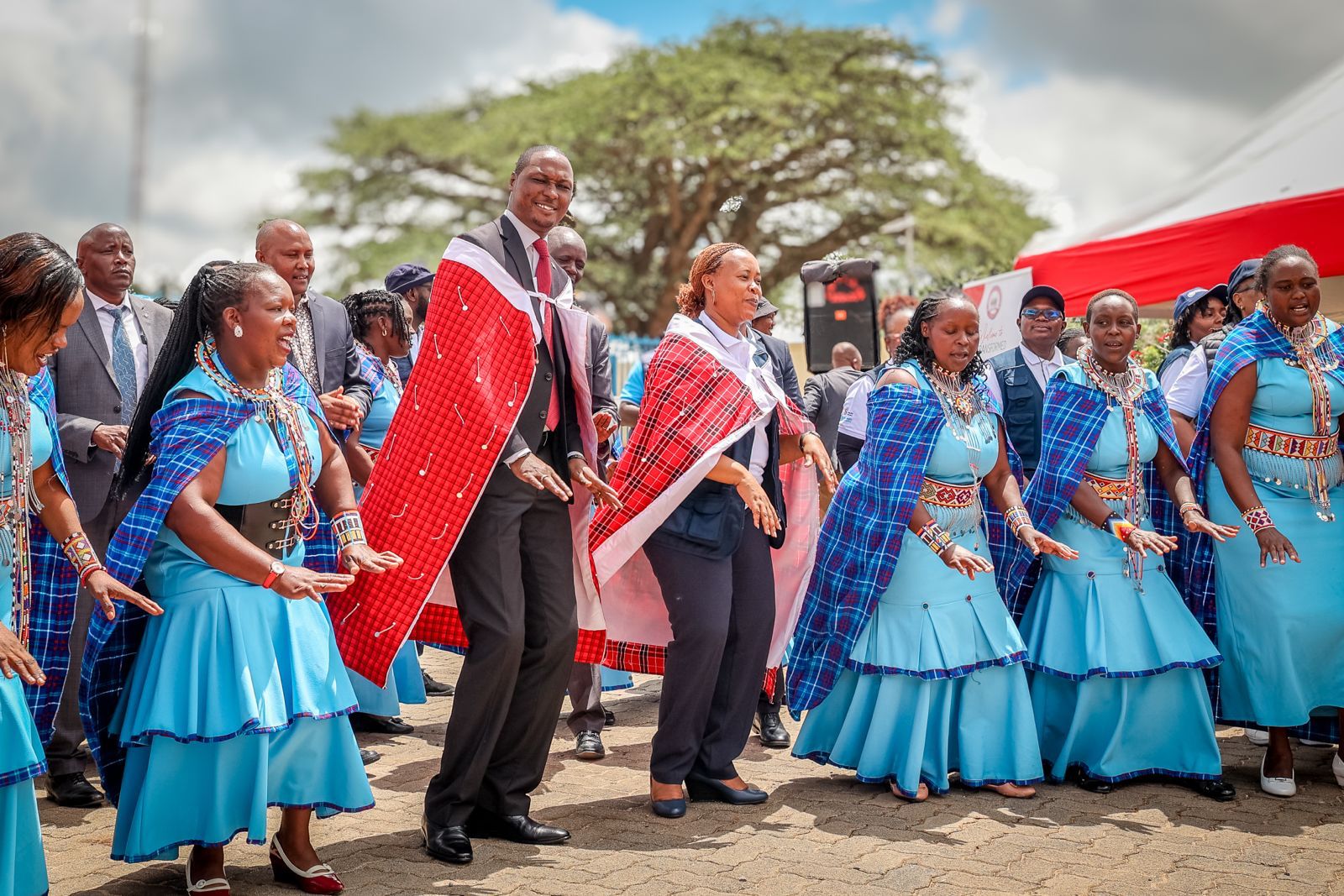
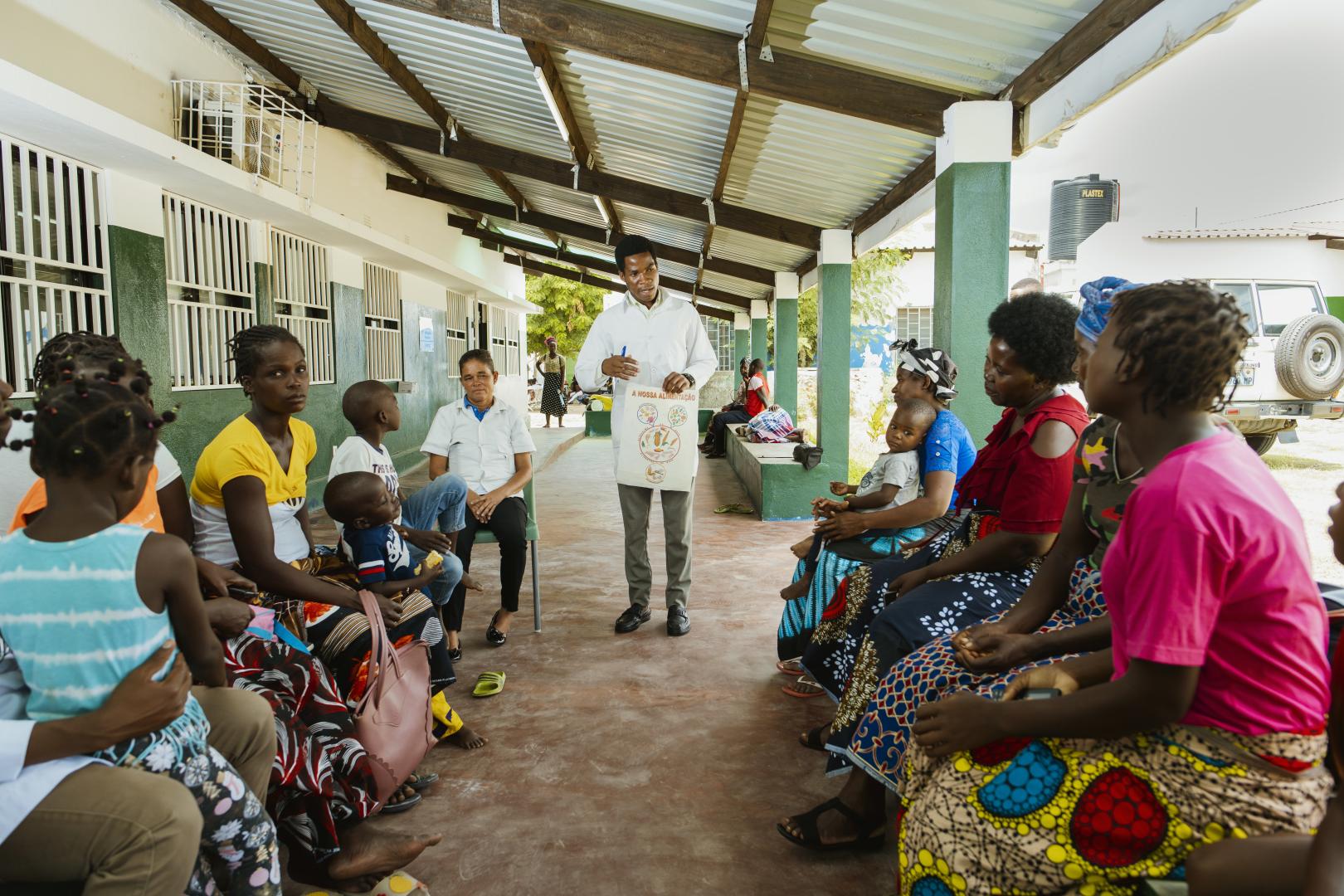
Kajiado County—WHO Kenya joined hands with the Ministry of Health, Kajiado County leaders, health partners, and community members to mark World Health Day. The theme for this year is "Healthy Beginnings, Hopeful Futures", focusing on efforts to end preventable maternal and newborn deaths and prioritizing women’s long term health and wellbeing.
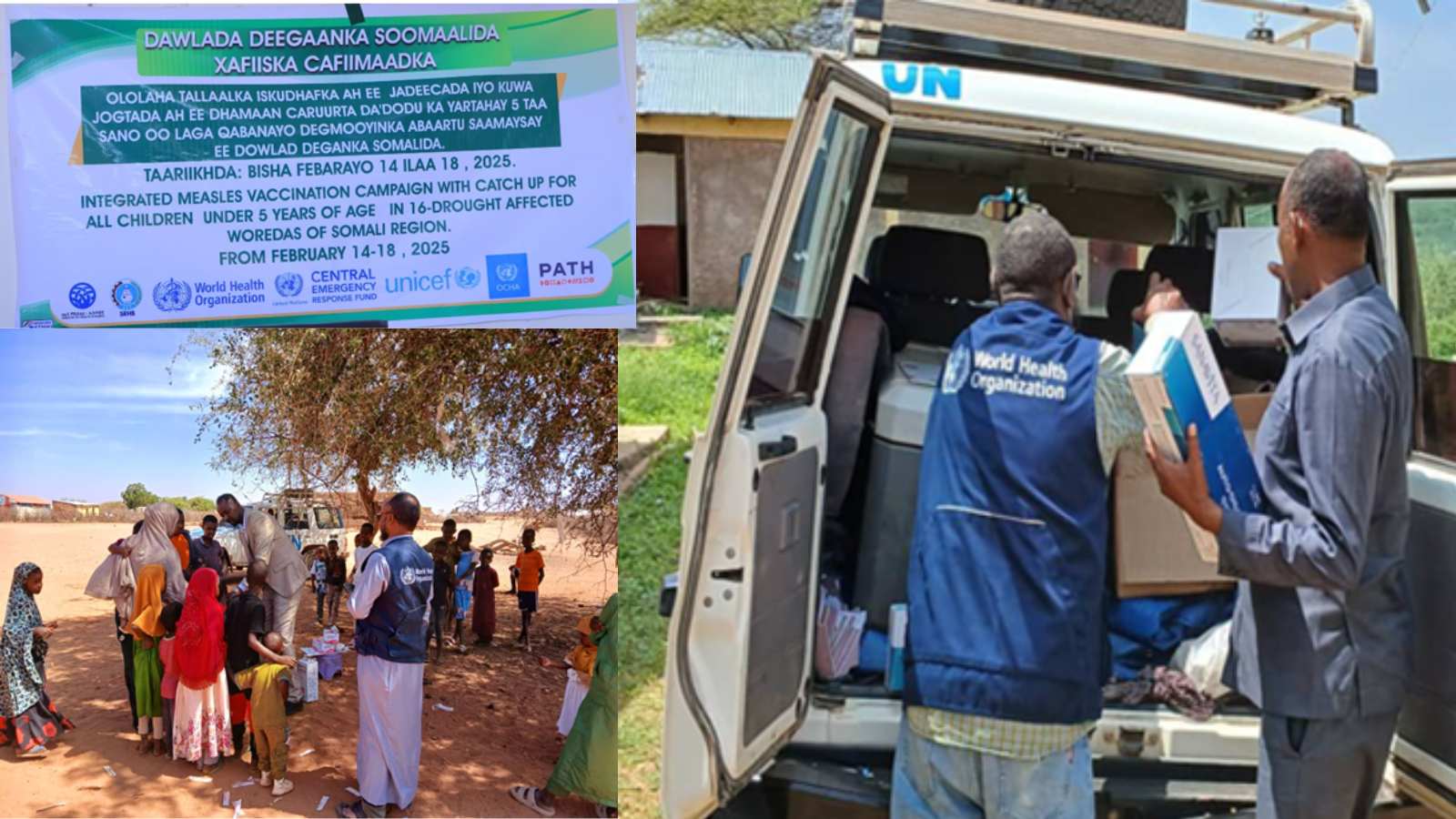
Reducing measles outbreak risk in 38 drought-affected districts in Ethiopia
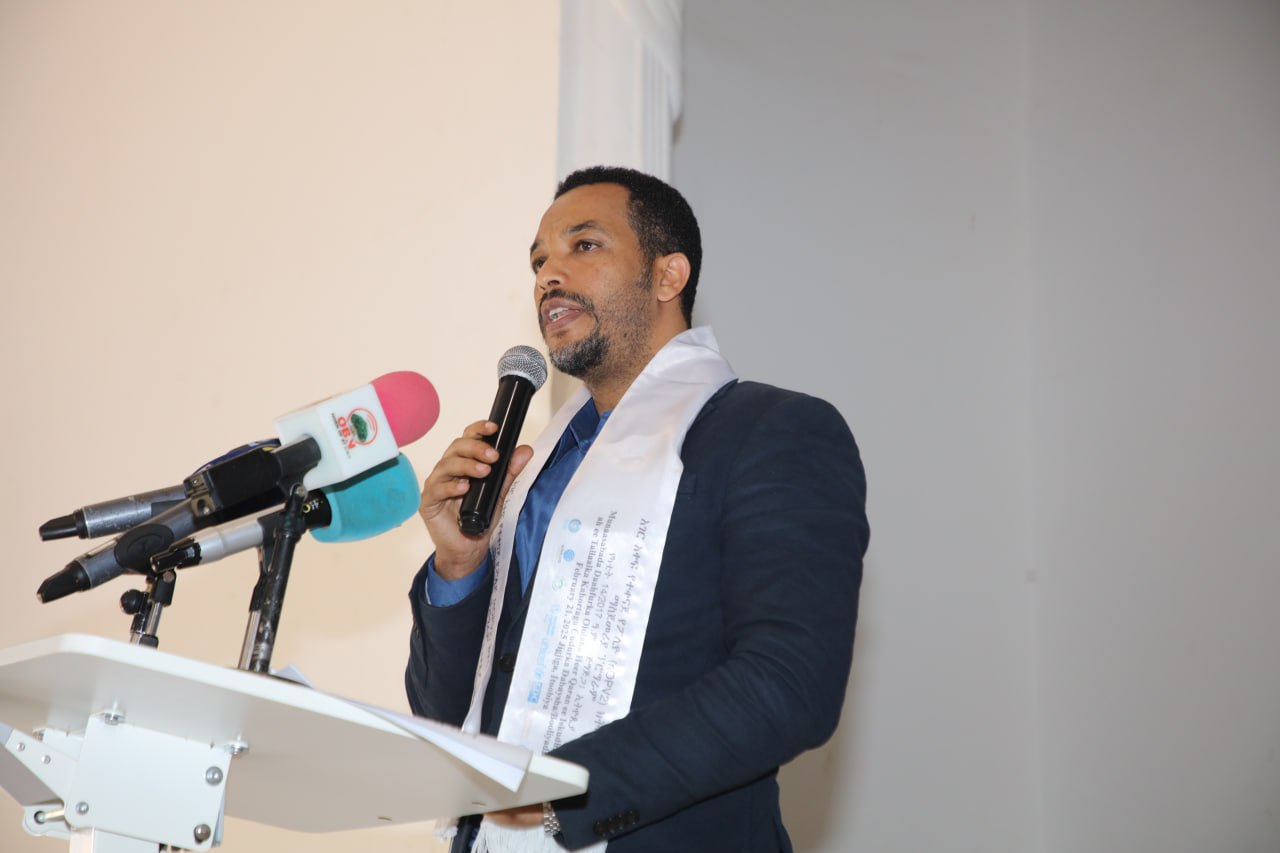
Ethiopia reaches 15.3 million children with novel oral polio vaccine, surpassing target
For Meseret Gelaw, a mother in Furustale village of Jimma town in Oromia region, ensuring that her 8-month-old son receives every necessary vaccine is a matter of life and health.
“I want my child to grow up healthy, free from diseases like polio. When I heard about the vaccination campaign, I made sure he was among the first to receive the polio vaccine,” Meseret shared, holding her son tightly after the procedure.
Liberia marks World Health Day with a renewed commitment to maternal and newborn health
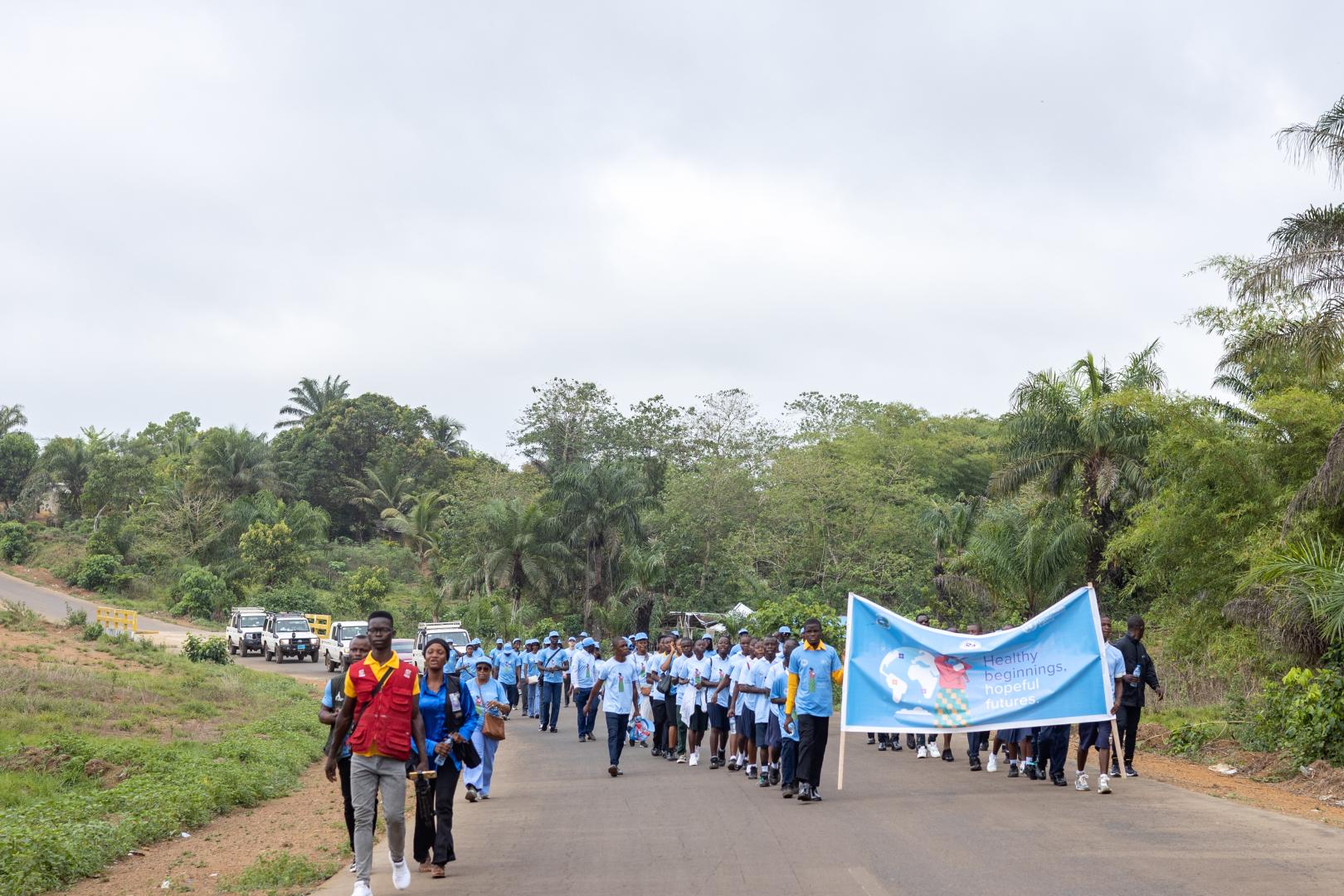
Every year, Liberia joins the rest of the world on April 7th to commemorate World Health Day, which marks the anniversary of the founding of the World Health Organization (WHO) and serves as an opportunity to raise awareness on pressing health issues. Under the theme “Healthy beginnings, Hopeful futures”, the national observance took place in Bentol City, Montserrado County, bringing together government officials, international partners, health professionals, students and community members to advocate for investment and collective action in maternal and newborn health.
Tanzania Celebrates Health Milestones on World Health Day 2025
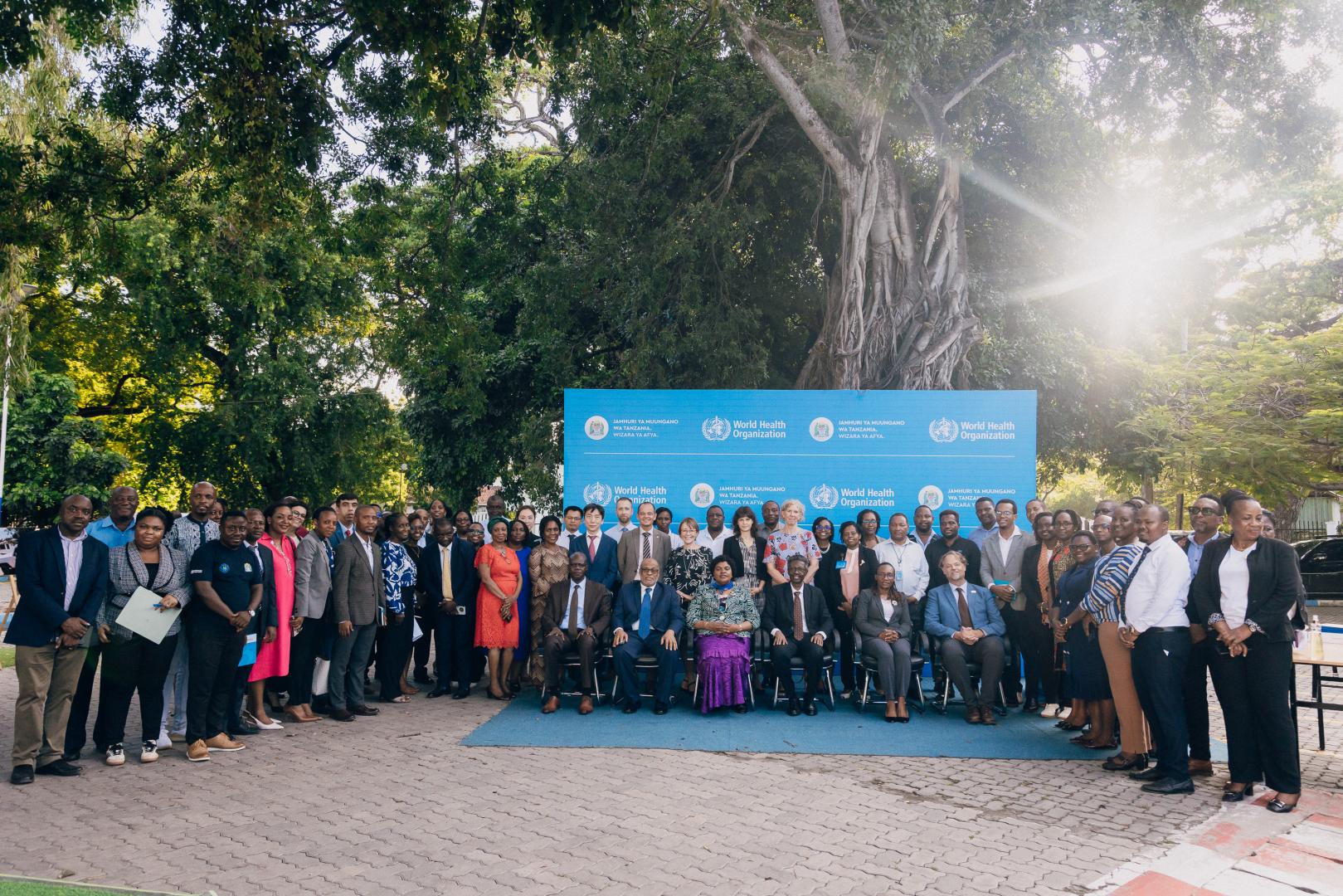
Dar es Salaam: Tanzania commemorated World Health Day 2025 with a vibrant national event themed “Let’s Talk Health”, spotlighting the country’s progress in public health and reaffirming commitments to inclusive, sustainable health for all.
Every death counts: Sierra Leone commits to maternal and child health
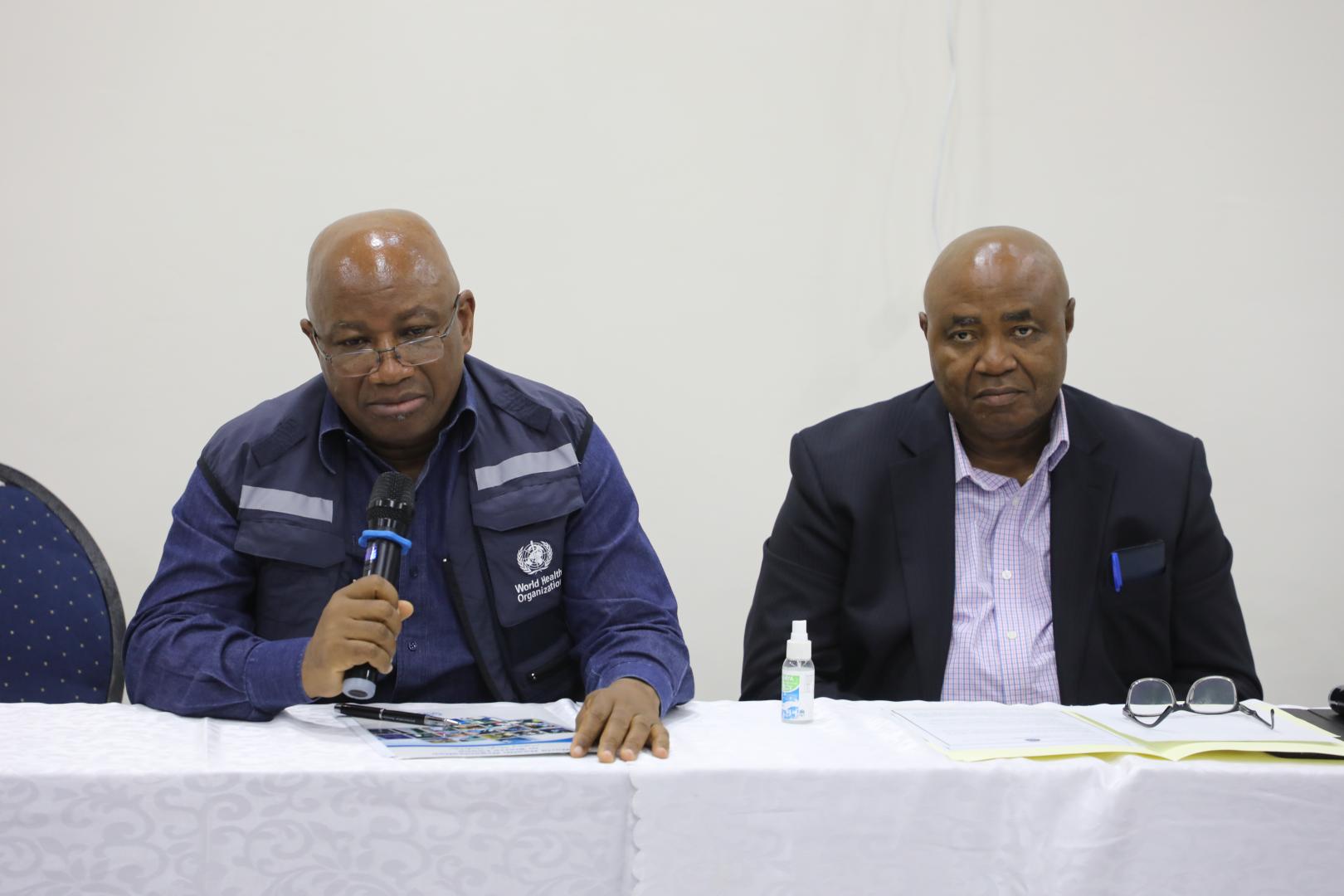
Freetown, Sierra Leone – April 2025 – As part of World Health Day 2025 commemorations, the Ministry of Health and Sanitation (MoHS), with support from the World Health Organization (WHO), convened a high-level National Maternal and Perinatal Death Surveillance and Response (MPDSR) Steering Committee meeting under the theme “Healthy Beginnings, Hopeful Futures.” The national sub-theme “Tackling the Public Health Emergency of Preventable Maternal and Child Mortality” reflects Sierra Leone’s renewed efforts to reduce maternal and neonatal deaths.
Africa faces critical shortage of oral health workers amid rising disease burden
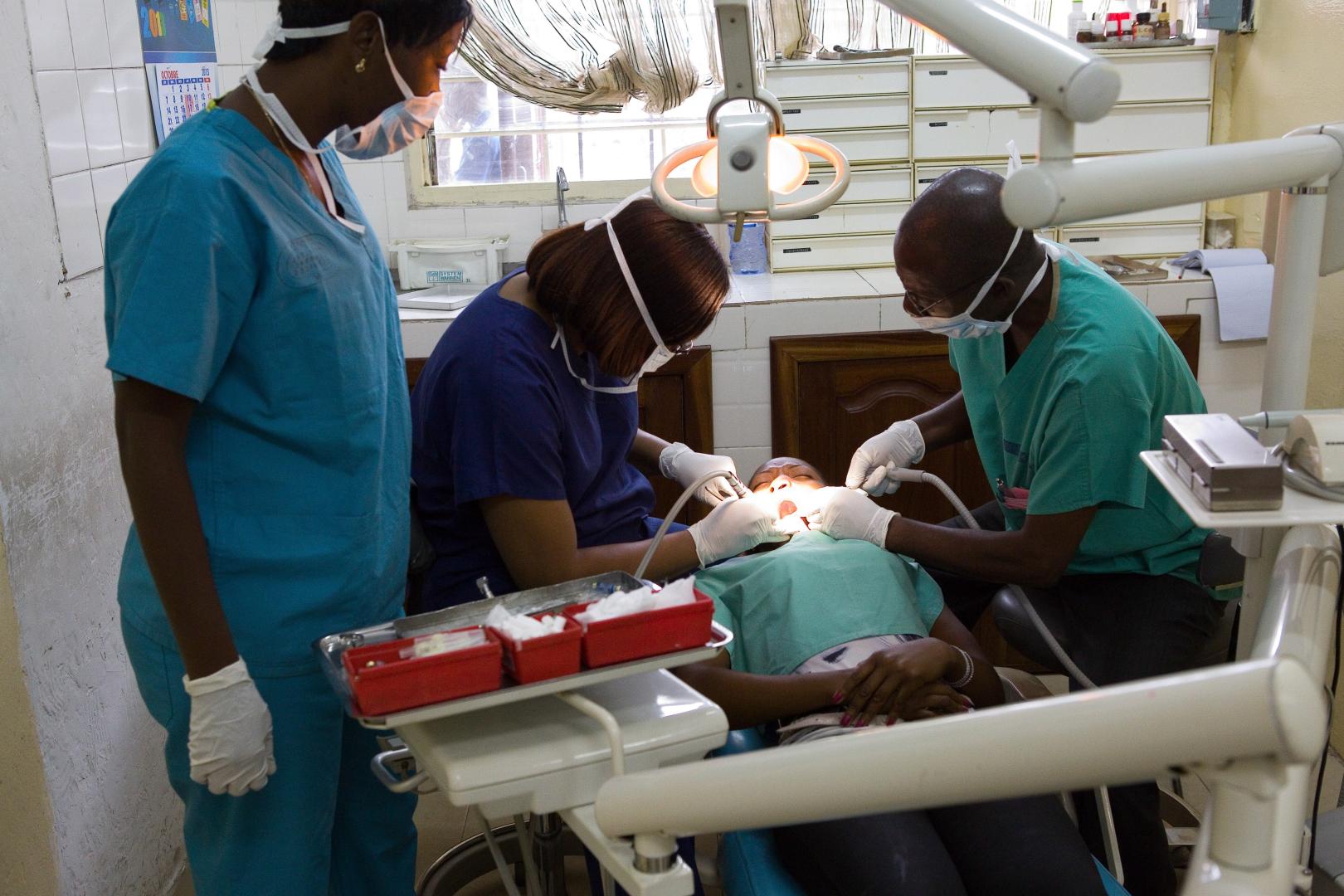
Brazzaville – Africa faces a chronic shortage of oral health workers due to underinvestment, leaving millions of people without adequate care and vulnerable to preventable oral diseases, according to a World Health Organization (WHO) workforce fact sheet on oral health released today.