Stronger signals, rapid action: Transforming early disease detection and surveillance in Malawi
Early detection of public health threats requires continuous capacity strengthening to detect early and monitor outbreaks and to build effective disease surveillance systems. The Ministry of Health rolled out the third edition of the Integrated Disease Surveillance and Response guidelines in all 29 districts, using the One Health disease surveillance approach. The goal of One Health disease surveillance approach is to achieve optimal health outcomes, recognizing the interconnection between people, animals, plants, and their shared environment.
Malawi learned from disease outbreaks, including COVID-19, wild Polio virus, cholera, measles and natural disasters, including Tropical storms Anna, Gombe and Chido, and Cyclone Freddy that occurred from 2019. There has been increased recognition of the importance of functional early warning systems to mitigate the impact of future public health events.
The Ministry of Health, through its Public Health Institute of Malawi PHIM strategically cascaded the implementation of the IDSR strategy to 29 districts and all health facilities. In 2023, the One Health Surveillance Platform OHSP, a digital health platform, was adopted for reporting under events and indicator-based surveillance. The capacity building across all levels improved weekly IDSR reporting from 37.8% to over 80% and above thresholds in all 29 districts.
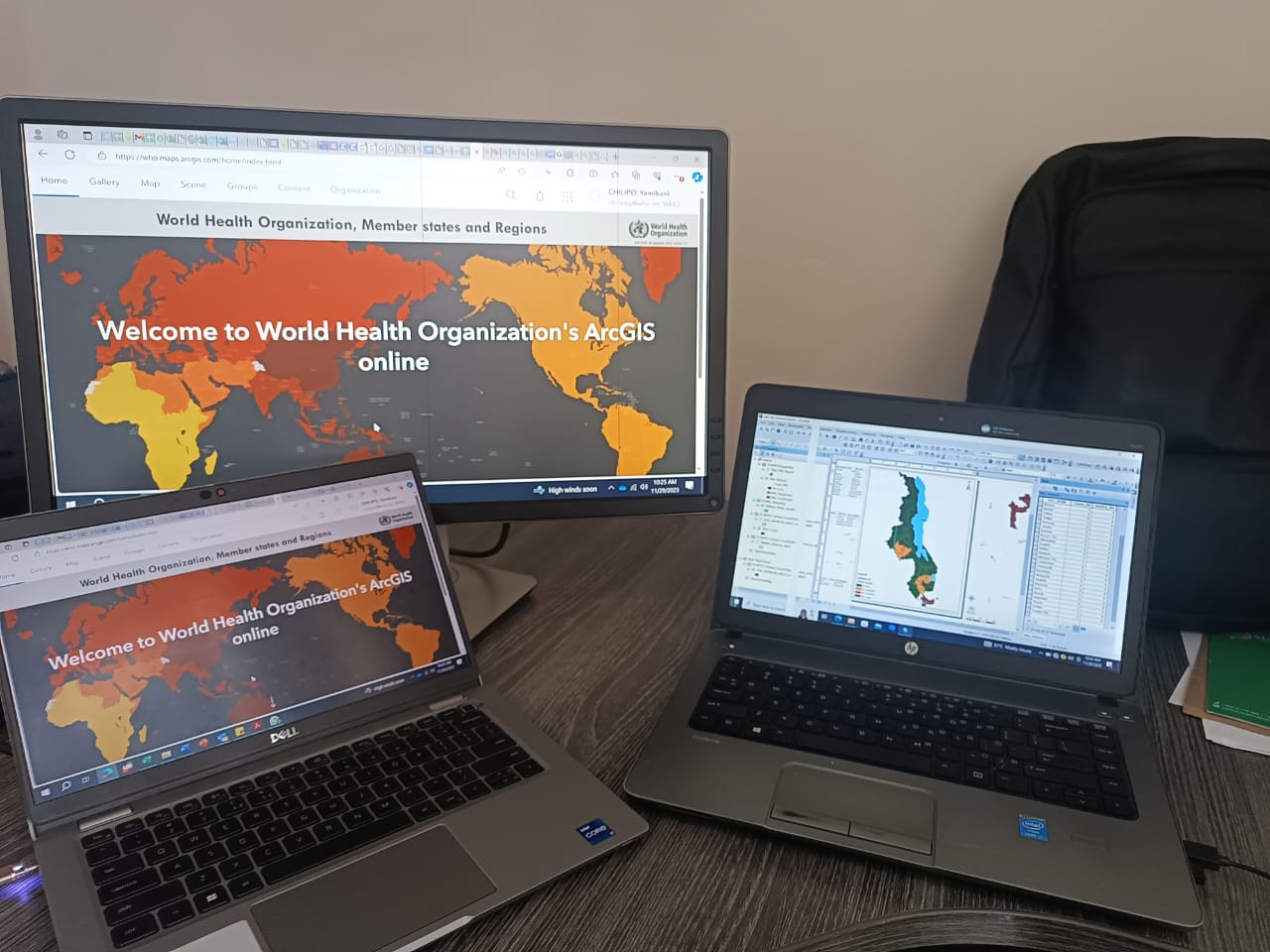
The One Health Surveillance Platform facilitated improved real-time reporting and transitioned the country from paper-based to digital IDSR reporting. The OHSP is strongly reinforced by WHO’s International Health Regulations and based on the third edition IDSR guidelines to build resilient health systems to respond timely to epidemics.
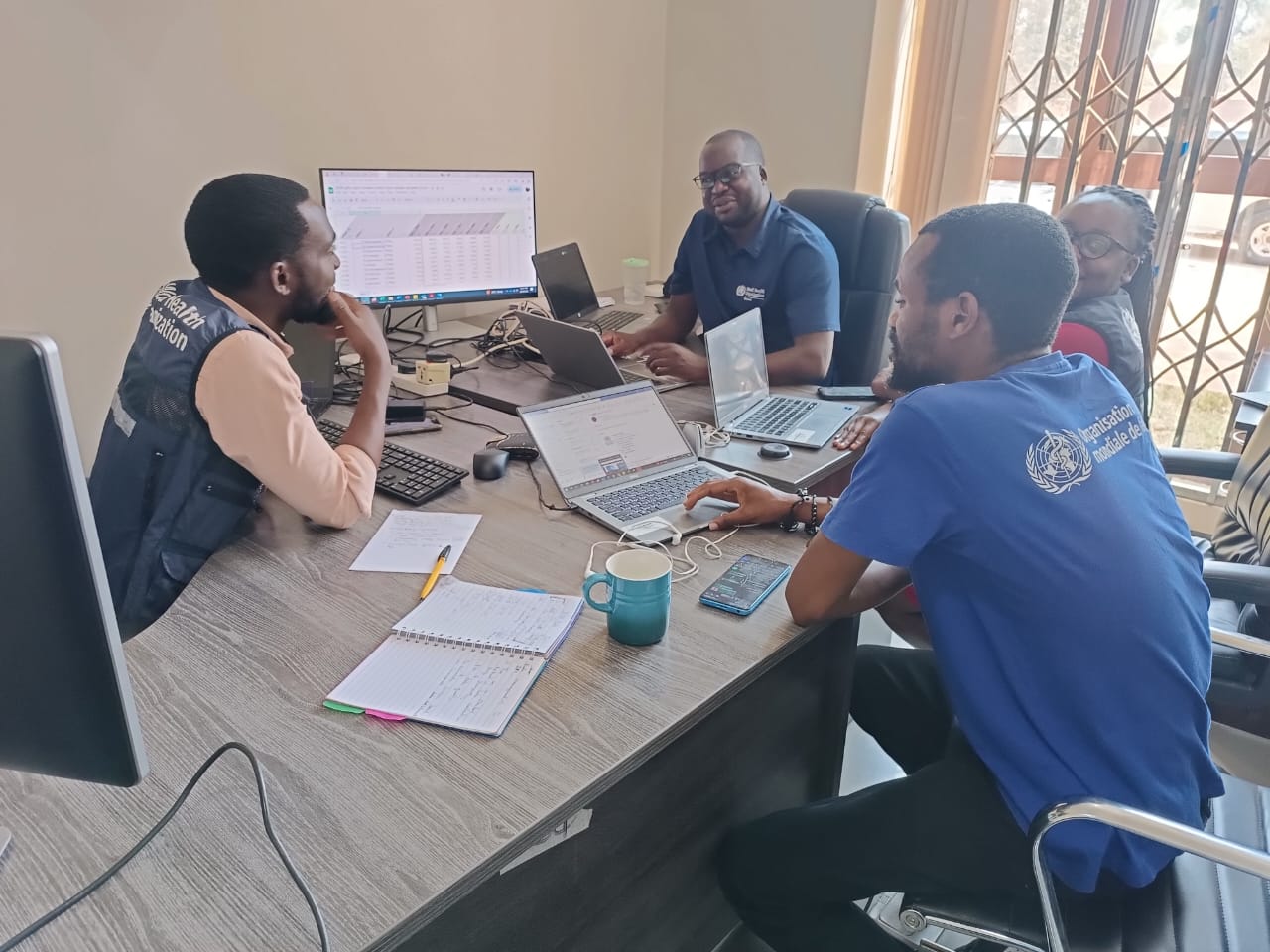
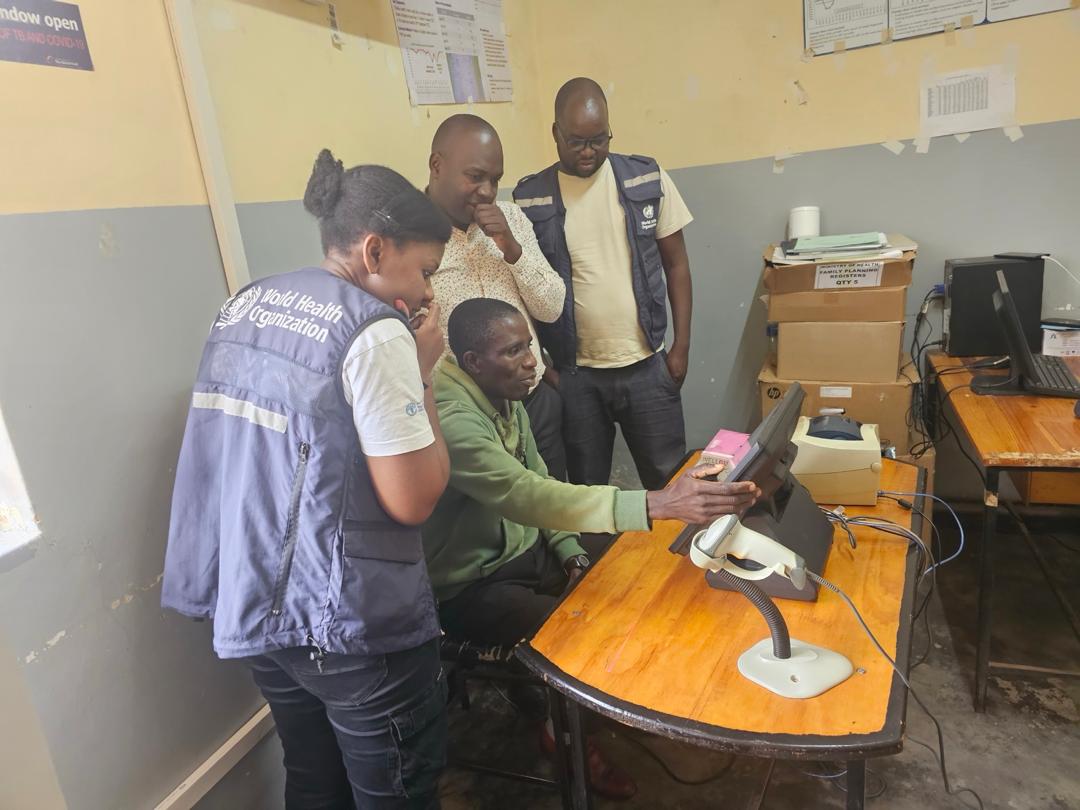
At district and facility levels, WHO supported data quality audits, Integrated Disease Surveillance and Response IDSR supportive supervision and mentorship in all 29 districts with focus on 12 poorly performing districts based on their performance of IDSR indicators. These positive changes in timeliness, completeness and surveillance quality demonstrated the impact of collaborative district support and partnerships for improving early warning capacities, improving surveillance performance in timeliness and completeness. The lessons learned in the six UN Joint Project districts are catalysts for building similar capacities in other districts for sustaining surveillance systems performance towards building resilient systems.
With Foreign Commonwealth Development Office financial support through the World Health Organization, the Public Health Institute of Malawi implemented surveillance strengthening activities in target low-performing districts. The districts included Rumphi, Mzimba South, Kasungu, Ntchisi, Chikwawa and Nsanje. Through data quality audits, hands-on mentorship, supportive supervisions, and surveillance data reviews, which have seen instant improvements in surveillance data quality in all facilities across the six districts. In just one month, most districts reached 100% reporting, while Mzimba South improved to nearly 90% timeliness and full completeness.
The IDSR coordinators collaborated on these improvements, expressing that the data validation exercise was a great idea in the improvement of reporting in surveillance.
“Some facilities could not submit weekly reports regularly because they did not see the importance of weekly surveillance reporting previously, and after the exercise, improved to regular reporting”.
The improvement noted in surveillance performance in the six districts has contributed to the general performance trends for the whole country, with both timeliness and completeness above 90%. Sustained performance of surveillance systems in these districts will go a long way to build resilient systems for rapid identification, prevention, and response to public health events, disease outbreaks, and natural disasters,” they echoed.
In 2026, routine surveillance indicators remain strong, with health facilities consistently achieving 100% data completeness and 94% reporting timeliness for weekly priority disease reporting.
The strengthened IDSR implementation, with IDSR reporting from 37.8% in 2023 and currently maintained at over 80% and is above thresholds in all 29 districts. The capacity building and feedback processes have improved early outbreak detection and rapid response activation, reduced the risk of widespread transmission, and reinforced Malawi’s national health security architecture.
In the period January to March 2026, Malawi was on track and achieved its IDSR targets, where 87% of the suspected cases were detected within 7 days of onset, 100% of the detected cases were reported to the higher level within 24 hours, and 99% of the notified cases had initiation of response activities done within 7 days. Among the response actions were isolating cases, initiating contact tracing, securing and distributing personal protective equipment (PPE), and launching public awareness campaigns for cholera, measles, and MPOX outbreaks.
The interventions have strengthened the country’s capacity and provided a clear strategic advantage. Malawi is steadily strengthening its capacity to prevent, detect, and respond to public health threats. Through continued integration of pandemic preparedness, early warning systems, and event- and indicator-based surveillance, supported by WHO, the country has improved its International Health Regulations capacity score from 35% in 2019 to 58% in 2024. While further progress is needed across core emergency capacities, these investments have laid a solid foundation for a more resilient, coordinated system capable of responding effectively to disease outbreaks and climate-related emergencies.
bunyao [at] who.int (bunyao[at]who[dot]int)
+265 999 930 280