WHO drives agenda on the future of health in Cabo Verde at the first National Health Forum
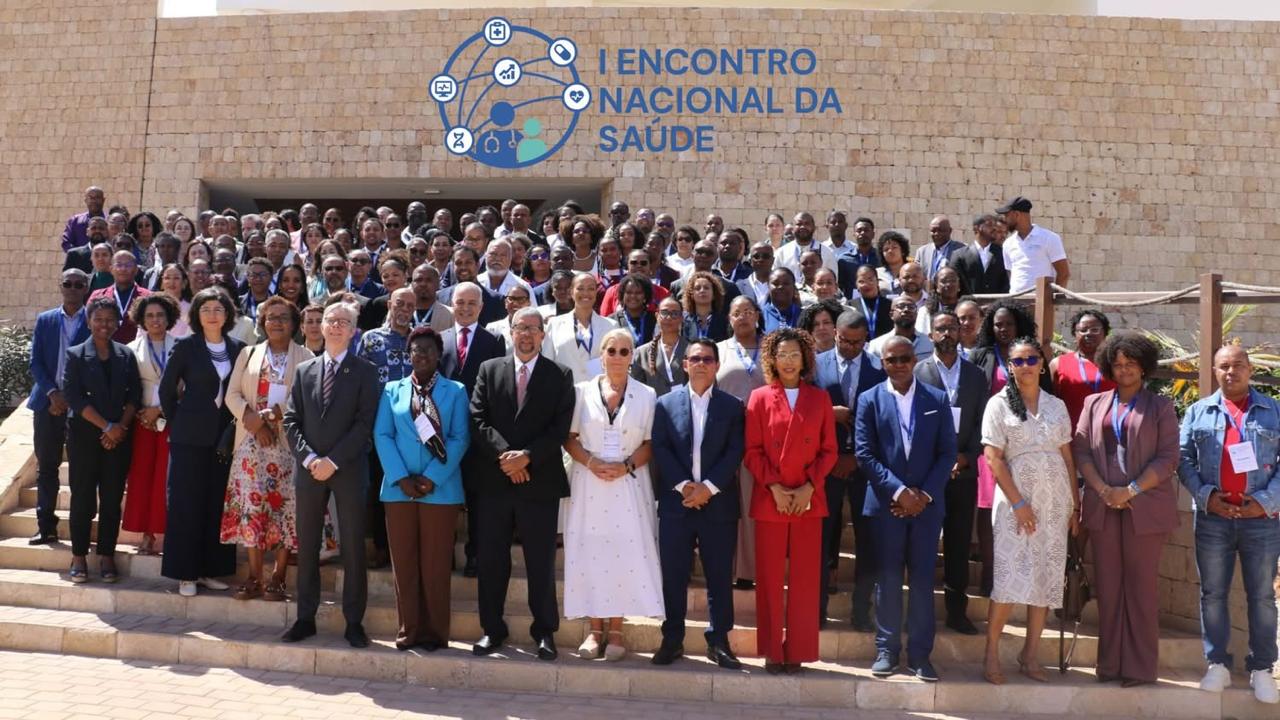
Praia, Cabo Verde — The World Health Organization (WHO) actively participated in the First National Health Conference, held from 2 to 5 February 2026 on Sal Island, contributing to strategic discussions on the priorities and challenges facing Cabo Verde’s health system.
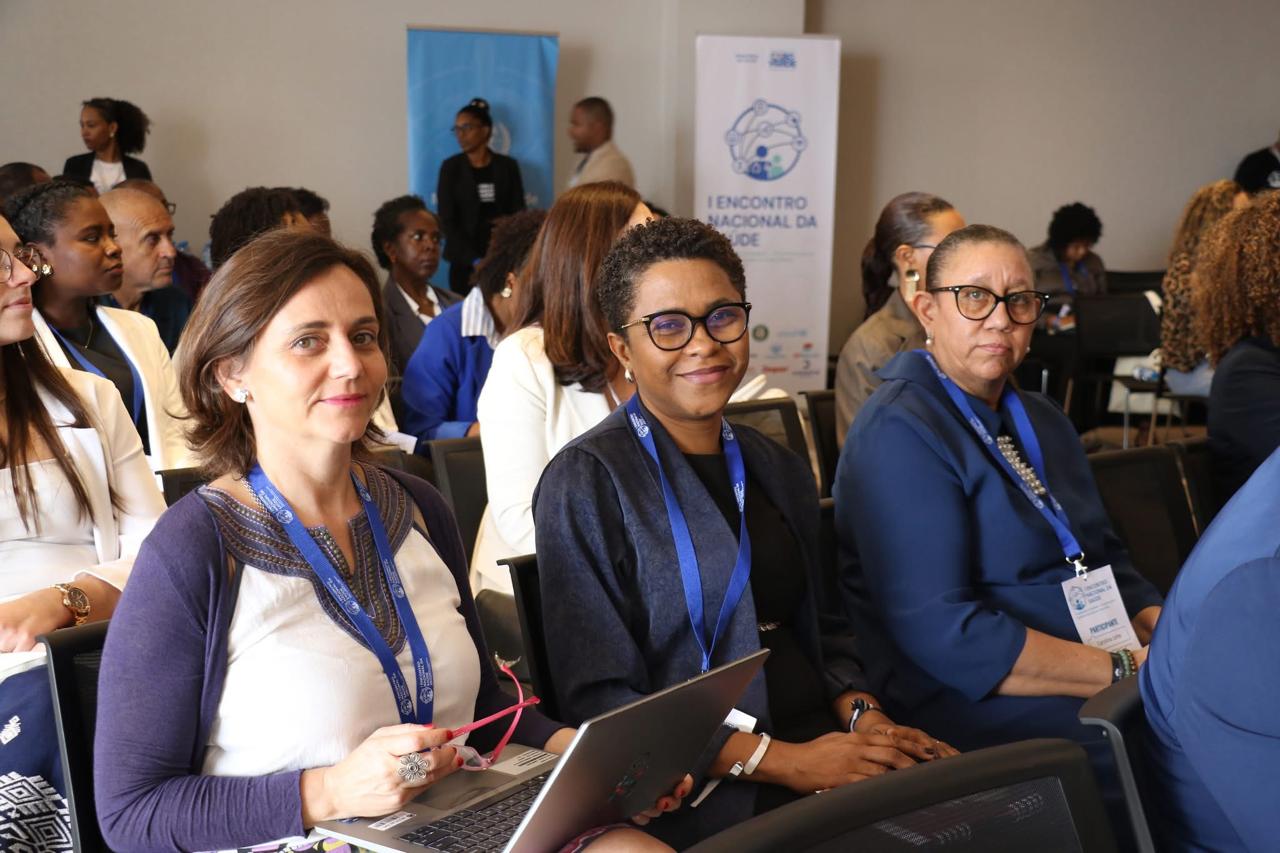
Held under the theme “Proximity and Quality – The Path to Health Resilience in Cabo Verde”, the conference brought together policymakers, health professionals, academia, civil society and development partners, providing a platform for reflection and consensus-building aimed at strengthening Universal Health Coverage.
Quality of care emerged as a central pillar of health system transformation. WHO emphasized that expanding access alone is not sufficient without ensuring safe, effective and people-centred care. The conference on Quality of Care: Fundamental Principles and Concepts highlighted the importance of a system-wide approach based on leadership, good governance, data use and continuous improvement. This discussion represents a key step towards the development of the forthcoming National Strategy on Quality of Care and Patient Safety, which will be essential to improve health outcomes and strengthen public trust.
Health security was also a key theme, with a WHO session focusing on the framework of the International Health Regulations (IHR) and its role in preventing, detecting and responding to public health emergencies. Discussions addressed challenges related to integrated surveillance, multisectoral coordination and strengthening national capacities in an increasingly complex risk environment, including those linked to climate change.
Noncommunicable diseases (NCDs) were highlighted as one of the main challenges to the sustainability of the health system. In a dedicated WHO conference, the need to strengthen prevention, integrate care across the life course and reinforce primary health care as the foundation of the national response was emphasized. The importance of multisectoral policies and cost-effective interventions to reduce risk factors and improve health outcomes was also underscored.
Digital innovation and leadership for the future emerged as a strategic priority, with a focus on its potential to improve access, quality and efficiency of health services. The WHO conference on the future of health highlighted the role of telemedicine, health information systems and emerging technologies as drivers of transformation, within an integrated approach that brings together technology, people and processes, placing individuals at the centre of care.
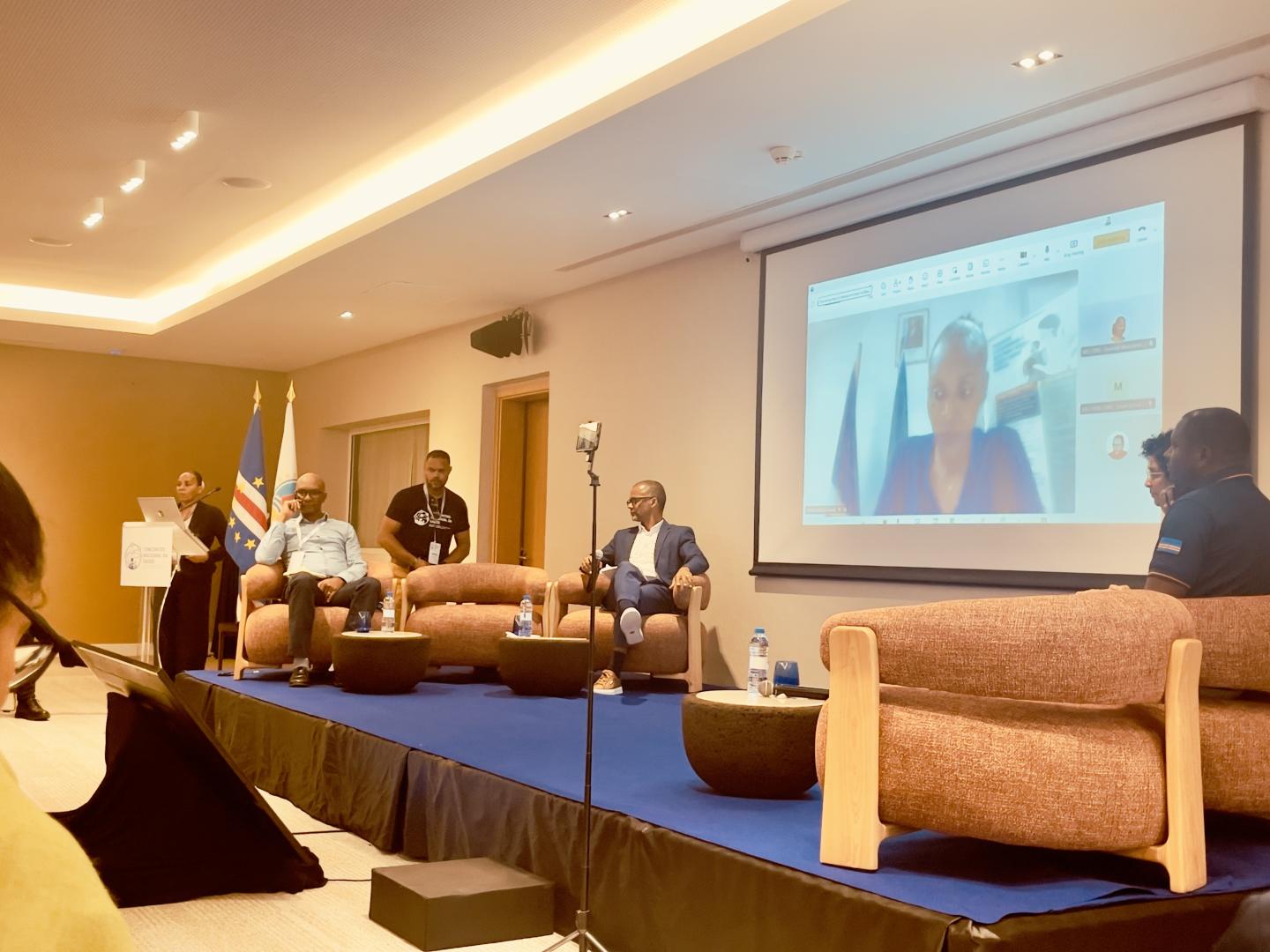
A reflection on the contribution of the United Nations and its partners to health sector, in the context of the 50 years since independence, was the theme of the event's opening conference. This panel highlighted the WHO's contribution to the development of primary care, disease control and the training of professionals, helping to build a resilient health system. It also highlighted reduced funding as one of the global challenges, requiring efforts to strengthen national capacities and continued international cooperation.
The First National Health Conference marks a strategic milestone for Cabo Verde, consolidating a shared vision aligned with the National Health Policy 2025–2035 and the Sustainable Development Goals.
WHO reaffirms its commitment to continue supporting the country in the development and implementation of evidence-based policies, contributing to a more resilient, sustainable and people-centred health system.