Angola marks World Health Day with a focus on science, equity and innovation
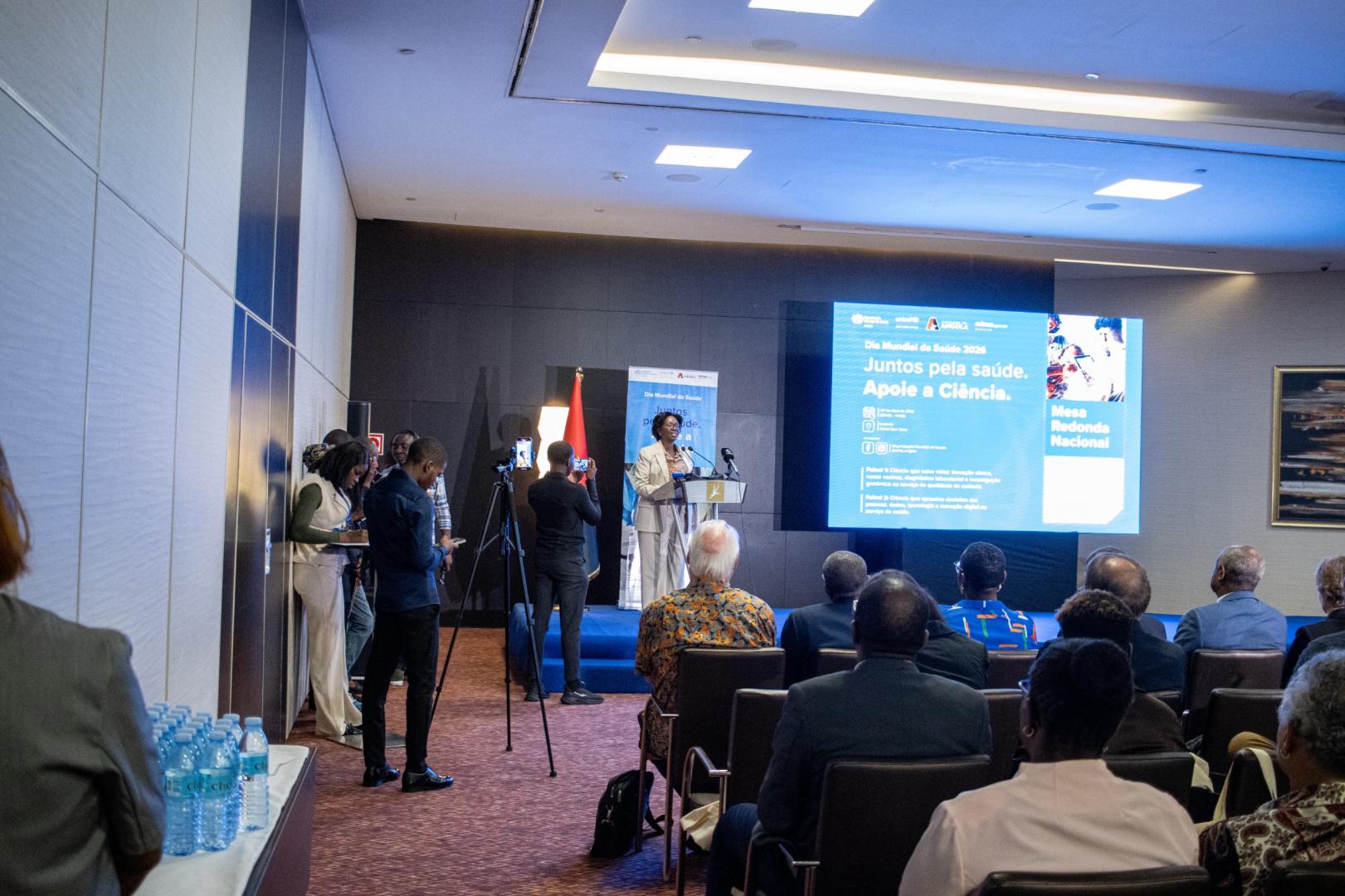
On World Health Day 2026, Angola hosted a national roundtable aimed at reflecting on how to transform scientific evidence into quality, equitable and accessible healthcare for the entire population. Under the theme “Together for Health. Support Science”, the event reinforced the importance of integrating research, innovation and public policies to address the country’s health challenges and improve people’s quality of life.
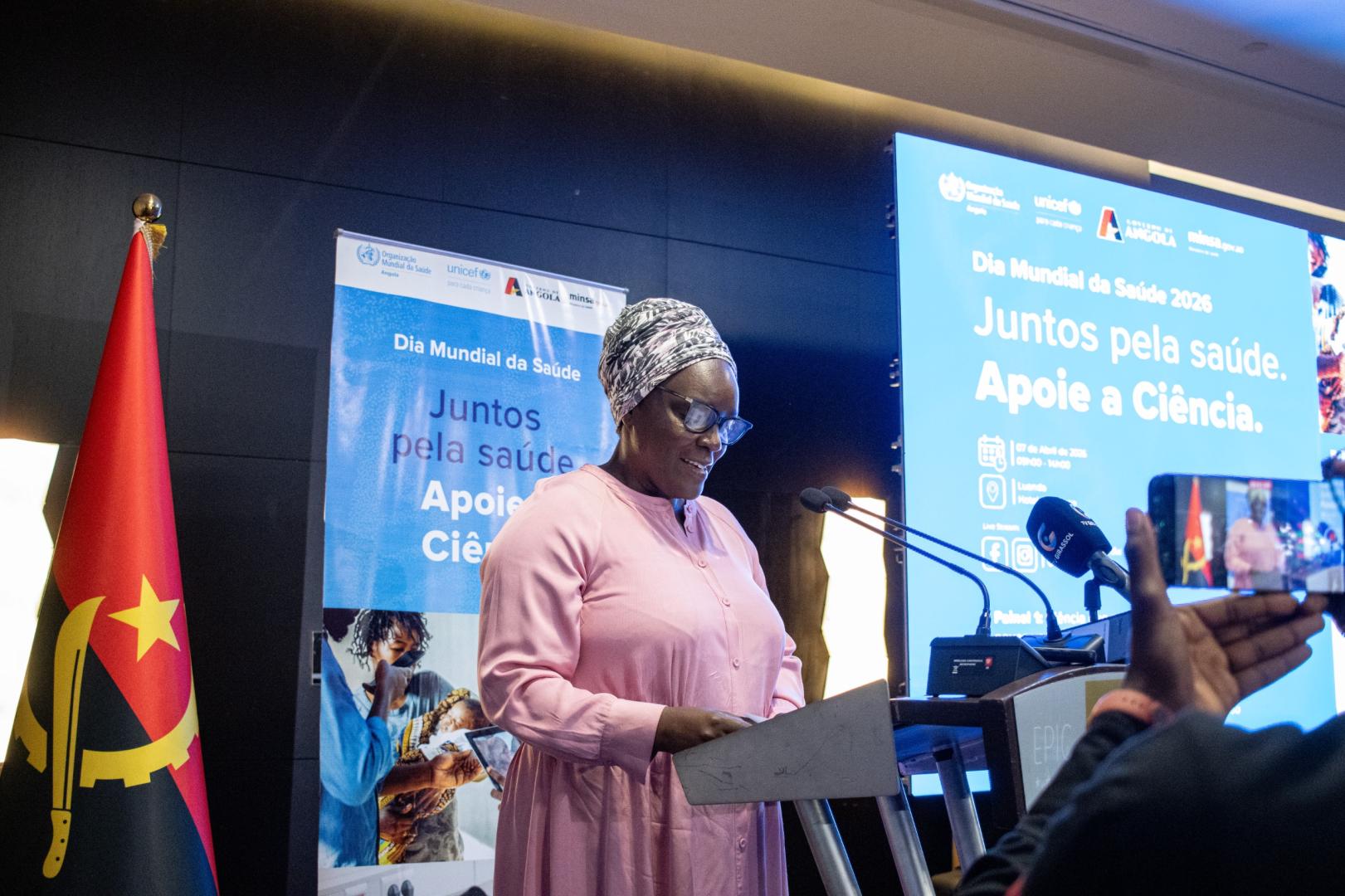
Angola’s Minister of Health, Dr Sílvia Lutucuta, opened the celebration by highlighting the central role of science in ensuring the right to health: “Today, more than ever, science must serve everyone. Through evidence, innovation and technology, we can ensure high-precision treatments, vaccines and diagnostics reach those who need them most, making the right to health a reality for all.”
The event was structured around two expert panels exploring the role of science in transforming Angola’s health system. Discussions focused on clinical innovation, telemedicine and robotic telesurgery, the development of new vaccines, strengthening laboratory diagnostics, the integration of data management platforms and advances in genomic research. Experts shared experiences and evidence on how these areas contribute to improving prevention, early diagnosis and disease treatment, reinforcing the need to integrate scientific knowledge, technology and public policy to ensure more effective, equitable and people-centred care.
In this context, the United Nations Resident Coordinator in Angola, Dr Amanda Mukwashi, emphasized that “science only fulfills its purpose when translated into informed policies and sound decisions, ensuring quality care for all,” while also stressing the urgency of addressing inequalities in access to health services, integrating technologies and promoting public trust in science.
Participants reflected on how to translate scientific knowledge into concrete health actions, with a focus on equity, innovation and universal access. The discussion highlighted that investing in science, strengthening workforce capacity, improving digital literacy among health professionals and modernizing health systems is essential to building a more resilient and healthier society. It also underscored the need to improve health literacy among the population, enabling individuals and communities to take greater ownership of their health.
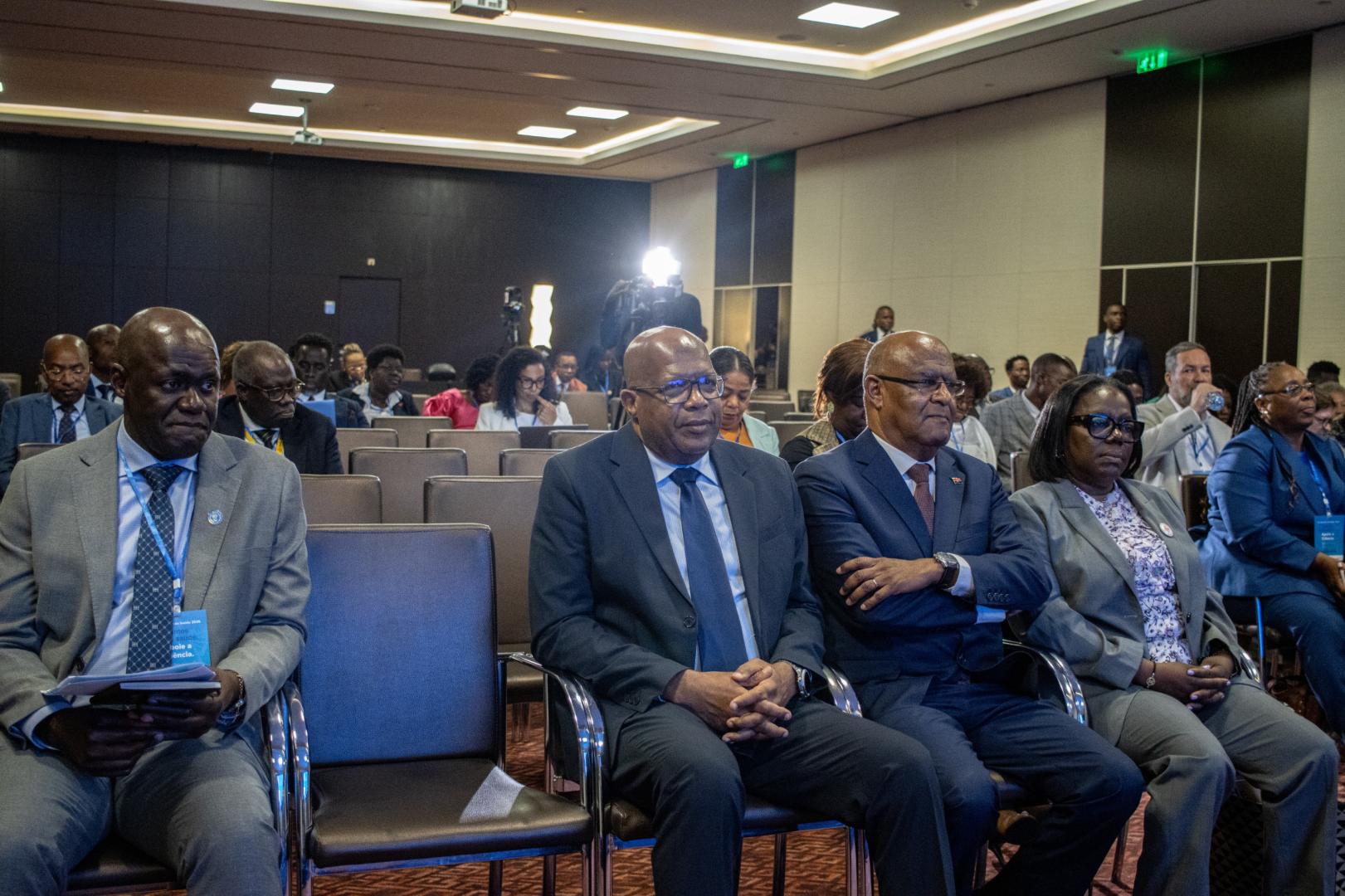
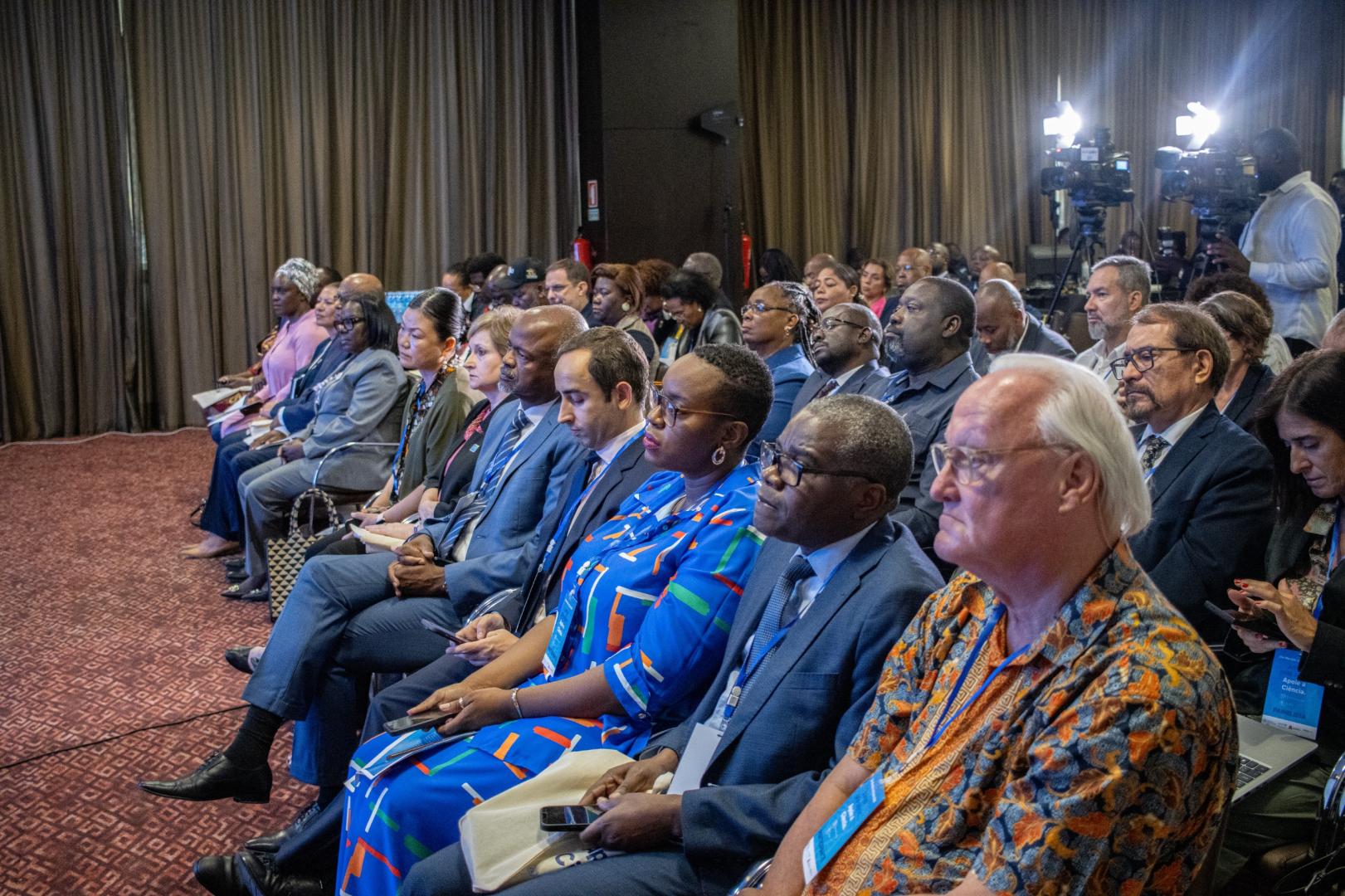
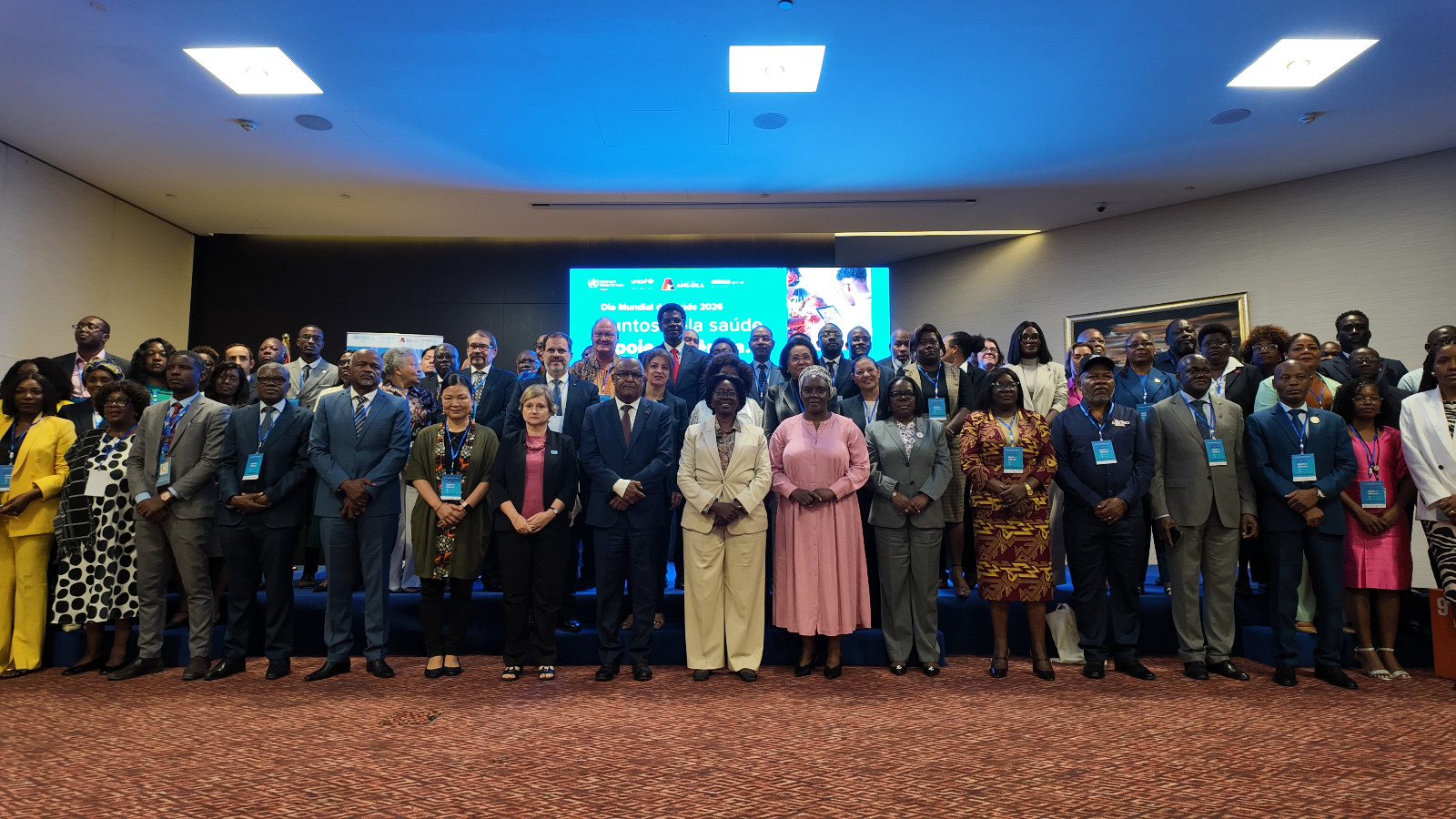
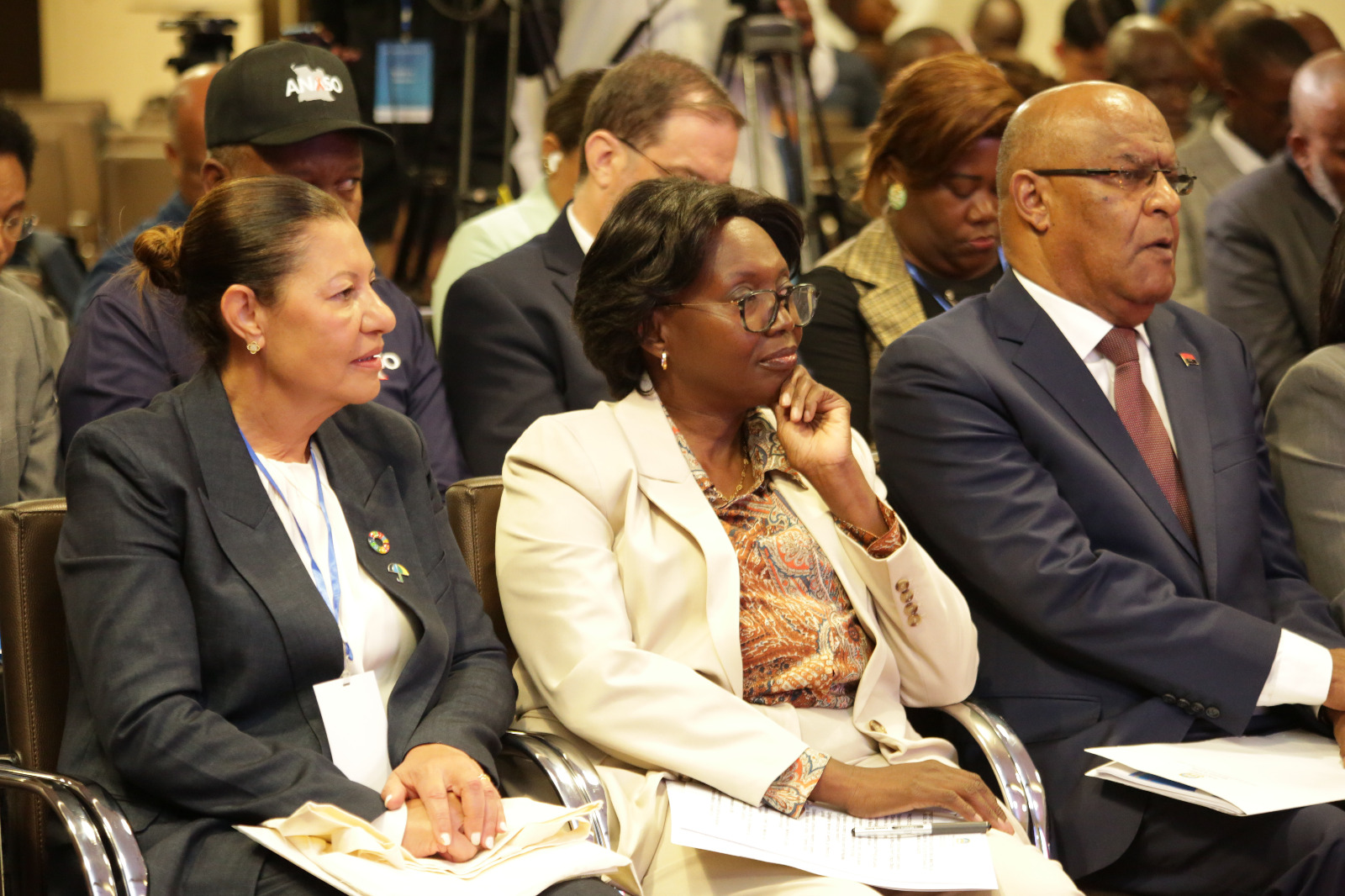
The event brought together representatives from the Government, international partners, accredited ambassadors in Angola, academia, the private sector and civil society organizations, reaffirming a collective commitment to science and public health in the country.
In his closing remarks, the Minister of Higher Education, Science, Technology and Innovation, Dr Albano Ferreira, issued a clear call to action: “Our country has universities, research centres and laboratories with a growing capacity to produce relevant knowledge. It is up to us to strengthen this capacity, promote collaboration networks, encourage applied research and ensure that scientific results reach decision-making levels, planning structures and, above all, the communities that need them most.”
Communication Assistant
WHO Angola
rpedro [at] who.int (rpedro[at]who[dot]int)