Standing with science: how Mozambique contributes for global health
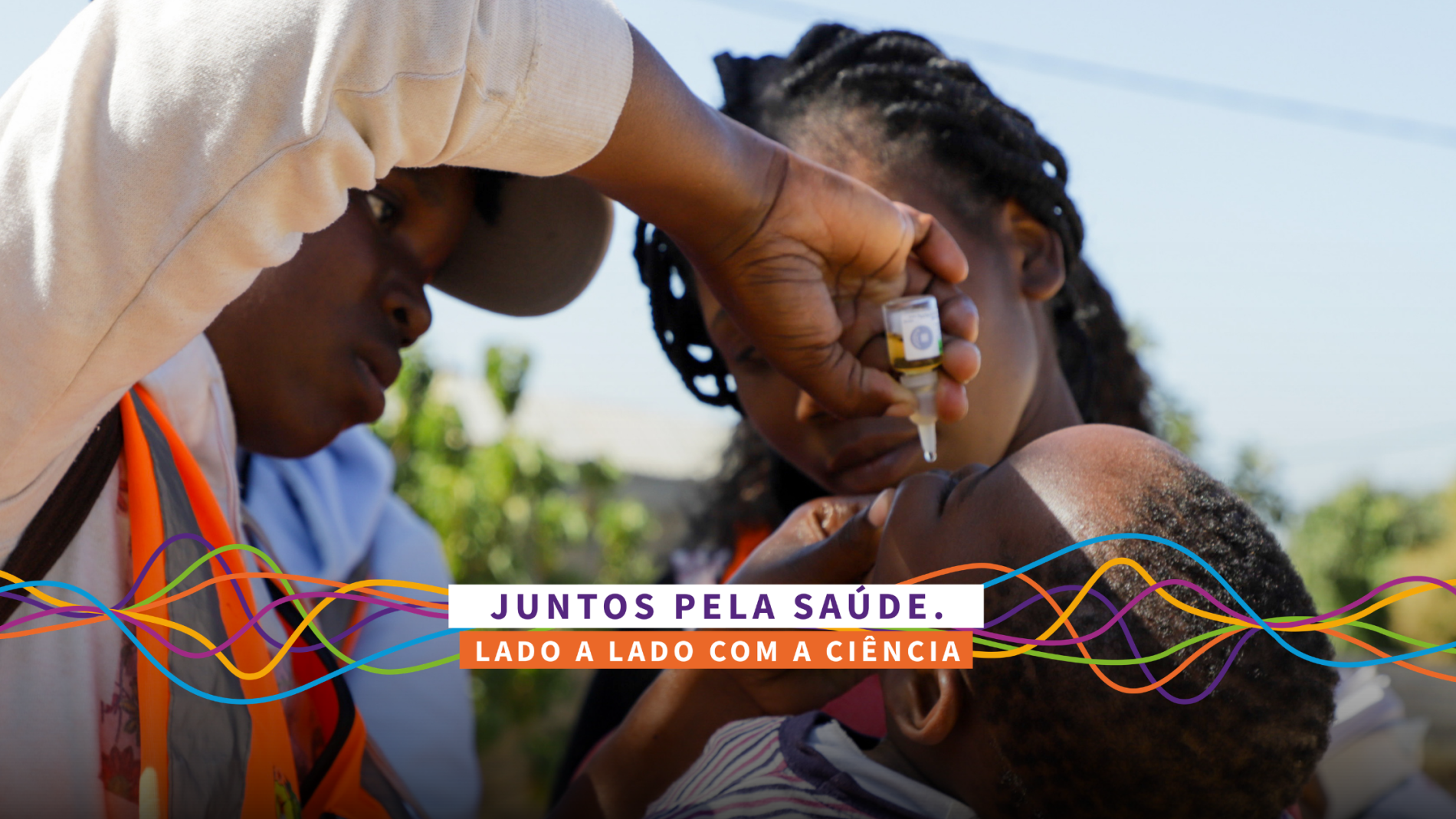
Maputo, April 7th, 2026 — On this World Health Day, celebrated under the theme “Together for health. Stand with science”, the world reaffirms the importance of science as an essential foundation for protecting and promoting the health of all people, everywhere. In Mozambique, this principle is reflected both in the ongoing expansion of access to quality health services and in the country’s active contribution to global scientific progress.
With ongoing technical support from the World Health Organisation (WHO) and in collaboration with a wide network of partners, Mozambique has developed innovative, evidence-based solutions that not only strengthen the resilience of the health system and improve the lives of communities, but also inform global strategies and contribute to international scientific knowledge.
Over the past few decades, Mozambique has taken on a leading role in the African landscape of vaccine research and public health. Leading institutions, notably the National Institute of Health (INS), the Manhiça Health Research Centre (CISM) and affiliates such as the Polana Caniço Research and Training Centre (CISPOC), have spearheaded significant scientific advances. These centres conduct highly relevant clinical and epidemiological studies, whilst strengthening the scientific and laboratory capacities of the country and the region.
Among the most notable advances is the application by the National Tuberculosis Reference Laboratory to be certified as a WHO Supranational Laboratory, a strategic milestone that reaffirms Mozambique’s role in the surveillance and diagnosis of tuberculosis, not only at national level but also in serving the Portuguese-speaking African countries (PALOP).
With regard to the development and introduction of new vaccines, the country’s ongoing participation in clinical trials of HIV vaccines in collaboration with international scientific networks stands out, as does the evaluation of new combinations of vaccines, vectors and antibodies with the potential to prevent infection.
Similarly, Mozambique has established itself as a key player in the global fight against malaria, where, in addition to contributing to the generation of evidence in the development of RTS,S, the first malaria vaccine recommended by WHO. Mozambican research centres were once again involved in studies that supported the development and recommendation of R21/Matrix-M, an unprecedented advance in protecting children against the disease. This time, the country also became one of the pioneers in its introduction, having launched a vaccination campaign in Zambezia in 2024, and expanding it in phases to other provinces with a high malaria burden throughout 2025.
Beyond the scientific sphere, Mozambique has also played a crucial role in generating operational evidence regarding the introduction and implementation of new vaccines in the African context, establishing itself as a model of early adoption and large-scale roll-out, particularly for vaccines prioritised for child health, such as the human papillomavirus (HPV) vaccine. The first national HPV vaccination campaign was carried out last year, reaching over 300,000 girls aged between 12 and 18 across all the country’s provinces, a decisive step in the prevention of cervical cancer.
After almost four years of a global hiatus caused by a shortage of oral cholera vaccines, the country has once again made its mark on the international stage, becoming the first in the world to resume preventive vaccination campaigns against this disease, covering five high-risk areas, with a total of 1,788,408 people immunised in the first round of 2026 alone. This decision reflected the recognition of three key factors, namely: the high epidemiological risk associated with vulnerability to climate change; the proven capacity for the timely implementation of mass vaccination campaigns; and the urgent need to prioritise preventive actions that protect communities, including in contexts beyond the routine immunisation schedule.
On this World Health Day, Mozambique joins the global call to strengthen trust in science and promote evidence-based solutions. Supported by collaboration between the Government of Mozambique, the World Health Organisation (WHO) and strategic partners, this progress ensures that scientific evidence is translated into policies and services that reach those who need them most. Because when science is at everyone's service, everywhere, it becomes one of the most powerful tools for saving lives, protecting the future and building healthier societies.
External Relations Officer
Rua Beijo da Mulata, 73, Sommerschield, Maputo
P.O. Box 377, Maputo, Mozambique
Telephone: (+258) 21 491 990
Email: erbf [at] who.int (erbf[at]who[dot]int)