Gaza, Mozambique – World Health Organization (WHO), with funding from ELMA, has purchased water disinfection and quality monitoring kits to support the response to flooding in Gaza Province.
The initiative aims to improve water quality testing, treatment, monitoring and surveillance, ensuring the supply of safe drinking water to communities affected by flooding, in a context of increased risk of waterborne diseases, including cholera.
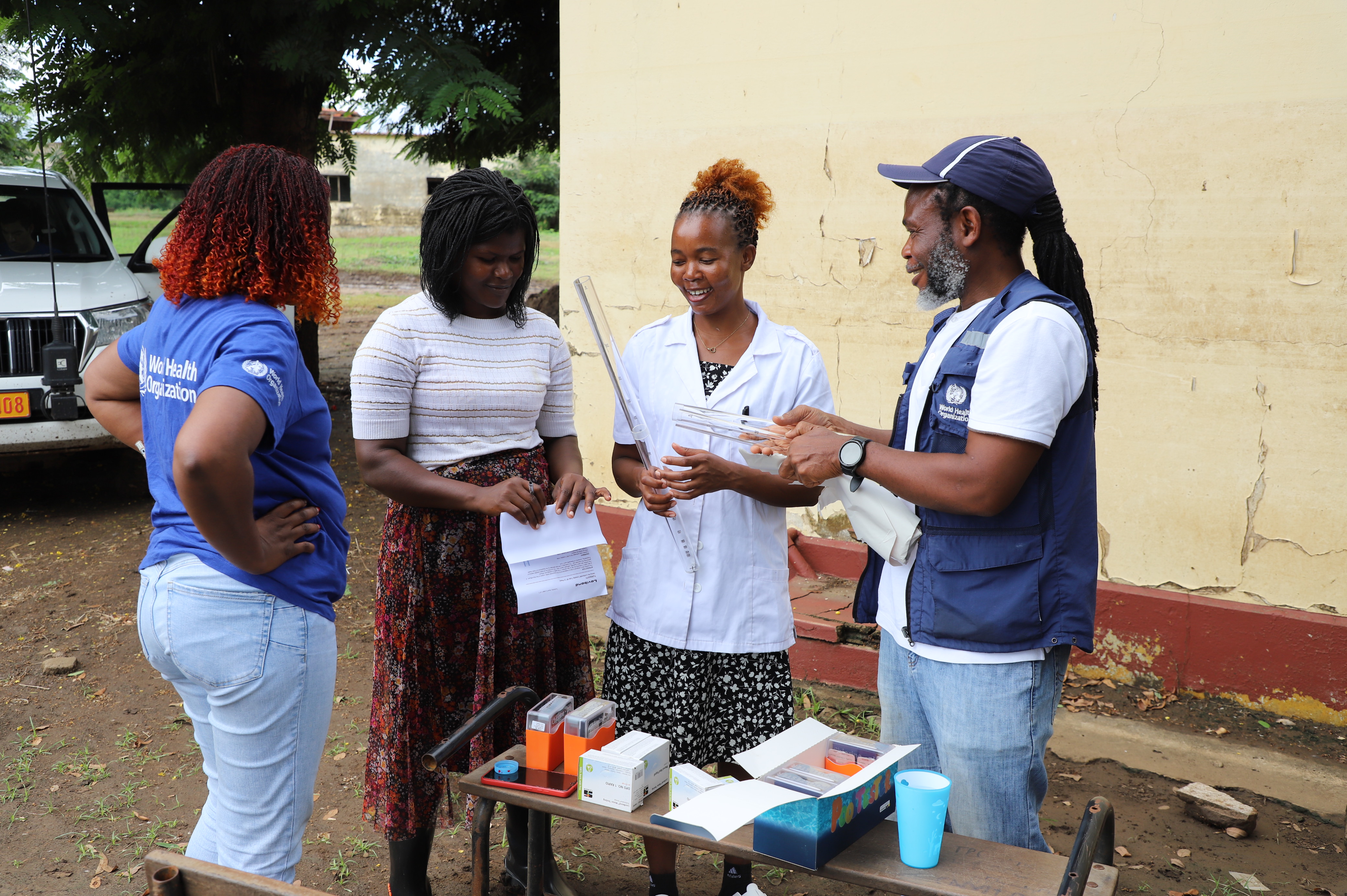
© WHO / Felipe Moraes
The kits include two main components for water treatment. The first is a flocculant product, used to treat cloudy water, making it cleaner and visibly clear before consumption. The second is intended for disinfection, ensuring adequate levels of free residual chlorine to eliminate bacterial agents and contaminating viruses, thus guaranteeing safe water for domestic consumption.
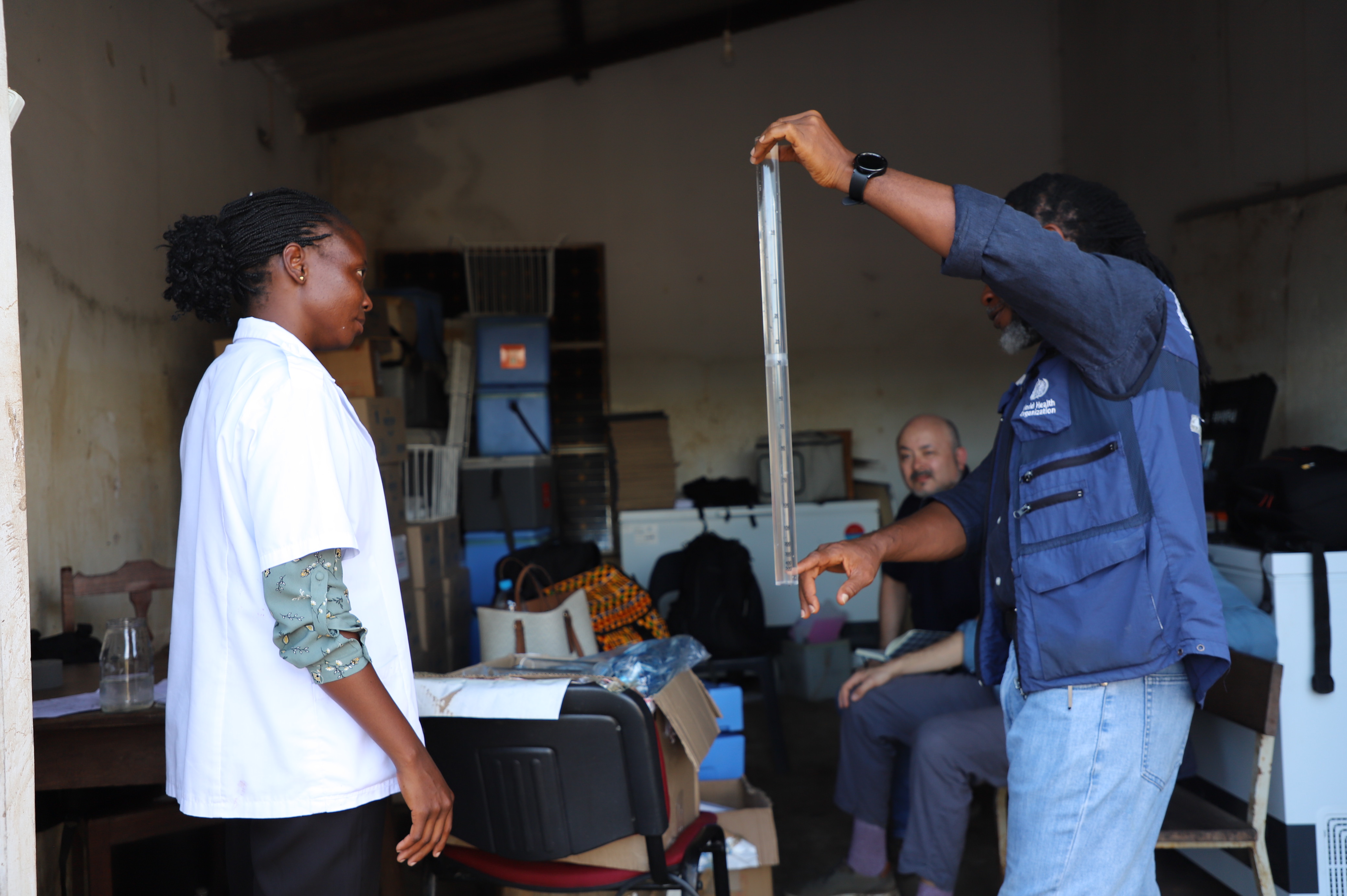
© WHO / Felipe Moraes
A mobile water quality testing kit has also been provided, capable of performing up to 200 bacteriological and chemical tests. To ensure the proper use of the equipment, WHO is also training local health professionals in its handling and results interpretation, a process that has already covered the Chókwè City Health Centre and the Barragem Health Centre. This measure will enable continuous monitoring of water quality in communities and rapid action in the event of contamination.
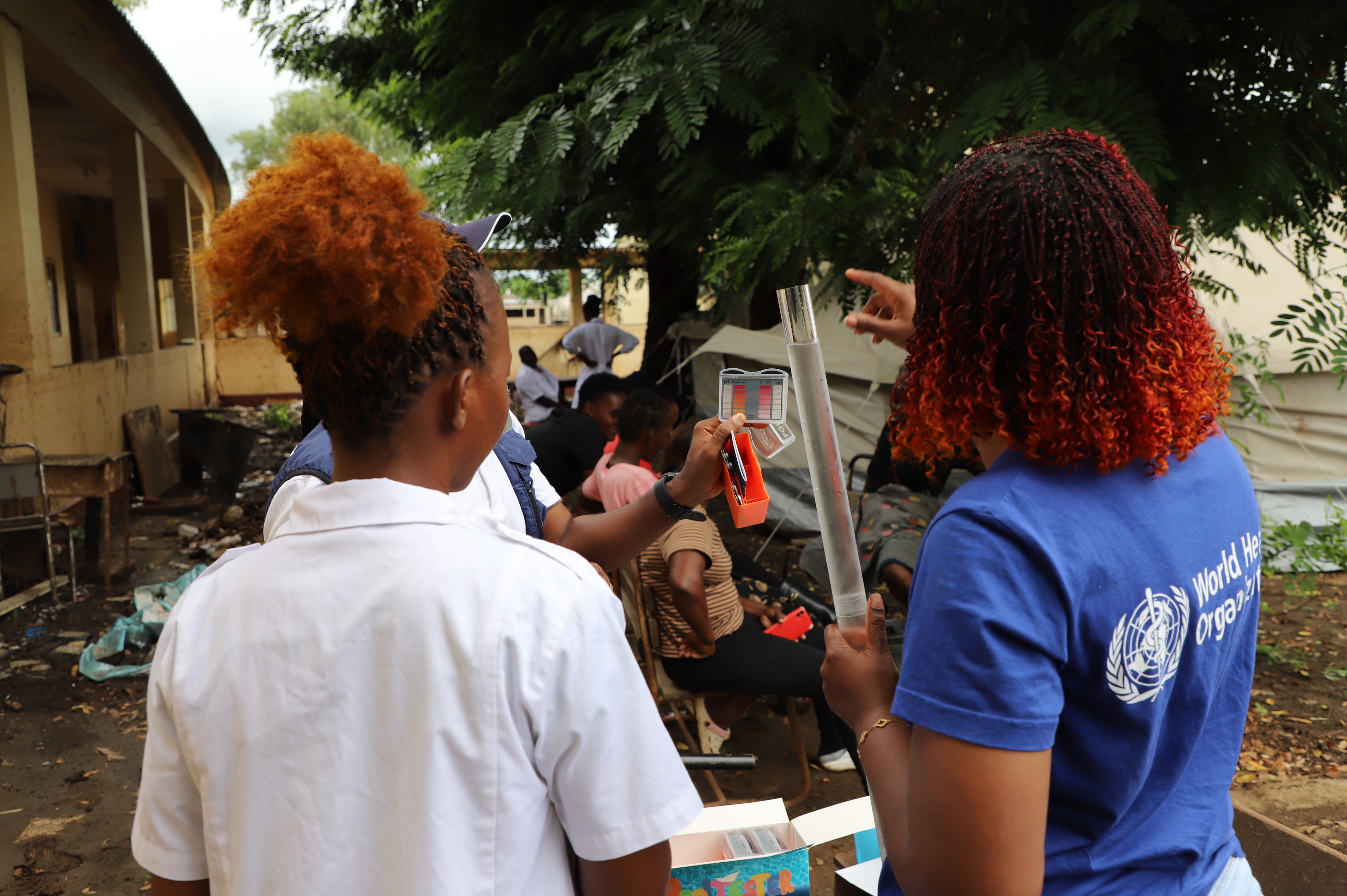
© WHO / Felipe Moraes
For local health professionals, the initiative represents a significant step forward in responding to the flood emergency. "The training was very good and very positive, especially at this time of year. We really needed it. After this training, we will be able to test the water right here, without having to send samples and wait for the results. Now we can go to the various sources we have and do the testing," said Vánia Jaime, a general nurse who works in triage and paediatric care.
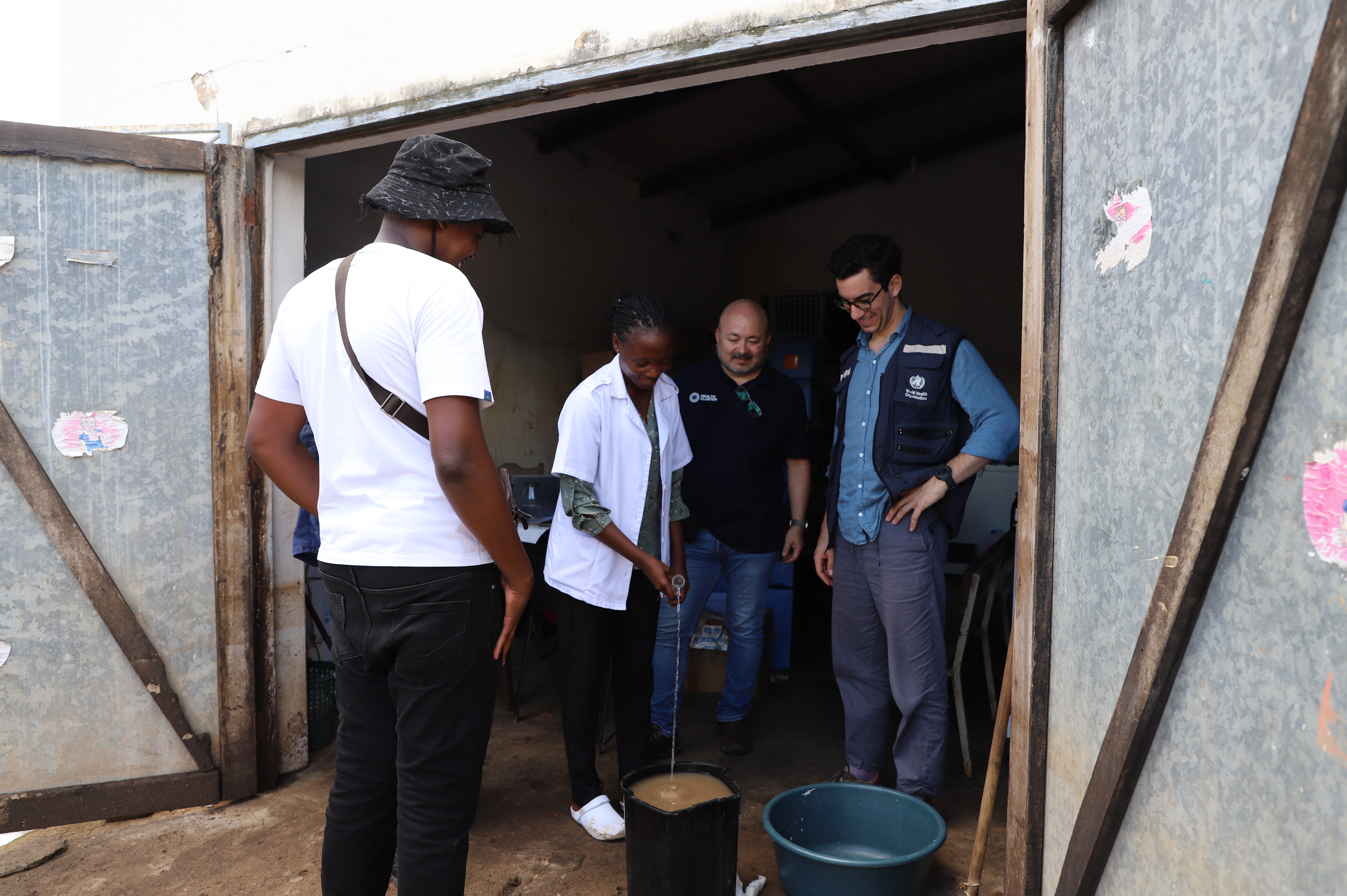
© WHO / Felipe Moraes
After the training sessions, the testing materials remain in the sites where the teams operate, allowing for continuous monitoring of water quality in the different communities. ‘If the water is not fit for consumption, we will advise the population to reinforce purification and secure drinking water. Monitoring will make it possible to reduce the risk of disease,’ she added.
© WHO / Felipe Moraes
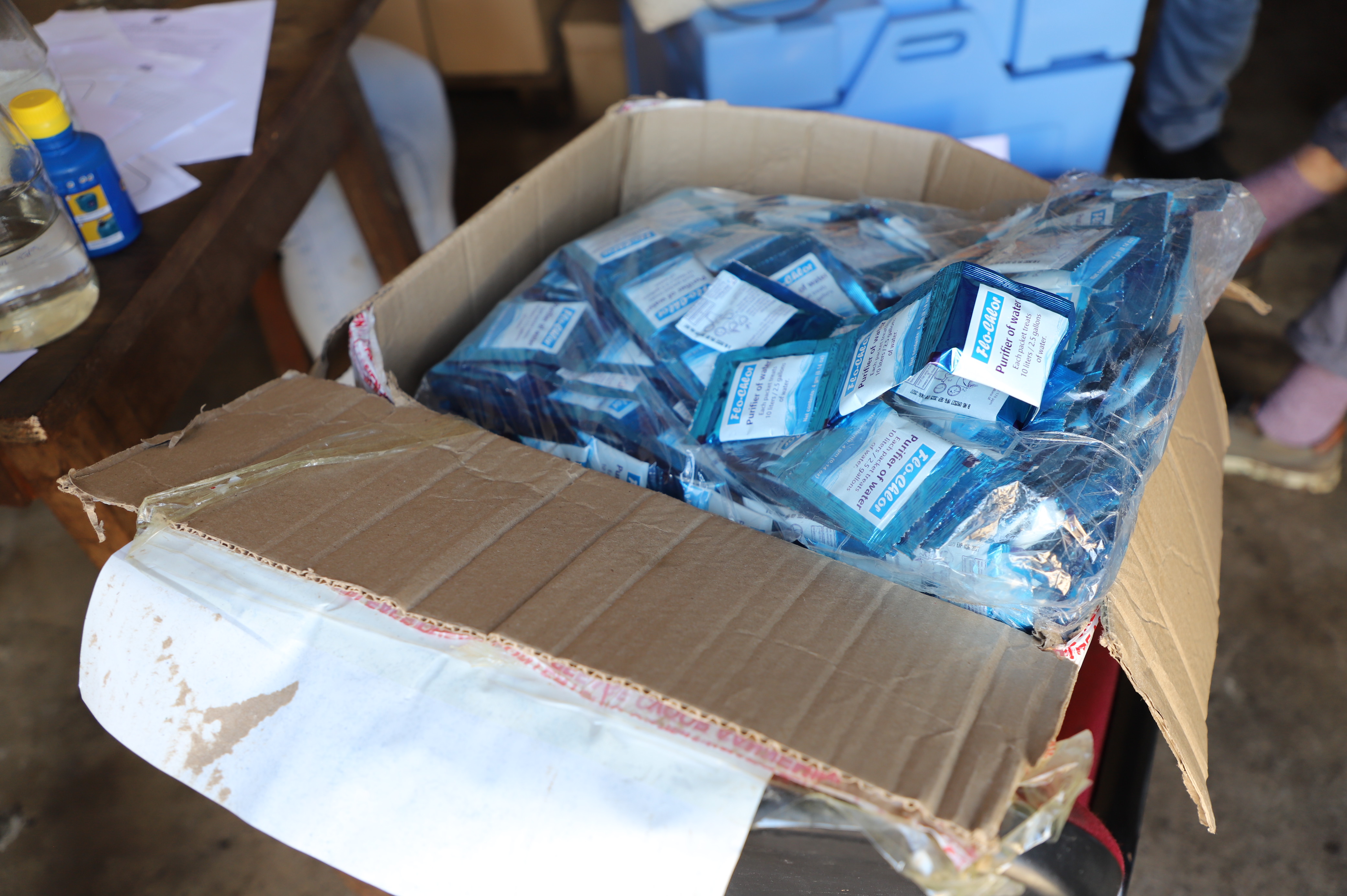
The purification units are intended for domestic use, allowing families to treat unclean or contaminated water before consumption. The available stock can treat up to 20 000 litres of water in these conditions.
This initiative is part of the response to the floods in Gaza province and aims to increase access to safe drinking water in communities, contributing to the prevention of diarrhoeal diseases and strengthening public health protection in emergency situations.
This initiative is part of the response to the floods in Gaza province and aims to increase access to safe drinking water in communities, contributing to the prevention of diarrhoeal diseases and strengthening public health protection in emergency situations.
Pour plus d'informations ou pour demander des interviews, veuillez contacter :
Florence Erb
External Relations Officer
Rua Beijo da Mulata, 73, Sommerschield, Maputo
P.O. Box 377, Maputo, Mozambique
Telephone: (+258) 21 491 990
Email: erbf [at] who.int (erbf[at]who[dot]int)