Ghana Pushes for Tailored Adolescent-Responsive Sexual and Reproductive Health and Rights Communication

In Ghana, conversations about sex and contraceptives remain sensitive, particularly when they involve adolescents. Cultural expectations, religious beliefs and stigma often limit young people’s access to accurate, age-appropriate information on sexual and reproductive health (SRH). Yet the consequences of silence are evident in persistent teenage pregnancies, unsafe sexual practices and low utilization of adolescent-friendly health services.

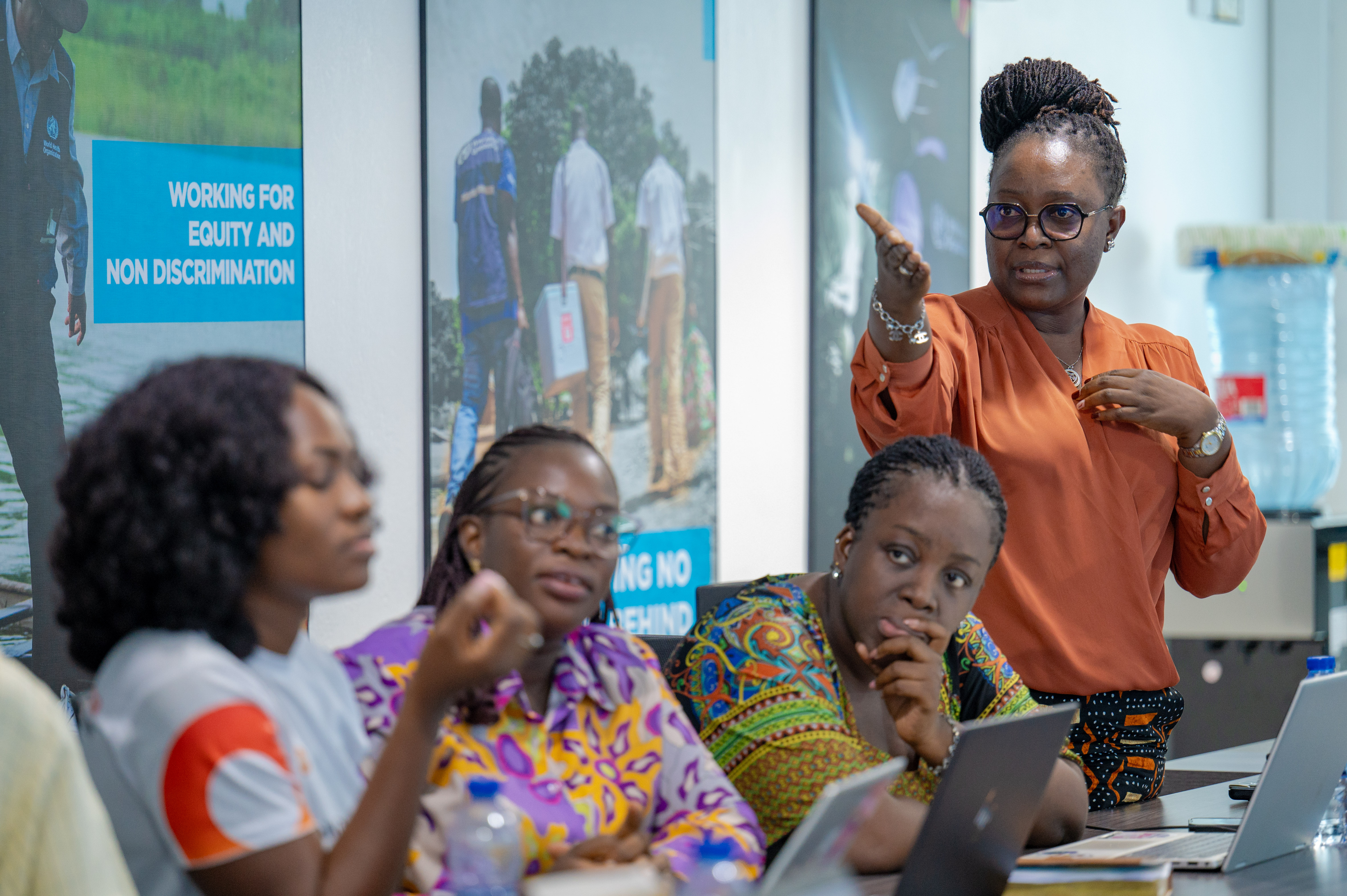
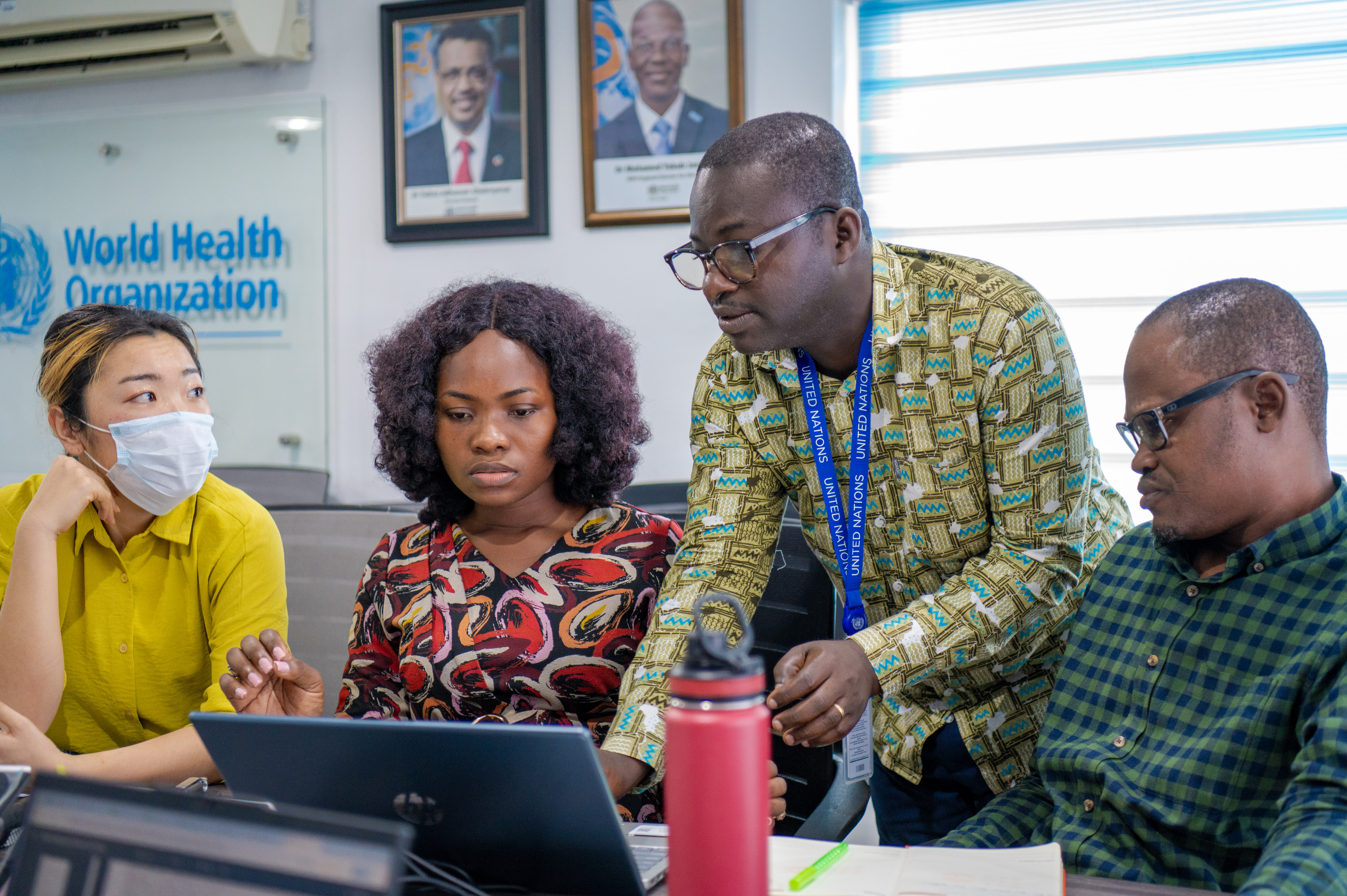
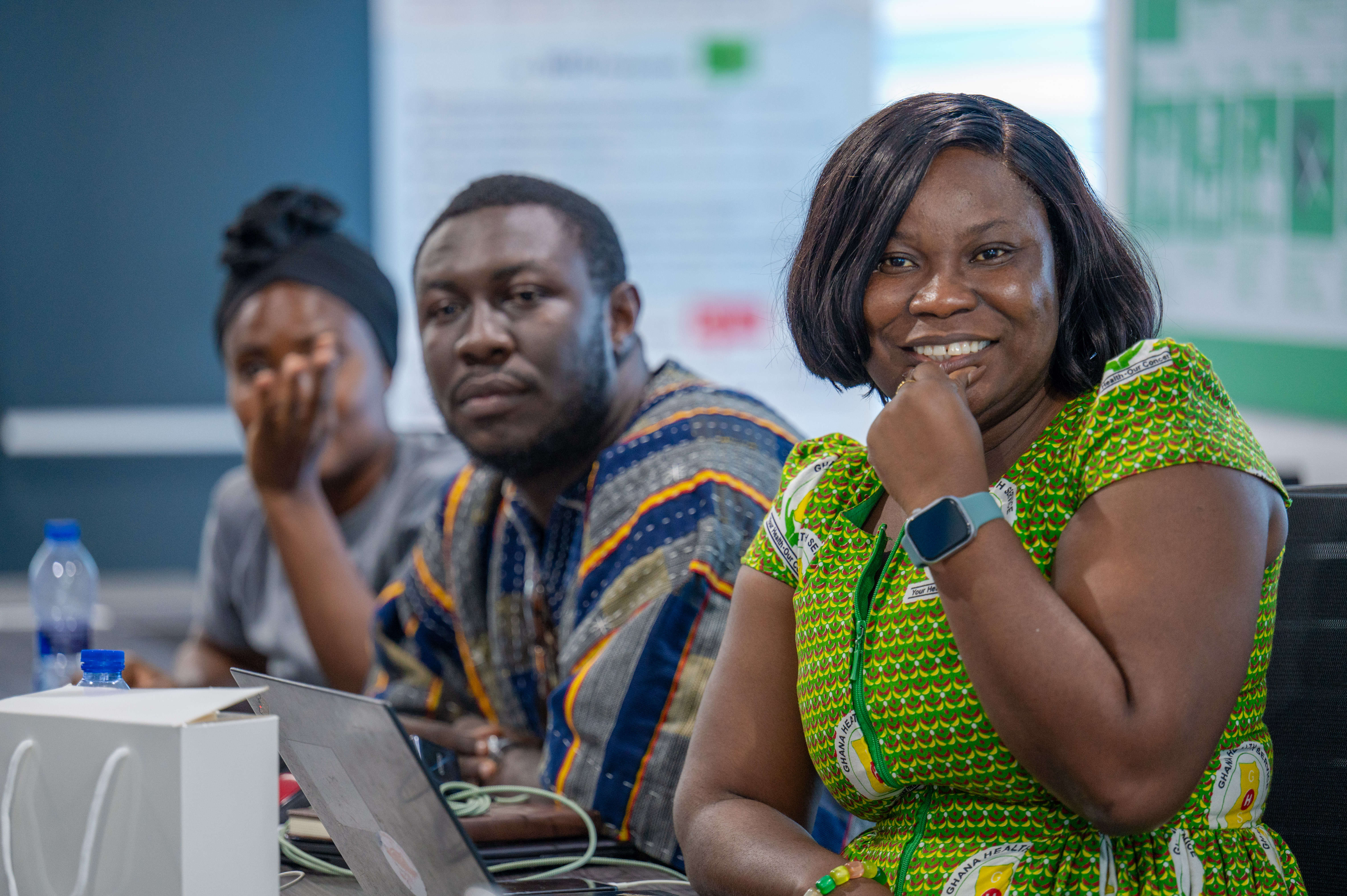
From 10 to 12 February 2026, health workers, youth representatives, reproductive health experts, adolescent health convened a three-day Technical Working Group (TWG) meeting. The meeting, organised by the Ghana Health Service (GHS), with support from the World Health Organization (WHO) with funding from United Kingdom Foreign, Commonwealth & Development Office aimed not only to adapt existing Social and Behaviour Change (SBC) materials on safe sex practices and other key Sexual and Reproductive Health (SRH) issues, but also to rethink how adolescents and young people are engaged and communicated with.
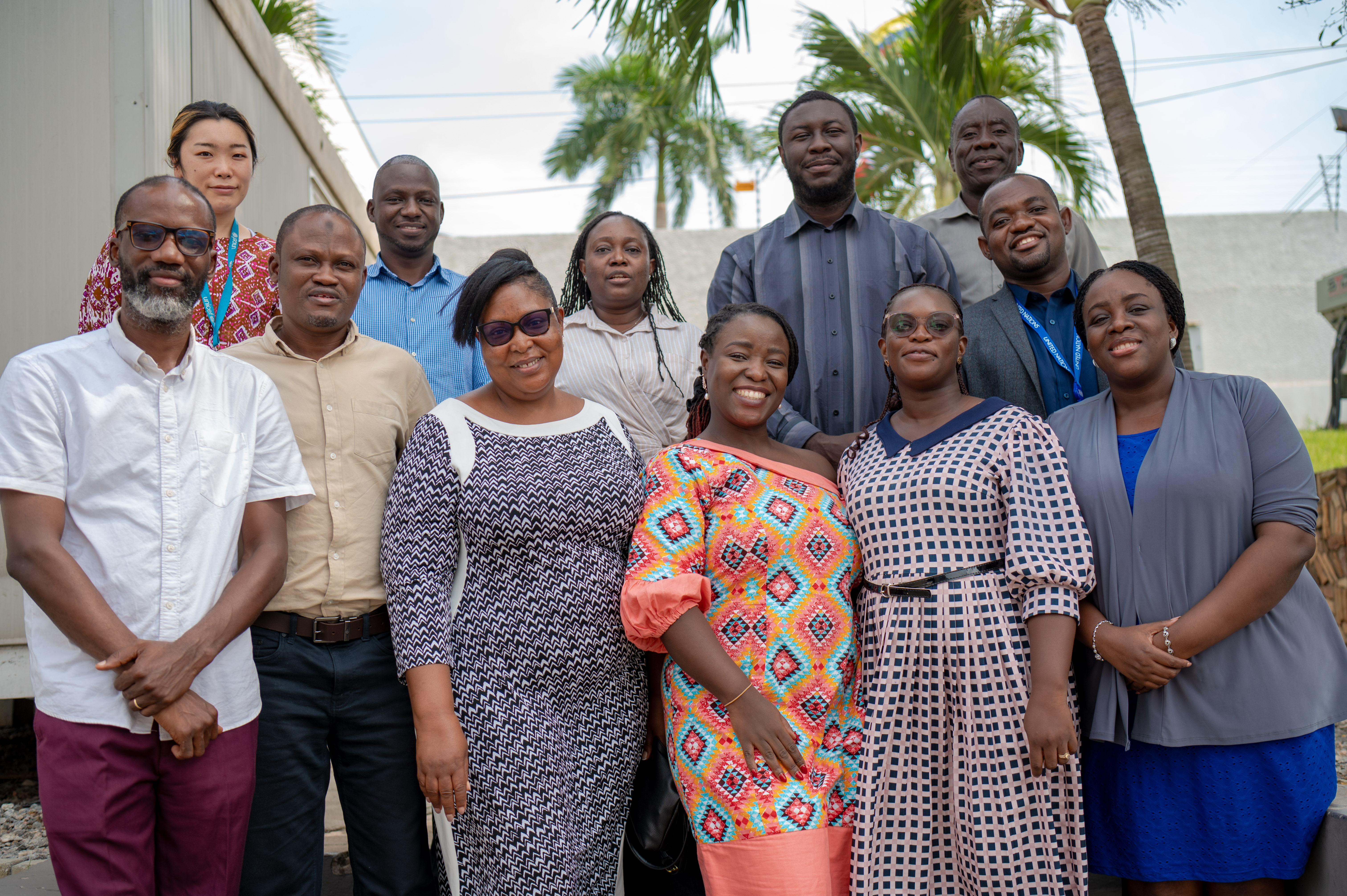
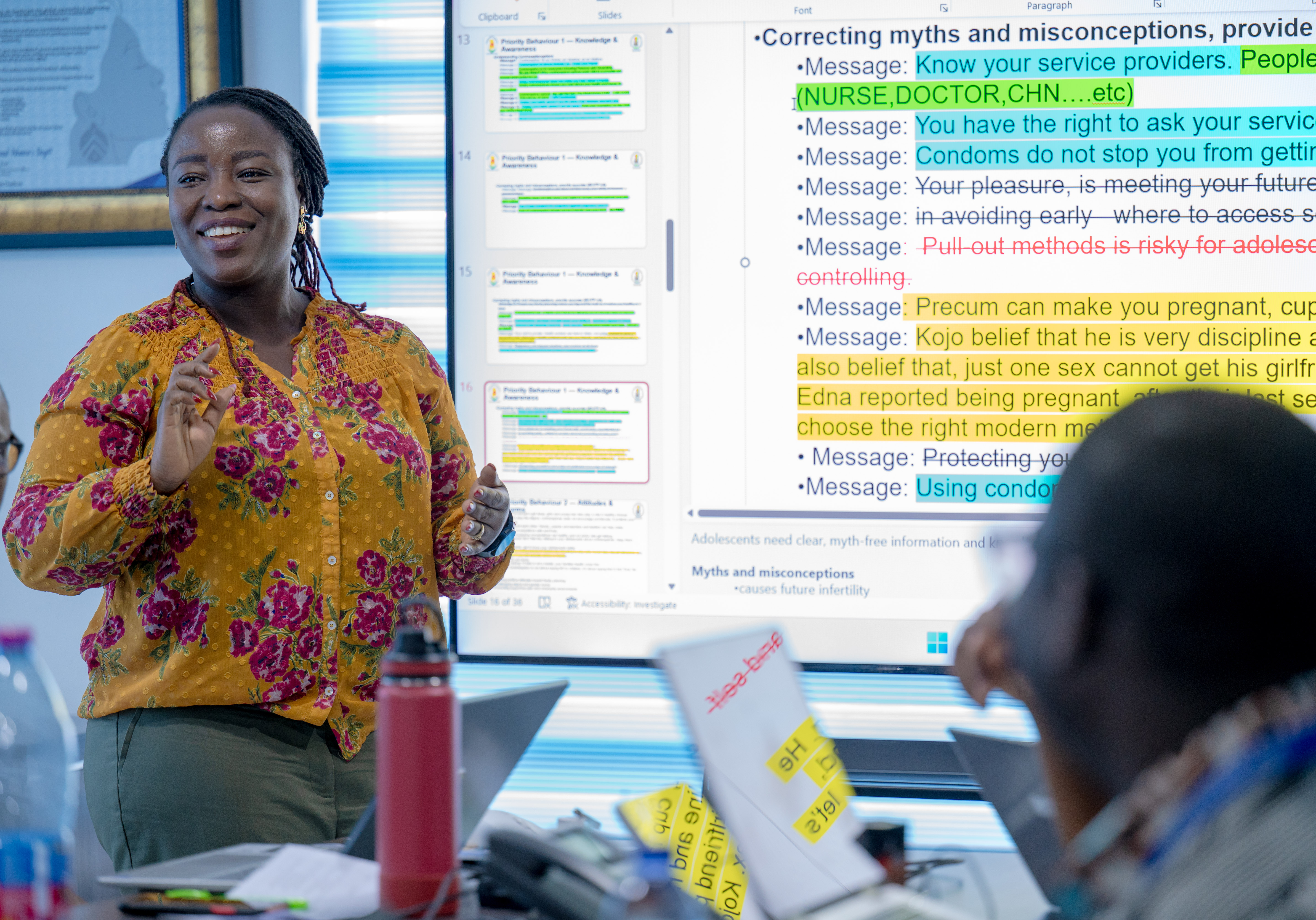
Photo@Abdul-RahimNaaAbdul-Lahie/WHOGhana
Although Ghana has expanded adolescent and youth-friendly health services in recent years, many existing communication materials were originally designed for adults and do not fully address adolescents’ realities, including fear of judgment, myths about contraception, stigma and limited decision-making autonomy.
Photo@Abdul-RahimNaaAbdul-Lahie/WHOGhana
Dr. Katherine Attoh, National Programme Officer for Reproductive, Maternal, Newborn, Child & Adolescent Health at WHO Ghana, highlighted the importance of tailoring information and services to adolescents’ needs.

“Adolescents in Ghana are navigating complex social pressures, misinformation and stigma when it comes to sexual and reproductive health. If the information we provide does not reflect their realities and respect their rights, it will not have impact. This adaptation ensures that our SBC materials are technically sound and truly adolescent-responsive”, she said.
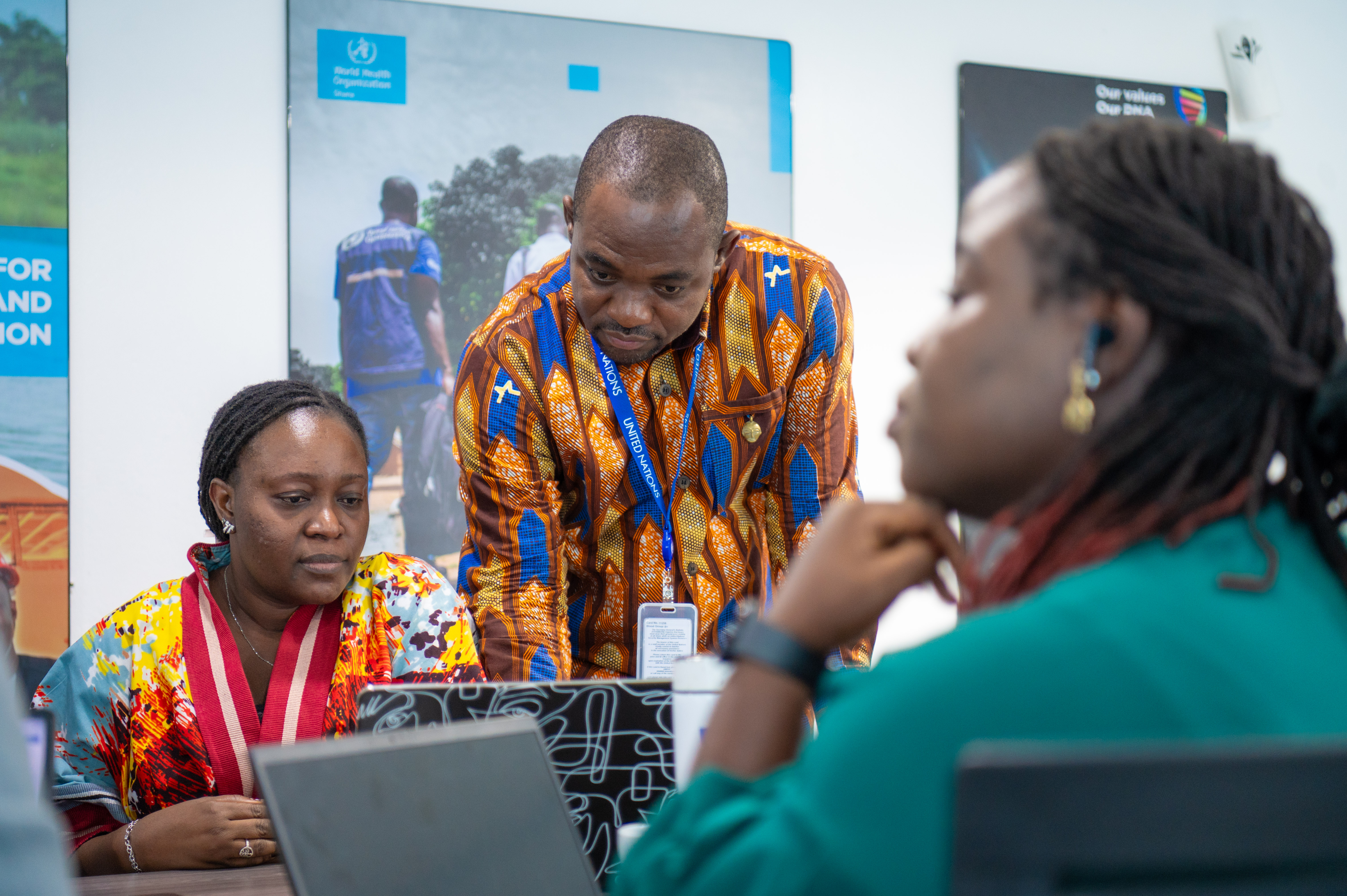
Photo@Abdul-RahimNaaAbdul-Lahie/WHOGhana
The adapted materials aim to provide clear, accurate information on safe sex and contraceptive options, address common misconceptions and guide adolescents on where to access confidential, youth friendly SRH services.
Photo@Abdul-RahimNaaAbdul-Lahie/WHOGhana
Sharifa Mohammed, Programme Manager of the Adolescent Health and Development Programme at the Ghana Health Service, reaffirmed the national commitment to adolescent health, “As a health system, we have a responsibility to equip young people with accurate and culturally sensitive information to make informed decisions. Strengthening our communication materials is critical to reducing teenage pregnancy and improving health outcomes among adolescents”.
Photo@Abdul-RahimNaaAbdul-Lahie/WHOGhana
The process also emphasized respectful, relatable messaging that resonates with young people. Language, tone and visuals were carefully reviewed to avoid stigma and ensure inclusivity.
Photo@Abdul-RahimNaaAbdul-Lahie/WHOGhana
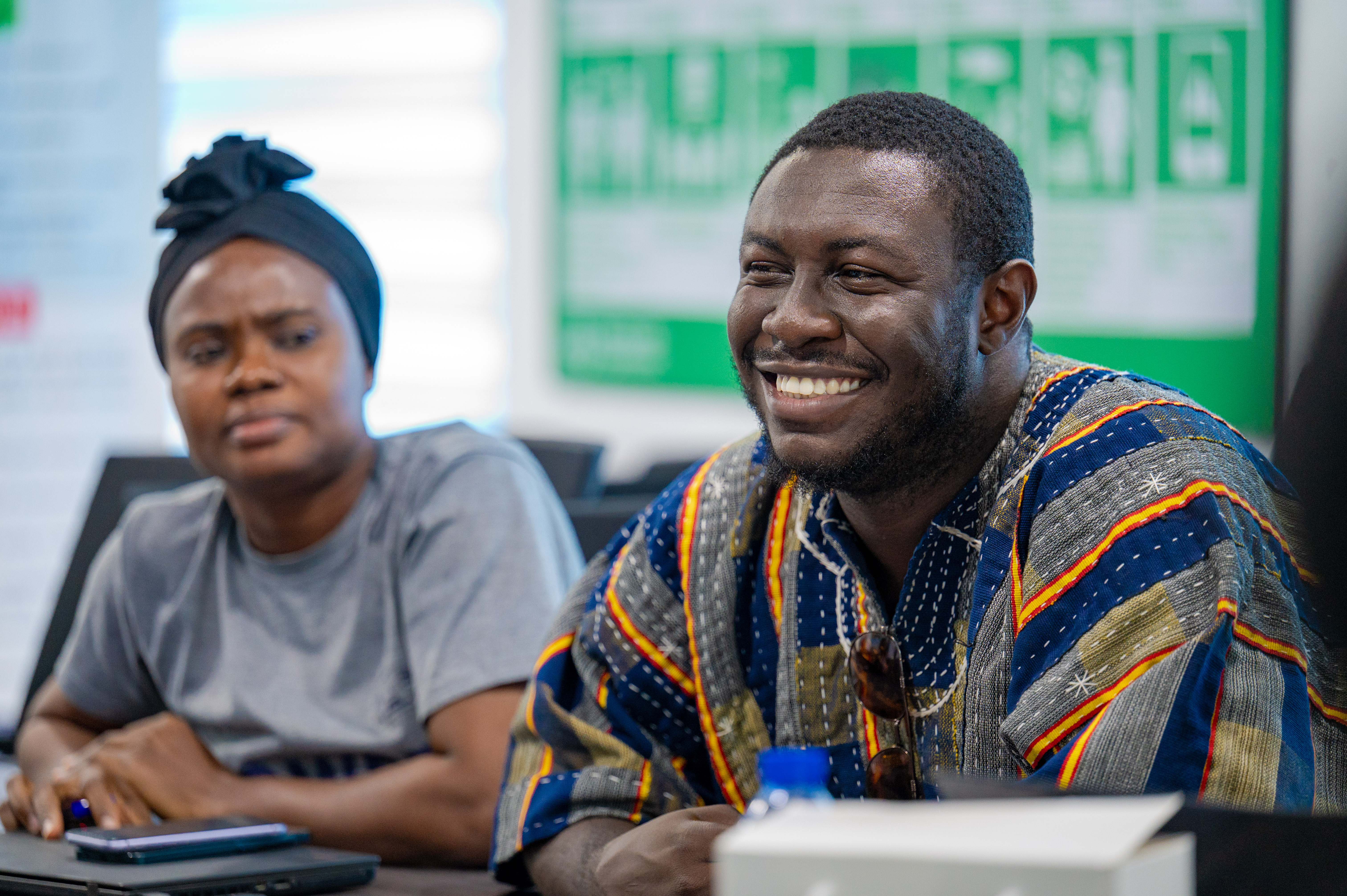
Youth representative, Ralph Agyei Agyapong noted, “As young people, we want honest and relatable information. When materials speak our language and address our concerns, we are more likely to trust the health system and seek services”.
Photo@Abdul-RahimNaaAbdul-Lahie/WHOGhana
By the end of the third day of the TWG, the team had transformed the materials into tools that are youth-friendly, inclusive, stigma-free, and anchored in the rights and realities of young people. The adapted SBC materials are expected to strengthen adolescent health literacy, challenge harmful myths, confidently seek the care they need and increase demand for adolescent- and youth-friendly FP/SRHR services across Ghana.