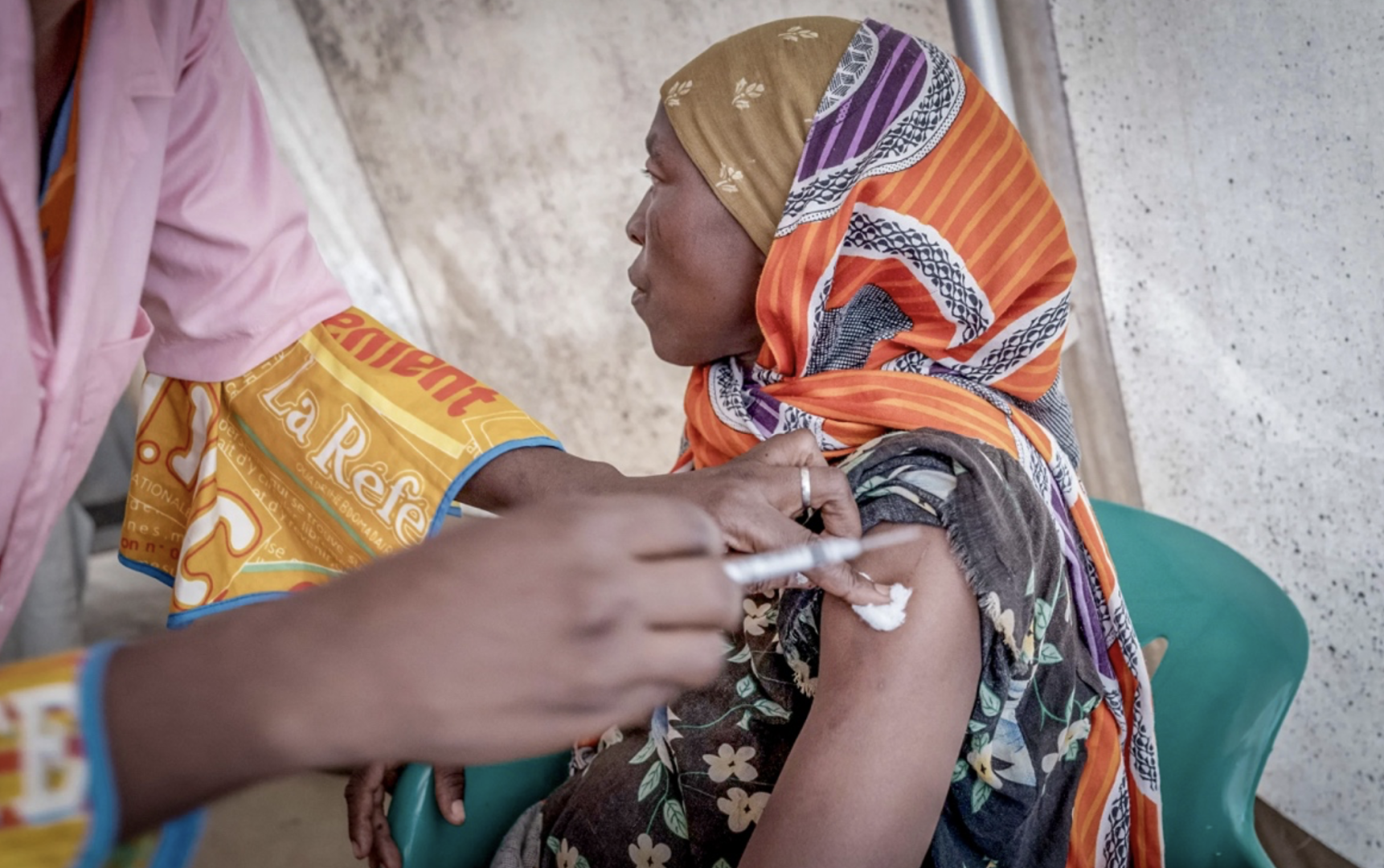
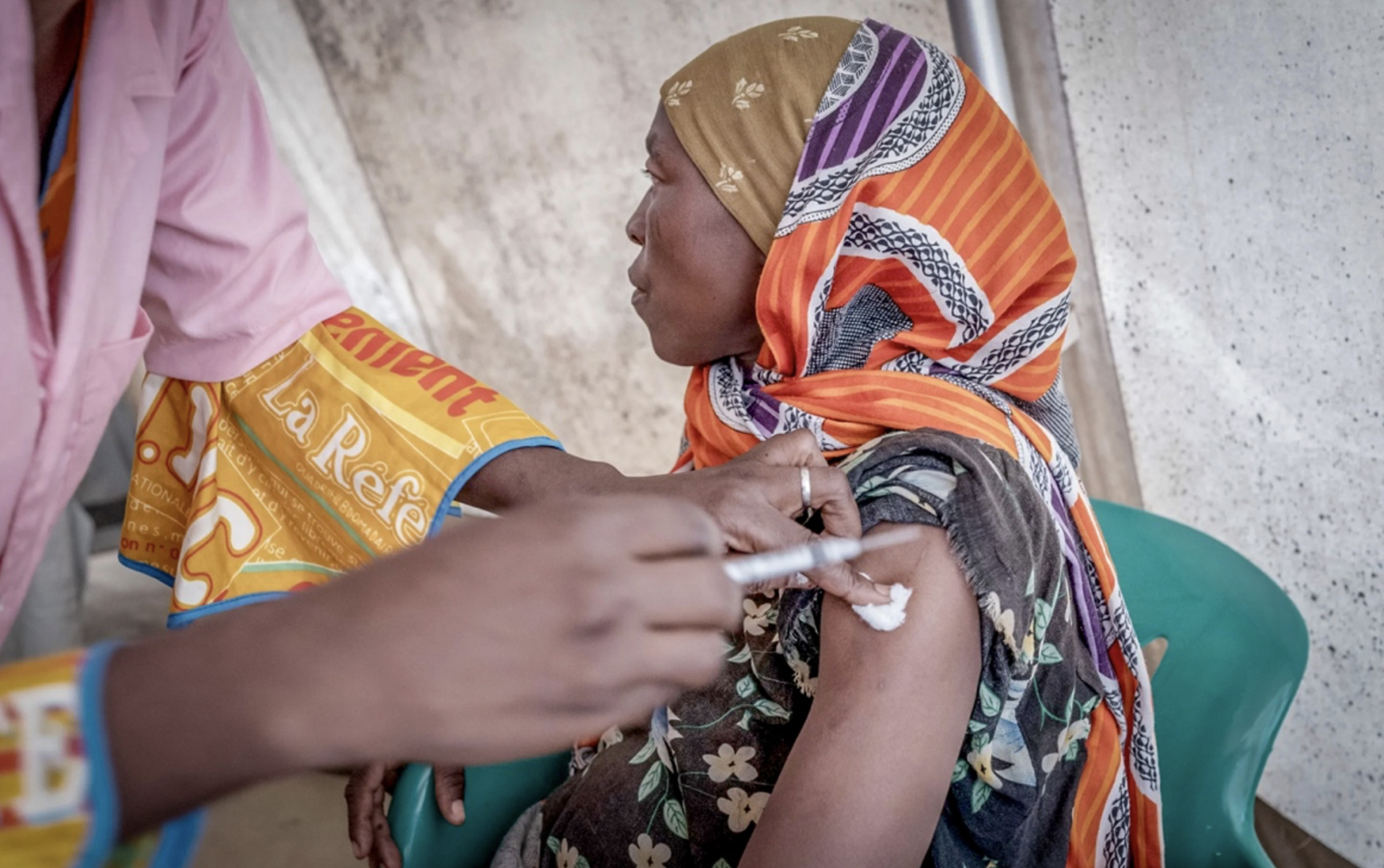
Garissa health workers trained on WHO global competency standards to strengthen care for refugees and migrants
Garissa County—Twenty-five frontline health workers from Garissa County have completed a five-day training on the World Health Organization (WHO) Global Competency Standards for Health Workers providing care to refugees and migrants, equipping them with skills to deliver people-centred and culturally sensitive services in one of Kenya's busiest border regions.
Garissa hosts more than 430 000 refugees, most from neighbouring Somalia. The large population movement across the porous border exposes both refugees and host communities to health challenges, including outbreaks of cholera, measles and poliovirus, as well as rising needs in maternal and mental health care.
The training, held from 29 September to 3 October 2025, was led by the Ministry of Health, with the support of WHO Kenya and partners. Participants were drawn from health facilities serving Hagadera, Ifo 1, Ifo 2 and Dagahaley refugee camps, as well as cross-border sub-counties of Dadaab, Fafi and Hulugho sub-counties, bringing together frontline teams from both refugee and host community settings.
"Communication is a key pillar," said Angela Makena, a Kenya Red Cross midwife in Dadaab. "How we approach a client with kindness, clarity and respect determines whether they understand and return for care."
The course introduced WHO's nine global competencies, covering people-centred care, communication, collaboration and evidence-informed practice. Using case studies and e-learning modules from the WHO Academy, participants practised skills such as using interpreters, ensuring continuity of treatment for chronic conditions and referring patients across agencies.
"Most providers are technically strong, but communication remains the missing link," noted Dr Adam Haji, WHO District Health Systems Officer. "By understanding culture and context, health workers can meet people where they are and improve the quality of services."
Remote facilitation by Professor Giorgi Pkhakadze from WHO Headquarters guided participants through global standards and ethical considerations in displacement settings. "Refugees and migrants are not one group," he reminded. "Age, gender, trauma and tradition shape their needs and competent care means adapting to each."
All 25 participants completed the e-learning course and received certificates and digital badges. A parallel one-day session sensitized 25 county and partner managers to integrate the competency standards into policy and supervision.
Majid Mohamed, Assistant Director of Public Health at the Ministry of Health, emphasised the need to expand the initiative: "We often focus on established camps, yet many refugees enter through informal crossings. These competencies must reach border points where the first contact happens."
The next steps agreed with the Ministry of Health and partners include scaling the training to Kakuma, developing a simplified module for community health promoters and promoting broader enrolment in the WHO Academy course. The exercise contributes to maintaining essential health services in fragile and vulnerable settings under WHO's Thirteenth General Programme of Work (GPW 13) and the WHO global action plan (2019–2030) on promoting health of refugees and migrants and contributors to accelerating Kenya’s national health agenda.
Communication officer
WHO Kenya
Tel: +254 740 466 426
Email: printg [at] who.int (printg[at]who[dot]int)