Nigeria Launches First National Antimicrobial Resistance Survey
Abuja, Nigeria has launched its first nationally representative survey on antimicrobial resistance (AMR), marking a milestone in the country’s public health response. Supported by the World Health Organization (WHO) and partners, the initiative will generate critical data to guide evidence-based policies, improve patient outcomes, and strengthen health system resilience.
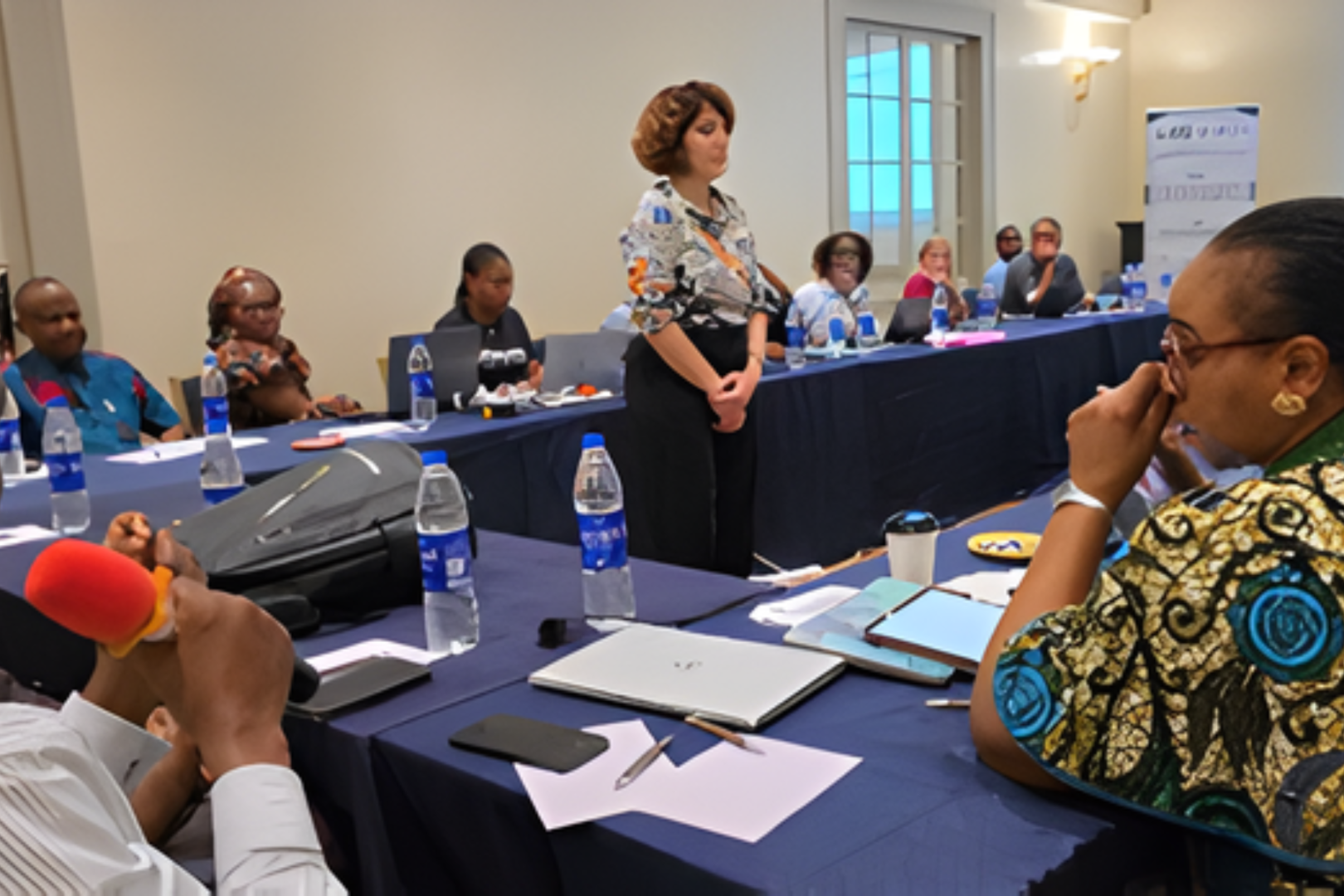
The Federal Ministry of Health and Social Welfare (FMoH&SW) and the Nigeria Centre for Disease Control and Prevention (NCDC), with technical support from WHO, recently concluded a five-day planning workshop. The workshop brought together stakeholders from government, academia, and international partners to finalize the technical protocol and operational strategy.
Nigeria is the third country globally to partner with WHO on a national AMR survey. The country was selected based on its strong commitment to AMR surveillance, its updated WHO Nigeria NAP 2.0, and readiness to expand laboratory and data systems.
Why Surveillance Matters
Nigeria ranks 20th globally for age-standardized mortality due to AMR. In 2019, an estimated 263,400 deaths in Nigeria were linked to AMR—more than the combined deaths from enteric infections, tuberculosis, respiratory infections, maternal and neonatal disorders, neglected tropical diseases, malaria, and cardiovascular diseases (Global Research on Antimicrobial Resistance – GRAM, IHME, University of Washington, 2023).
Globally, resistant infections in tertiary care settings cost between US$2,371 and US$29,289 per patient episode, extend hospital stays by an average of 7.4 days, and increase mortality risk by 84% (Poudel AN et al., PLoS One, 2023).
AMR occurs when bacteria, viruses, fungi, and parasites evolve to resist treatment, making infections harder to cure. Surveillance is essential to track resistance patterns, identify priority pathogens, and guide targeted interventions.
“This planning workshop marks a significant milestone in Nigeria’s AMR response,” said Dr Tochi Okwor, Acting Head, Disease Prevention and Health Promotion, NCDC. “With WHO’s support, we are confident the survey will generate the evidence needed to protect public health.”
Survey Objectives and Scope
The survey will:
• Establish a national baseline on AMR prevalence to monitor interventions.
• Assess the distribution, burden (morbidity, mortality, DALYs, cost), and diversity of AMR across regions and populations.
• Contribute to the global target of reducing AMR deaths by 10% by 2030, in line with the political declaration endorsed at the 79th United Nations General Assembly in 2024.).
• Strengthen routine AMR surveillance, including diagnostics, sample referral systems, and laboratory capacity.
Using WHO’s standardized methodology, the survey will run for 12–15 months and cover 40–45 randomly selected health facilities nationwide. Patients with suspected bloodstream infections (BSIs) will be identified using standard case definitions, and blood samples will be analysed in quality-assured laboratories.
Data will be collected across all age groups, covering clinical, demographic, laboratory, financial, and outcome indicators. Follow-up will occur at discharge, 28 days, and three months post-infection. The survey will sample approximately 35,000 patients suspected of BSIs to obtain around 800 isolates of the most common pathogens.
Building National Capacity
WHO Representative in Nigeria, Dr Pavel Ursu, reaffirmed WHO’s commitment:
“Nigeria is taking a decisive step toward combating AMR with an approach grounded in data, science, and measurable impact. This survey will provide the clarity needed to drive smarter policies, stronger surveillance, and better patient outcomes. Nigeria is laying the foundations for a resilient health system, one that protects lives, strengthens trust, and ensures that essential medicines remain effective for future generations.”
Dr Laetitia Gahimbare, Technical Officer at WHO Regional Office for Africa, added:“Strengthening surveillance enhances Nigeria’s capacity to detect and respond to AMR threats, supporting better patient outcomes, reinforcing health security, and building a resilient system.”
Professor Babatunde Ogunbosi, Paediatric Infectious Diseases Specialist at University College Hospital, Ibadan, highlighted the broader impact:
“This survey is about more than data. It’s about building national capacity for research, diagnostics, and policy. It integrates science into public health decision-making.”
Supporting Global Health and Universal Health Coverage
AMR is a global health challenge. Nigeria’s participation contributes to regional and international efforts to monitor resistance and coordinate responses. The survey also supports the One Health approach, recognizing the interconnectedness of human, animal, and environmental health.
By improving diagnostics, strengthening laboratory infrastructure, and promoting responsible antimicrobial use, the initiative will help reduce treatment failures and advance Nigeria’s progress toward Universal Health Coverage (UHC), national health security, and the National Health Sector Renewed Investment Initiative.
A Shared Commitment
AMR is among WHO’s top global health priorities. Nigeria’s efforts supported by WHO, NCDC, the National Agency for the Control of AIDS (NACA), and the Global Fund, demonstrate strong national ownership and multisectoral collaboration.
Through science, partnership, and evidence-based action, Nigeria is laying the foundation to safeguard lives, preserve the efficacy of essential medicines, and build a healthier future.
Communications Officer
WHO Nigeria
Email: hammanyerok [at] who.int (hammanyerok[at]who[dot]int)