Dawin Sionyonyo Lusakia farmed tobacco for over 20 years in Busia County attends one of these meetings and shares his experience.
"I used to farm tobacco, but I gained nothing from it. The work was overwhelming, and the worst part was having to involve my children. I didn't want to, but without their help we couldn't earn enough to eat."
"The most difficult time was during the leaf tying process. The tobacco companies had high demands, and the pressure was intense. In the evenings, I would hide my children so they could secretly help tie the leaves. I couldn't afford to hire anyone, so my whole family had to pitch in."
Tobacco growing is labour-intensive and often involves child labour, depriving children of education and exposing them to hazardous conditions. The tobacco industry exploits the inexpensive labour of smallholder farmers by offering initial incentives such as credit financing and promises of high returns, yet companies dictate pricing and grading, leaving farmers with little negotiating power. Consequently, many fall into debt traps that perpetuate household poverty.
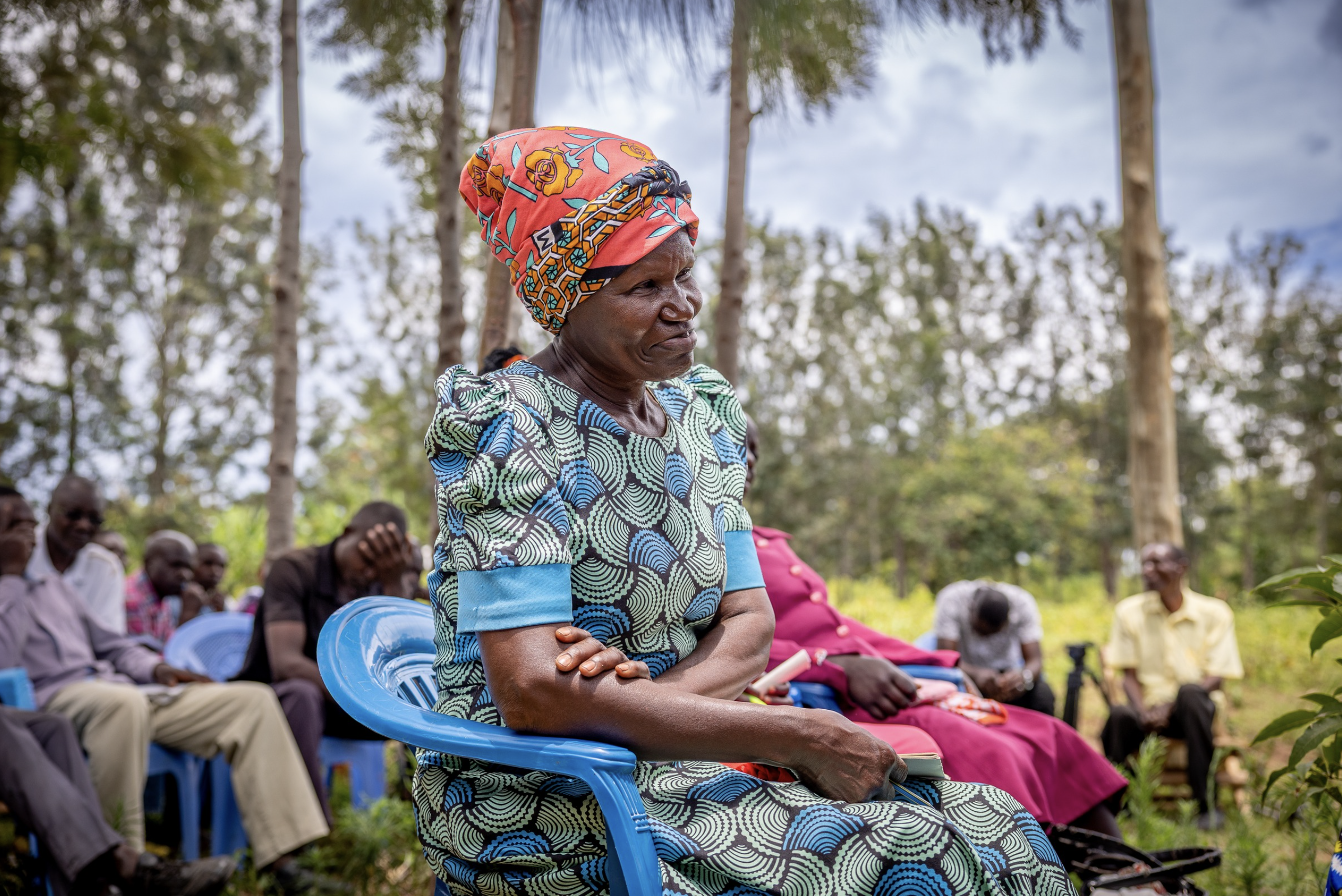
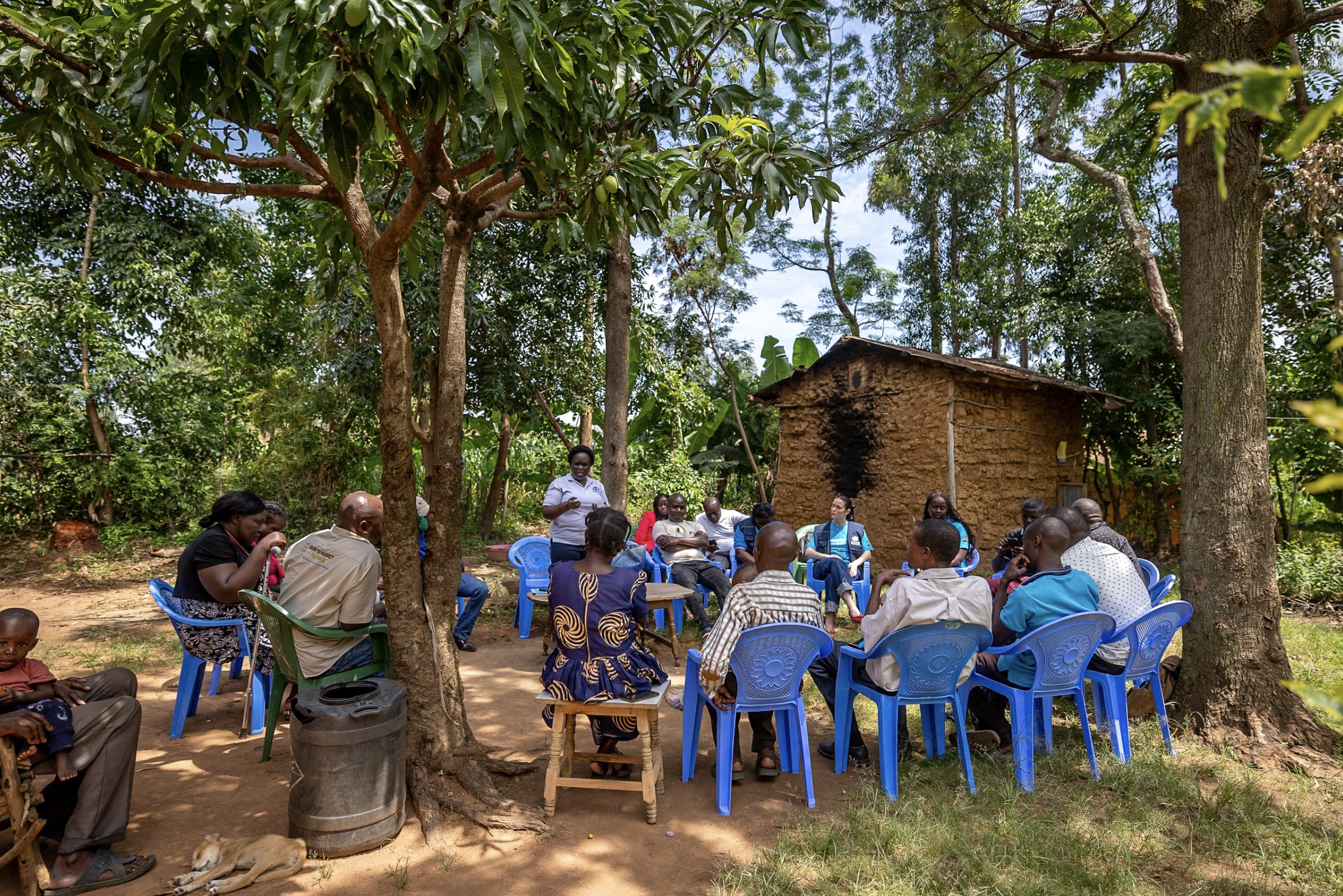
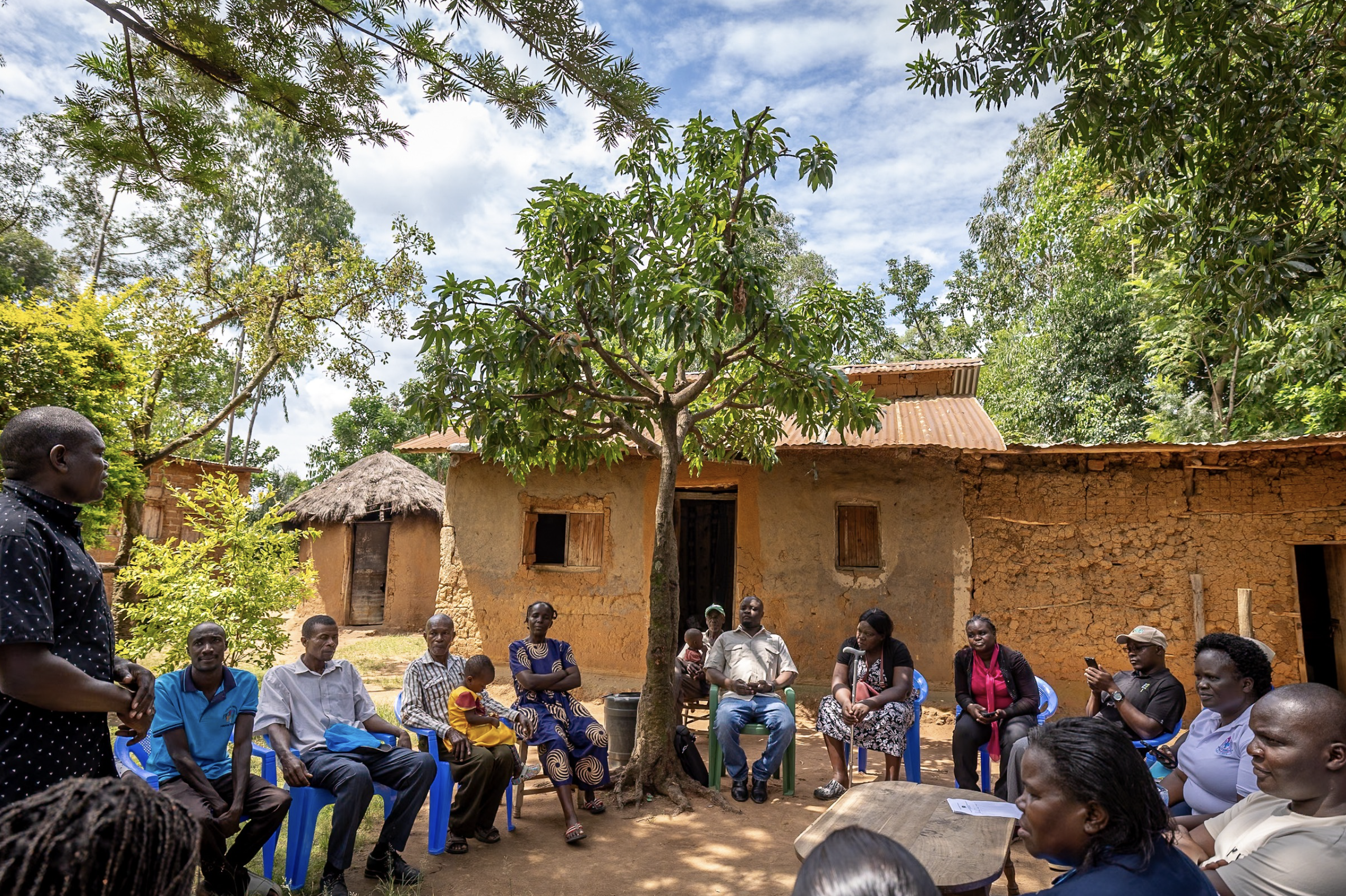
In the farmlands of easter and western Kenya, tobacco farmers are gathering for meetings to discuss a different way forward. Sitting together across four counties, they learn about the benefits of growing nutritious food crops instead of tobacco and share their experiences of the toll tobacco farming has taken on their health, their children and their land.
Most took up tobacco farming in search of a reliable income. For many, it seemed like the only option. But research tells a different story. According to the FAO, Kenyan bean farmers earn an average profit of 98,700 shillings per acre per year, while tobacco farmers earn just 15,224 shillings. Growing food does not just increase household income; it also ensures food and nutrition security.
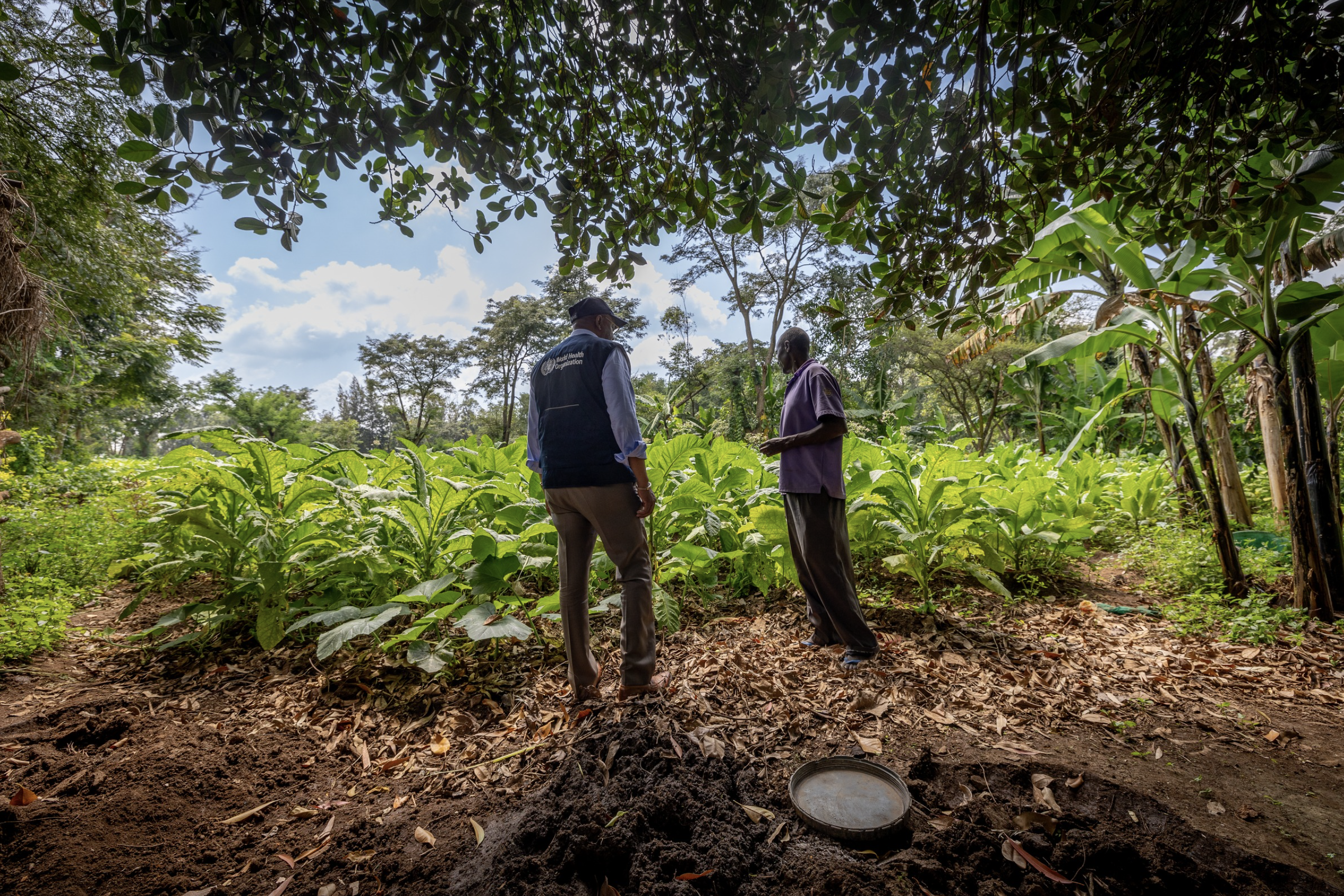
Gerald Silas, a tobacco farmer from Busia County, stands beside a field nearing harvest. He describes the symptoms of nicotine poisoning that come with handling tobacco leaves.
"After handling the leaves for a few hours, sometimes I start to feel lightheaded and sick to my stomach. Sometimes I get so dizzy I have to sit down."
Each day, a tobacco worker who plants, cultivates and harvests tobacco may absorb as much nicotine as found in 50 cigarettes. As many as one in four tobacco farmers are affected by green tobacco sickness, caused by nicotine absorbed through the skin when handling wet tobacco leaves. Symptoms include vomiting, dizziness, headaches, abdominal pain and breathlessness, lasting one to three days on average.
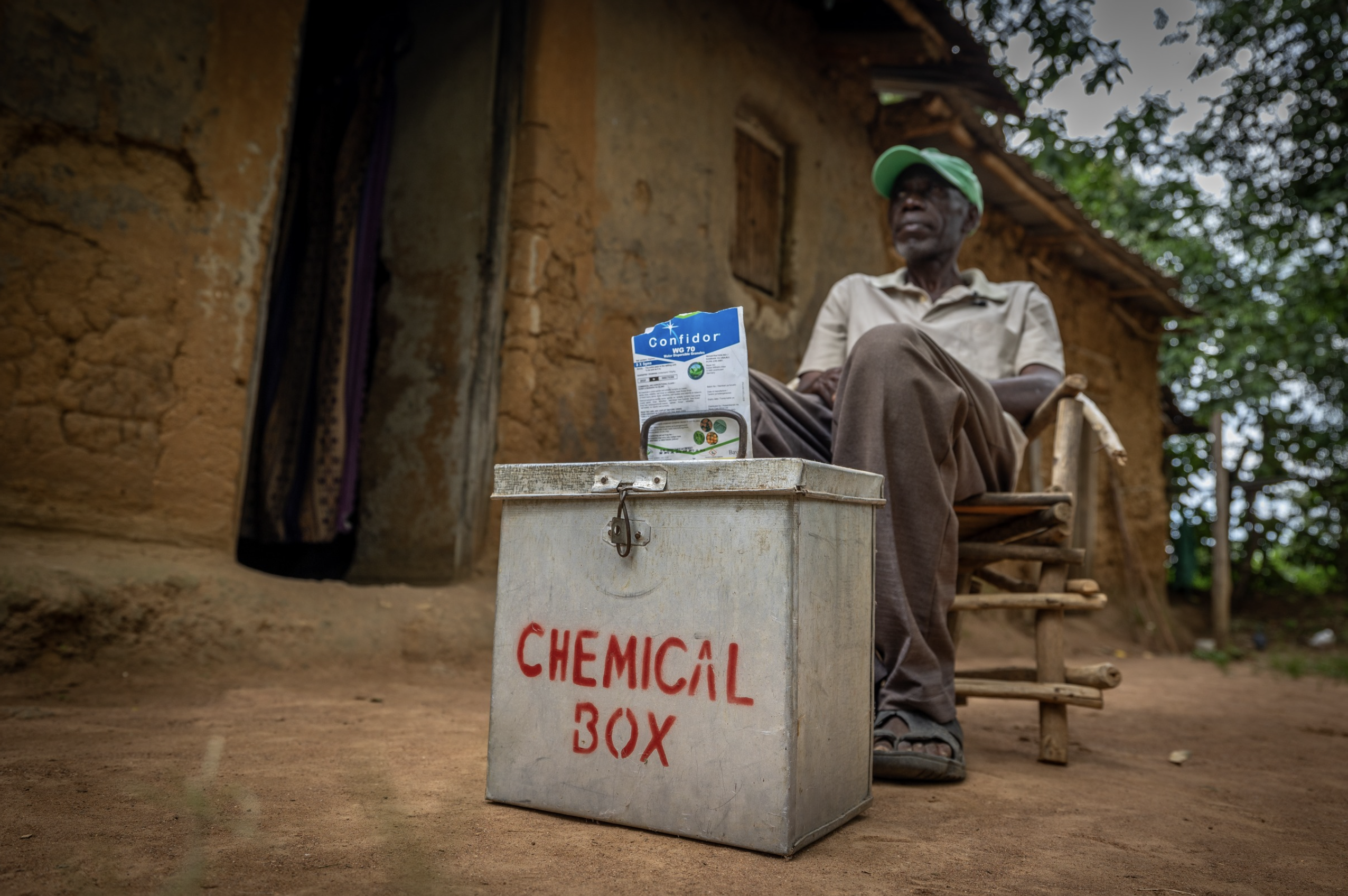
Dawin recalls the chemicals and their effects on his family's health.
"We had to use strong chemicals to grow tobacco, pesticides and fertilisers that were expensive and harmful. They caused headaches, coughing and skin problems, especially when we didn't have protective gear. The chemicals also damaged our soil and made it harder to grow other crops afterward."
"The leaves would irritate our skin. Once they touched our hands, the itching would start almost immediately."
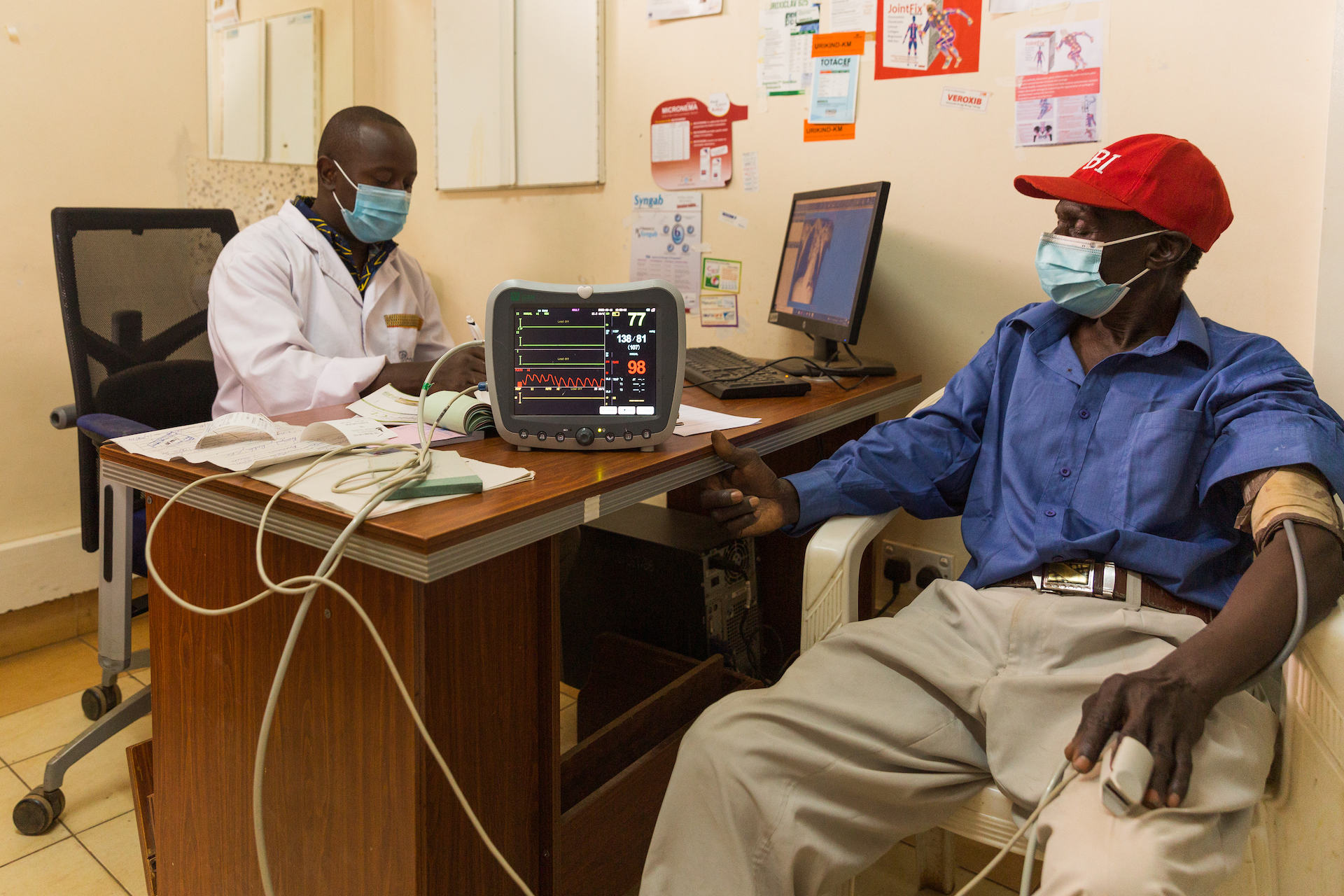
A recent study found that only 54% of tobacco farmers receive personal protective equipment, and fewer than half reported wearing gloves, boots or overalls while working. Women face particularly harmful effects; 50.1% of households cultivating tobacco reported that pregnant women participated in tobacco-growing activities, and almost a quarter reported pregnancy complications including miscarriage, stillbirth and premature births.
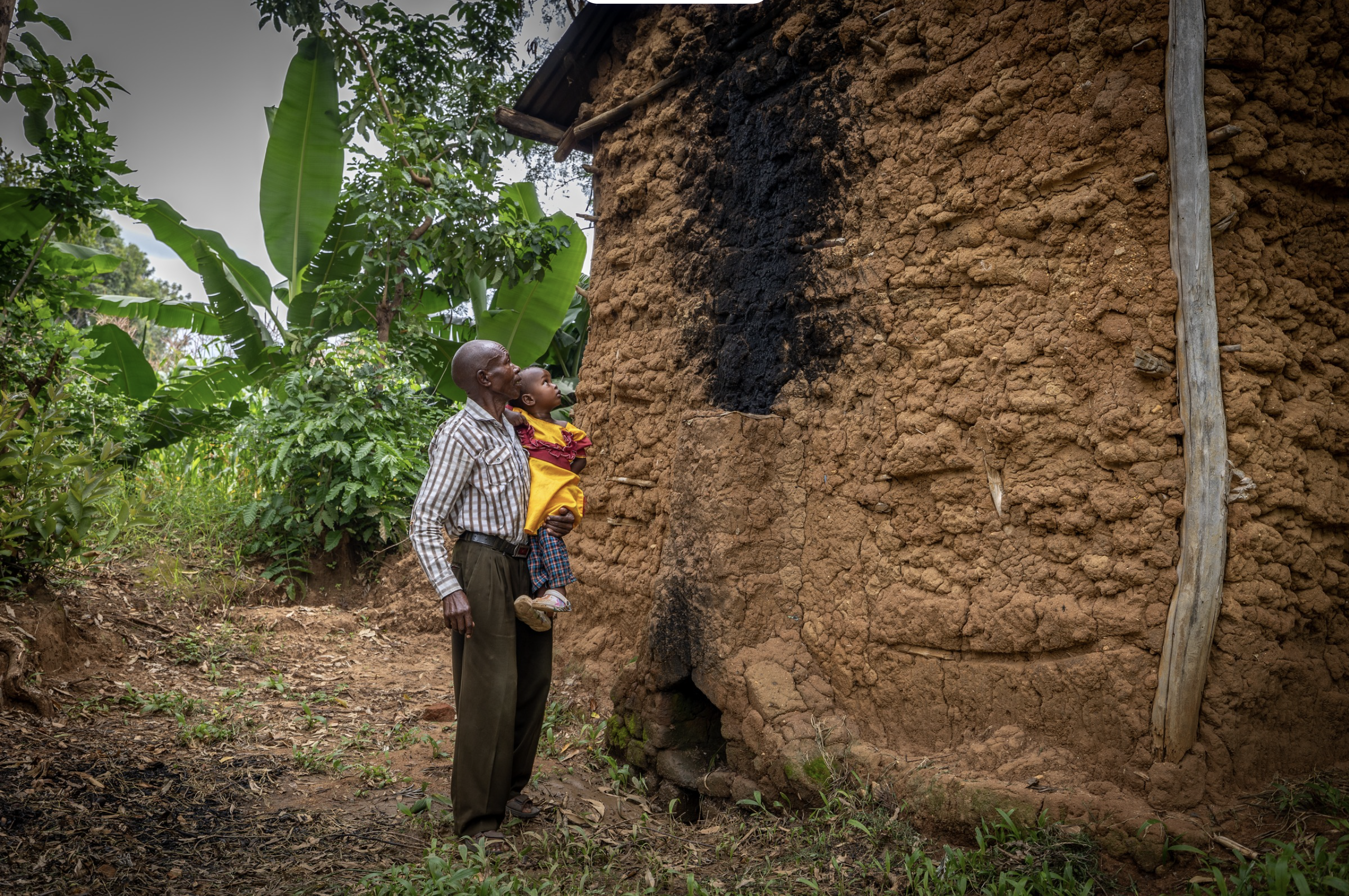
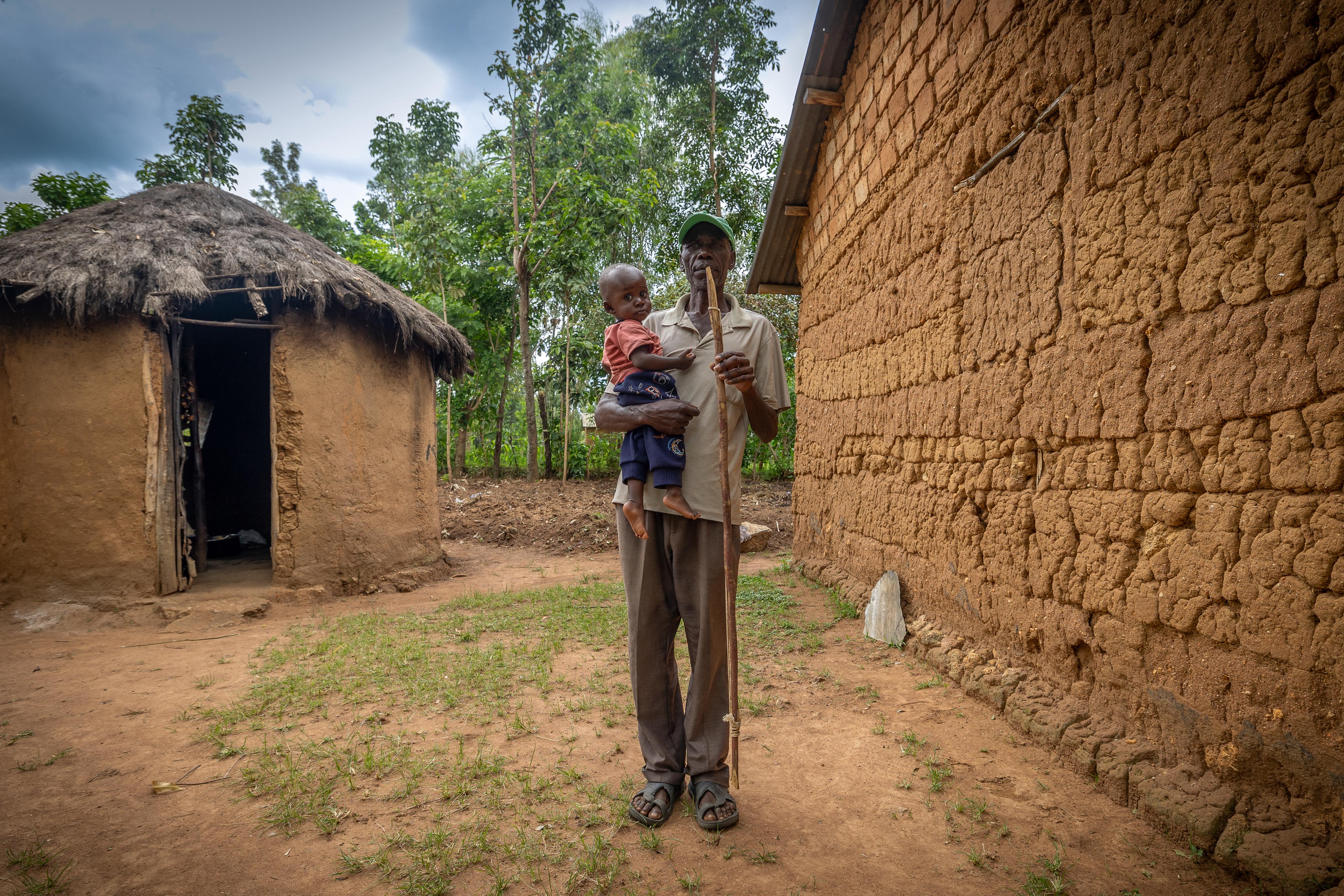
Moses Kikulesi, a former tobacco farmer, introduces his granddaughter Neema Rwekeza, who has also been impacted by the tobacco fields.
"Before Neema knew how to walk, we used to bring her to the tobacco field and lay her under the tobacco leaves while we worked. My wife would be helping me on the farm and there was no one at home to look after our child."
After picking, tobacco must be cured in small, enclosed rooms where fires are lit to smoke-dry the leaves. The charred black walls of the mud hut Moses and Neema show the toll of this process. Children are often tasked with tending these fires. The concentration of smoke and nicotine in these confined spaces poses serious health risks, particularly for young lungs. The smoke also affects air quality from the curing site, contributing to local air pollution.
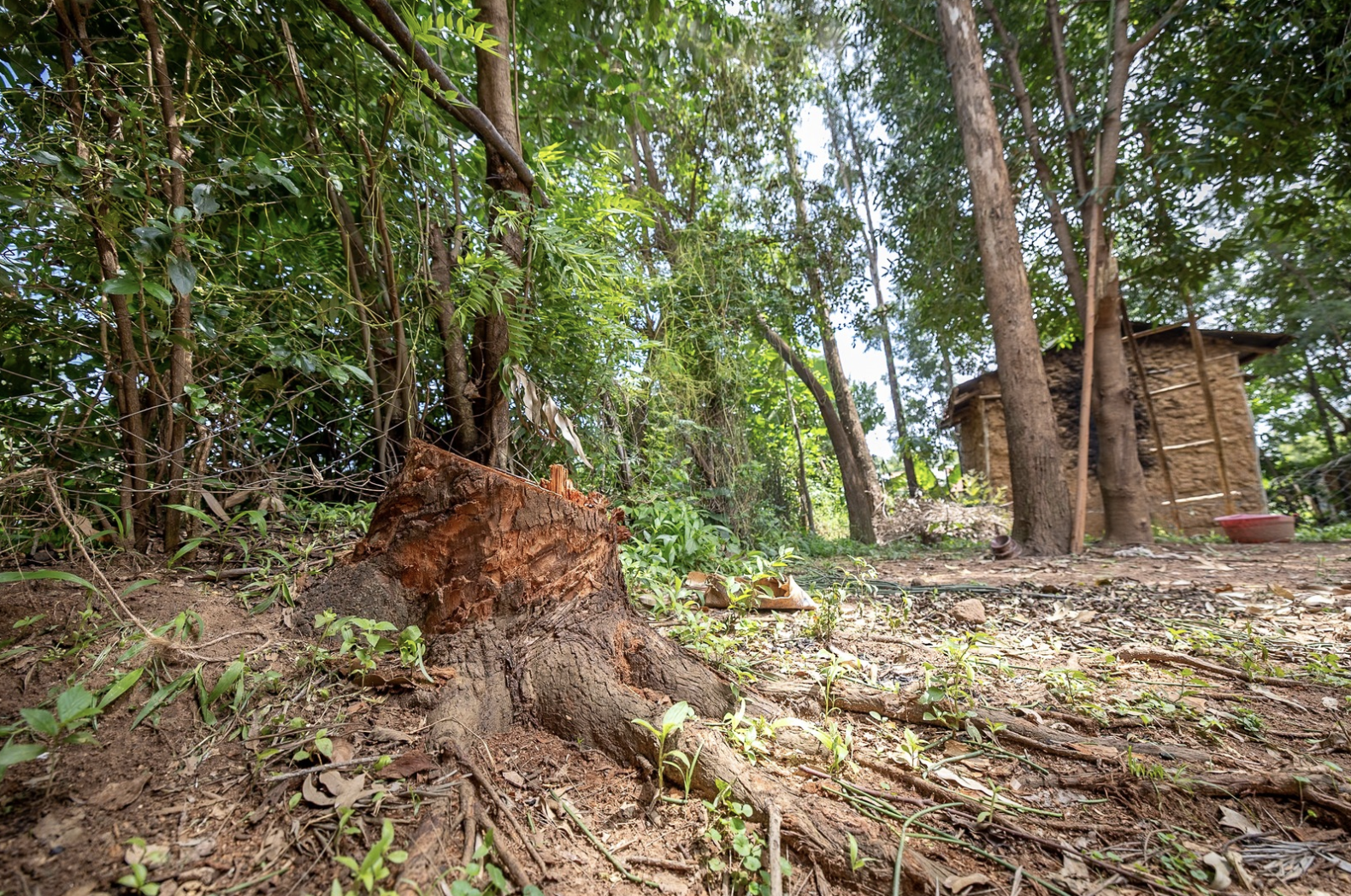
Moses gestures at the tree stumps on his land.
"When I started tobacco farming, I had a lot of trees, but I have had to cut a lot of them down for firewood to dry the leaves. I am now left with very few trees on my property."
"When my wife used to sweep the house where we stored tobacco, she used to cough a lot, sometimes for over ten minutes. It used to worry me and our children a lot."
Tobacco curing demands large quantities of firewood, driving deforestation on farmland across Kenya's tobacco-growing regions. The crop also requires heavy chemical inputs that deplete soil fertility and leave land vulnerable to long-term degradation through intensive pesticide use and monocropping. Globally, the area under tobacco cultivation decreased by 15.8% between 2005 and 2020, but in Africa it increased by 19.8%, making households across the continent increasingly vulnerable to food insecurity.
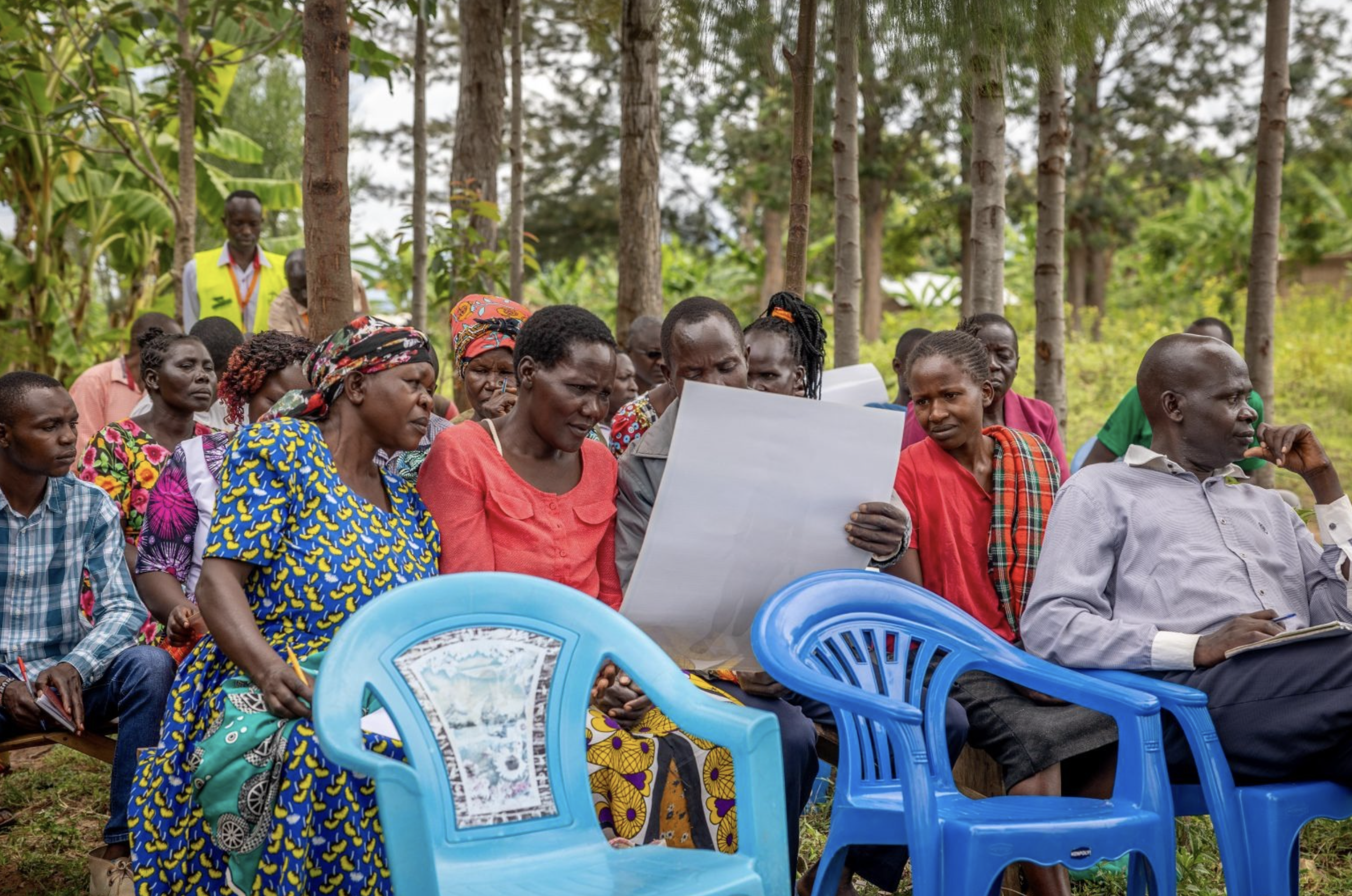
During sensitisation sessions in Ataba village, Busia County, farmers are shown posters illustrating the effects of tobacco on the human body.
"These sessions are really helpful in showing us how tobacco harms our health," one farmer said.
Catherine, a former tobacco farmer, spoke at one such community meeting. "Since I stopped growing tobacco, I don't cough like I used to. I breathe more easily, and I feel healthier overall."
To reach farmers directly, WHO and partners conduct community meetings to discuss the benefits of transitioning from tobacco to alternative crops such as high-iron beans. These meetings provide a platform for farmers to ask questions, understand the long-term health and economic benefits, and begin planning their transition. Also present are specialists from WHO, WFP, national and county government officials, civil society organizations, market off-takers and partner organisations such as the Cereal Growers Association and Farm to Market Alliance, all on hand to answer practical questions about seeds, markets and growing techniques.
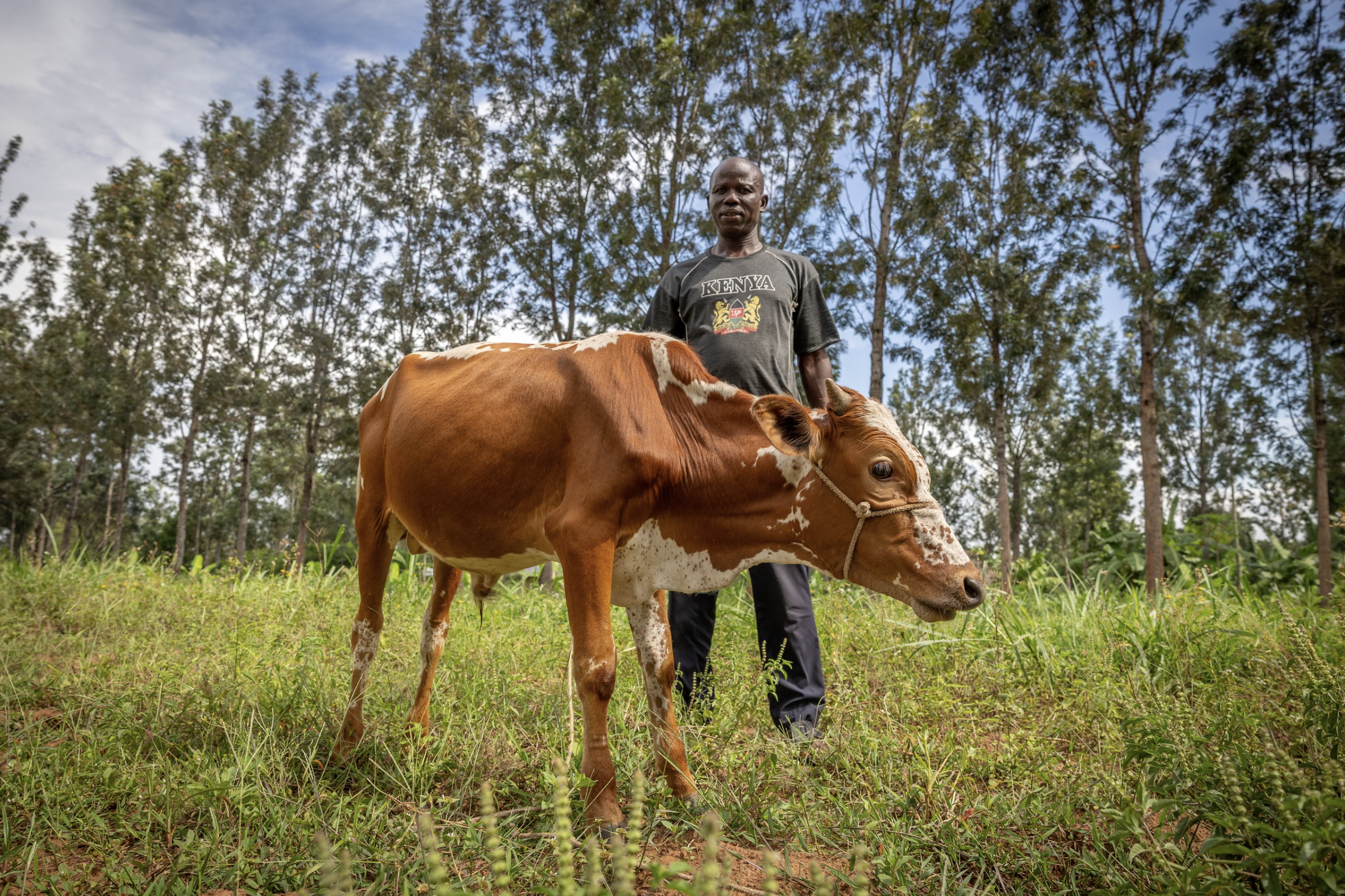
Bernard Imoh, a 56-year-old farmer from Otubokin in Busia County, farmed tobacco for six years but struggled to see meaningful returns beyond feeding his family. In 2022, he switched to high-iron nyota beans.
"I bought a bull in 2023 after dropping tobacco farming for the high-yielding beans, something I'm really proud of."
Today, with a more stable income, Bernard pays his children's college fees and consistently provides food for his household.
"I don't regret abandoning tobacco for nyota beans. It's a decision I've never looked back on. I've seen success after success, not just for myself, but for my entire family."
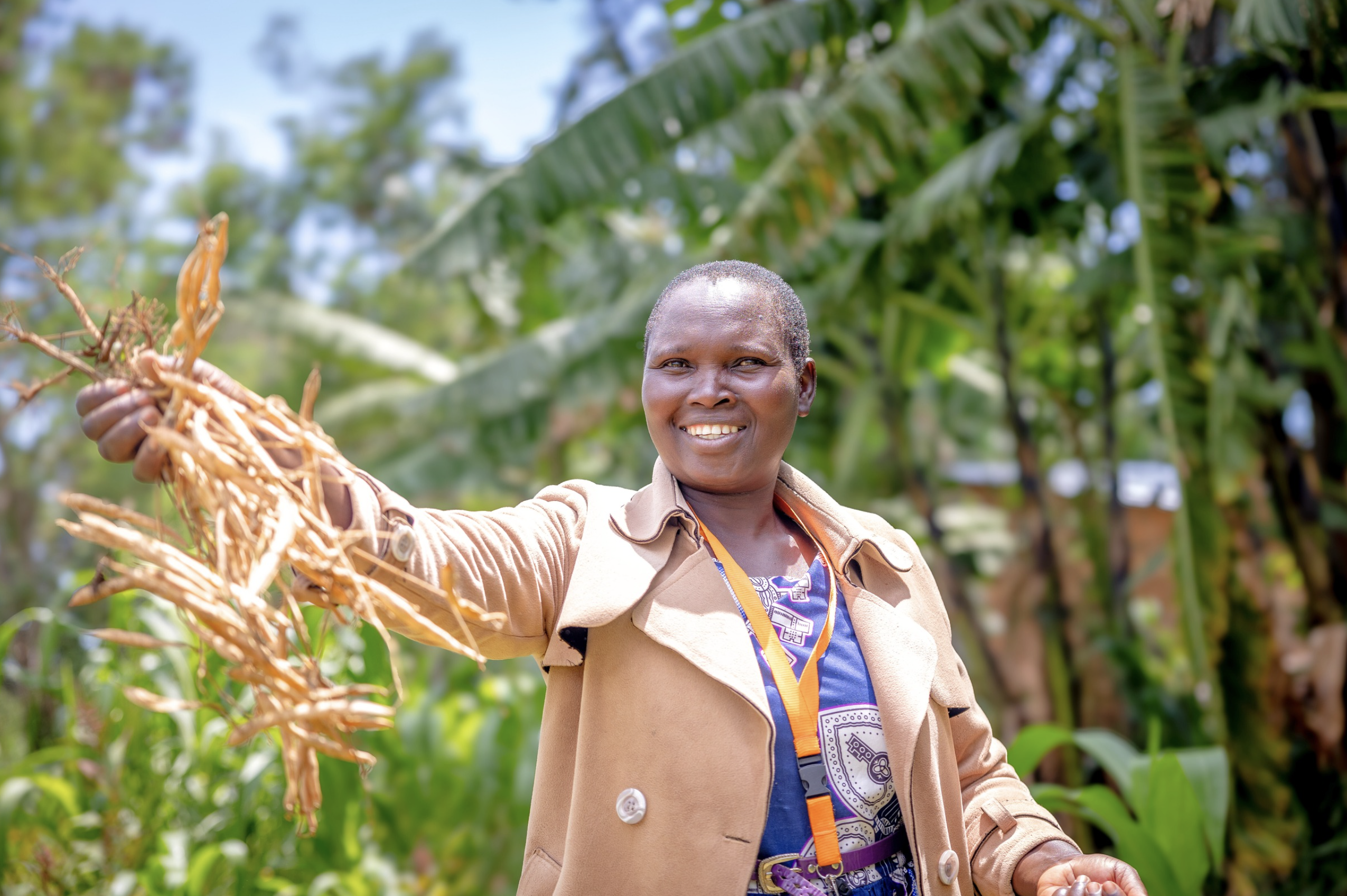
Faith on her bean farm in Ataba village, Busia County. Since switching from tobacco to high-yielding nyota beans, Faith has seen a dramatic improvement in his family's wellbeing.
"We now pay school fees using income from the beans. Sometimes, I even deliver beans directly to schools in exchange for part of the fees," said Faith. "I can also feel the difference in our health. Maize and beans make our bodies strong. When we cook them, they taste delicious and my children love eating them."
Faith and her husband stopped growing tobacco five years ago and now cultivates beans and trees on his four-acre farm. During his tobacco farming days, it was difficult to grow trees, but today their land supports both. The trees they planted have become so valuable that they now sells some to meet growing demand.
The Tobacco Free Farms initiative launched in Kenya in 2021, began in Migori County has since expanded to Busia, Bungoma and Meru counties.
So far, more than 12,400 farmers have converted to food crops. Over 11,540 acres now yield more than 3.8 million kilograms of produce, including high-iron beans, groundnuts and finger millet. Farmers report a threefold increase in income, improving their ability to pay school fees and access healthcare.
"The income boost has had a profound impact on communities, enabling farmers to pay school fees, access healthcare, and invest in their future," says Dr Neema Kimambo, WHO Kenya a.i. Representative. "What we are seeing is not just an economic shift, but a transformation in resilience of farming families. When a farmer can feed their children, send them to school and protect their health, that is the foundation of lasting change."
Beyond the financial gains, reports have documented improved family health, women's empowerment, reduced child labour, enhanced nutrition and food security, and greater environmental sustainability.
Through multi-agent engagement, the initiative supports farmers through access to seeds, fertilisers and finance, training in sustainable farming practices, post-harvest management and structured market access.
Tobacco Free Farms currently operates in Kenya, Zambia and Uganda, with plans to expand to Tanzania and Malawi. In 2025, a delegation from Zambia and Uganda visited Kenya to learn from the programme first-hand. Within Kenya, plans are under way to extend to Embu, Tharaka Nithi and Homa Bay counties, building on the success achieved so far.
The initiative is made possible through the collaboration of WHO, FAO, WFP, UNCDF, the UN Convention to Combat Desertification (UNCCD), the Ministry of Health, the Ministry of Agriculture and Livestock Development, Cereal Growers Association- the Farm to Market Alliance and other partner organisations.
As the sensitisation meetings draw to a close, farmers leave with a genuine alternative to consider. The tobacco industry continues to shift its tactics, offering loans designed to deepen farmers' dependence. But as neighbours witness the benefits of conversion, the shift is happening, slowly but surely, with farmers now educated in both the risks of tobacco farming and the rewards of making the change.
WHO thanks its partners for their continued support of this initiative and the communities it serves.