Why diagnosis matters: A Health worker’s experience with antimicrobial resistance
Freetown—For four months, Yeabu Sesay did what she had always done for others. She showed up for work at Makeni Regional Hospital, tended to patients through long shifts, and carried herself with the calm confidence expected of an experienced nurse. Few people knew that beneath her uniform, she was struggling with a deeply personal health problem that was slowly wearing her down.
It began with persistent vaginal itching and an unpleasant discharge. Soon came intermittent fever, painful abrasions, and sleepless nights. The symptoms were uncomfortable, embarrassing, and difficult to talk about, even for someone trained in healthcare.
Like many people, including health workers, Yeabu tried to manage the problem quietly. She relied on self-medication, hoping her medical knowledge would guide her to relief. Over several months, she took multiple antibiotics, one after another, believing that eventually something would work.
Nothing did.
Instead, her symptoms worsened. The discomfort affected her concentration at work, strained her personal relationships, and chipped away at her sense of dignity. Still, she kept silent. Talking openly about reproductive health felt too difficult, and seeking formal care seemed unnecessary, until it became unavoidable.
When the antibiotics failed, Yeabu was advised by people around her that the problem might be caused by “bad water,” a common explanation given for unexplained women’s health issues in her community. She turned to traditional remedies, drinking and bathing with herbal mixtures said to cleanse the body.
The pain continued. The discharge did not stop. And emotionally, she felt defeated.
The turning point came not in a clinic room, but during a hospital meeting.
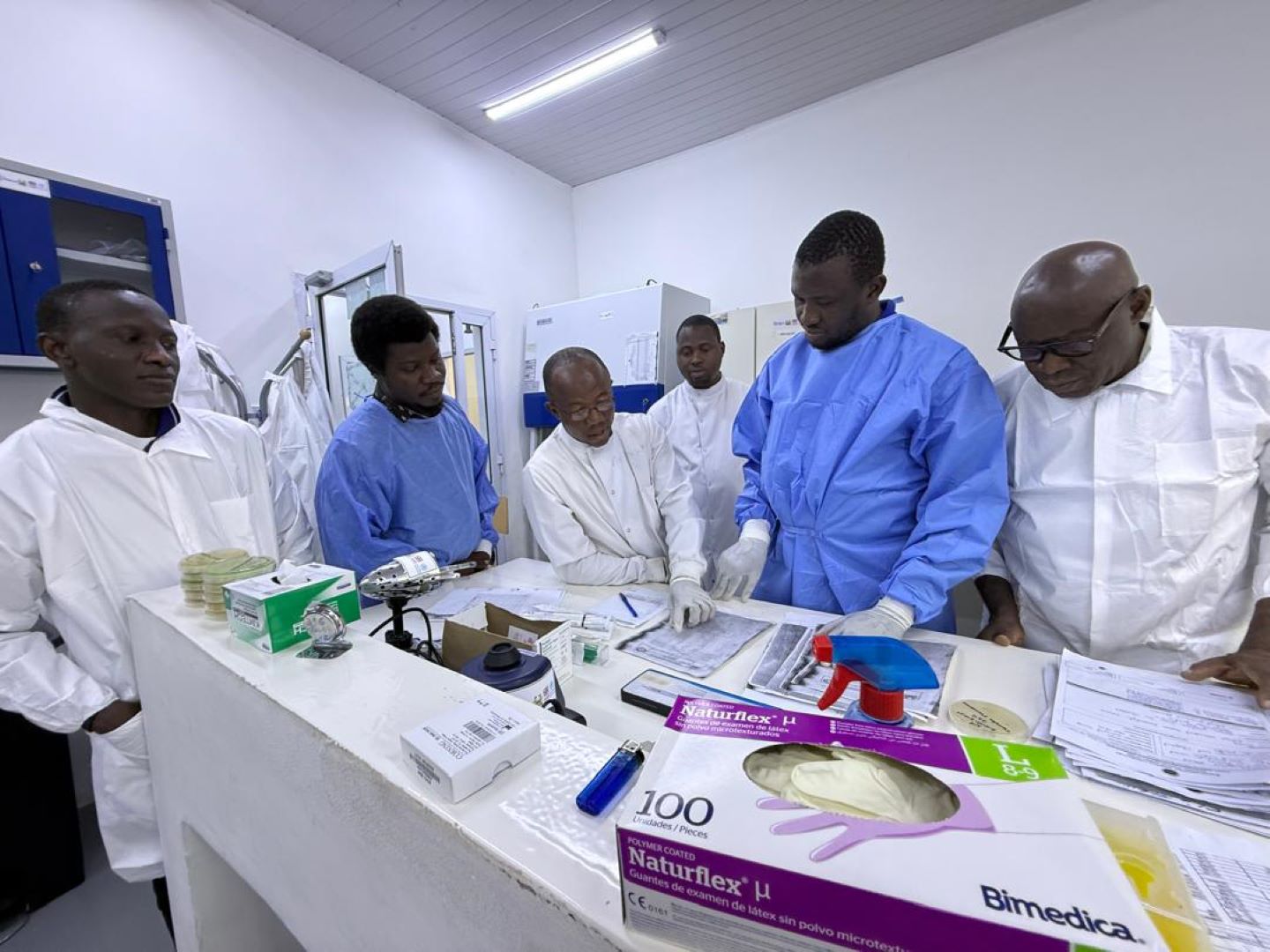
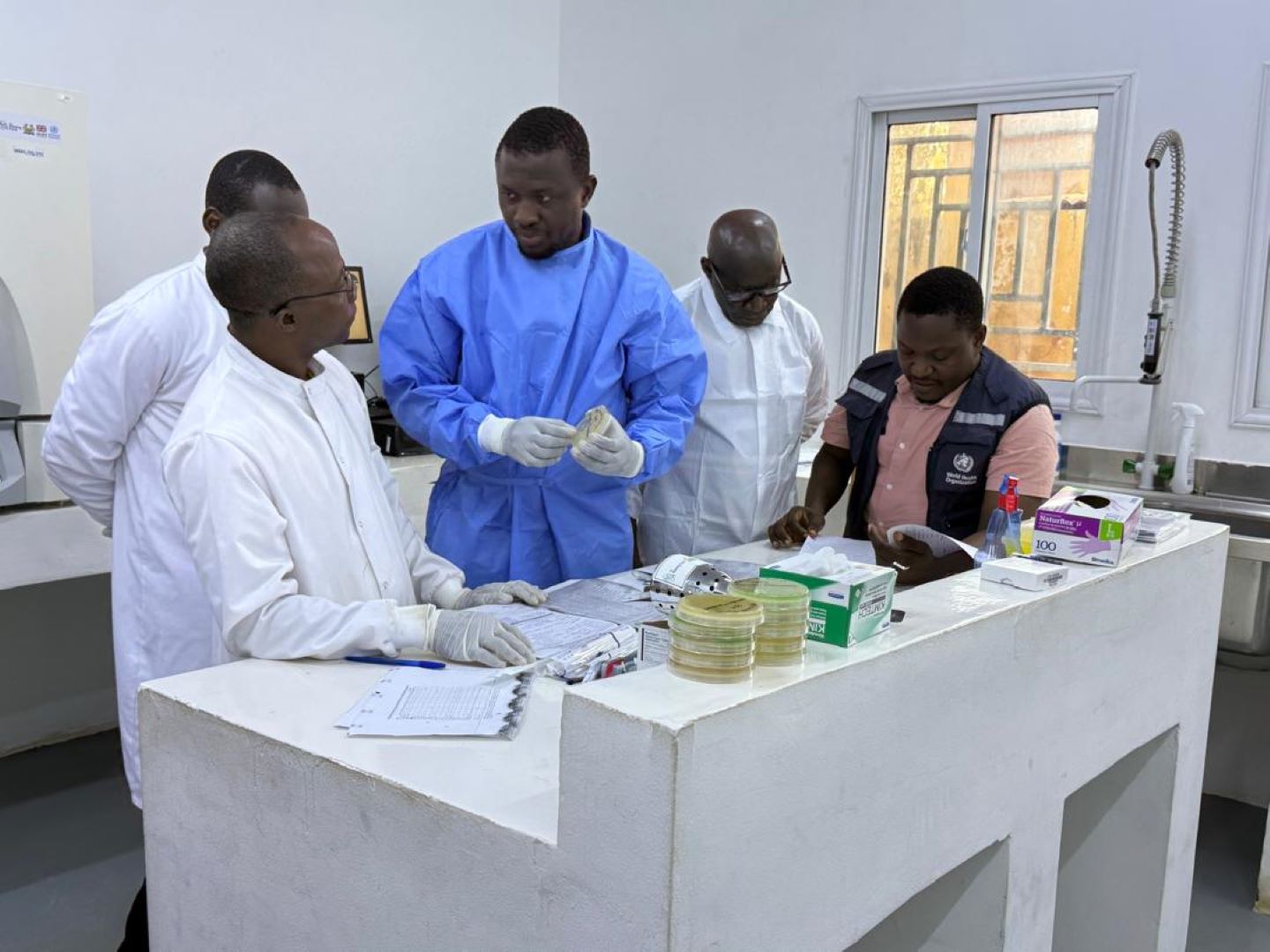
Makeni Regional Hospital regularly holds Laboratory–Clinical Interface Meetings, supported under the Fleming Fund programme. These meetings bring laboratory staff and clinicians together to discuss diagnostic services, challenges, and the importance of testing before treatment. They aim to strengthen communication, promote evidence-based care, and address the growing threat of antimicrobial resistance.
On this day, microbiology laboratory staff spoke about their work and the improvements made through recent investments. They explained the importance of sending samples for testing, especially when patients do not improve with treatment, and encouraged clinicians to rely on evidence rather than assumptions.
As Yeabu listened, something shifted.
She realized that for months she had been guessing. She had treated herself repeatedly without knowing the cause of her illness. She also recognized how repeated antibiotic use, without testing, could do more harm than good.
When the meeting ended, she hesitated, then gathered her courage. She approached a laboratory officer and quietly said, “I’ve been suffering for months. I think I need your help.”
For the first time, Yeabu stepped forward not as a nurse, but as a patient.
A clinician listened carefully to her story and requested diagnostic testing. Samples were taken and sent to the microbiology laboratory for analysis.
The initial results brought clarity that months of self-treatment had not.
The laboratory findings showed signs of a Candida infection, a common fungal condition that does not respond to antibiotics. There were also indications of inflammation and the presence of a bacterial organism that required further testing.
The explanation was simple, but powerful: the antibiotics Yeabu had been taking could never have cured her condition. In fact, repeated use may have worsened it by disrupting her natural balance and allowing other organisms to thrive.
For Yeabu, the results were both sobering and relieving.
“I finally understood why nothing worked,” she said. “I wasn’t being treated for what I actually had.”
The laboratory team will now complete further testing to determine the most effective treatment. In the meantime, the clinician has the information needed to begin targeted care, based on evidence, not guesswork.
Yeabu’s story is deeply personal, but it reflects a broader reality faced by many women.
Across communities, reproductive health concerns are often endured in silence. Symptoms are dismissed, explained away by cultural beliefs, or treated through self-medication and traditional remedies. Diagnostic testing may be delayed or avoided altogether, sometimes due to stigma, cost, or lack of awareness.
The consequences can be serious: prolonged illness, unnecessary suffering, and the misuse of antibiotics, which contributes to antimicrobial resistance.
Her experience also highlights an important truth: health workers are not immune to these challenges. They, too, face fear, embarrassment, and barriers to care. They need the same compassion, support, and access to quality diagnostics as the patients they serve.
As she waits for her final test results, Yeabu feels hopeful for the first time in months. She has also found a voice.
“If something feels wrong, get tested early,” she says. “Don’t guess. Don’t self-medicate. You deserve the right treatment.”
Looking back, she reflects simply, “If I had come to the laboratory earlier, I would not have suffered this long. Testing first saves time, money, and pain. We should all stop guessing.”
Her story is a reminder that proper diagnosis is not just a technical step in healthcare. It is a foundation for effective treatment, a safeguard against antimicrobial resistance, and a pathway to restoring health, dignity, and peace of mind.
Sometimes, the first step toward healing is not another medicine, but the courage to ask for answers.

WHO Sierra Leone
Email: sharkahm [at] who.int (sharkahm[at]who[dot]int)