Liberia advances implementation of amended International Health Regulations
Monrovia—The Government of Liberia has taken a key step towards implementing the 2024 amendments to the International Health Regulations (2005) following the signing of a national declaration of commitment after a three-day national technical workshop held in Monrovia from 15–17 December 2025, with support from World Health Organization (WHO).
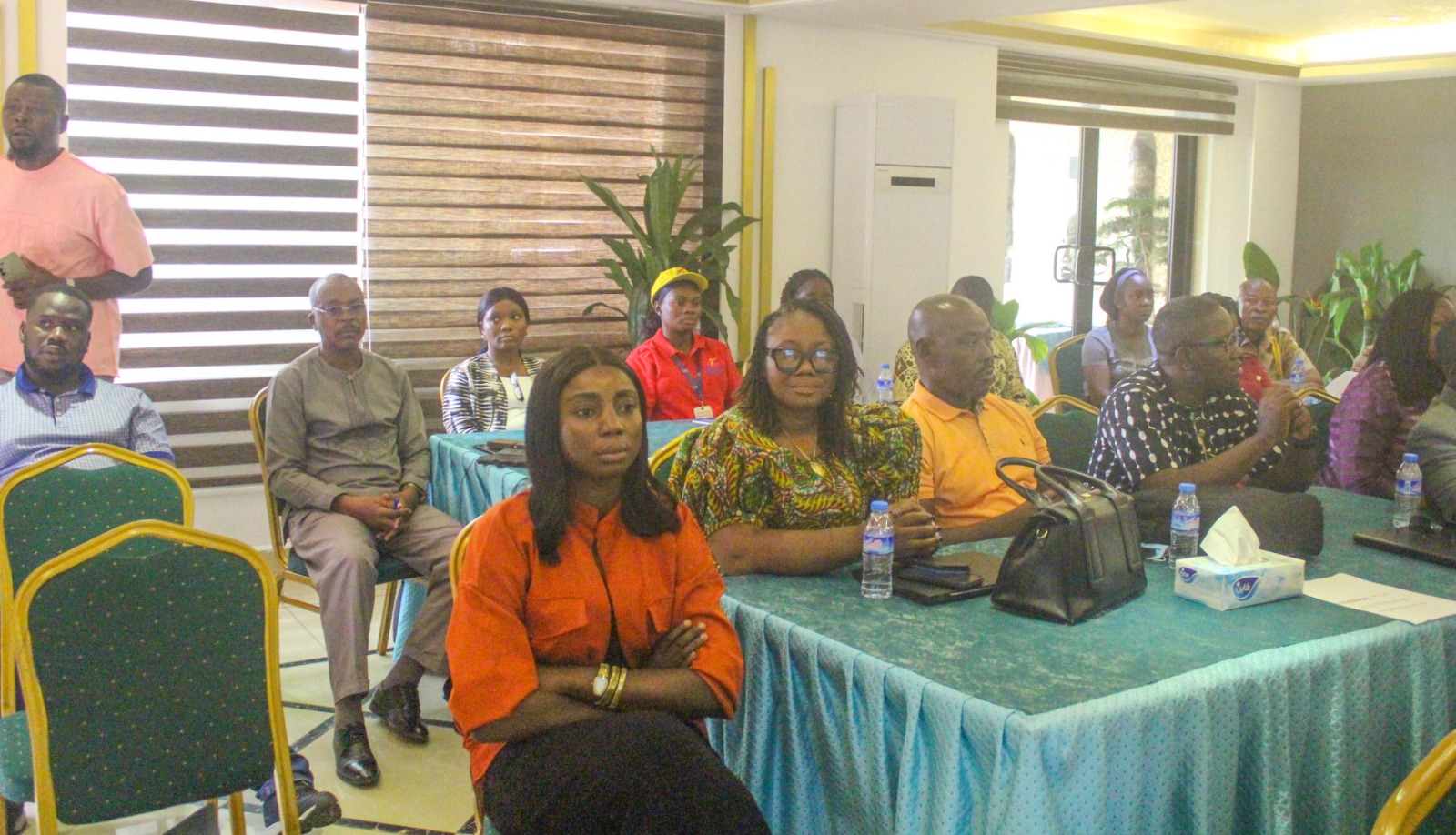
The workshop brought together 80 multisectoral experts from government institutions, partner organizations, academia and civil society to review the amended regulations and agree on national steps for domestication. The process concluded with the signing and endorsement of a national declaration outlining Liberia’s commitment to implementing the amended International Health Regulations.
During the policy and domestication session on 18 December 2025, Dr Sia Wata Camanor, Chair of the One Health Technical Committee and Acting Director-General of the National Public Health Institute of Liberia (NPHIL), presented the agreed steps for domestication, including institutional arrangements and an implementation roadmap. These were formally endorsed by senior ministers and signed by His Excellency Jeremiah Kpan Koung, Vice President of the Republic of Liberia.
In his closing remarks, Vice President Koung, who also serves as Chair of the One Health Steering Committee, expressed appreciation for WHO’s continued support and emphasized the importance of preparedness and coordinated leadership in addressing public health threats.
“Public health threats do not respect borders.Therefore, preparedness, coordination and decisive leadership are essential to protecting lives and development,” he said.
He noted that reaffirming Liberia’s commitment to the International Health Regulations (2005), as amended in 2024, reflects national ownership of health security responsibilities and lessons learned from past and ongoing public health emergencies.
The vice president highlighted the designation of the Ministry of Health as the National International Health Regulations Authority and NPHIL as the National International Health Regulations focal point, noting that this clarification strengthens accountability and enables timely, high-level decision-making.
“This declaration reflects Liberia’s resolve to align national laws and preparedness plans with the amended Regulations, strengthen multisectoral coordination through a One Health approach, and invest in surveillance, laboratory systems, workforce capacity and sustainable domestic financing,” he said.
Vice President Koung also underscored Liberia’s decision not to opt out of the 2024 amendments, reaffirming the country’s commitment to solidarity, transparency and shared responsibility, while ensuring that implementation remains guided by constitutional processes, national priorities and sovereign interests.
Speaking at the signing ceremony, Dr Olushayo Oluseun Olu, WHO Representative to Liberia, commended the country’s resilience in responding to recent health emergencies, including COVID-19, mpox and other emerging public health threats.
“The amendments adopted by the World Health Assembly were shaped by the real experiences of countries, including Liberia, over the past two decades,” Dr Olu said. “They respond to the need for clearer national authority, stronger coordination across government and faster, more decisive action when public health threats emerge.”
He added that Liberia’s commitment to domesticating the amended International Health Regulations and strengthening coordination through a One Health approach demonstrates strong national ownership of its health security agenda.
Speaking on behalf of the Africa Centres for Disease Control and Prevention (Africa CDC), Dr Musa Abdullahi, Acting Country Director, said the key areas of the 2024 amendments to the International Health Regulations (2005) are aligned with Africa CDC’s continental priorities.
“Africa CDC will support Liberia in strengthening its core capacities for preparedness and response,” Dr Abdullahi said.
Other speakers at the event included representatives from the Ministry of Labour, the Ministry of Foreign Affairs, the Ministry of Health, the Ministry of Defence, the Ministry of Education, the Civil Service Agency, the Environmental Protection Agency, the Ministry of Agriculture and the Ministry of Finance and Development Planning, as well as development partners, academia, civil society organizations and the media.
The International Health Regulations (2005), revised in 2024, are a legally binding global framework that guides 196 countries to prevent, detect and respond to public health risks that may spread internationally, while avoiding unnecessary interference with international travel and trade.
WHO continues to support Liberia through legal, policy and operational assistance, capacity-building and multisectoral collaboration. The amended International Health Regulations provide an opportunity for Liberia to strengthen disease surveillance, modernize emergency response systems, reinforce laboratory networks and advance implementation of the National Action Plan for Health Security, in line with national priorities.
External Communication Officer
WHO Rwanda
Email: inamahorobmutizwan [at] who.int (@who.int)
Communications and marketing officer
Tel: + 242 06 520 65 65 (WhatsApp)
Email: boakyeagyemangc [at] who.int (boakyeagyemangc[at]who[dot]int)