Malawi faces one of the highest cervical cancer burdens globally, with over 4,700 new cases annually. Determined to change this, the Government of Malawi demonstrated unwavering leadership in launching the nationwide Human Papillomavirus (HPV) vaccination campaign from 27–31 October 2025, targeting girls aged 9–18 years. This bold initiative aligns with Malawi’s commitment to eliminate cervical cancer by 2030 under WHO’s global strategy.
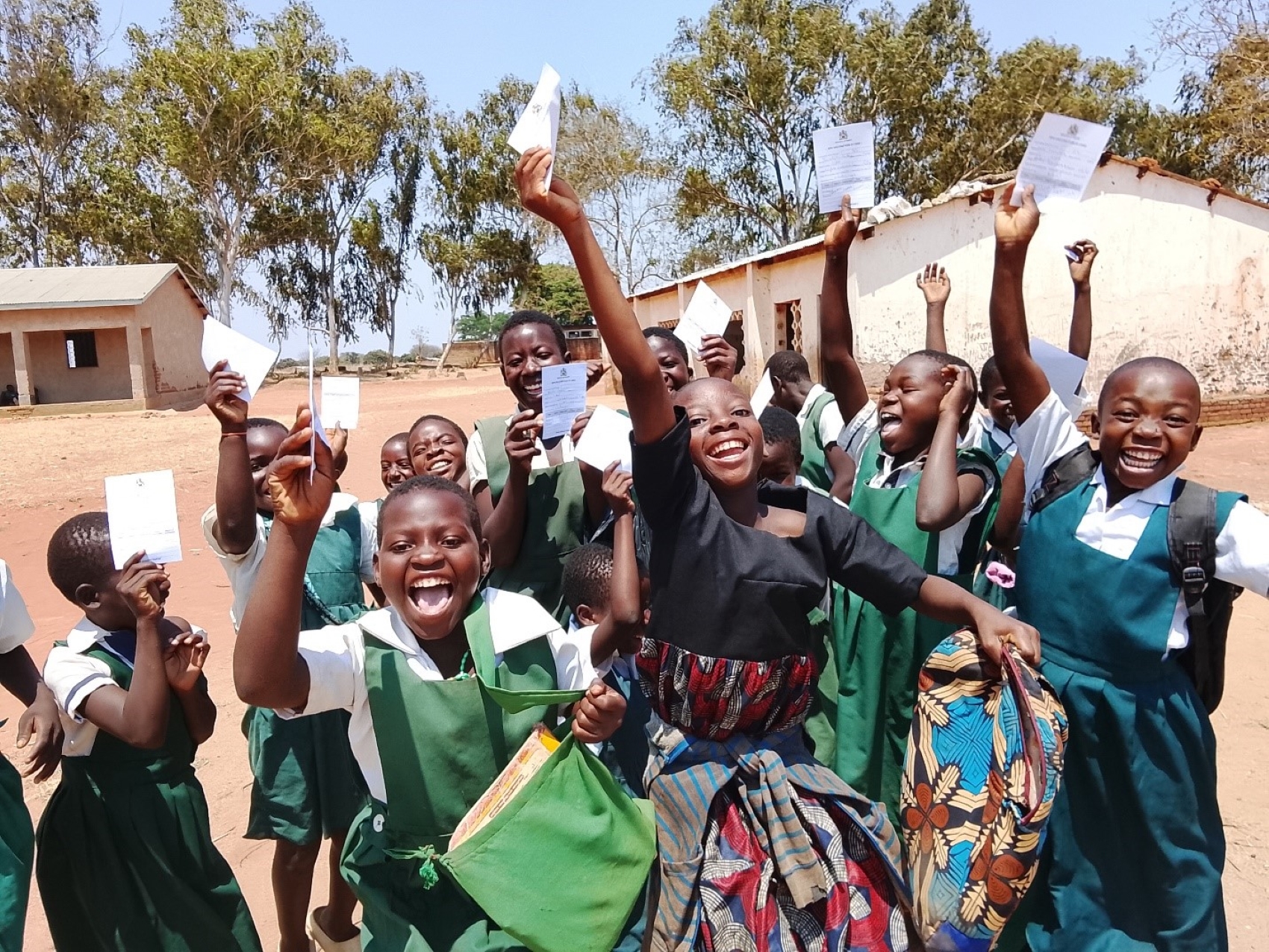
The campaign was unique: it adopted a multi-age cohort approach, allowing girls who had missed vaccination since 2019 the opportunity to be protected. By extending eligibility from 9 to 18 years, Malawi closed immunity gaps and ensured that older adolescents were not left behind.
The Ministry of Health, through the Expanded Programme on Immunization (EPI) with funding support from GAVI, the Vaccine Alliance and operational coordination from the WCO- Malawi, led the campaign with strong political commitment and high-level oversight. Microplanning started at the grassroots—health facilities and schools developed detailed plans validated by district teams and aggregated nationally. This participatory approach ensured accurate planning and equitable resource allocation, leaving no girl behind.
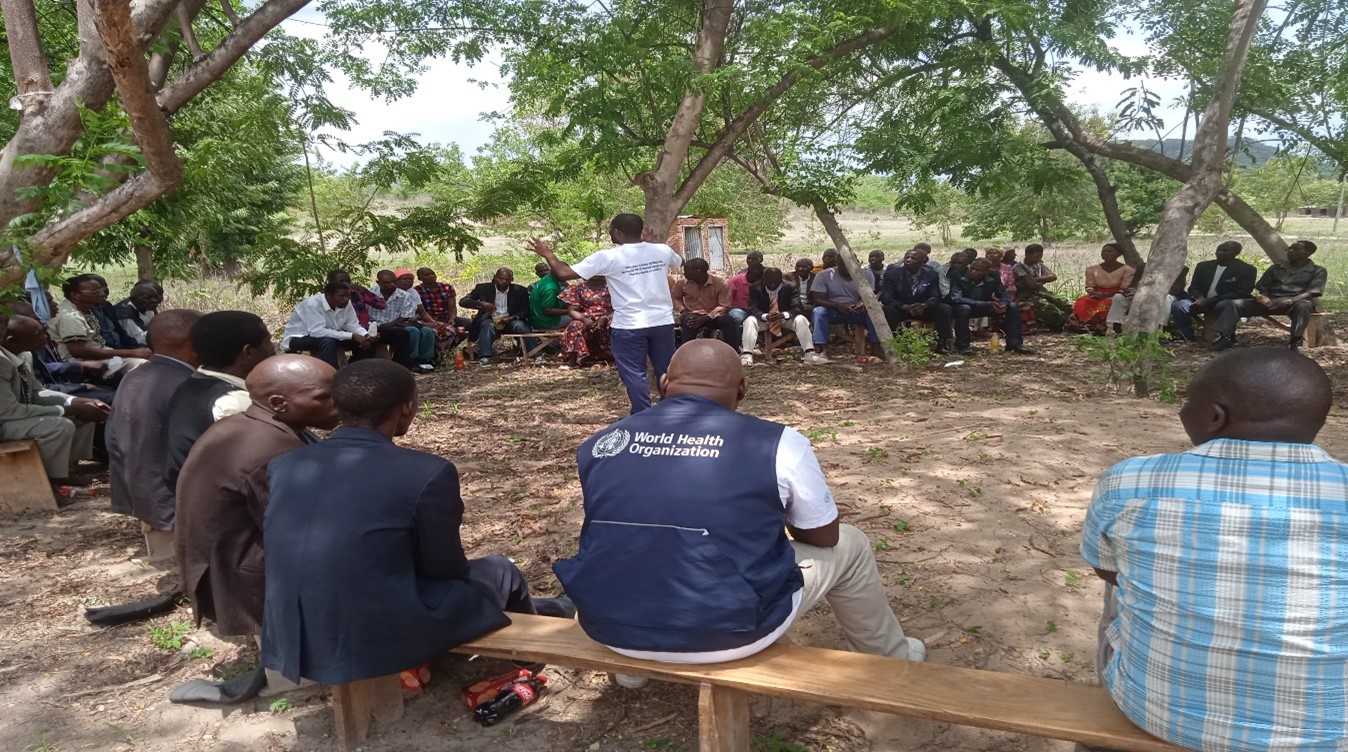
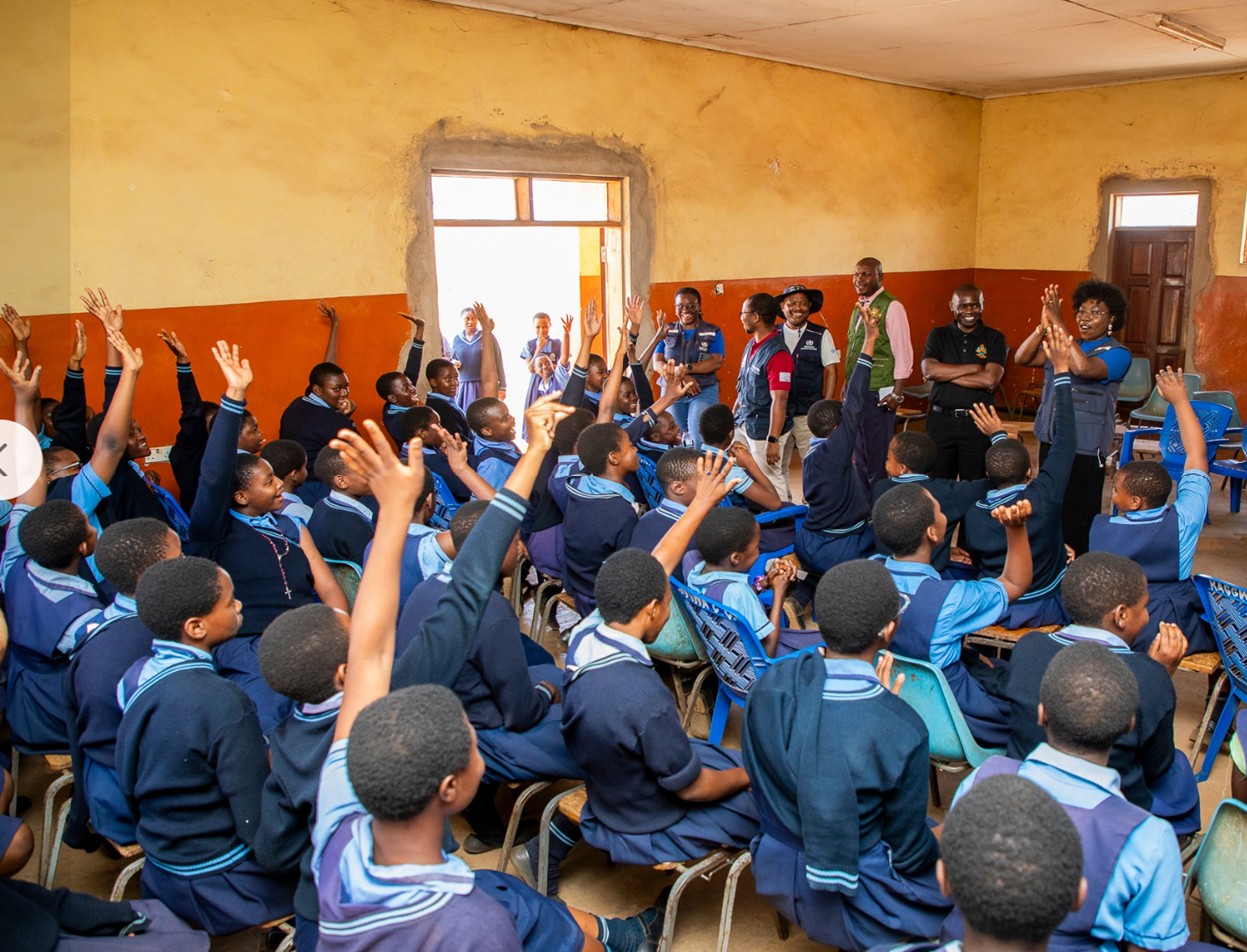
Community engagement was at the heart of the campaign. Traditional leaders, religious figures, and local influencers were oriented as champions of the HPV vaccine, reinforcing trust and dispelling myths. School Health and Nutrition teachers worked hand-in-hand with Health Surveillance Assistants to mobilize learners and parents. Activities ranged from school assemblies and classroom sessions to roadshows, community radio programs, television broadcasts and mobile van announcements, creating a groundswell of support and ensuring high turnout.
With strong government leadership, community ownership, and partner solidarity, Malawi is on track to eliminate cervical cancer as a public health threat by 2030.
bunyao [at] who.int (bunyao[at]who[dot]int)
+265 999 930 280