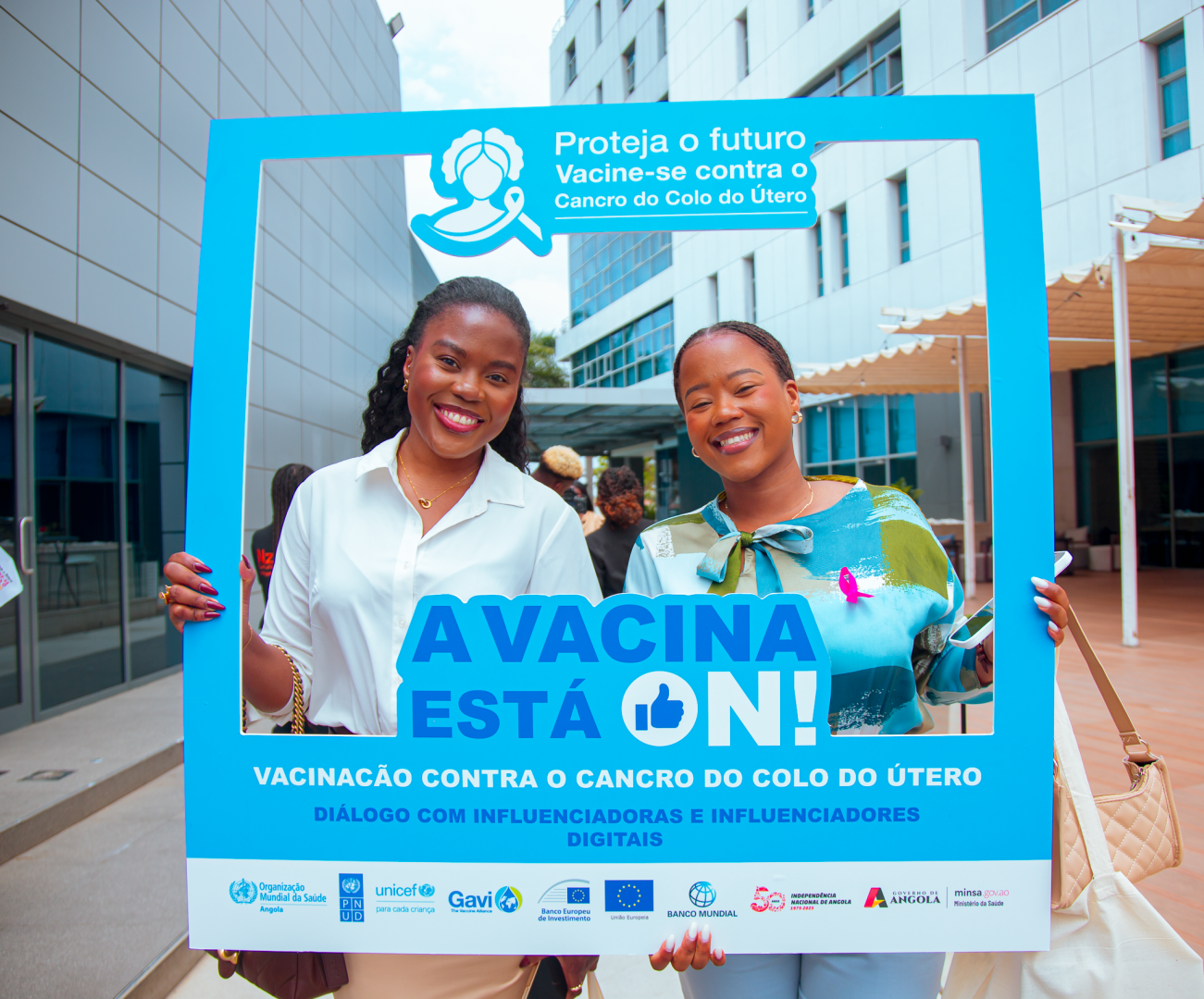
Angola strengthens cervical cancer prevention with network of health influencers
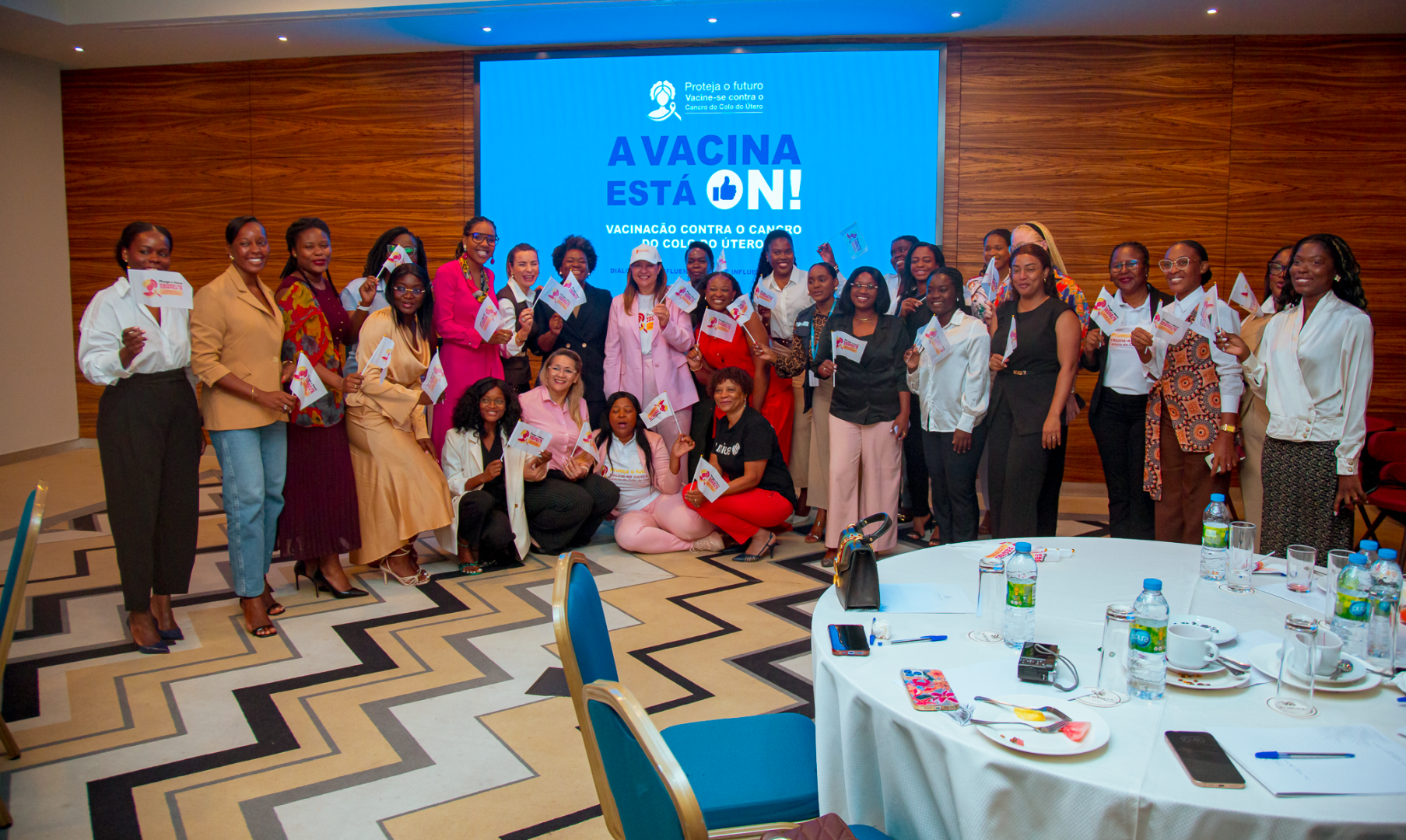
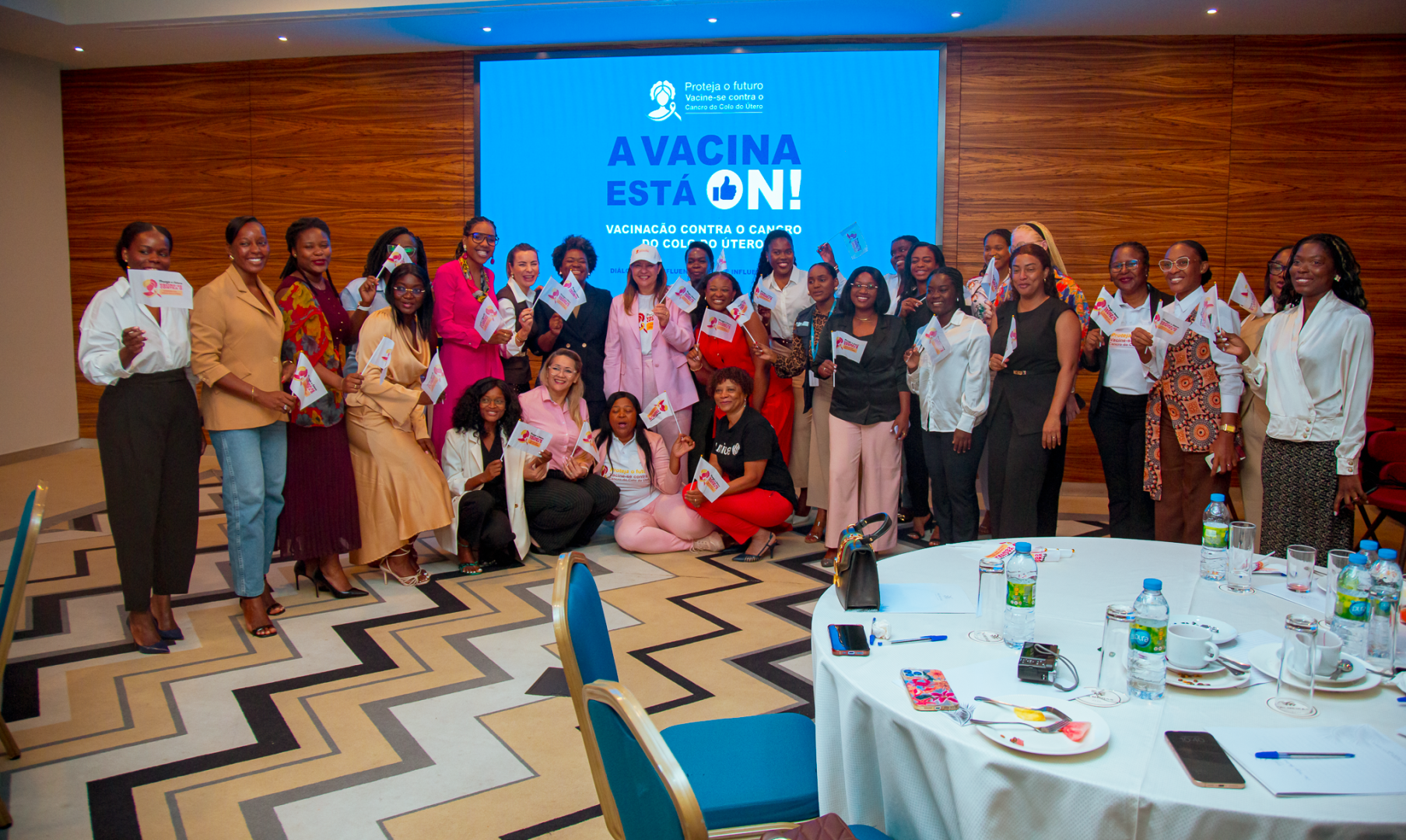
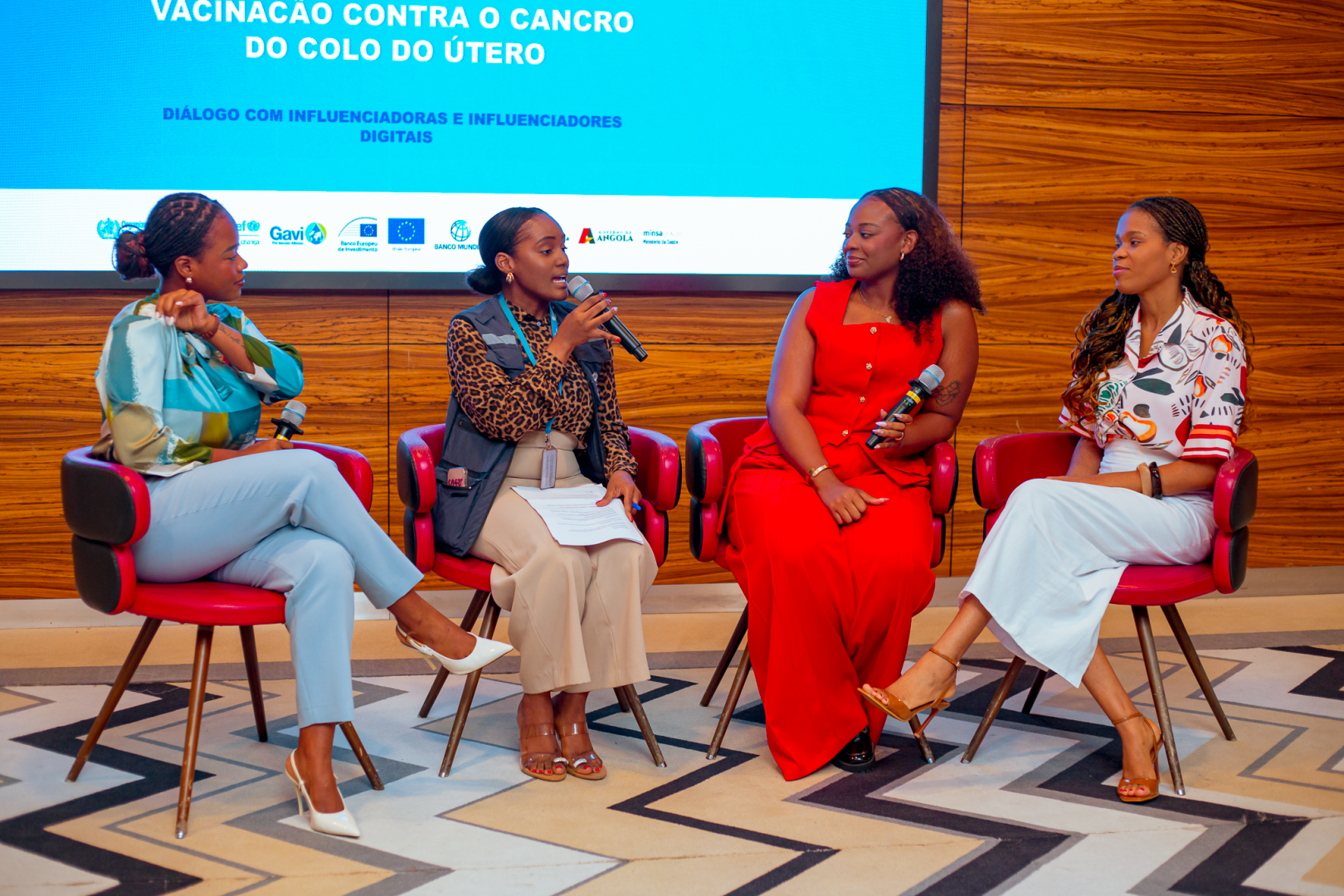
The National Directorate of Public Health (DNSP), with the support of the World Health Organization (WHO) and UNICEF, held the event “Tea of Ideas against Cervical Cancer,” which marked the launch of a network of digital influencers dedicated to promoting public health and strengthening adherence to vaccination against cervical cancer in Angola.
The event brought together content creators, communication professionals, and health experts in an action-oriented dialogue focused on promoting vaccination against human papillomavirus (HPV) and preventing cervical cancer. The initiative is part of the national vaccination campaign targeting girls aged 9 to 12, which runs from October 27th to November 7th and aims to reach 1.9 million children across the country.
In addition to sharing technical and scientific information, the meeting focused on training participants to produce clear, responsible, and evidence-based content capable of combating myths and misinformation about the HPV vaccine. During the meeting, Dr. Helga de Freitas, the National Director of Public Health, emphasized the importance of delivering accessible and culturally appropriate messages to support informed decisions by families and communities.
Following the initiative, the influencers involved produced and disseminated awareness-raising content on their digital platforms, thereby broadening the reach of the national vaccination campaign messages and contributing to the strengthening of confidence in and uptake of the HPV vaccine, particularly among young and urban audiences.
The creation of this network of health influencers reinforces the DNSP's commitment, with the support of WHO and UNICEF, to adopting innovative communication approaches for the prevention of cervical cancer, one of the leading causes of cancer death among women in Angola. The initiative contributes to national and global efforts to eliminate cervical cancer as a public health problem through vaccination, strategic communication, and community engagement.
In Africa, more than 117,000 women are diagnosed with cervical cancer each year, of whom more than 76,000 die. In Angola, the figures are equally alarming: data from the Angolan Cancer Control Institute indicate that in 2022 alone, 915 cases of cervical cancer were recorded, representing about 17% of all cancer cases in the country. These data reinforce the importance of integrated prevention strategies, including effective communication about HPV vaccination and community engagement, to protect women and accelerate progress toward eliminating this disease as a public health problem.
Communication Assistant
WHO Angola
rpedro [at] who.int (rpedro[at]who[dot]int)