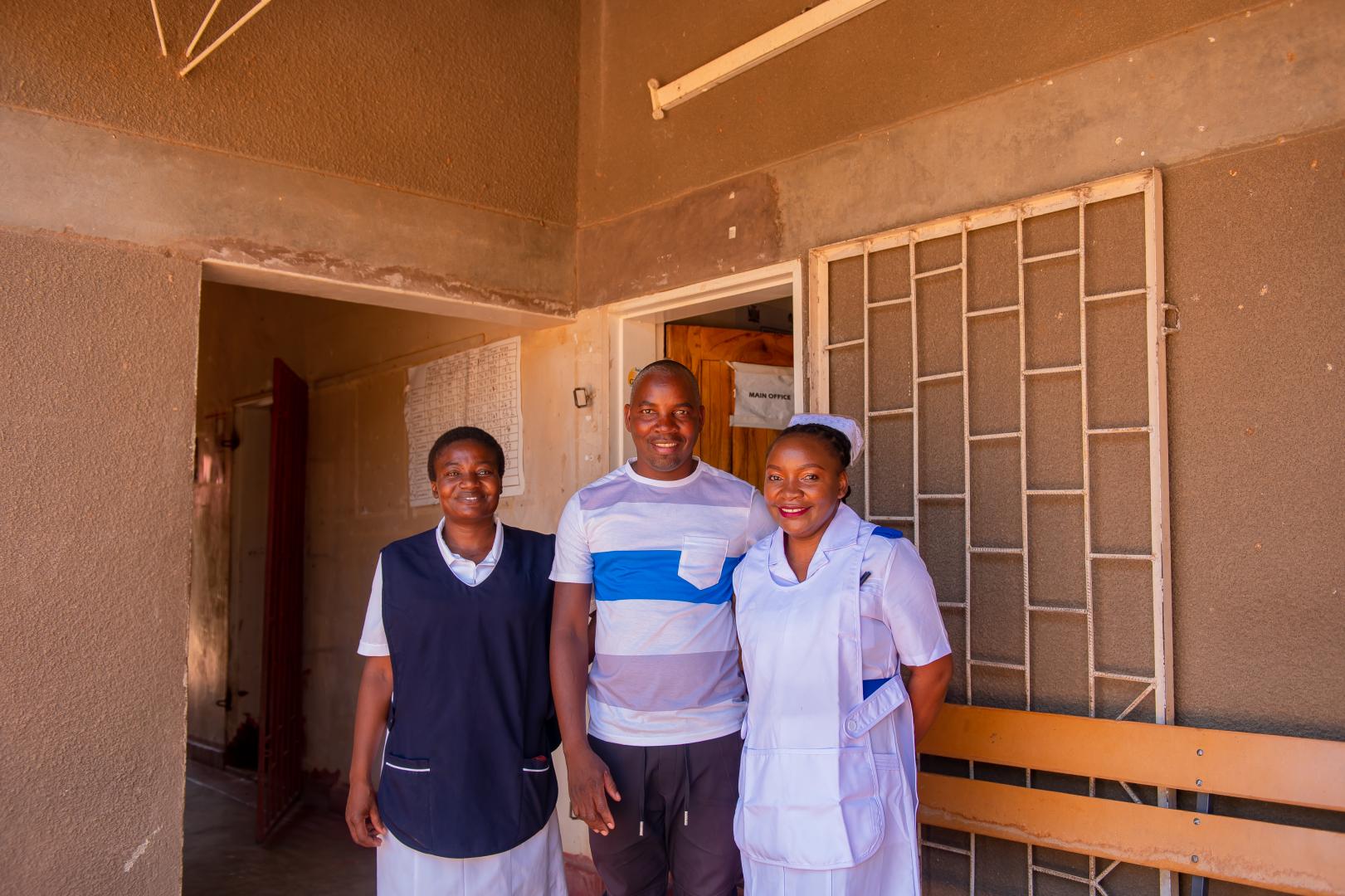
Zambia steps up Ebola preparedness following DRC outbreak
Following the recent Ebola virus disease (EVD) outbreak in the Democratic Republic of the Congo (DRC), Zambia intensified preparedness and surveillance in communities along the shared border. The outbreak, declared on 4 September 2025, was centered in Bulape Health Zone, Kasai Province which borders Northwestern province of Zambia.
Ebola often starts with symptoms that resemble common illnesses such as malaria or infections of the intestines: fever, weakness, vomiting, diarrhea, and body pains. As the disease progresses, bleeding, dehydration, and rapid deterioration can occur. Transmission happens through direct contact with body fluids of an infected person or contaminated surfaces. Because early symptoms mimic other illnesses, e.g. severe malaria, community awareness and early reporting are critical. EVD is highly transmissible, and causes high fatality rates, often as high as 70% for certain strains.
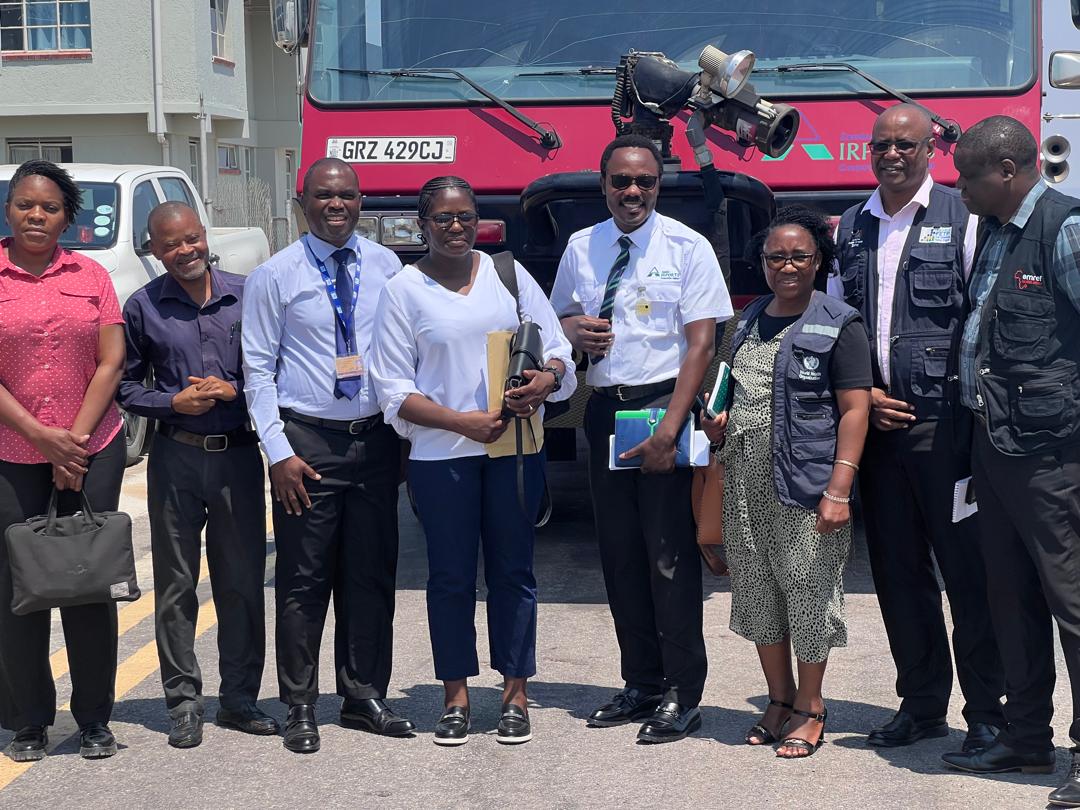
To boost preparedness, a joint mission led by the Ministry of Health and the Zambia National Public Health Institute (ZNPHI), with strong technical support from WHO, visited high-risk border districts between 21 September and 3 October 2025. These included Chiengi and Nchelenge (Luapula province), Zambezi, Chavuma, Ikelenge (Northwestern province), and Chililabombwe, Chingola, Ndola, and Mufulira (Copperbelt province), all areas with significant cross-border movement.
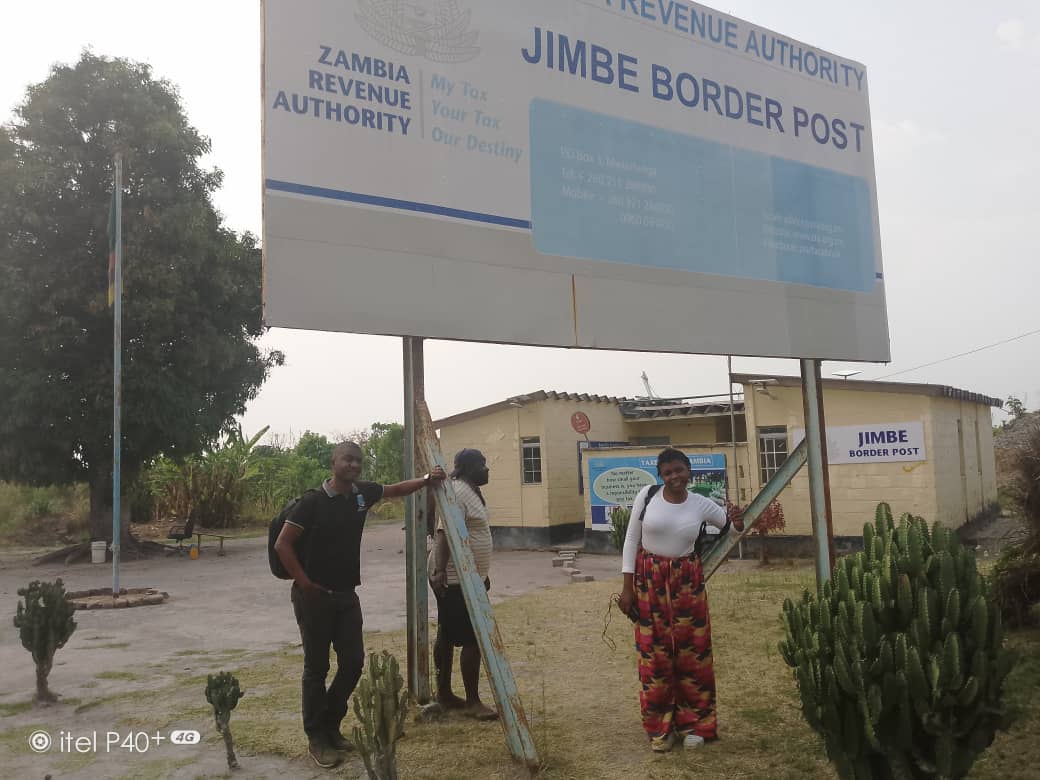
WHO technical personnel worked with health workers, border authorities, and community volunteers to strengthen screening at key border posts such as Kasumbalesa, Kashiba, Mokambo, Jimbe, and Chembe. Activities included improving triage and early detection of suspected cases, establishing basic isolation capacity, enhancing safe patient and sample management, and engaging traditional leaders, health committees, and volunteers to raise awareness and encourage early care-seeking.
Zambia’s Rapid Response Teams, already vital in cholera control are being re-trained to detect and respond to Ebola and other viral hemorrhagic fevers. WHO’s hands-on mentorship ensures that readiness is practical and operational at local levels.
As Ebola outbreaks in the DRC occur closer to Zambia’s borders, this collaboration strengthens Zambia’s capacity to protect its people. Surveillance, alert systems, laboratory confirmatory testing capacities, informed communities, and equipped frontline workers form the backbone of a resilient health security system. Through continued partnership with WHO and national authorities, Zambia reaffirms its commitment to preparedness for early detection and rapid response to safeguard public health.
Communications Officer
World Health Organization Country Office, Zambia
Email: kapemak [at] who.int (kapemak[at]who[dot]int)