Malawi advances efforts to finalize its Health Labour Market Analysis for Evidence-based Health Workforce Planning and Development
Achieving SGD3, Universal Health Coverage by 2030, and health security and PHC-oriented and resilient health systems hinges on the sufficient capacity of a well-trained and motivated health workforce to provide the essential health services at all levels of care.
The Ministry of Health, with technical support from the World Health Organization (WHO), is taking giant steps towards finalizing the comprehensive national Health Labour Market Analysis (HLMA). The current draft HLMA report needs to be standardized with other supported countries, and for results need to inform high-level multisectoral policy dialogue to improve the HRH situation and prioritization in Malawi.
An HLMA is an approach to using a systematic economic framework to understand the health workforce by examining the interaction and mismatches between the supply of health workers, the demand for health workers, the population's health needs, and the budget space for health workers' feasibility and impact of different policy options. This initiative marks a major step toward strengthening health workforce governance, improving evidence-based decision‑making, and advancing Malawi’s progress toward Universal Health Coverage (UHC).
Within its Health Sector Strategic Plan 2023-2030, Malawi has made significant investments in health workforce education, recruitment, performance management, professional development, and its Human Resources Information System. The consistent and positive national trend of growth in the health workforce in Malawi, with the total number of health workers increasing from 34,287 in 2019 to 47,555 in 2024, representing a significant 38.7% increase over the six years.
Despite these gains, critical staffing gaps remain across health facilities. To fully deliver the essential health package, the country needs to address the high vacancy rates of 40% for Nurse/Midwife Technicians and significant shortages for Medical Officers/Specialists (32%) and Medical Assistants (25%). To address these gaps, the Ministry of Health is working with WHO to complete the HLMA. The analysis will examine the interplay between political and economic factors, training capacity, labour supply and demand, and population health needs. The resulting evidence will guide long‑term policy options for health workforce development, employment, and management.
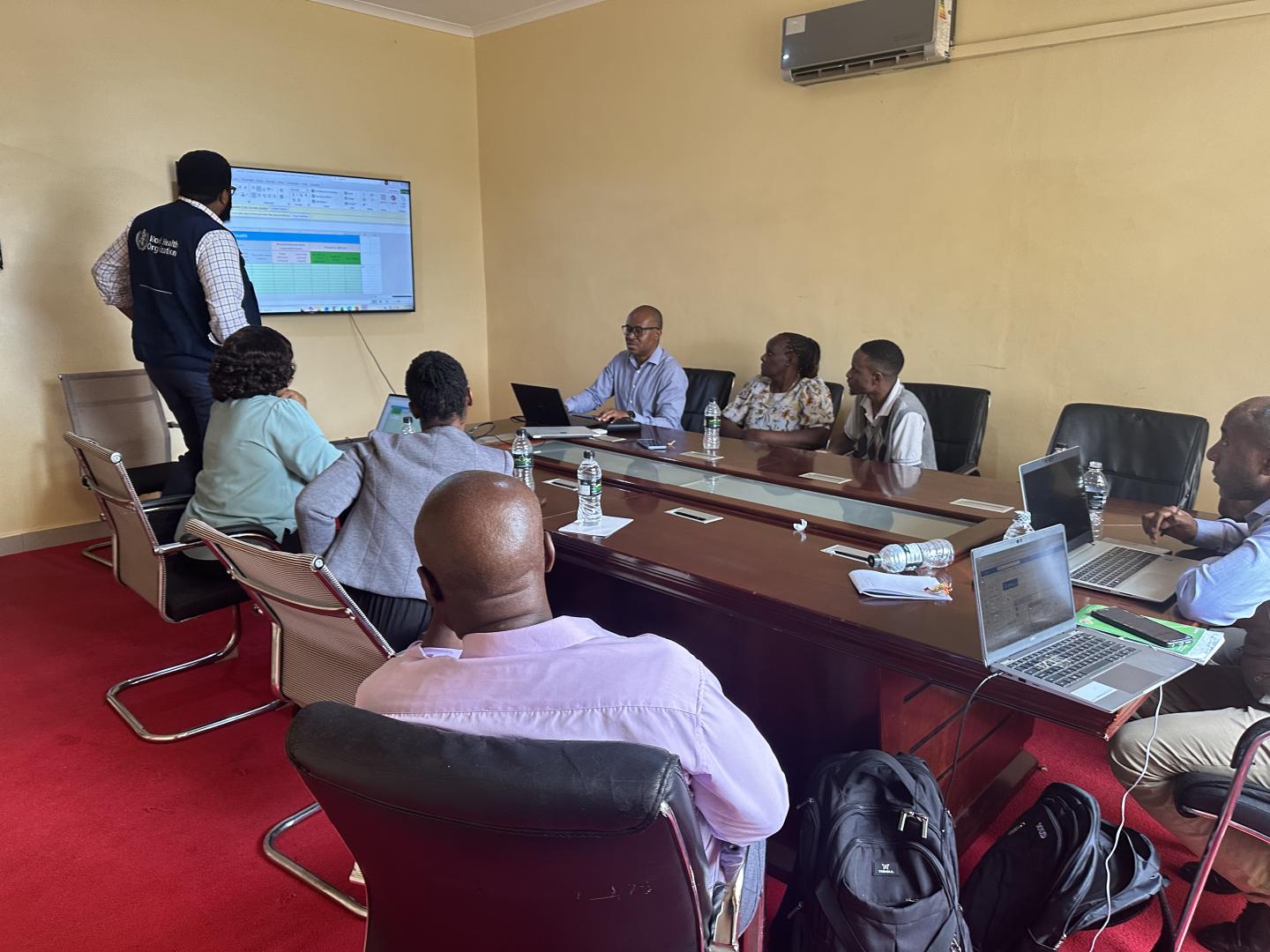
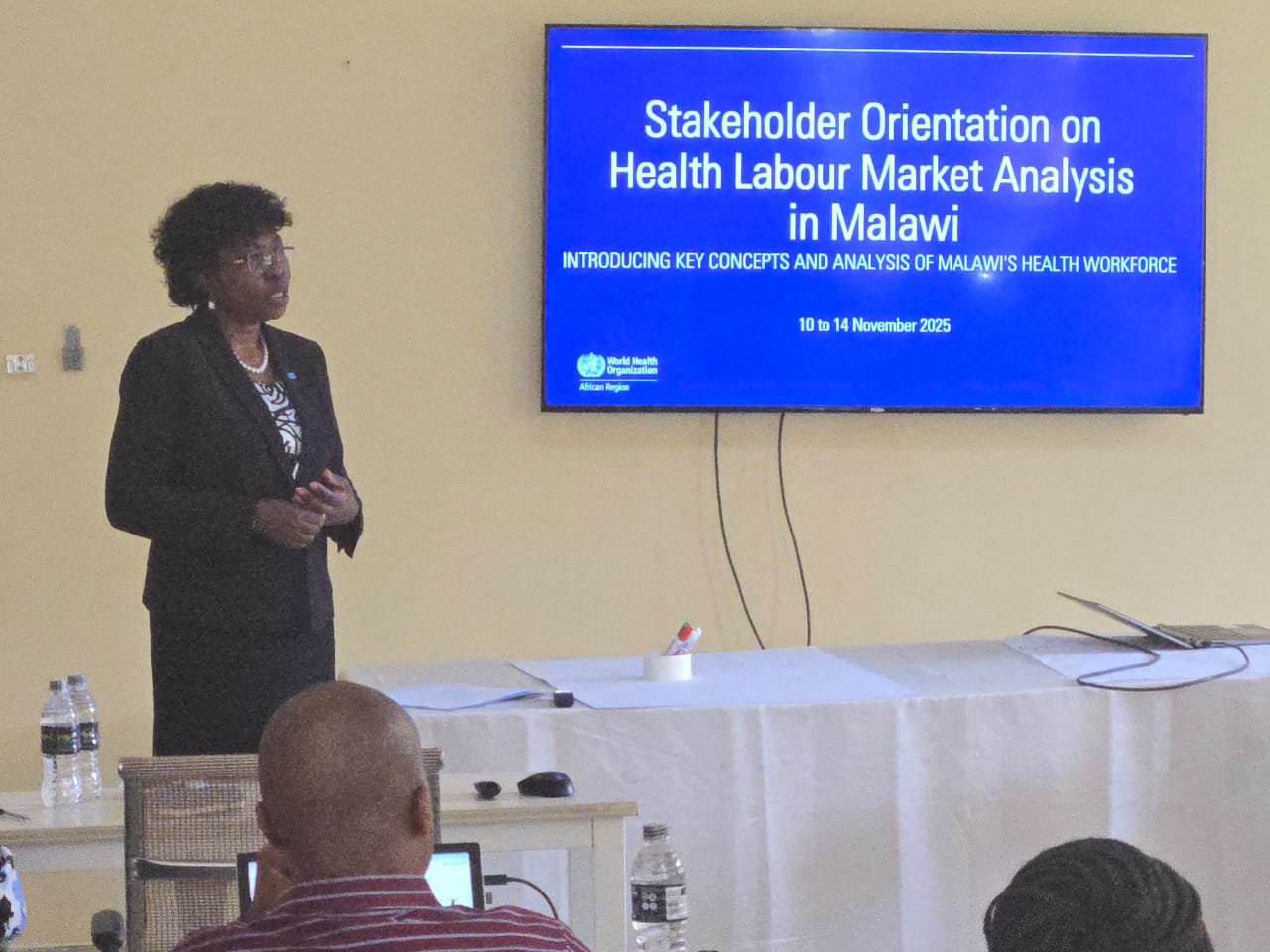
With funding from the United Kingdom Department for Health and Social Care (DHSC), WHO Africa Region supported a reorientation of a multisectoral team on the HLMA, and the “Epidemiology-based health workforce needs assessment and analysis” using the WHO AFRO HLMA Support Tool. The participants systematically mined and analyzed Malawi’s health workforce data across all domains of the Health Labour Market framework.
Among the outputs are preliminary estimates of the health workforce requirements to address the epidemiological burden of disease and service delivery needs of Malawians. The comprehensive HLMA report with evidence-based policy questions will facilitate a multisectoral technical dialogue to build national cross-sectoral consensus on policy directions for health workforce development, employment, and management in Malawi.
“The Health Labour Market Analysis will give Malawi a credible evidence base to better understand our workforce dynamics and plan more effectively,” said Mr Duff Msukwa [Director of Human Resources for Health, Ministry of Health. “By generating evidence-based insights, we can better align our health workforce with the needs of our population, ensuring equitable access to quality care and advancing our Health Sector Strategic Plan III goals.”
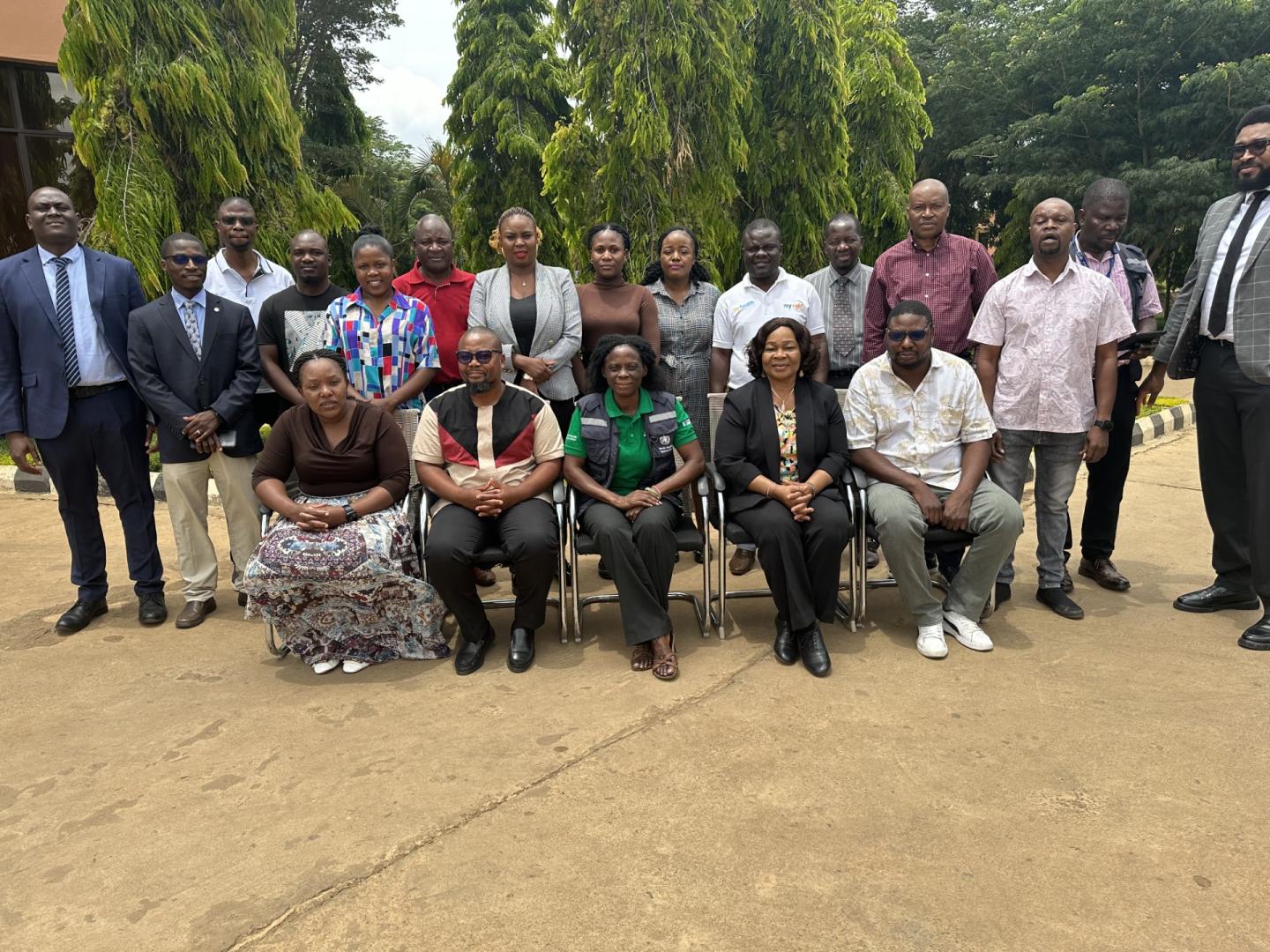
A multi-sectoral team—including representatives from government ministries, Nurses and Midwives Council, Medical Council, and Christian Health Association of Malawi, health training institutions, and health workers across 72 occupations—participated in the HLMA data minging and health workforce needs assessment held from 10th to 21st November 2025.
“WHO is proud to be supporting Malawi in this comprehensive Health Labour Market Analysis, which will provide the data-driven foundation for sustainable workforce planning and to improve the quality of health services at all levels,” said Dr Neema Rusibamayila Kimambo, WHO Representative to Malawi. “This initiative not only tackles immediate gaps but also paves the way for long-term investments in health workers, helping Malawi move closer to Universal Health Coverage and a stronger and resilient health system.”
With persistent workforce pressures and rising demand for health services, including health emergencies, the completion of the HLMA will provide Malawi with contextual evidence to align health workforce policies with real population needs. By grounding planning in evidence, Malawi reinforces its commitment to building a resilient and equitable health system capable of delivering UHC and health security.
bunyao [at] who.int (bunyao[at]who[dot]int)
+265 999 930 280