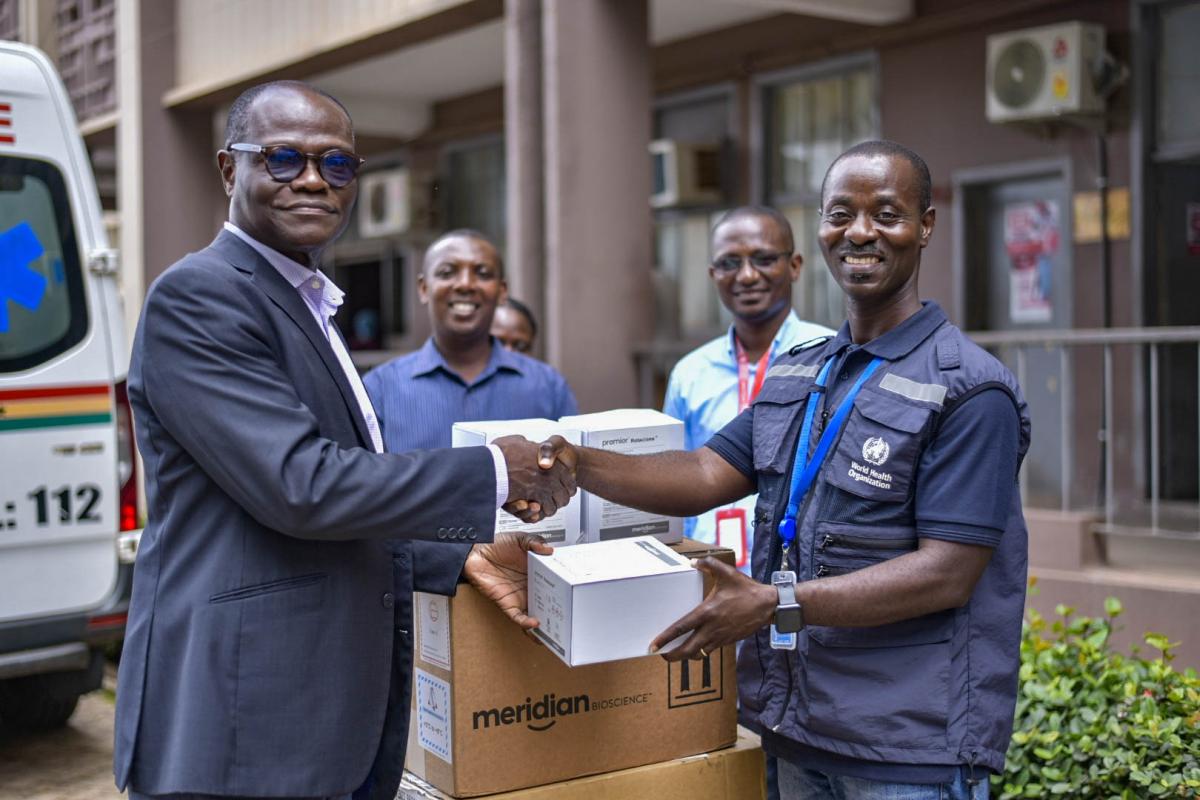
WHO Donates Laboratory Equipment to Strengthen Rotavirus Sentinel Surveillance in Gh...

Diarrheal diseases remain a leading cause of illness and death among children age under five years in Ghana. Among the causes, rotavirus stands out as the most common agent for severe acute diarrhea. Before the introduction of vaccines in 2012, rotavirus accounted for nearly half of all diarrhea-related hospitalizations in children, severely impacting child survival rates, particularly in low-resource settings.


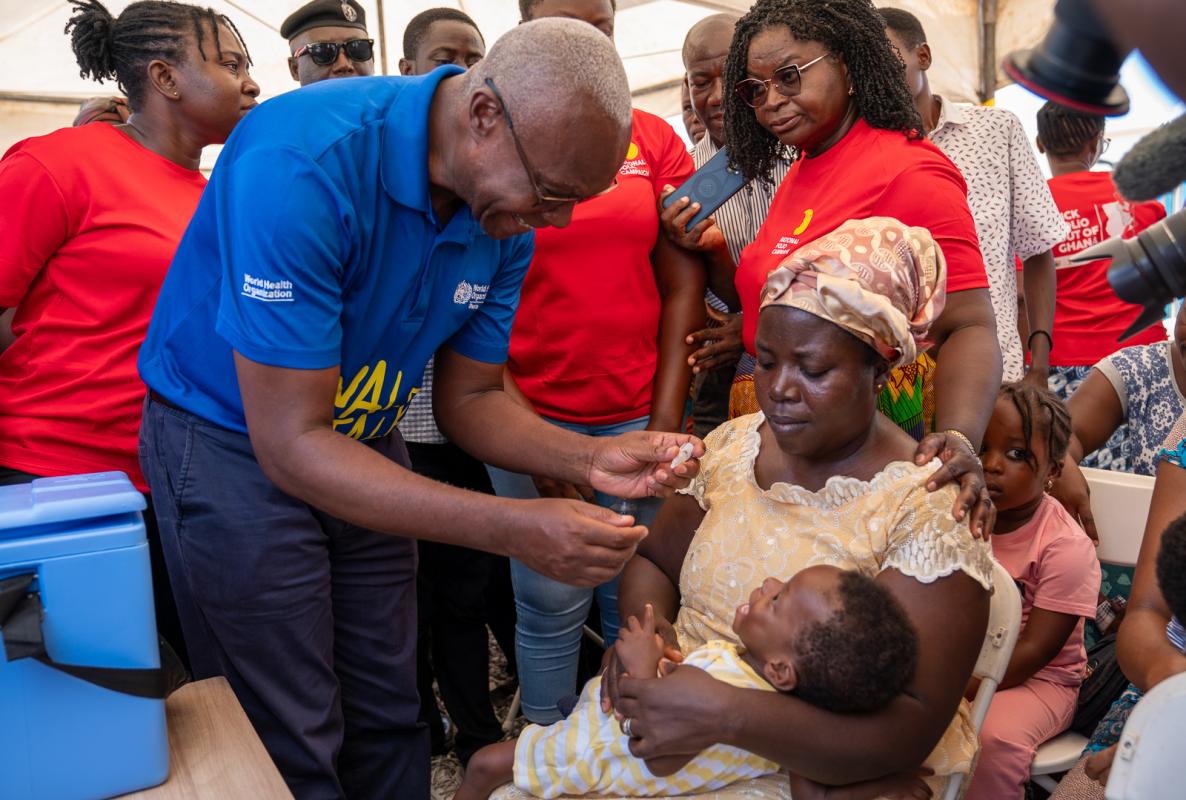
A Second Chance for Pamela, Thanks to One Nurse and a Life-Saving Training

In the serene community of Ho-Dome in Ghana’s Volta Region lives 20-year-old Pamela—a young woman with a radiant smile, a soft voice, and quiet strength. Pamela also lives with a physical disability (Osteogenesis imperfecta also known as brittle bone disease, a genetic disorder characterized by bones that are weak and break easily), but for most of her life, that has not defined her.

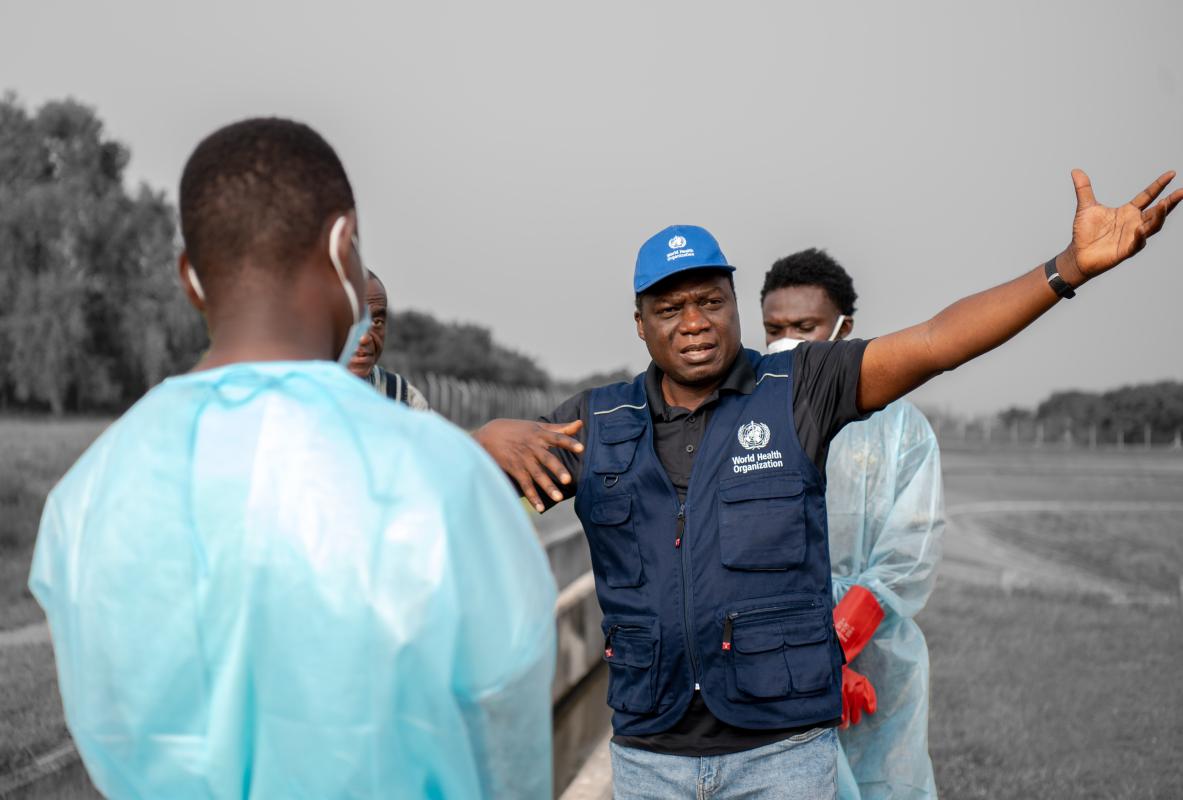
When the Cost of Hope Is Too High: Ghana’s Push to Improve Access to Childhood Cance...

Cancer is one of the leading causes of death from non-communicable diseases (NCDs) among children worldwide. Each year, an estimated 400,000 children are diagnosed with cancer—but where a child lives too often determines whether they survive. While the survival of children with cancer in high-income countries (HIC) is more than 80%, in low- and middle-income countries (LMICs), the chance of survival drops to just 20–30%.