Where trust turns into protection: The school at the heart of Malawi’s polio breakthrough
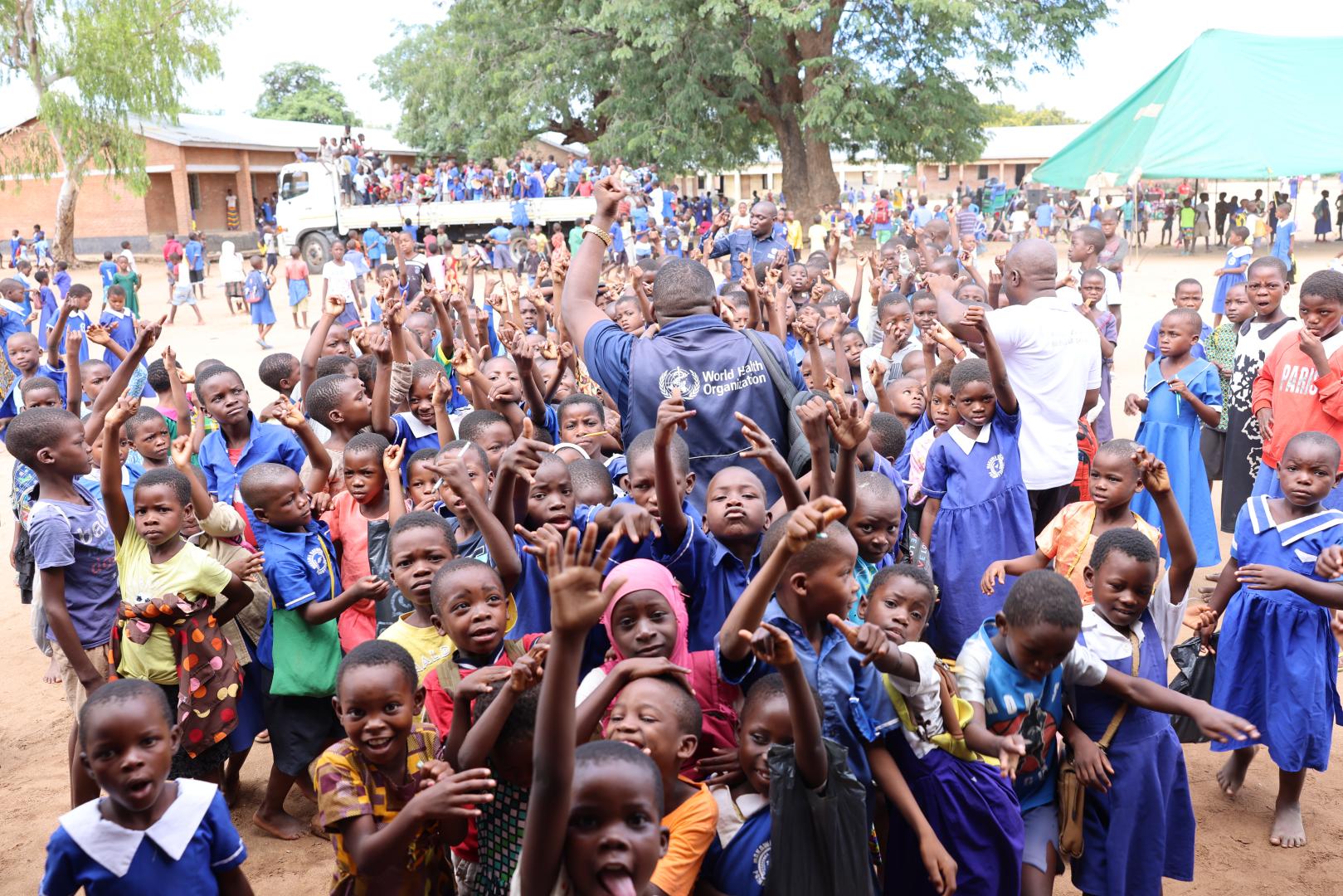
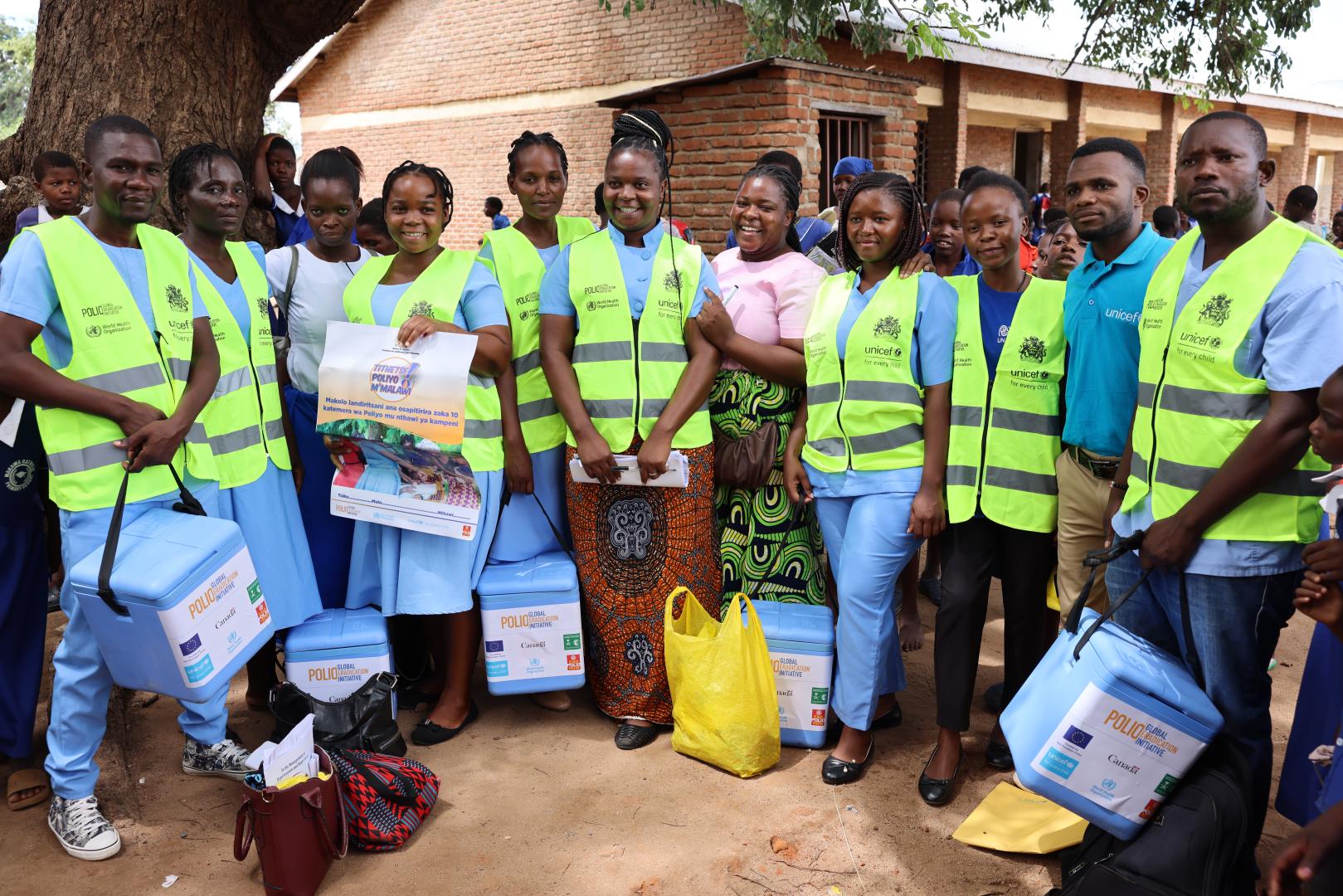
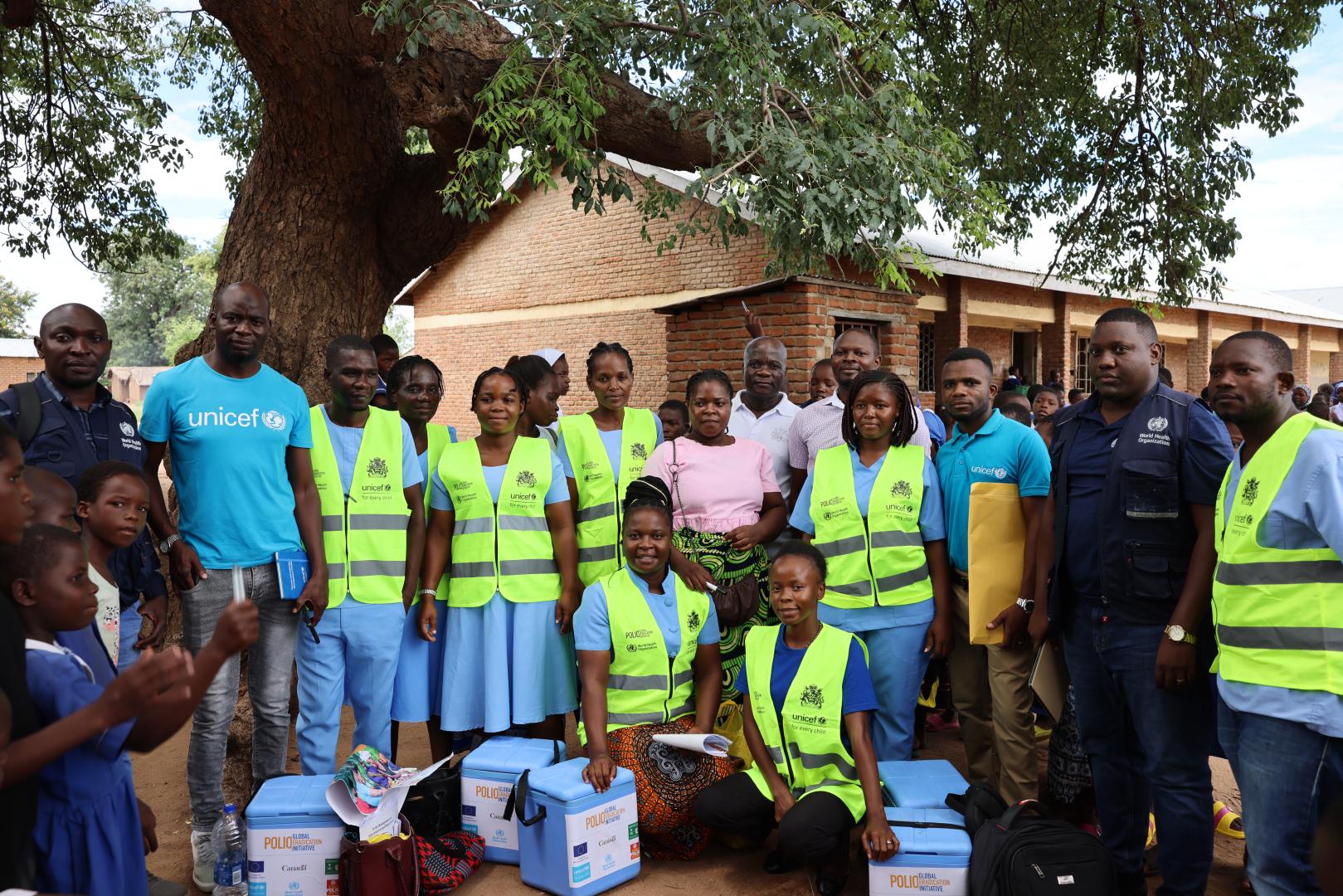
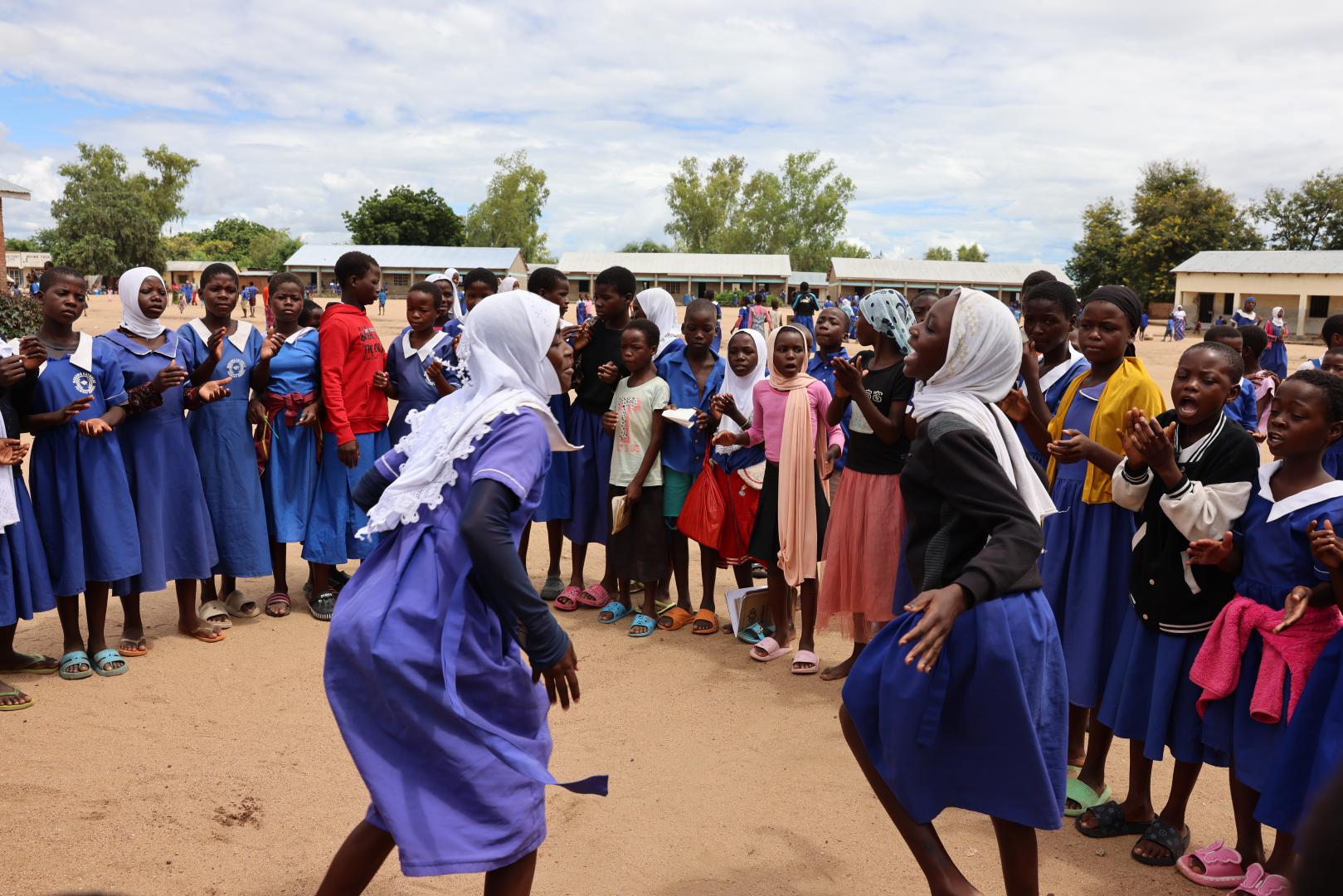
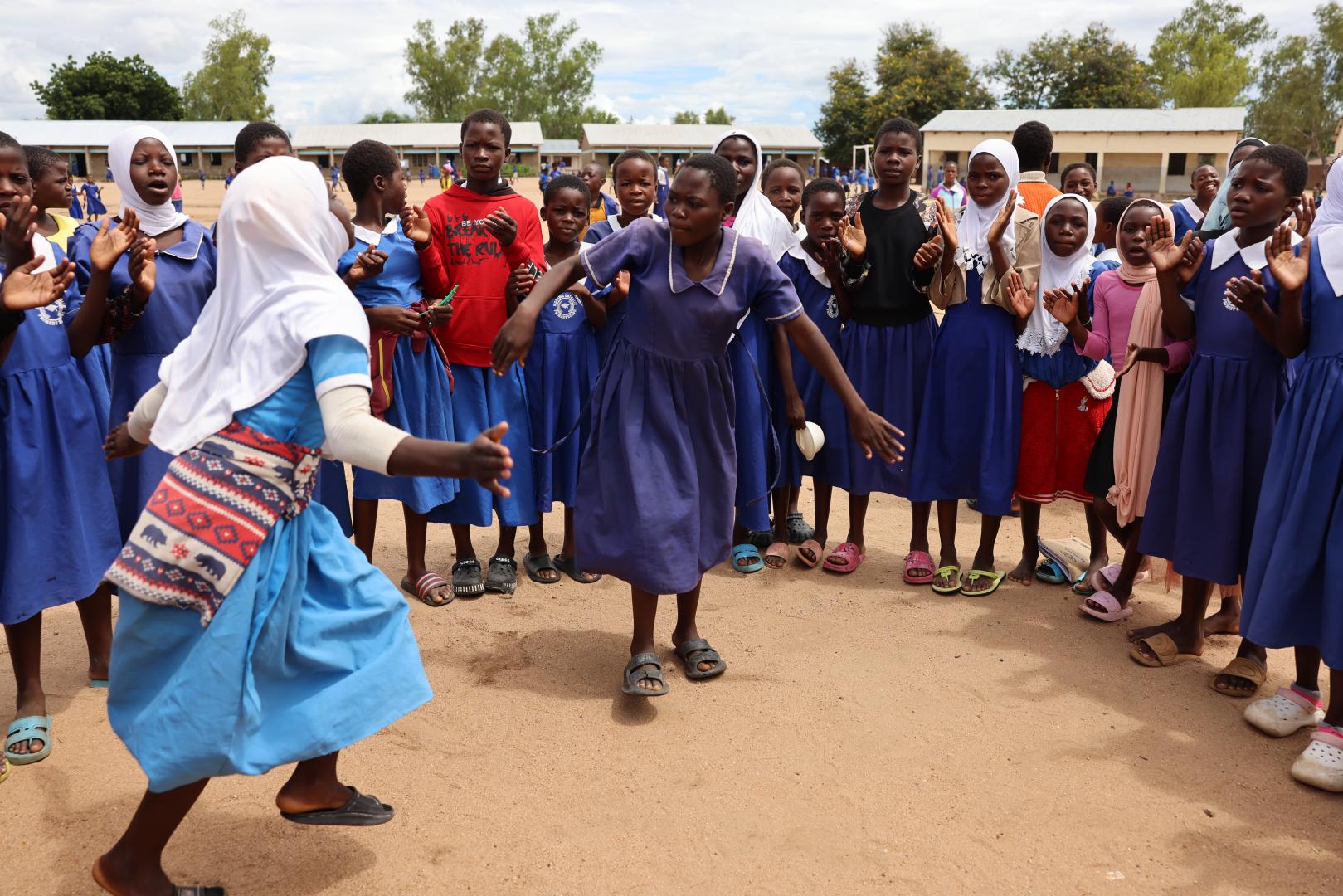
At Makawa Primary School, where more than 5,000 children fill classrooms each day, the morning of 24 March 2026, the first day in Malawi’s round 1 nationwide polio vaccination campaign, carried a quiet urgency and a powerful sense of hope.
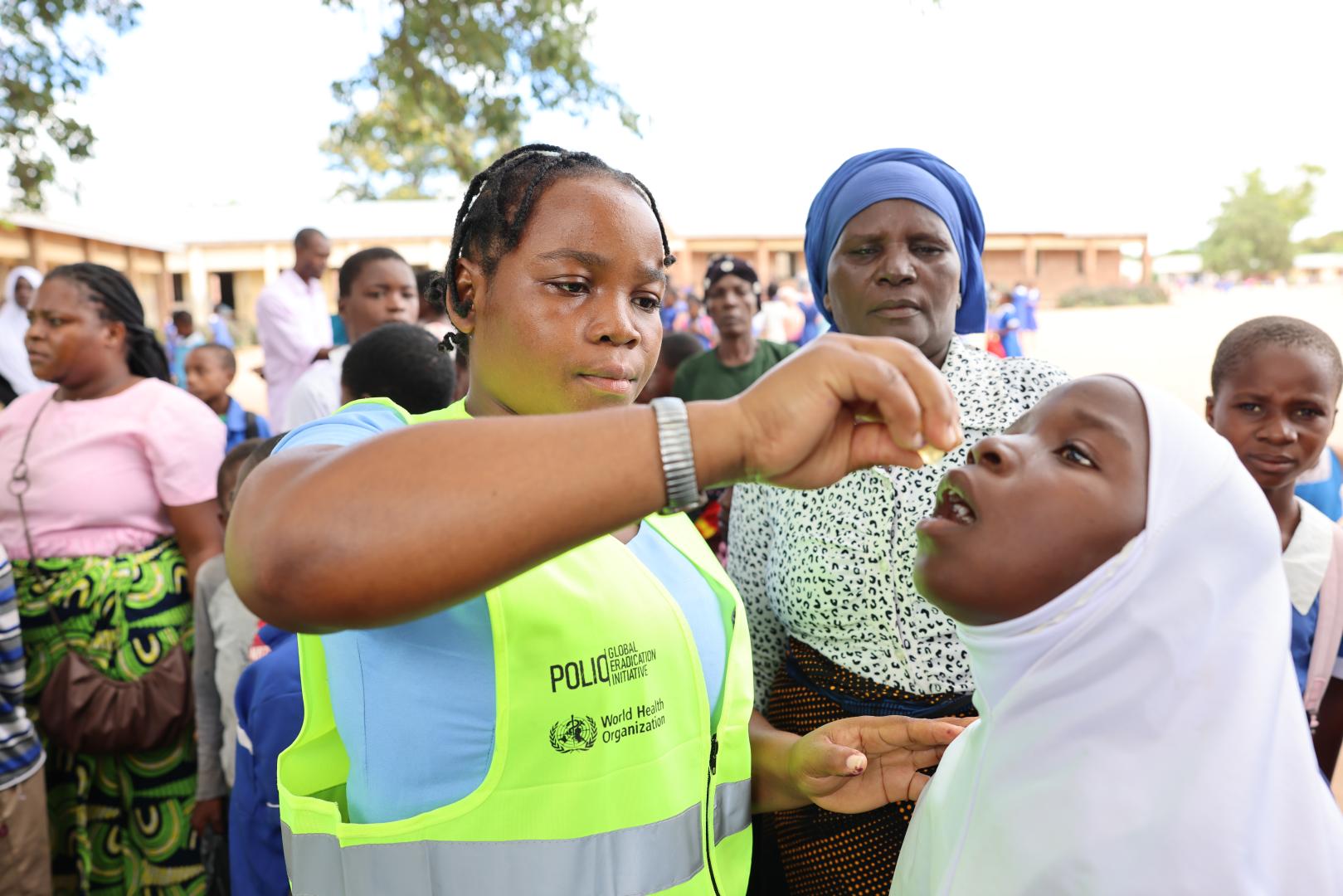
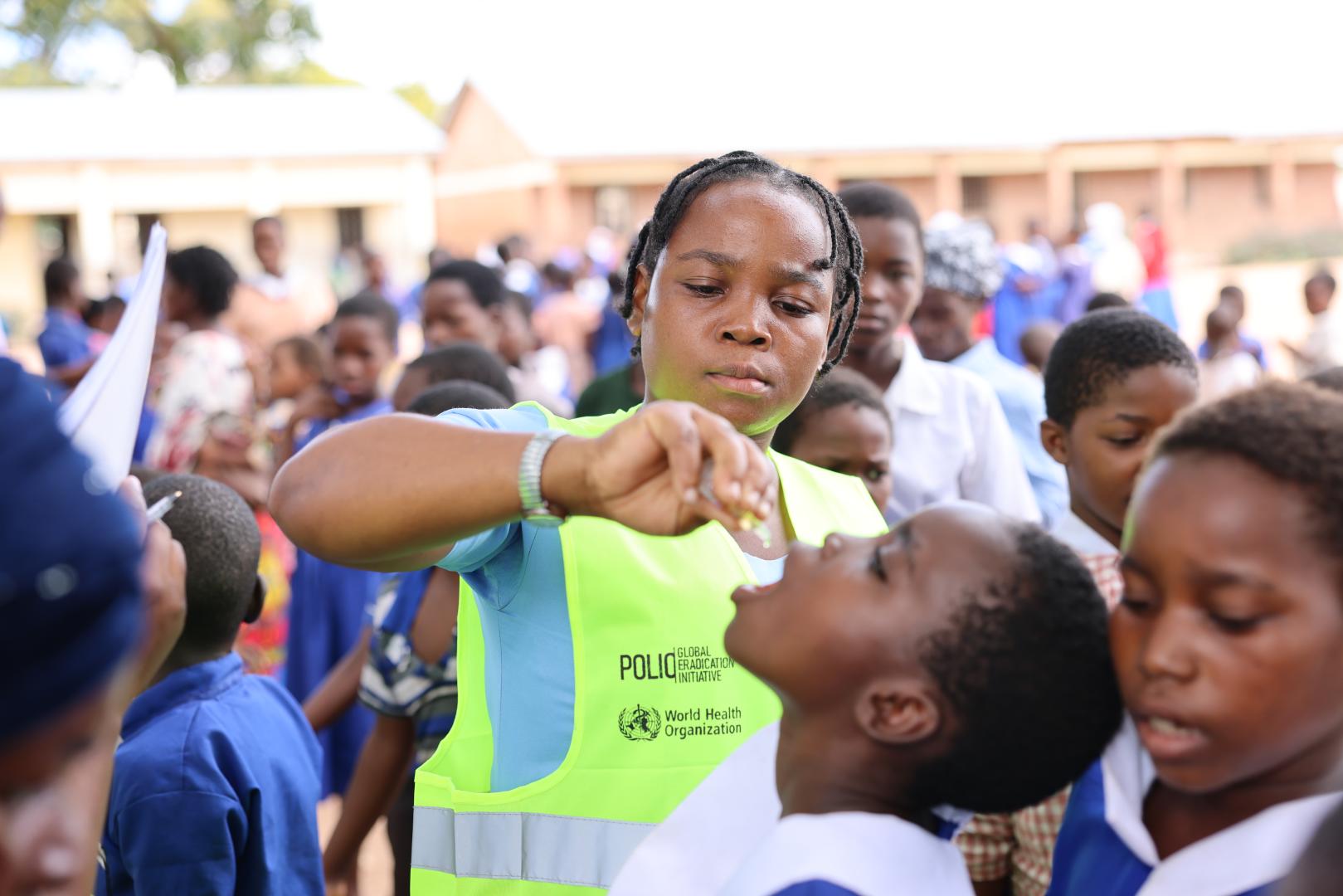
By 10 AM, over 1,600 children had already received their polio vaccine. The numbers tell one story. People behind them told another: one of trust, coordination, and a shared commitment to protect every child.
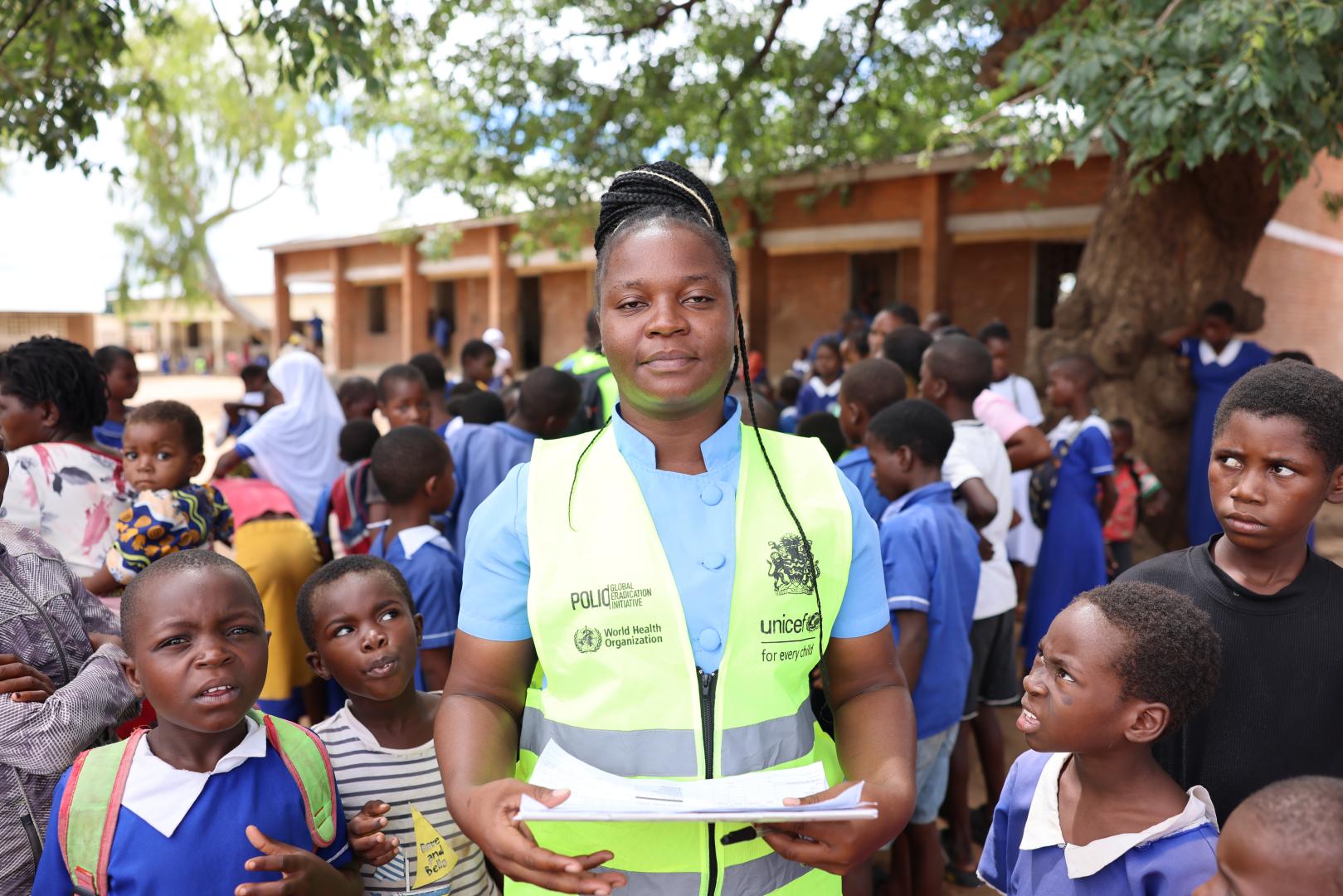
For Angella Kasekani, a Health Surveillance Assistant from Koche Community Hospital, this moment was the result of careful, community-driven work.
“Vaccination is the best way to keep children safe. Before every child is vaccinated, every community has to be sensitized, through leaders and conversations. But it is the partnership between parents, teachers, and health workers that truly protects children,” she explains.
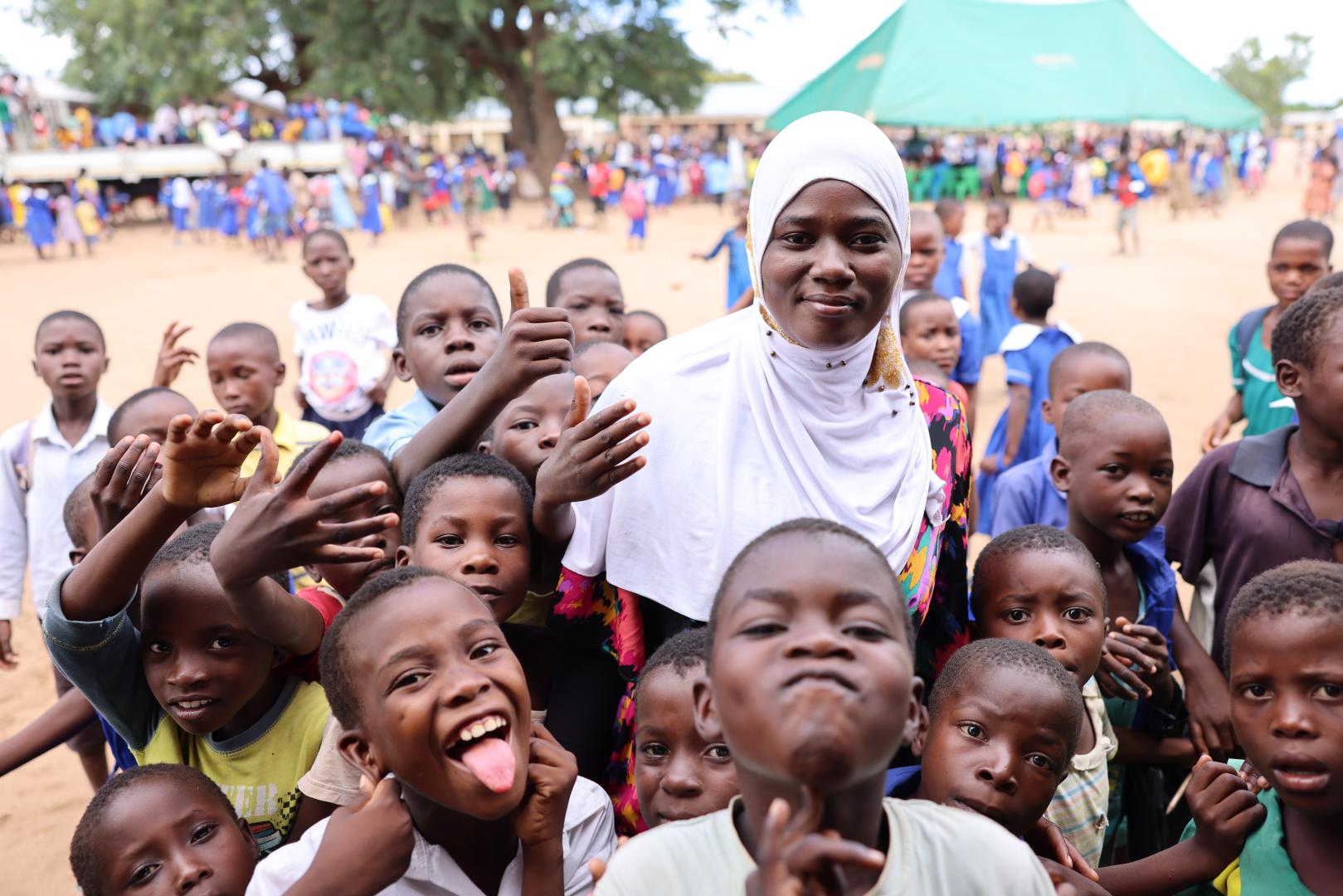
She describes a system built on shared roles and mutual trust. Health workers bring knowledge—explaining what polio is, how it spreads, and how vaccines work. Parents hold the power to decide, to say yes to protection. Teachers, meanwhile, become the bridge opening access, sharing information, and linking families to services.
Inside one classroom, that collaboration came to life.
Shamim Bwanali, a Standard 2 teacher at Makawa, ensured that all 152 learners in her class were vaccinated.
“I engaged all parents and warned them about the dangers of the polio disease. I told them that polio causes paralysis and that vaccination is only protection. They were all forthcoming and gave consent for their wards to receive the vaccine.
Her classroom became a small but powerful example of what is possible when information meets trust.
Across Malawi, similar scenes are unfolding. Health workers move tirelessly—from door to door, through markets, to schools, determined that no child is left behind. Alongside them, teachers play a vital role mobilizing parents, sharing trusted information, organizing learners, and turning classrooms into safe points of access for vaccination. A shared purpose, bridging the gap between families and health services, ensuring consent is understood and no child is left behind.
By the end of the campaign, more than 6,223,422 children under the age of 10 had been reached across all districts in Malawi, achieving an extraordinary 103% coverage. Behind every number is a child, vaccinated and protected from polio. A powerful testament to what is possible when communities, leaders, and health workers move as one to safeguard every child.
bunyao [at] who.int (bunyao[at]who[dot]int)
+265 999 930 280