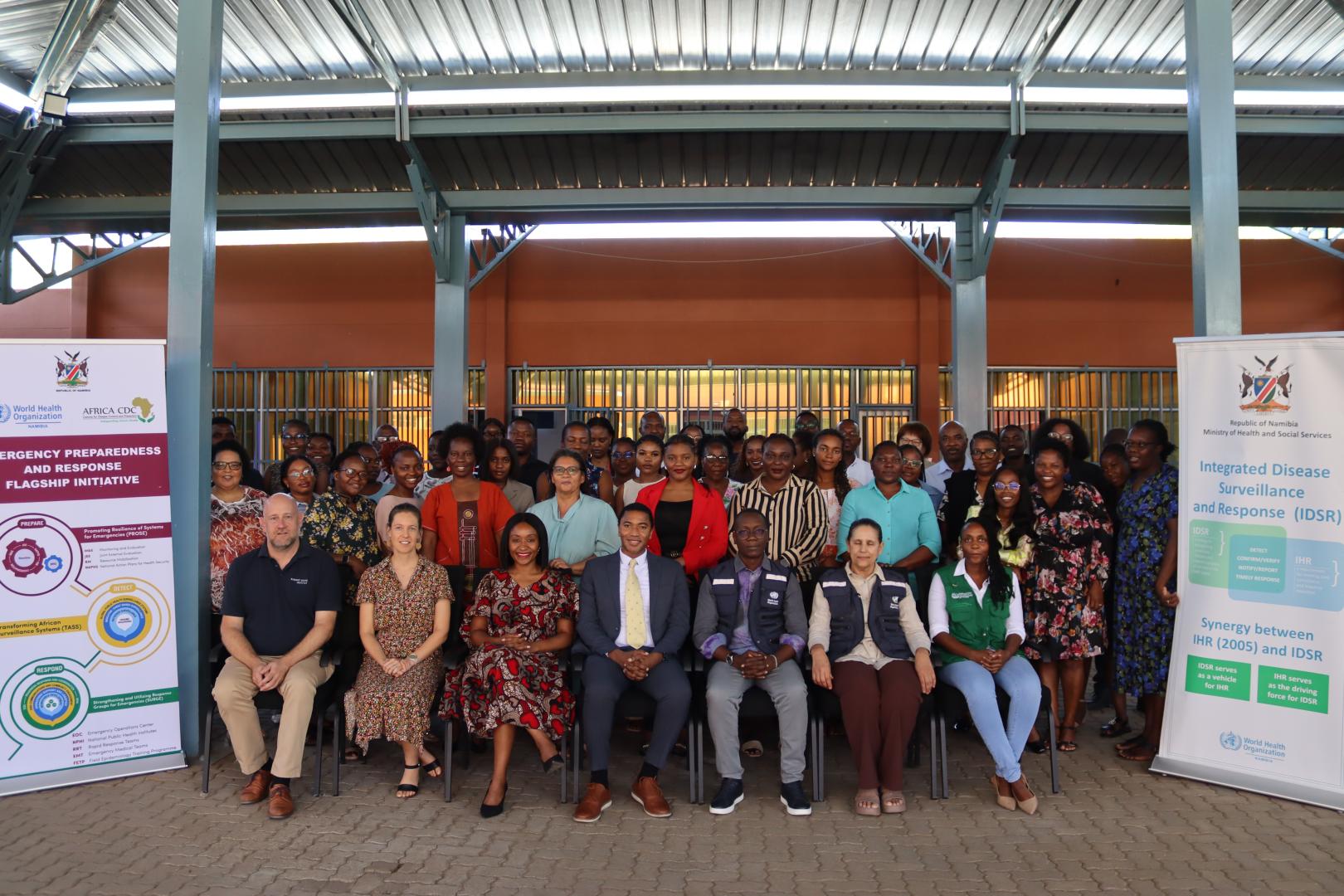
Namibia strengthens national preparedness through tabletop simulation Exercise
Windhoek—Public Health Emergency Operations Centres (PHEOCs) are essential platforms for managing the full spectrum of the Public Health Emergency Management (PHEM) cycle, from preparedness and detection to response, recovery and post-event evaluation. As centralized hubs for multisectoral and multidisciplinary coordination, PHEOCs enable countries like Namibia to anticipate, monitor and respond to health threats with agility and efficiency. Through timely decision-making, efficient resource allocation, and strong coordination and collaboration across sectors and partners, PHEOCs remain a cornerstone of national health security.
In line with ongoing efforts to reinforce national emergency systems, Namibia recently conducted a national Tabletop Simulation Exercise (TTX) to test and strengthen its readiness for Vaccine-Preventable Disease (VPD) outbreaks. This exercise forms part of the country’s broader commitment to improving the functionality of its PHEOC and advancing its public health emergency preparedness.
Officiating the Tabletop Simulation Exercise on Vaccine-Preventable Diseases, Dr Theo- Ben Kandetu, Deputy Executive Director at the Ministry of Health and Social Services, emphasized that the exercise is more than a gathering, but rather a critical juncture and a defining moment in Namibia’s collective efforts to strengthen its defences against public health threats. “This gathering reaffirms our unwavering commitment to strengthening Namibia’s readiness for Vaccine-Preventable Disease outbreaks, especially as recent measles cases and persistent immunization gaps remind us that our hard-won gains can quickly be reversed without vigilance and preparedness,” he said. “Through this simulation exercise, we are stress-testing our national response systems so that when a real threat emerges, we are equipped to deliver a rapid, coordinated, and effective response that protects every community”.
The simulation took place against the backdrop of Namibia’s recent experience in managing multiple concurrent outbreaks including measles, Mpox, malaria and cholera. The outbreaks underscored the need for coordinated and effective national response mechanisms. A fully functional PHEOC is central to such efforts, providing a unified platform for incident management and multi-sectoral coordination.
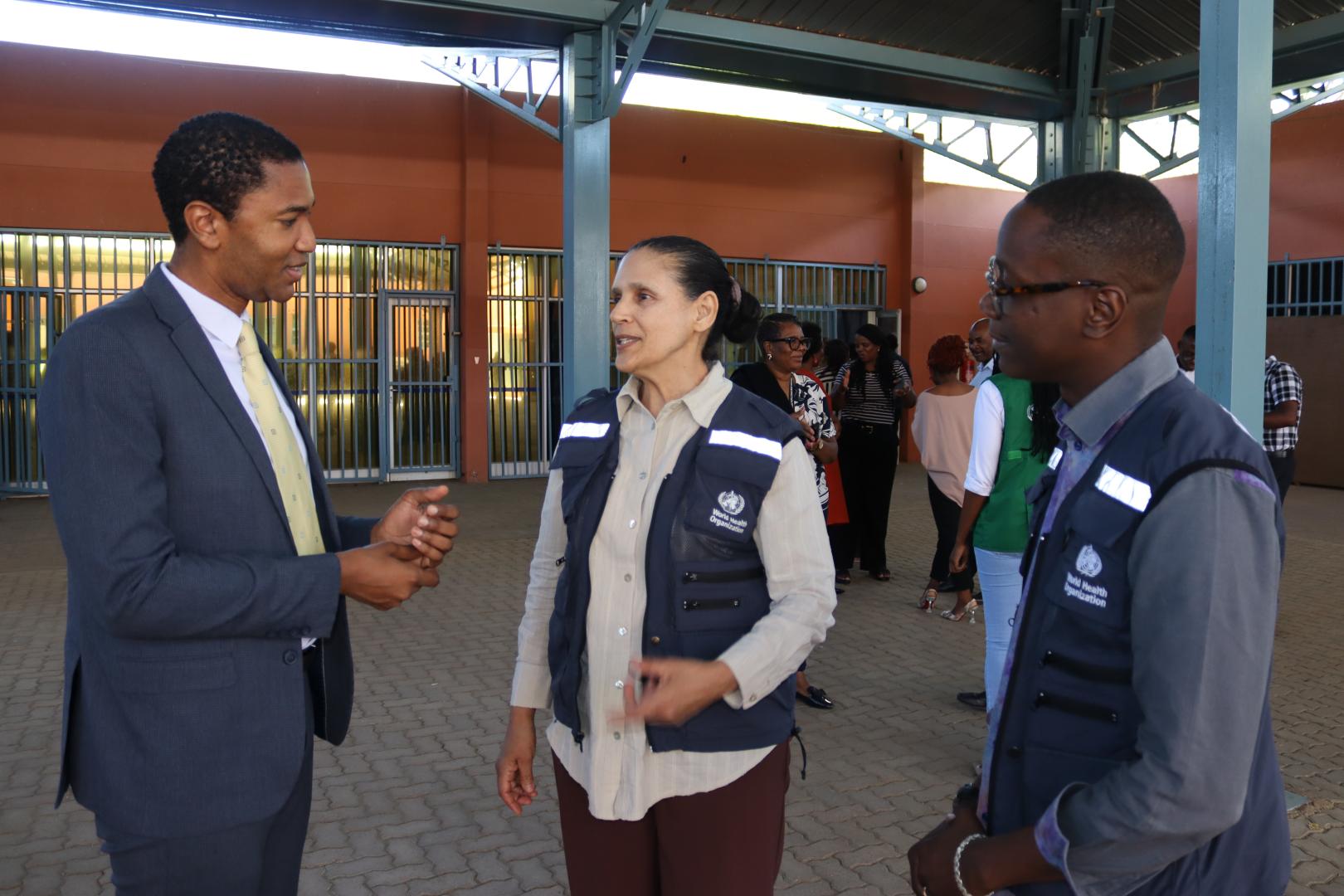
During the opening session, Ms Roselina De Wee on behalf of the WHO country representative Dr Richard Banda, emphasized the importance of maintaining a functional emergency coordination structure. “Namibia is currently managing multiple outbreaks, including Mpox and measles, and we commend the Ministry of Health and Social Services for keeping the PHEOC operational despite limited resources,” she noted. “Today’s simulation allows us to strengthen our preparedness for vaccine-preventable disease outbreaks by testing coordination, decision-making, vaccination procedures and risk communication mechanisms,” she added.
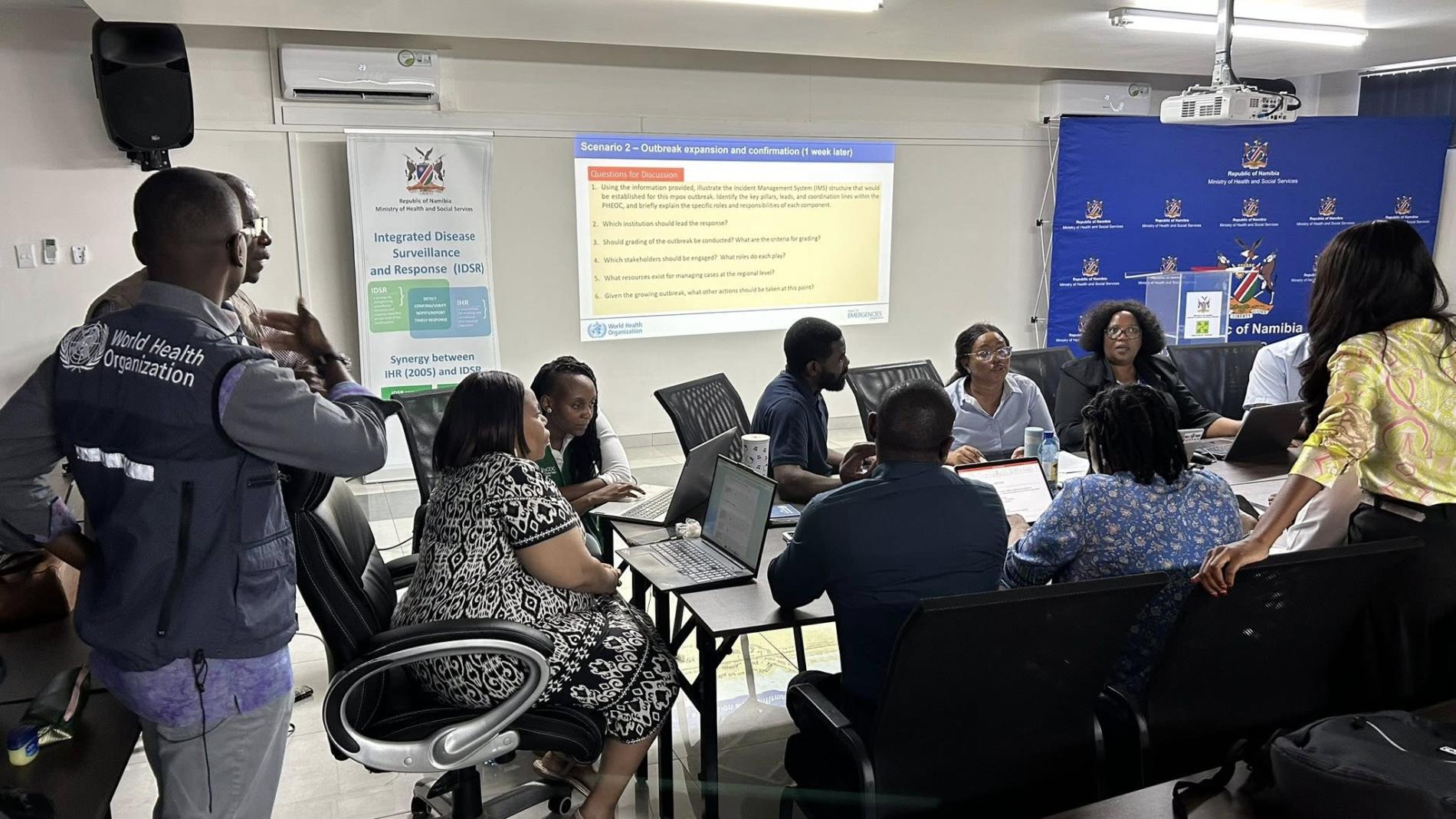
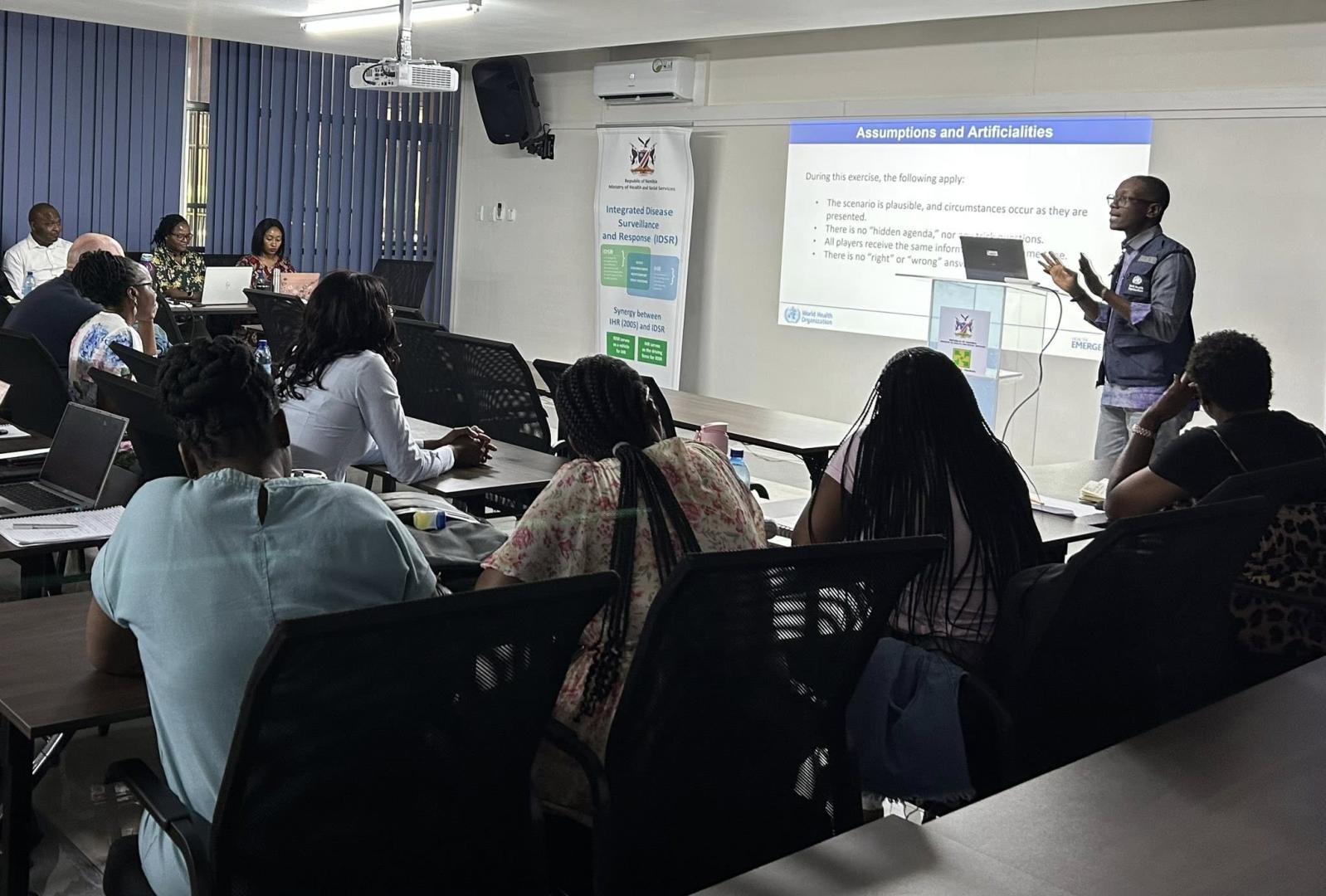
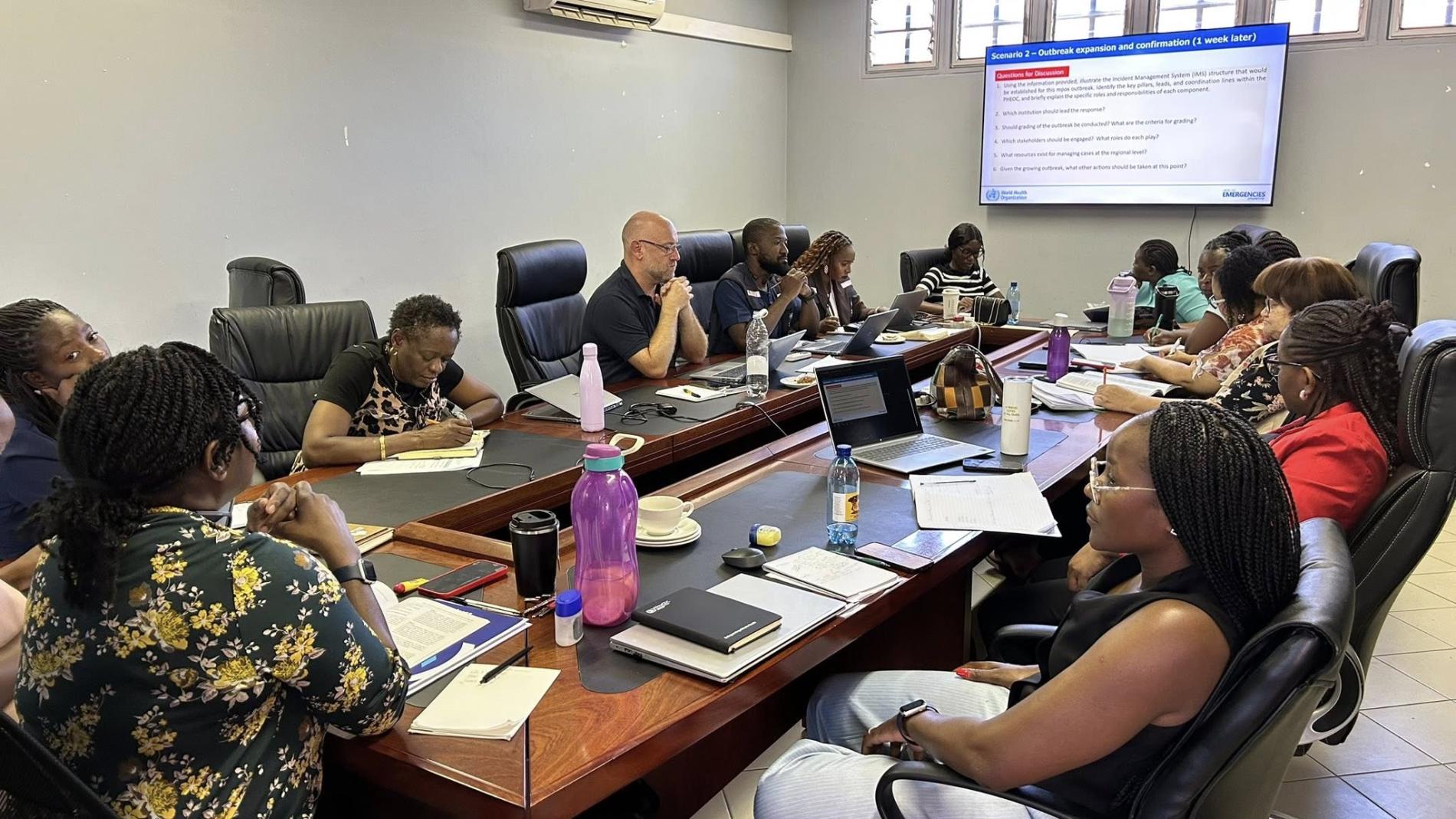
The simulation exercise brought together key national stakeholders to test coordination structures, decision-making processes, vaccination procedures, and communication mechanisms using a simulated disease scenario. The exercise aimed to identify operational gaps, strengthen multisectoral collaboration and refine Namibia’s emergency response plans. By testing real-time decision-making and communication pathways, the activity provided valuable insights to enhance the country’s readiness for VPD outbreaks and other public health emergencies.
Through initiatives like this simulation exercise, WHO Namibia continues to support national efforts to build a more resilient, responsive, and well- coordinated public health emergency management system capable of protecting the health and well-being of all people in Namibia.

Communications Officer
Tel: +264-61-255121/191
Fax: +264-61-2046202
Email: Johanna.Nambahu [at] who.int (Johanna[dot]Nambahu[at]who[dot]int)