When Ghana’s Western Region became the epicentre of the Mpox outbreak, health officials knew the response required more than routine measures — it demanded strategy, collaboration, and urgency. By early September 2025, the region alone accounted for more than 40% of the country’s confirmed cases. The outbreak, first detected in May, had spread rapidly through mining and densely populated urban communities, trading hubs, and border areas, places where mobility was high and awareness often low.
In response, the Ministry of Health with support from World Health Organization (WHO) undertook a high-level technical mission to the Western and Western North Regions from 22 to 26 September 2025. The mission brought together national and regional experts to assess the response, provide technical guidance, and lay the groundwork for the next phase, which was vaccination.
“We needed to understand what was driving transmission in these regions. The insights from the field were critical in shaping our national strategy”, said Dr. Franklin Asiedu-Bekoe, Director of Public Health at the Ghana Health Service (GHS).
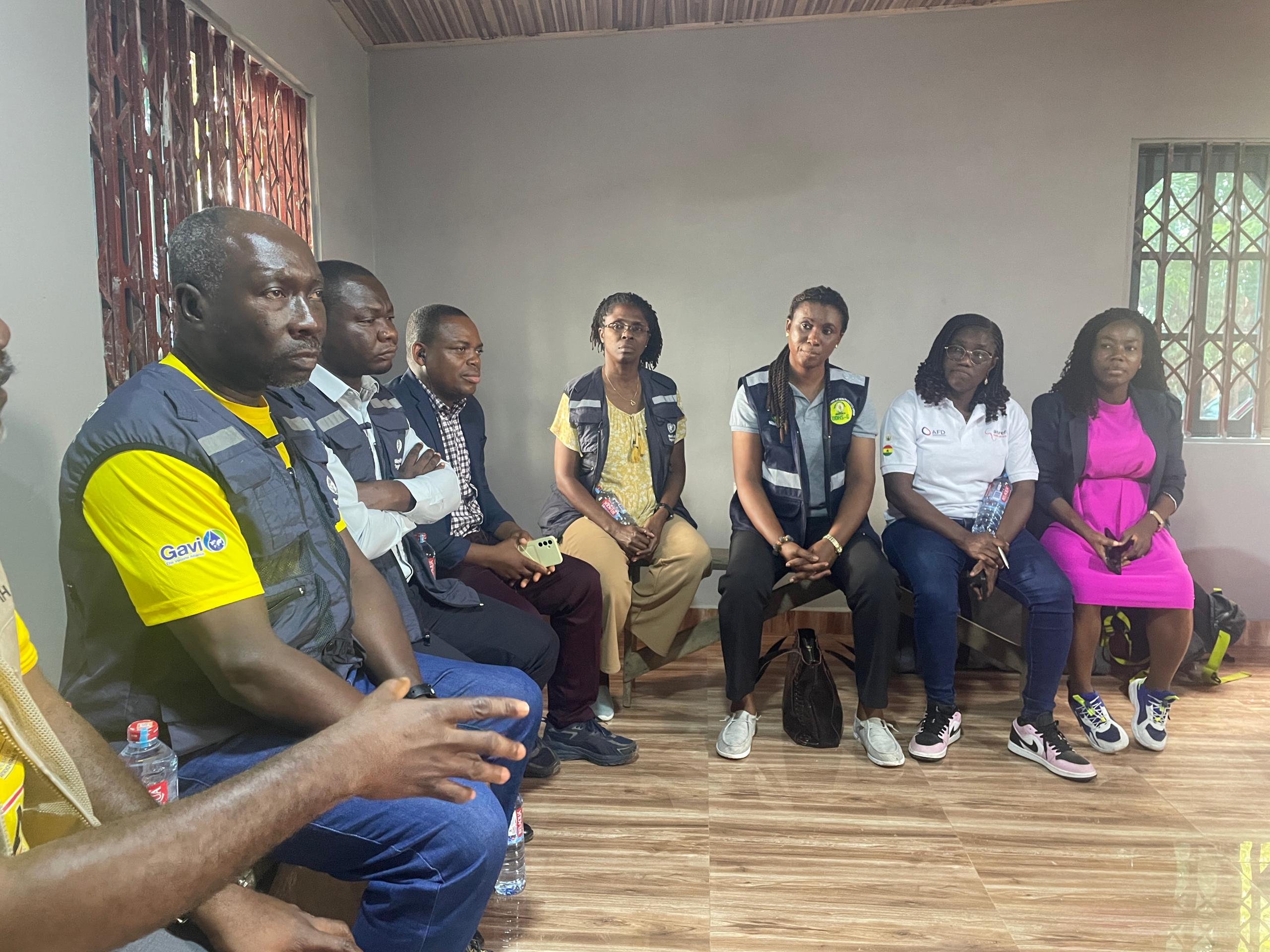
With minimal funding, district and sub-district officers had built strong relationships with key populations — including artisanal miners, traders, and commercial sex workers — to promote preventive practices and improve reporting.
Laboratories were turning around test results within 24 hours, through the deployment of GenExpert cartidges which was facilitated by the WHO. The team however noted an urgent need to replenish GeneXpert cartridges and fix malfunctioning modules.
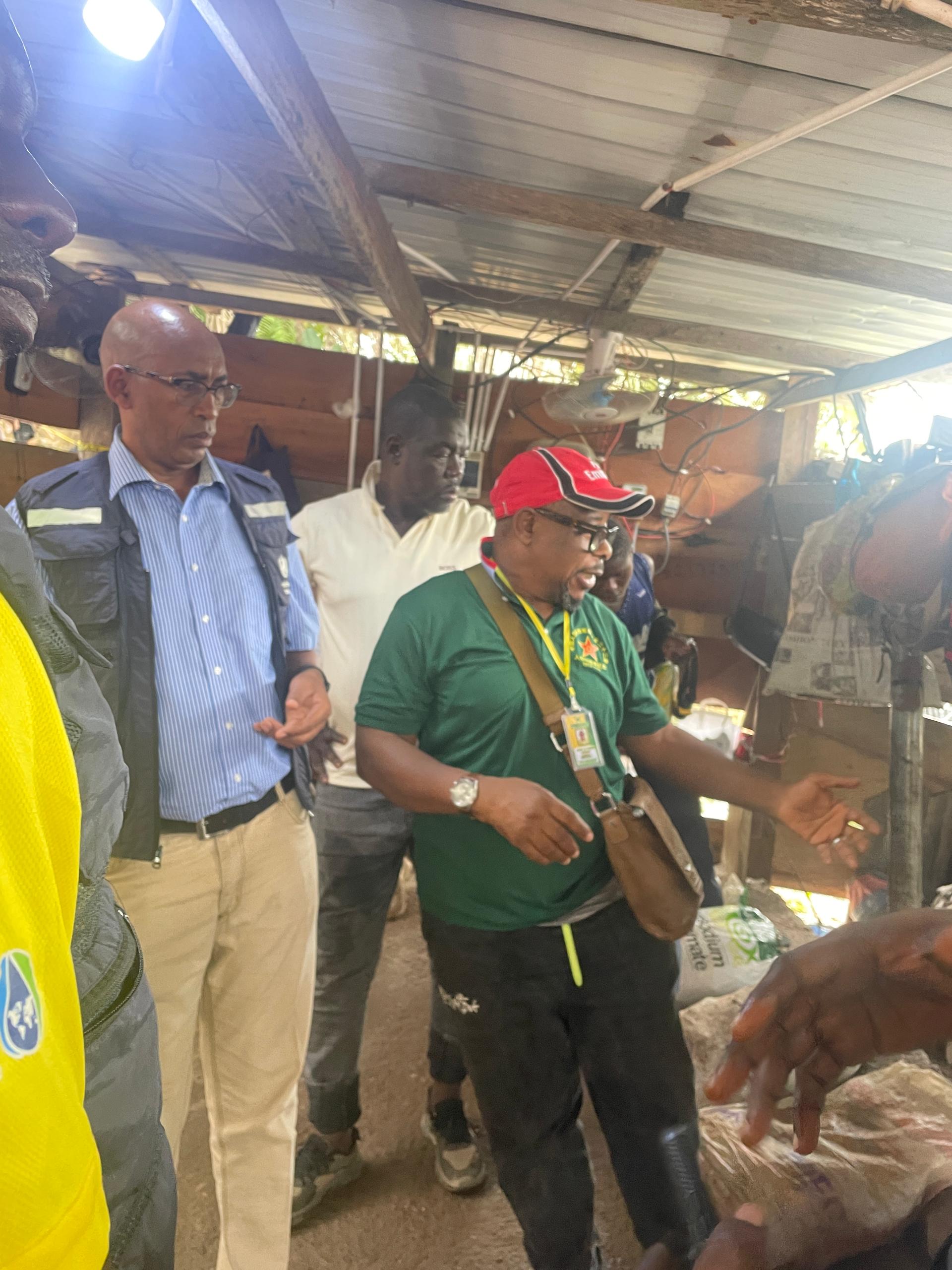
The mission emphasized the need to intensify risk communication and community engagement (RCCE), especially in places where stigma could undermine response efforts. Health workers and community leaders were encouraged to use non-stigmatizing language, referring to “high-risk contacts” instead of specific population labels.
There were also practical lessons. Some mining communities requested Mpox prevention materials in French, reflecting the presence of migrant workers. Others suggested integrating condom distribution and PrEP services to promote a comprehensive strategy that could also strengthen HIV prevention.
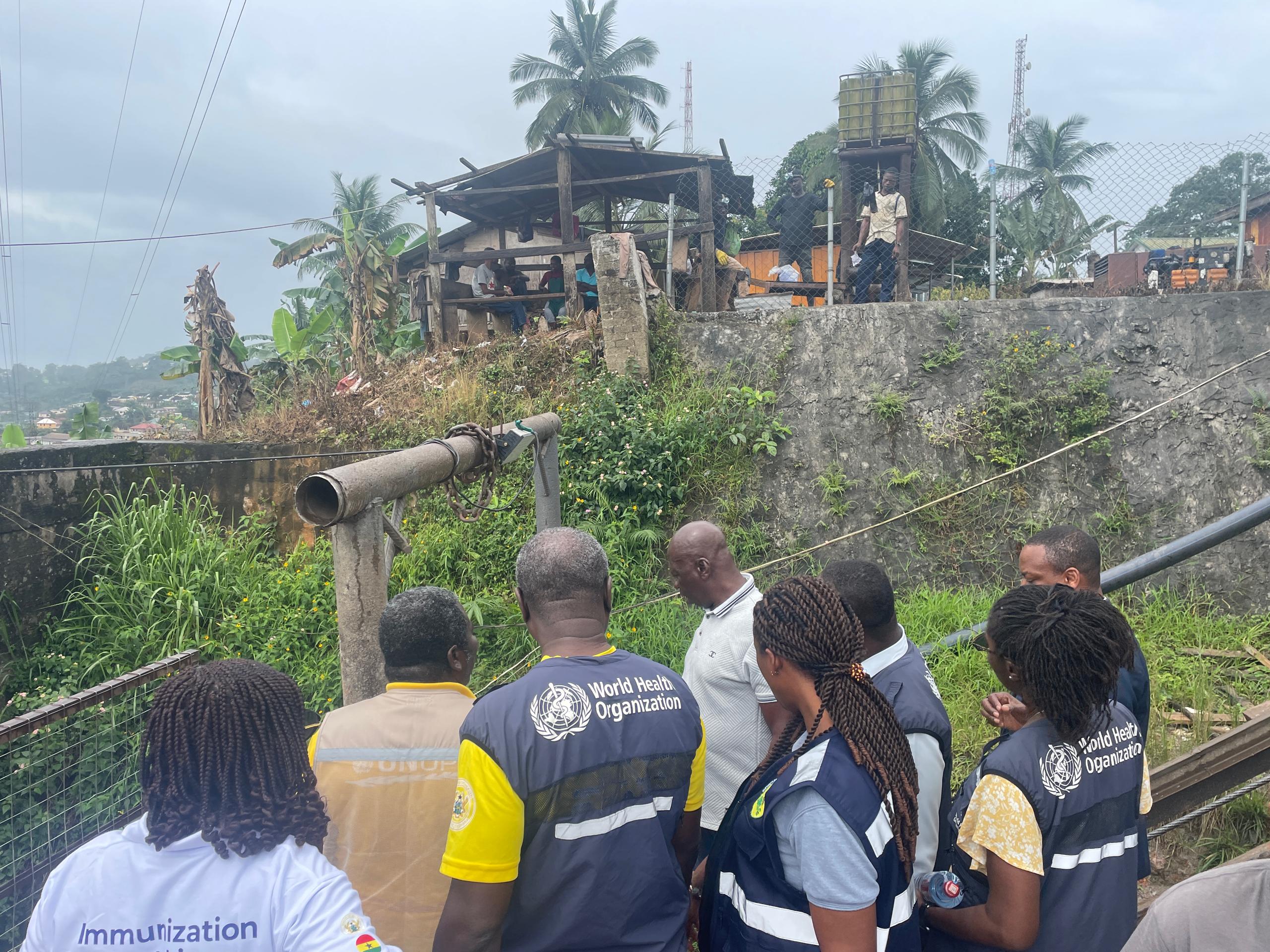
The campaign was designed to reach those at highest risk of the infection, including high-risk contacts, and close contacts of confirmed cases. Districts like Tarkwa-Nsuaem and Wassa Amenfi East, identified as hotspots, were already tailoring strategies to suit their local populations. The mission emphasized the need for strong community engagement, continuous surveillance, and effective coordination between all response pillars to ensure smooth rollout once vaccines arrived.
By the end of the visit, the region had a clear roadmap and renewed confidence to begin vaccination within days, a plan that would soon become reality.

The event symbolized how far the response had come in just a few weeks — from struggling with limited resources to leading a coordinated vaccination effort. The groundwork laid during the joint mission ensured that the rollout was smooth, targeted, and well-supported by community structures.
Traditional leaders, local health teams, and partners joined hands as the first doses were administered to high-risk groups.
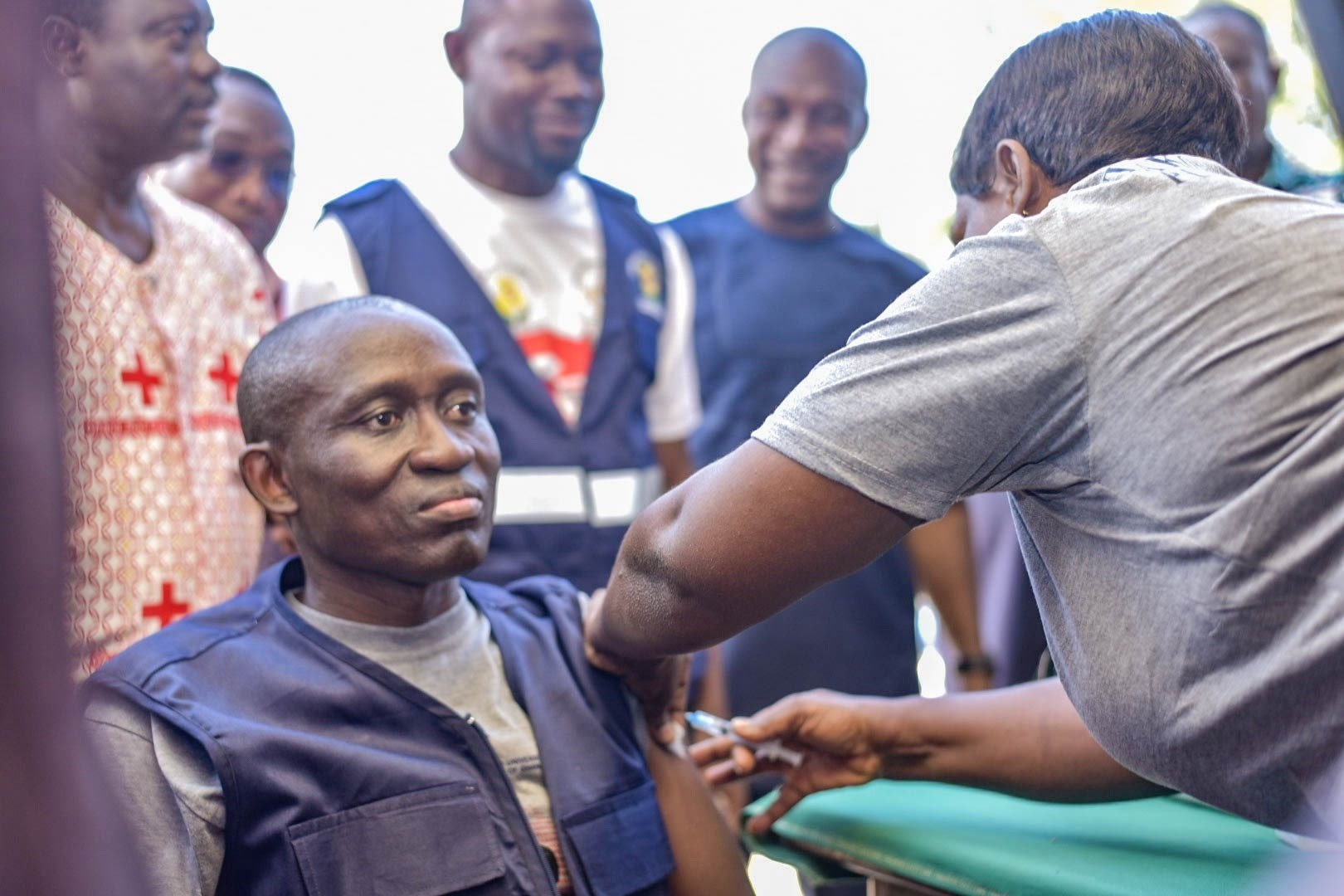
As vaccination continues across the Western Region, Ghana’s fight against Mpox stands as an example of rapid, adaptive, and community-centered public health response.

From field visits to vaccination launch, the story of this mission reflects one message — Ghana is stronger when all work together.
For Additional Information or to Request Interviews, Please contact:
Abdul-Lahie Abdul-Rahim Naa
Communications Officer
WHO Ghana Country Office
Email: abdullahiea@who.int
Tel: +233 20 196 2393