WHO supports supplies for front line health workers

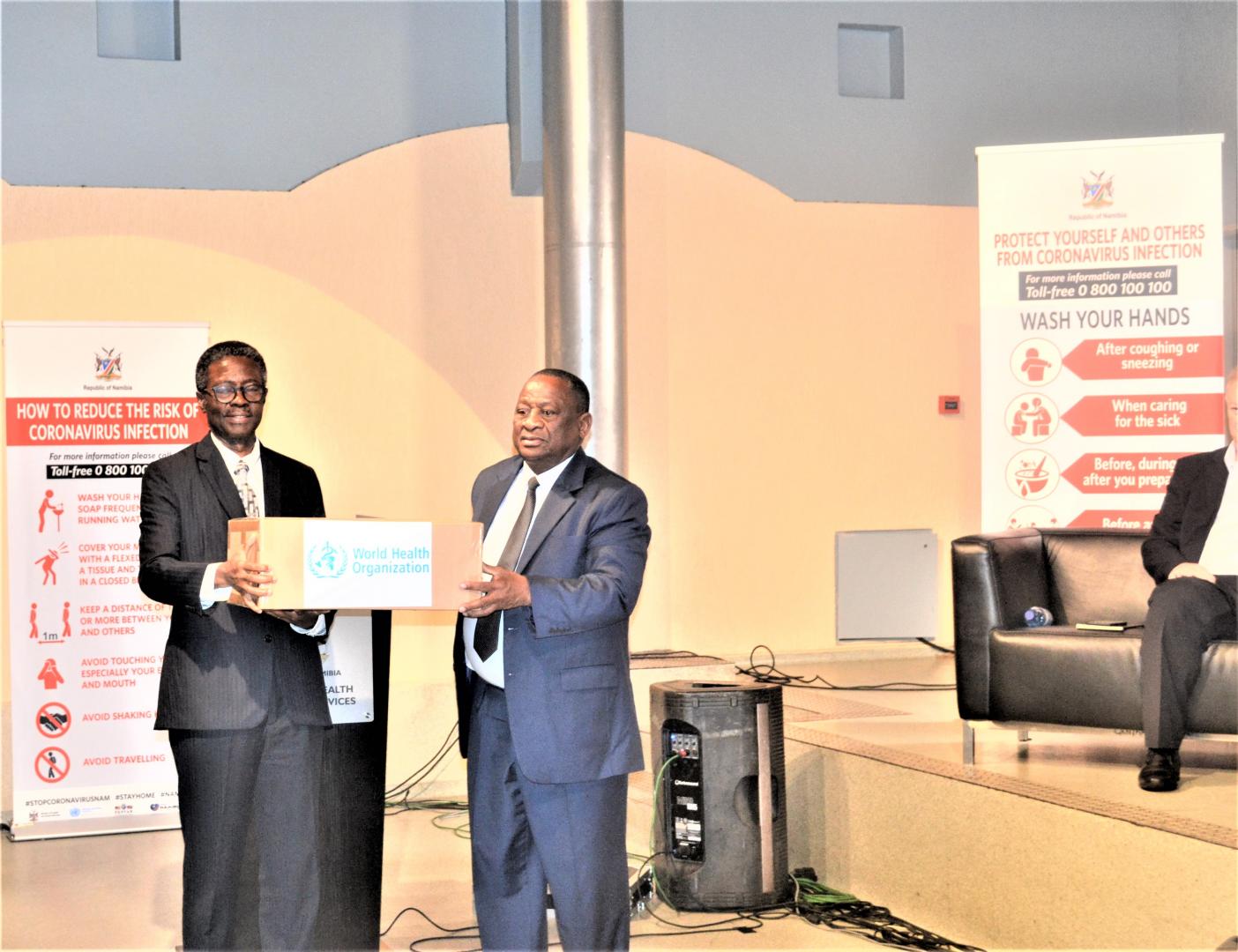
The first United Nations ‘Solidarity’ flight started delivering vital medical supplies from last week to all countries in Africa where these are needed the most.  The flight was facilitated by the World Food Programme and included WHO supported supplies of face shields, gloves, goggles, gowns, masks, medical aprons and thermometers.

Engaging stakeholders around key achievements in the health sector

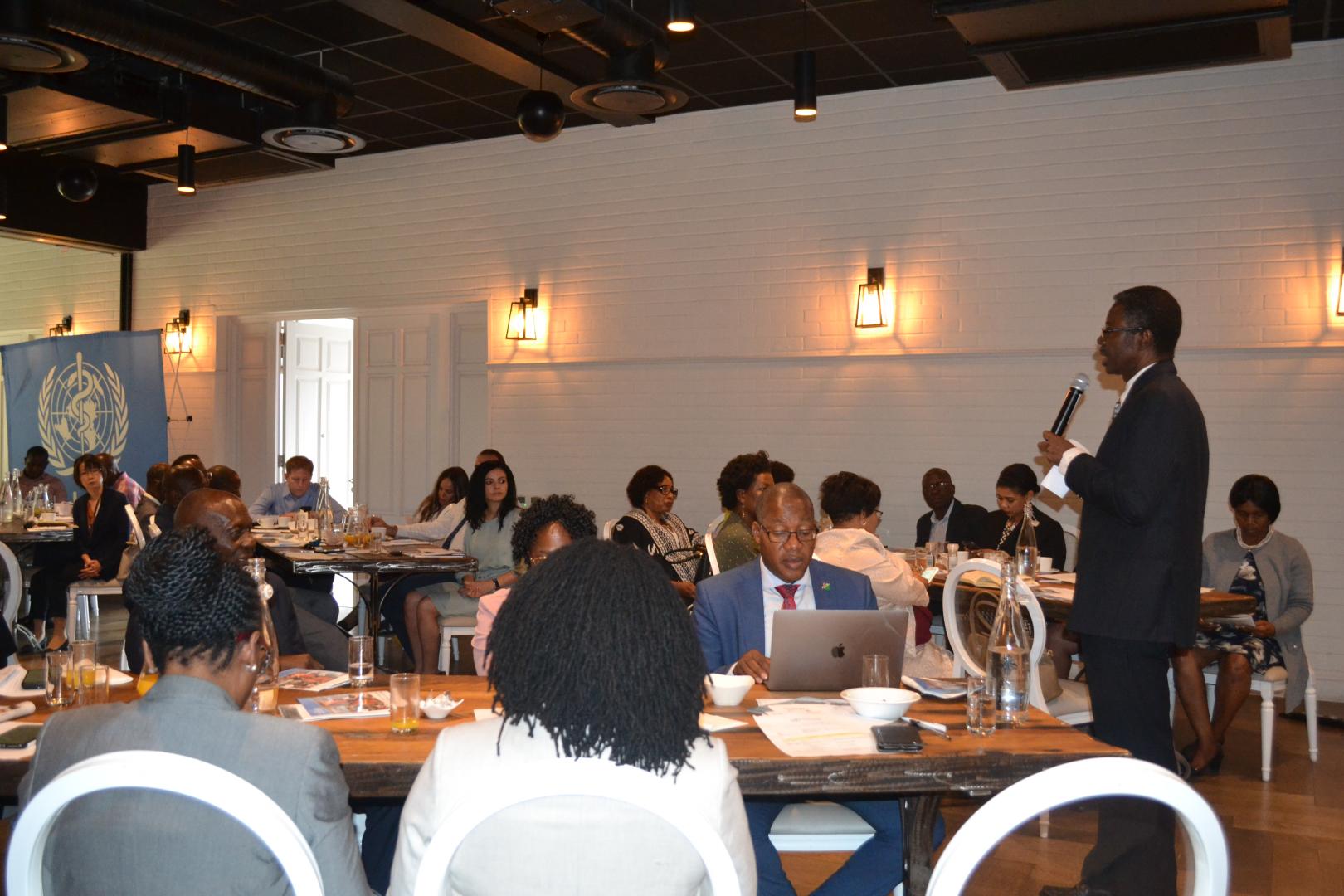
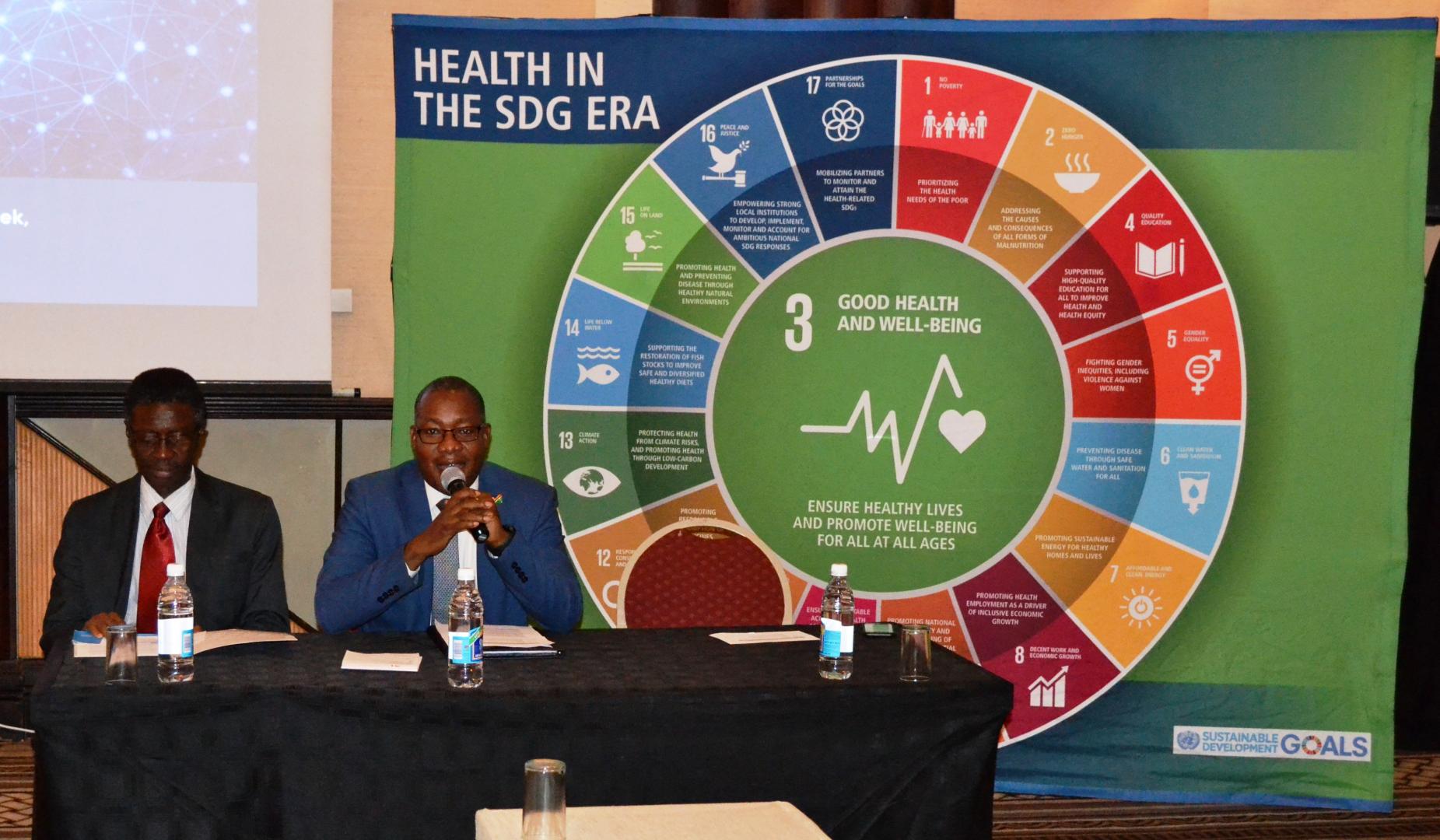
The World Health Organization in Namibia engaged stakeholders from the public and private health care to deliberate on key milestones within the health sector and to share the Organization’s strategic direction for the next five years.  This is in lieu of the Organization’s approving a new Global Programmme of Work which sets the tone for the global public health agenda consequently the local office strategy for the country.  

Ministry of Health and Social Services trains trainers to strengthen the clinical ca...

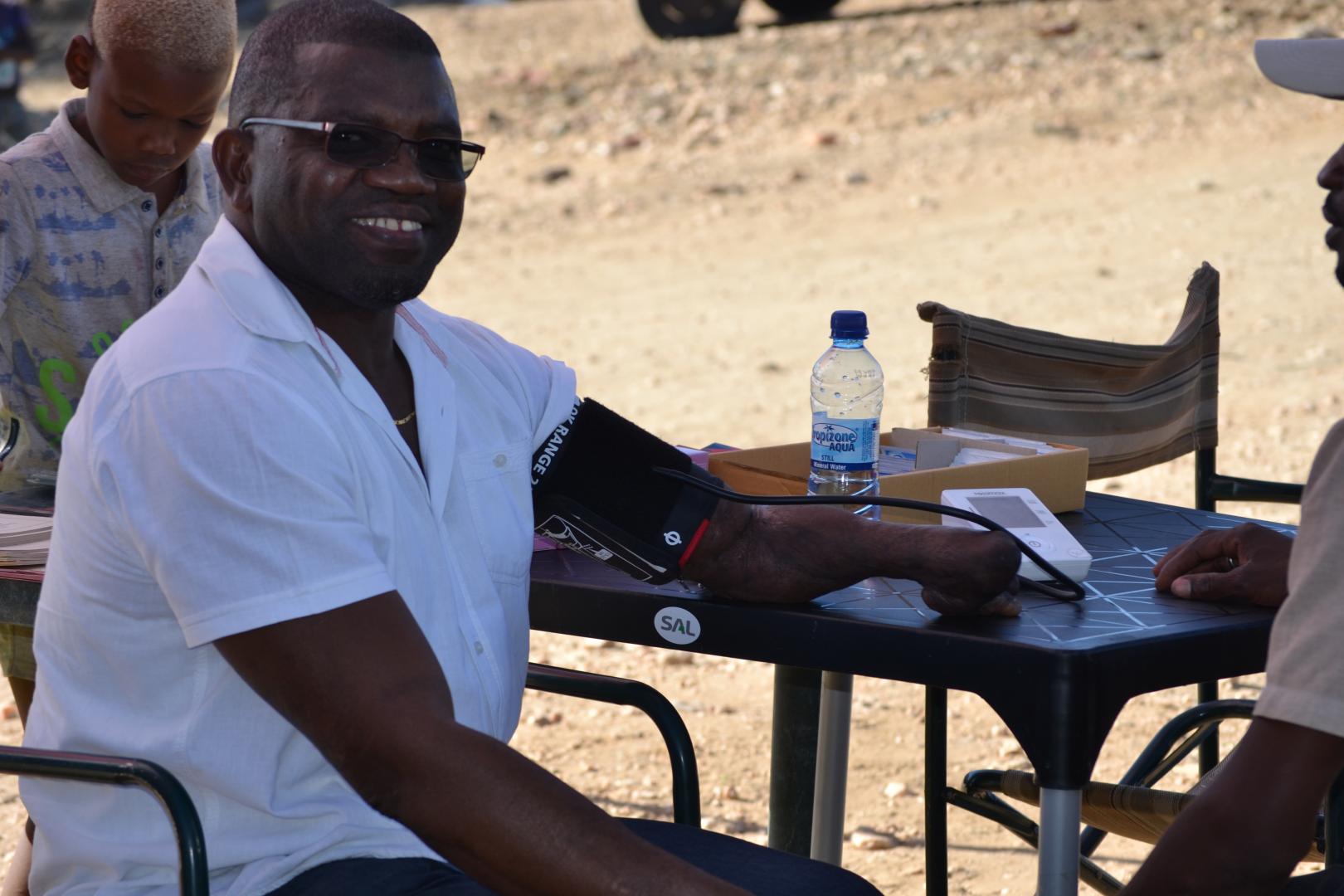
Non Communicable Diseases (NCDs) exerts a growing burden on mortality and morbidity in Namibia.   They account for an estimated 43% of total deaths in the country.  As part of efforts to reduce this growing burden, the Ministry of Health and Social Services with support from WHO is strengthening the health system to ensure that comprehensive services for prevention and control of NCDs are decentralized to peripheral health facilities.

Establishing the spreading of trachoma in rural Namibia

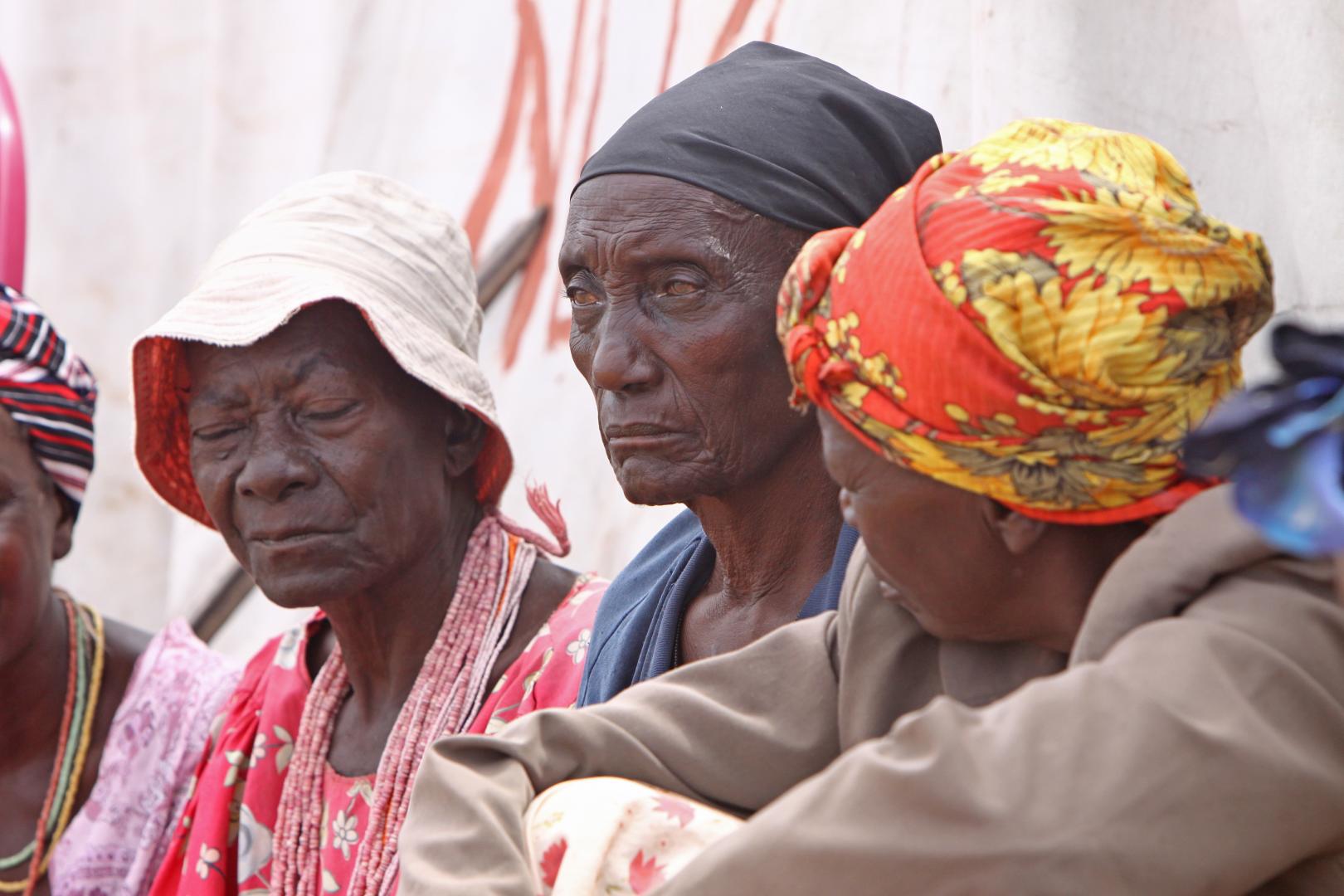
Trachoma, an infectious eye disease caused by bacterium Chlamydia trachomatis. It is the leading infectious cause of blindness worldwide. It is a public health problem in 44 countries, and is responsible for the blindness or visual impairment of about 1.9 million people. About 142 million people live in trachoma endemic areas and are at risk of trachoma blindness. The infection is transmitted by direct or indirect transfer of eye and nose discharges of infected people, particularly young children who are the principal reservoir of infection. The disease is also spread by flies.

Namibia strives to provide high quality care for persons living with HIV

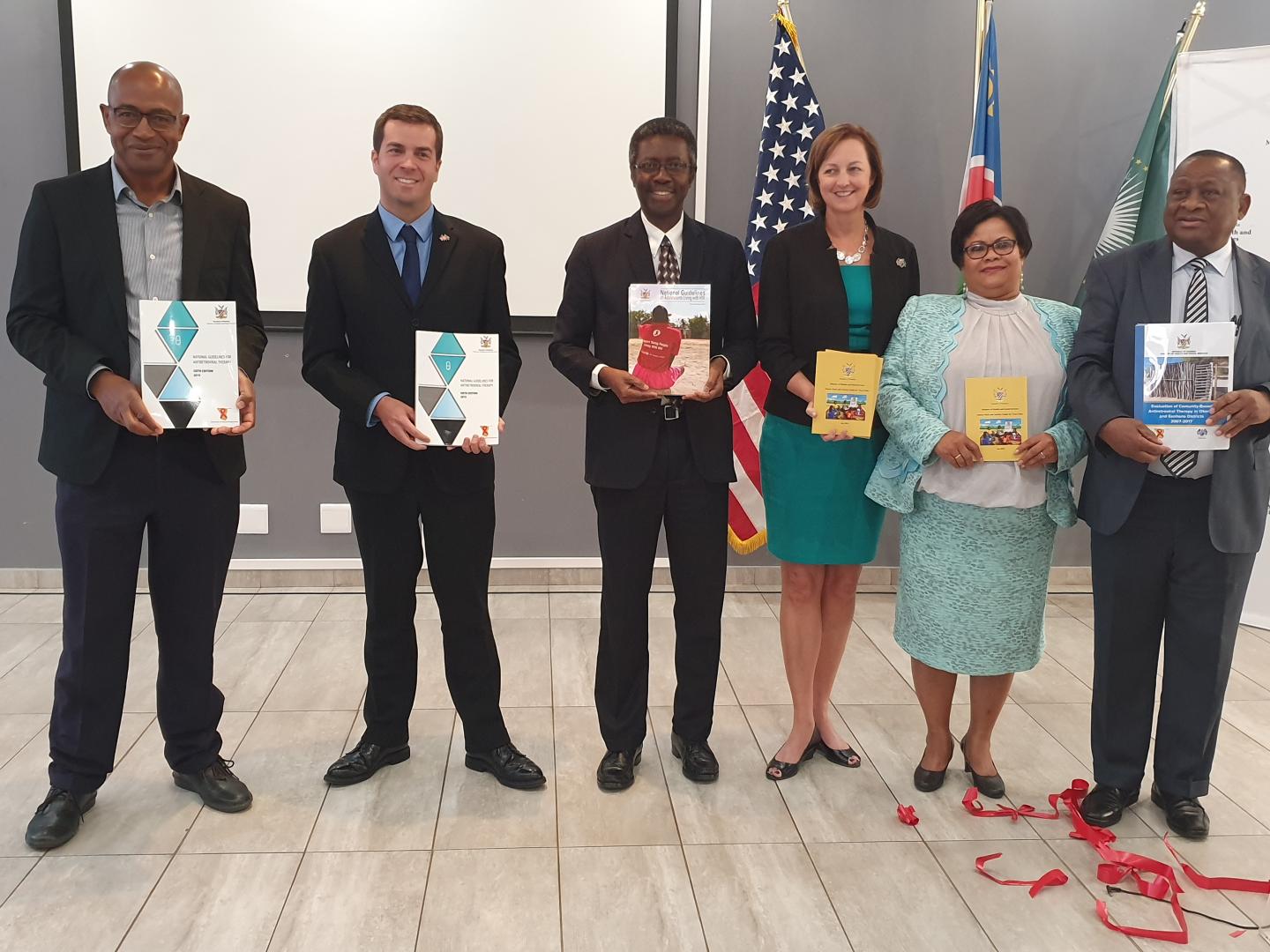
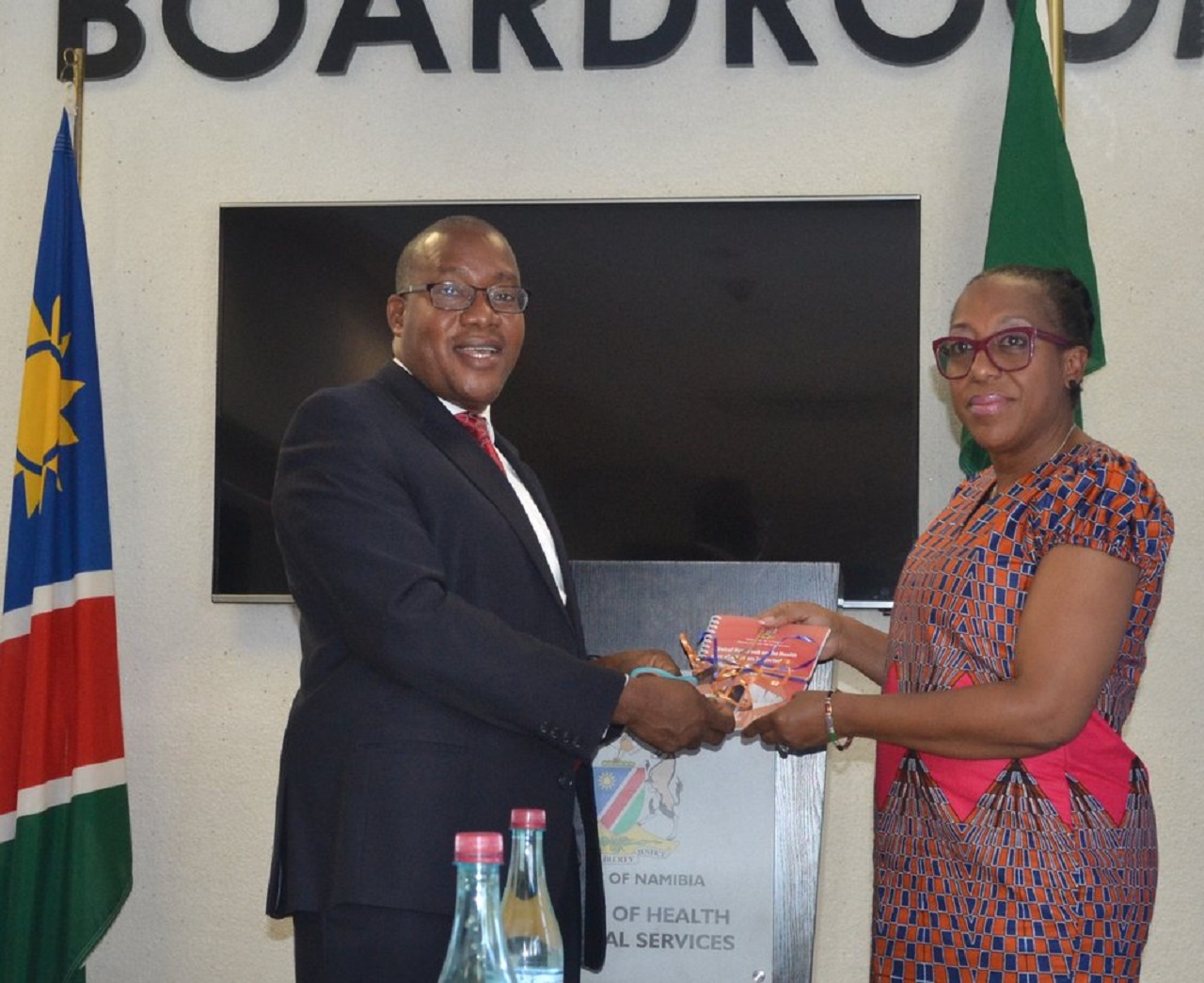
The Ministry of Health and Social Services launched the revised National Guidelines on Antiretroviral therapy and the HIV care and treatment package for children and adolescents as the country transition to highly effective medicine for treating persons living with HIV.  The revised guidelines include Dolutegravir (DTG) - a relatively new medicine used to treat HIV infection.

Namibia needs over N$ 500 million to realize its health security plan

Country Context
Namibia is situated in the south-western part of Africa bordered by Angola in the north, Zambia and Zimbabwe in the northeast, Botswana to the east, South Africa in the south, and the Atlantic Ocean to the west.  It is the thirty-fourth largest country in the world occupying an area of 824,292 km2 and the least densely populated country second to Mongolia.  Ninety two percent of the land area is defined as hyper-arid, arid or semi-arid. The county is also characterized by a high income inequality with a Gini coefficient of 0.572.
World TB Day 2019

Global leaders met in September last year to set a roadmap for accelerated action to end TB in line with the sustainable development goals.  This year’s World TB Day theme ‘It’s time’ – puts the accent on the urgency to act on the commitments made by global leaders to:  scale up access to prevention and treatment; build accountability; ensure sufficient and sustainable financing including for research; promote an end to stigma and discrimination, and promote an equitable, rights-based and people-centered TB response.  Despite being declared a major p

Namibians run for Health

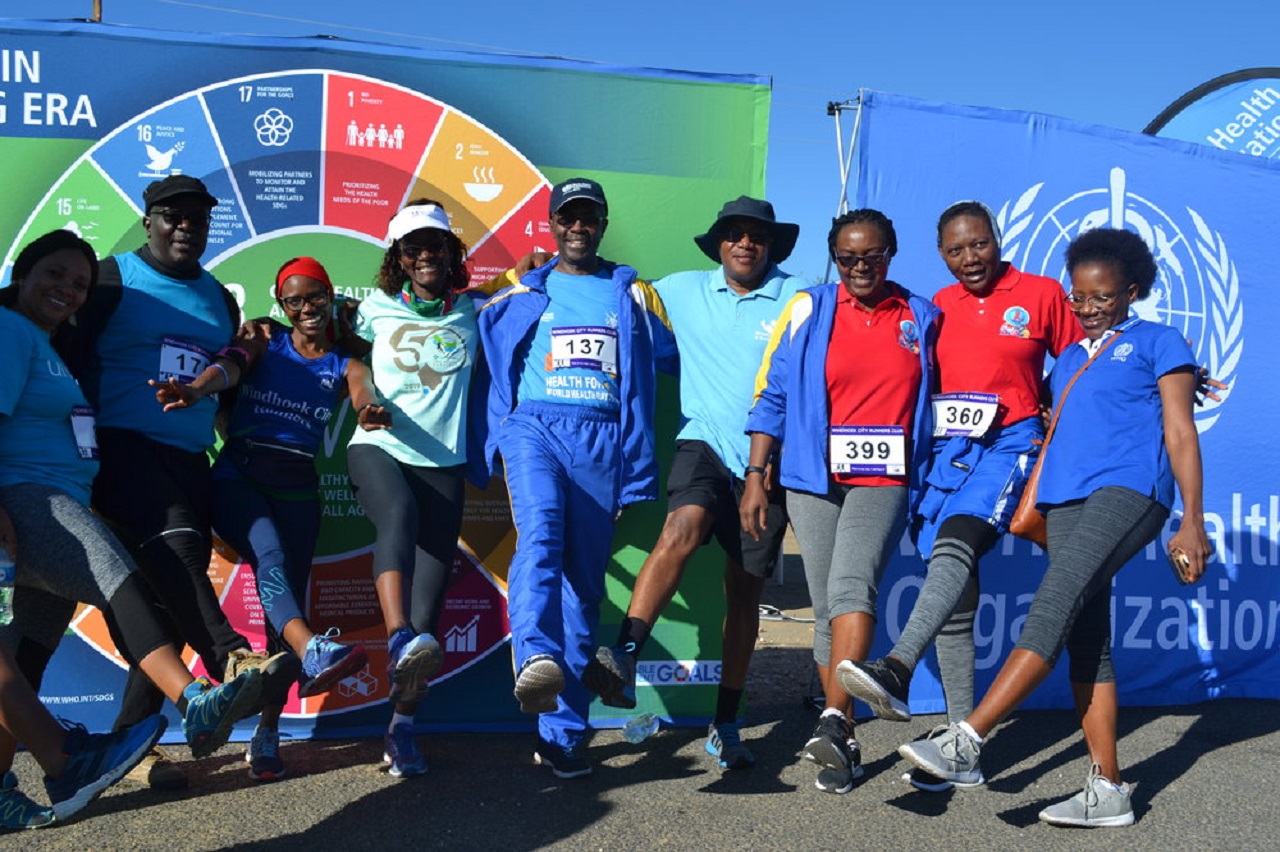
The World Health Organization (WHO) in Namibia in collaboration with the Windhoek City Runners Club (WCRC) hosted the first ‘Walk/Run for Health’ event on Saturday, 27 April at Daan Viljoen police checkpoint. The event was held to celebrate World Health Day, which took place earlier this month, as well as the 71st Anniversary of  WHO.