WHO receives an exquisite painting from a local Namibian Visual Artist

A Namibian visual artist, Hage Mukwendje, handed over a special painting to the World Health Organization on 21 January 2022 at the UN-House, Windhoek, Namibia.   The painting was done as part of the LEAD Innovation Challenge Grand Finale event held end of last year on the 24th of November 2021 and illustrates the importance of respecting our environment for future generations. 

Namibia joins “Zero Malaria Starts With Me” campaign

Namibia joins 21 other African Countries with the recent launch of the ‘Zero Malaria Starts with Me’ campaign. 

This pan-African movement aims to accelerate prevention efforts against malaria and calls on individuals, communities, political leaders, and private sector to make a personal commitment towards malaria prevention.  

Namibia's Health Sector responding to violence against women and girls

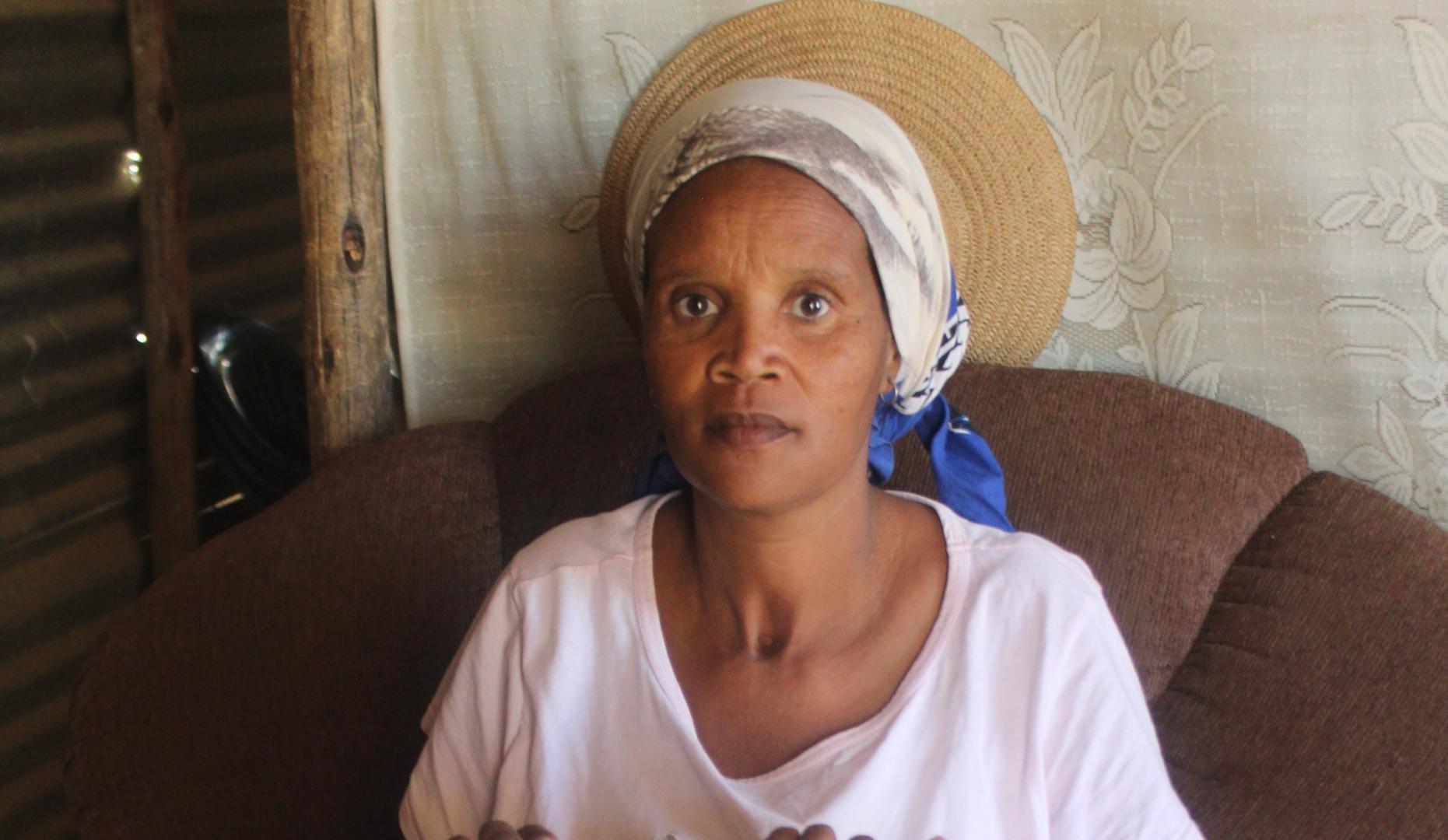
Violence against women and girls is a violation of their human rights and is largely hidden, stigmatized, and unrecognized by health and other service providers. Despite the robust policy and legal framework in Namibia, women and girls are still exposed to violence throughout their lifecycle whether at home, schools or the communities they live in.  Globally and in Namibia one in three women experience physical and/ or sexual violence; majority perpetrated by intimate partners.

Namibia receives ultrasound machines from the Government of Japan

WHO with support from the Government of Japan donated 16 Portable Ultrasound Machines worth N$ 801,843.00 to the Ministry of Health and Social Services 25 October 2021.

The Minister of Health and Social Services, Hon. Dr. Shangula said that the equipment presented, will play an important role in the clinical management of conditions presented in pregnant women. . It will further promote quality assurance and address geographical and cultural barriers that may have caused delays in women seeking care.

Ready for resurgence: Namibia’s health workers prepare for another COVID-19 wave

Wearing a surgical mask securely fitted over his nose and mouth, Frans Nambinga, a nurse at Namibia’s Windhoek Central Hospital, carefully marked down tips on triage and signs a patient may require intubation, as he was taking notes during a two-week long training given by the UK- Emergency Medical Team (UK-EMT) visiting the country.

The UK-EMT, which comprised nurses and doctors from across the globe, visited Namibia in August and September, and trained 130 health workers from 10 of Namibia’s 14 regions.

Polio Surveillance in Namibia

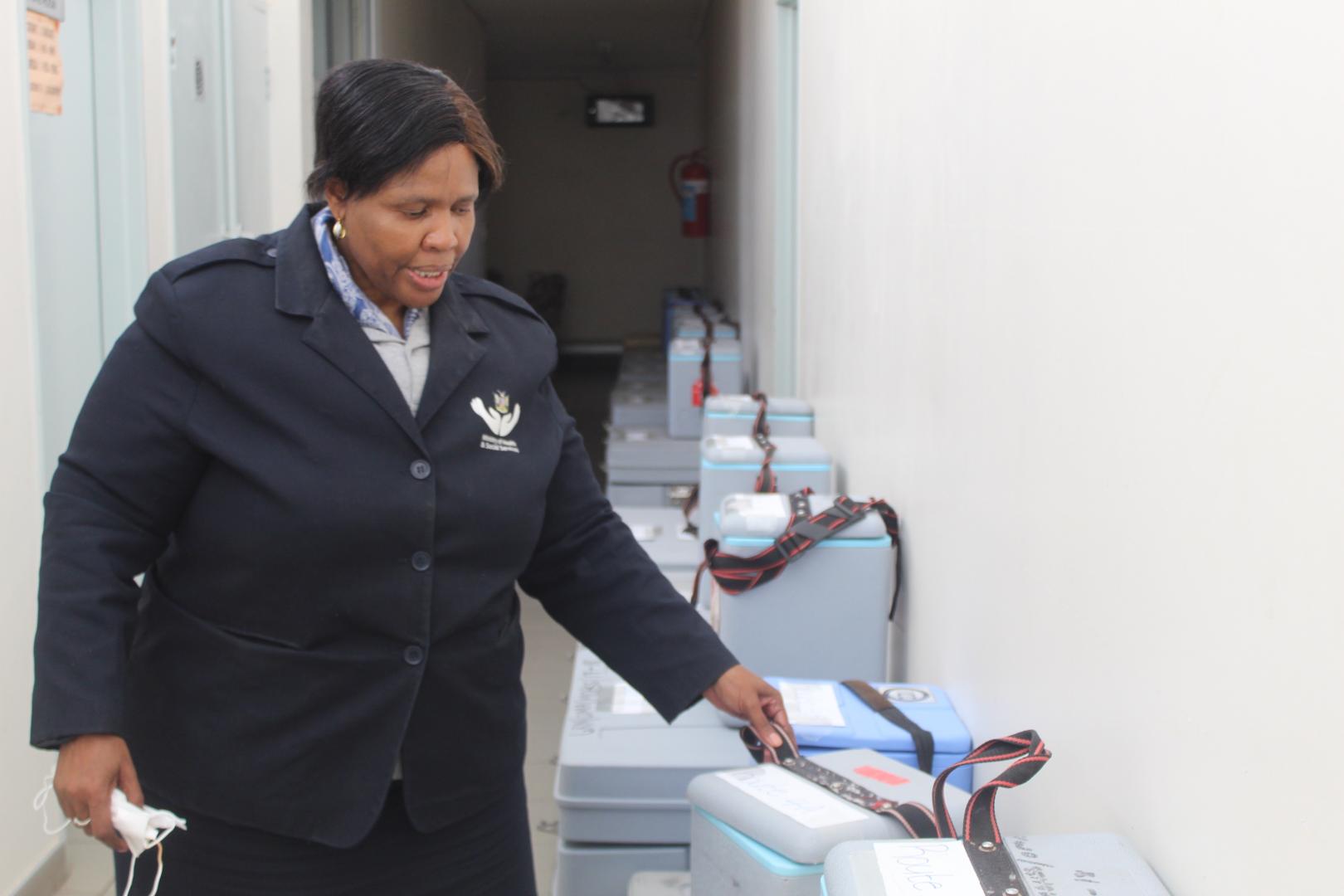
Namibia was certified polio free since October 2008 and had continued routine and national immunization campaigns to maintain its polio free status. However, the country remains at high risk for vaccine derived polio viruses due to low detection of Acute Flaccid Paralysis cases in the bordering regions which is used as an indicator to measure how sensitive the surveillance system is. In addition, there is high number of un and under vaccinated children along the Namibian- Angolan and Namibia-Zambia border with 5 densely populated regions bordering these two countries.

Namibia aiming to eliminate malaria through eco-friendly preventive strategies

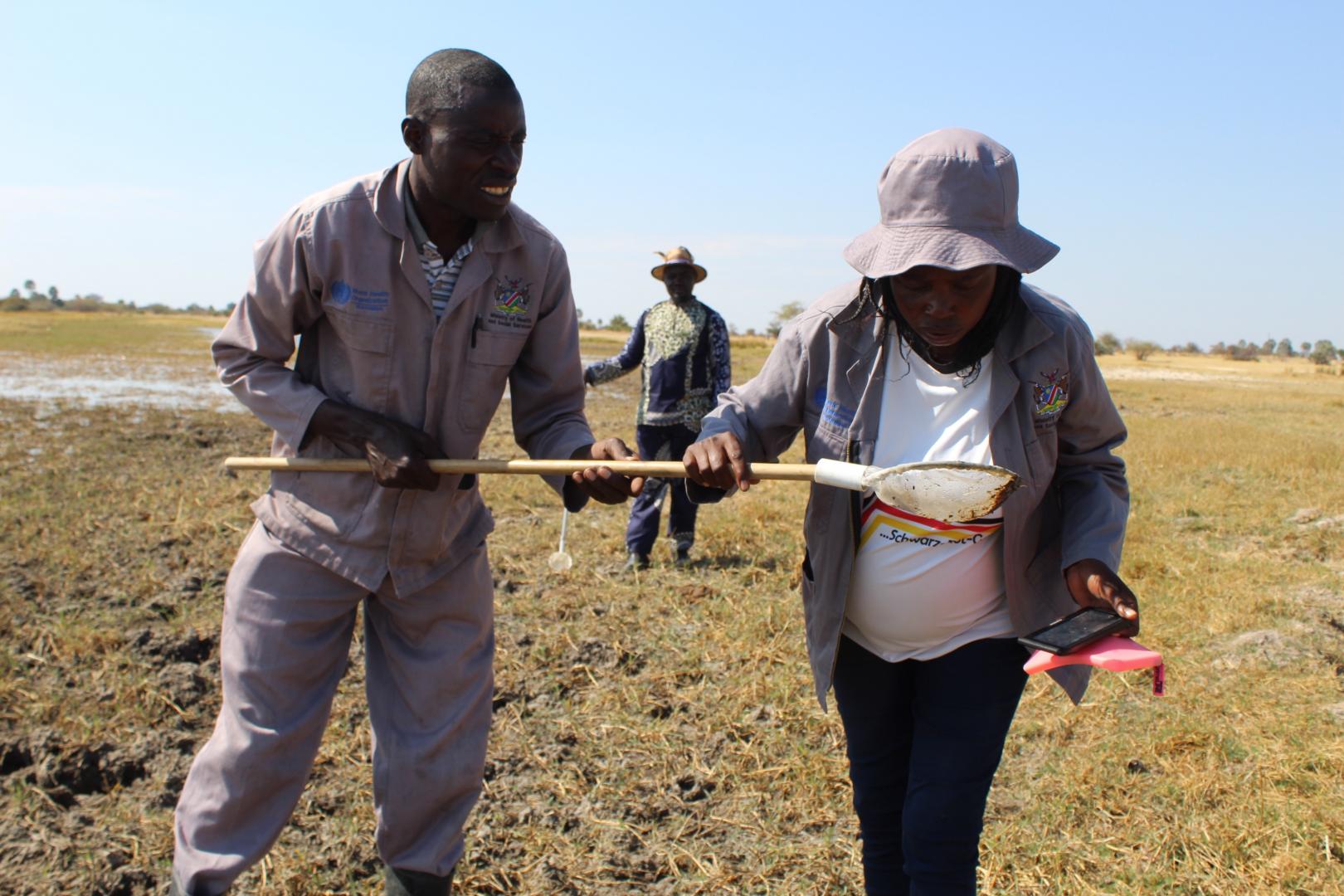
Approximately 1,629,289 (64%) Namibians are at risk of contracting malaria. Malaria transmission is unstable, seasonal, characterized by outbreaks and concentrated in  7 endemic northern regions. The malaria transmission season typically begins in December and ends in May with the peak transmission months being April and May. The Ministry of Health and Social Services is conducting indoor residual house spraying (IRS) to reduce the malaria mosquito population responsible for transmission as one of several prevention strategies.