Leprosy
Key Facts
- Leprosy, also known as Hansen's disease, is a devastating chronic infectious disease caused by Mycobacterium leprae and Mycobacterium lepromatus.
- The disease predominantly affects the skin and peripheral nerves.
- Left untreated, the disease may cause progressive and permanent disabilities.
- The bacteria are transmitted via droplets from the nose and mouth during close, prolonged and frequent contacts with untreated cases.
- Leprosy is curable with Multiple Drug Therapy (MDT).
- In 2024, a total of 172 717 new cases of leprosy were reported across all six WHO regions. Of these, 19 171 new cases (11.1%) were reported in the African region, ranking third after the South-East Asia Region (SEAR) and the Americas Region (AMR).
- People affected by leprosy are often subject to discrimination and stigmatization.
Scope of the problem

Leprosy elimination as a public health problem (defined as an end-of-year prevalence rate of less than 1 per 10 000 population, as per World Health Assembly resolution 44.9 and AFR/RC44/R5) was achieved and sustained at the regional level and in almost all Member States of the African Region until 2024. However, the leprosy burden and pockets of hotspots remain in many countries, with about 20 000 new cases reported annually in the Region.
In 2024, a total of 172 717 new cases were reported globally, including 19 171 cases (11.1%) from the 47 countries in the African Region, corresponding to a detection rate of 15.1 per million population.
The geographical distribution of new leprosy cases in the African Region in 2025 is as follows:
- Three countries reported 0 cases: Algeria, São Tomé and Príncipe, Seychelles. This indicating possible interruption of local transmission. Sustained robust surveillance will be needed to prevent reintroduction.
- Eleven countries reported 1 to 10 new cases: Botswana, Cabo Verde, Eritrea, Gabon, Gambia, Equatorial Guinea, Lesotho, Mauritania, Mauritius, Eswatini, and Zimbabwe
- Nine countries reported 11 to 100 new cases: Benin, Guinea-Bissau, Kenya, Liberia, Mali, Namibia, Rwanda, Togo and South Africa
- Eighteen countries reported 101 to 1000 new cases.
- Six countries reported more than 1000 new cases: Democratic Republic of Congo, Ethiopia, Madagascar, Mozambique, Nigeria and Tanzania.
The occurrence of new leprosy cases among children serves as a proxy indicator for recent transmission. In 2024, a total of 1 400 new child cases (7.3% of all new cases) were reported in the African Region, corresponding to a rate of 2.7 per million child population. New cases with Grade 2 Disability (G2D) indicate delayed case detection. In the African region, 2 919 new cases with G2D were detected, corresponding to a rate of 2.3 per million population, accounting for 15.2% of all new cases detected during the year.
More detailed information on key leprosy indicators is available on The Global Health Observatory.
Leprosy, also known as Hansen's disease, is a devastating chronic infectious disease caused by Mycobacterium leprae and Mycobacterium lepromatus. The disease predominantly affects the skin and peripheral nerves. Left untreated, it may cause progressive and permanent disabilities.
The bacteria are transmitted via droplets from the nose and mouth during close, prolonged and frequent contacts with untreated cases. Leprosy is curable with Multiple Drug Therapy (MDT). The patient stops transmitting the disease when they begin treatment.
In 2024, a total of 172 717 new cases of leprosy were reported across all six WHO regions. Of these, 19 171 new cases (11.1%) were reported in the African region, ranking third after the South-East Asia Region (SEAR) and the Americas Region (AMR). The most vulnerable and high-risk populations are living in the Democratic Republic of Congo, Ethiopia, Madagascar, Mozambique, Nigeria and Tanzania, which together reported more than 1 000 new cases each.
People affected by leprosy are often subject to discrimination and stigmatization.
Supporting countries endemic for leprosy
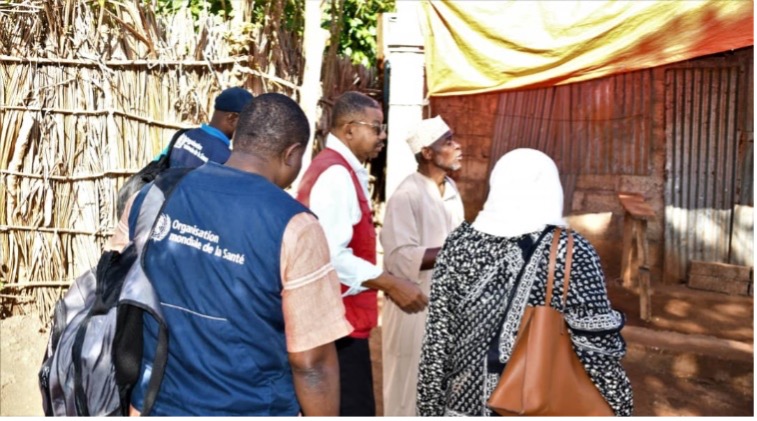
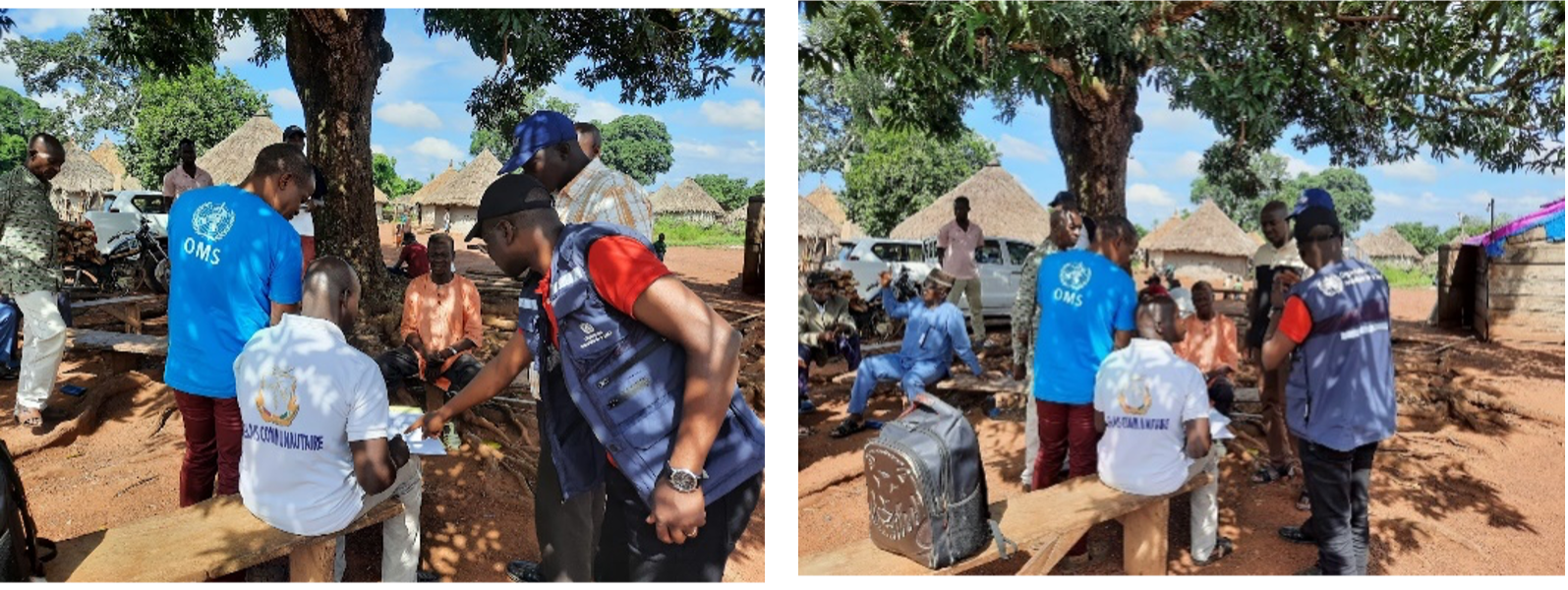
WHO provides technical support to Member States through conduct of situational assessments and programmatic reviews, capacity‐building and advocacy.
Monitoring the leprosy situation
Every year, WHO collates epidemiological data on leprosy from all its Member States and publishes a consolidated report in the Weekly Epidemiological Record. The data including key indicators provided by countries are published in the Global Health Observatory (GHO).
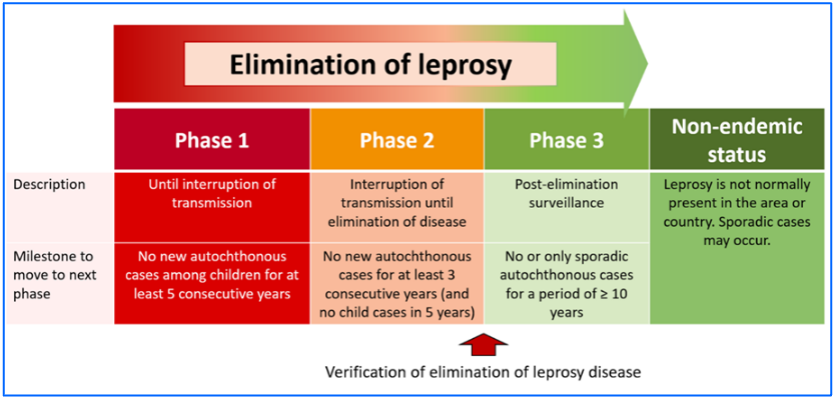
The WHO closely monitors countries' efforts to sustain leprosy elimination as public health problem as well as progress towards interruption of transmission and elimination leprosy disease.
Facilitating the provision of medicines for leprosy
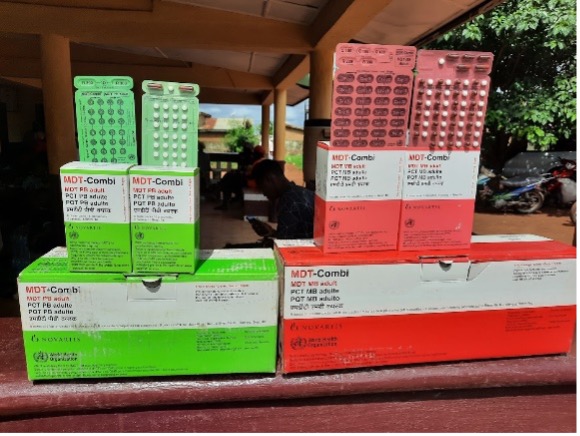 Multiple Drug Therapy (MDT), a combination of three medicines (dapsone, clofazimine and rifampicin) has been the cornerstone of leprosy treatment since the 1980s.
WHO has facilitated the provision of MDT medicines worldwide and free-of-charge through a donation financed by The Nippon Foundation (from 1995 to 1999) and since year 2000 onwards by Novartis.
Annual Request for the supply of free anti-leprosy medicines
Promoting advocacy and partner coordination for leprosy elimination
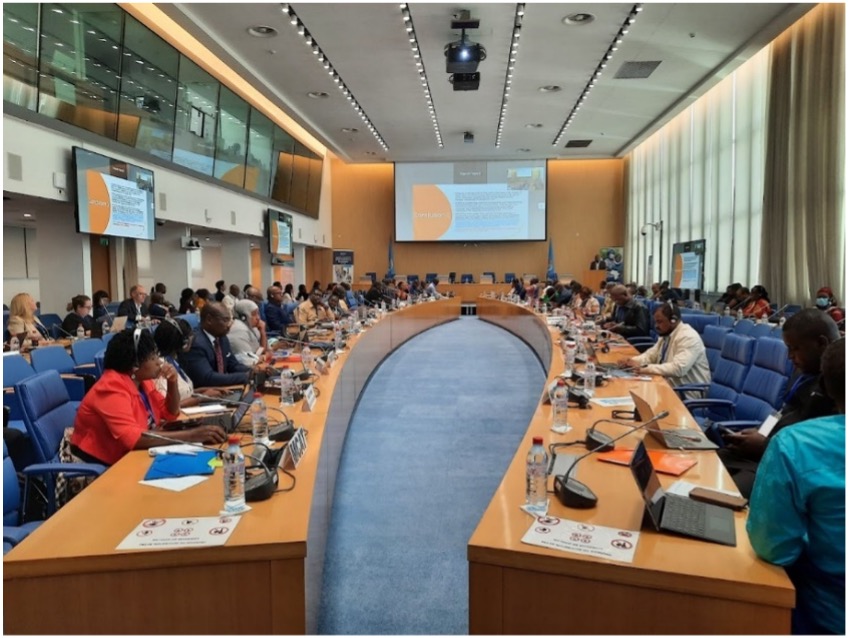
For many years, leprosy elimination interventions in countries as well as at the international level have benefitted from dedicated and engaged partners such as the International Federation of Anti-Leprosy Associations (ILEP) and its members; the International Leprosy Association (ILA); The Nippon Foundation (TNF) and Sasakawa Health Foundation (SHF); Novartis; the Leprosy Research Initiative (LRI); and organizations representing persons who have experienced or are affected by leprosy.
WHO has been critical in mobilizing various partners, in countries as well as internationally, to capitalize on their strengths and comparative advantage.
In July 2024, WHO AFRO organized a virtual regional consultation on leprosy elimination in Africa. The discussion focused on the interruption of transmission and elimination of leprosy disease in collaboration with national programs and stakeholders. This effort aims to support countries in enhancing leprosy elimination initiatives and strengthening surveillance activities to meet the 2030 targets.
Since May 2001, WHO has also counted on Mr Yohei Sasakawa, the WHO Goodwill Ambassador for Leprosy Elimination and Chairman of The Nippon Foundation, who has travelled around the world to advocate for the leprosy elimination.
- Sasakawa Health Foundation
- Novartis − Corporate responsibility
- The International Federation of Anti-Leprosy Associations (ILEP)
- International Leprosy Association (ILA)
- Leprosy Research Initiative
- UN Special Rapporteur on the elimination of discrimination against persons affected by leprosy and their family members
Publishing state-of-the art guidance to reduce the leprosy burden
WHO publishes guides and tools to support translation of WHO recommendations into practice. These resources are intended for use by national programmes and partners to support planning, implementing, monitoring and evaluating activities to further reduce the leprosy burden.
In recent years, WHO has published the following guidance documents:
-
- Interruption of transmission and elimination of leprosy disease (2023)
- Towards zero leprosy: global leprosy (Hansen’s disease) strategy 2021–2030 (2021)
- Leprosy/Hansen disease: contact tracing and post-exposure prophylaxis: technical guidance (2020).
- Leprosy Hansen disease: management of reactions and prevention of disabilities: technical guidance (2020).
- Guidelines for the diagnosis, treatment and prevention of leprosy (2018)
- A guide for surveillance of antimicrobial resistance in leprosy: 2017 update
Promoting the integrated approach to skin-related neglected tropical diseases
 Skin diseases are the third most prevalent cause of illness and one of the top 10 causes of disability. They are also among the 10 most common causes of outpatient visits.
Of the 20 neglected tropical diseases (NTDs), more than half present with skin manifestations (the so‐called skin NTDs) and are often associated with long-term disability, stigmatization and mental health problems. The skin NTDs include Buruli ulcer, cutaneous leishmaniasis, post-kala azar dermal leishmaniasis, leprosy, lymphatic filariasis (lymphoedema and hydrocele), mycetoma, onchocerciasis, scabies, yaws, and fungal diseases. They all require similar detection and case-management approaches that present opportunities for integration, which both increases cost–effectiveness and expands coverage.
The major areas in which integrated approaches can be developed include community awareness, epidemiological surveillance and disease mapping, training for health workers and community health workers, active case finding and programme monitoring and evaluation.
In areas of treatment, common approaches such as wound and lymphoedema management, prevention of disability, surgery and rehabilitation can be implemented using the same health infrastructure and health workers. Most nongovernmental organizations and health professional organizations are involved in multiple skin NTDs.
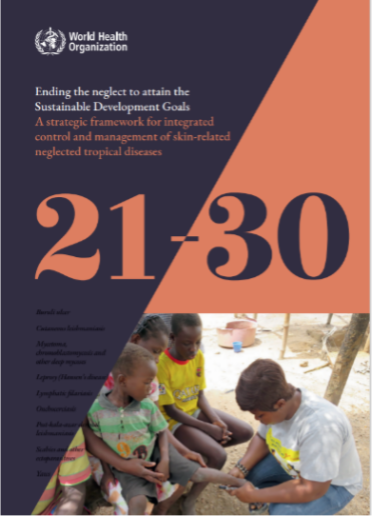
WHO has recently published a Strategic framework for integrated control and management of skin-related neglected tropical diseases
To ensure efficiency, sustainability and scale, WHO recommends that Leprosy intervention should be integrated within skin NTDs approach adapted to the diseases present in a particular country.
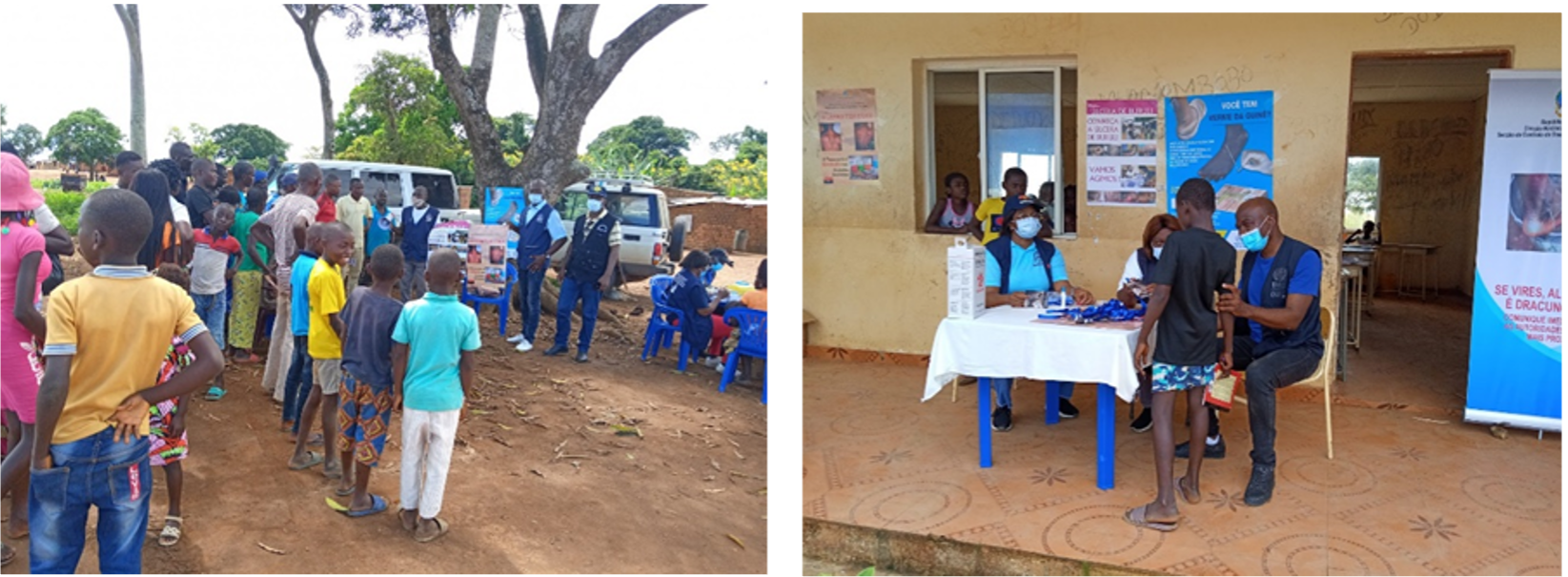
In the African Region, several countries, including but not limited to Angola, Benin, Cameroon, Congo, Côte d’Ivoire, the Democratic Republic of the Congo, South Sudan, and Togo are implementing integrated approach.
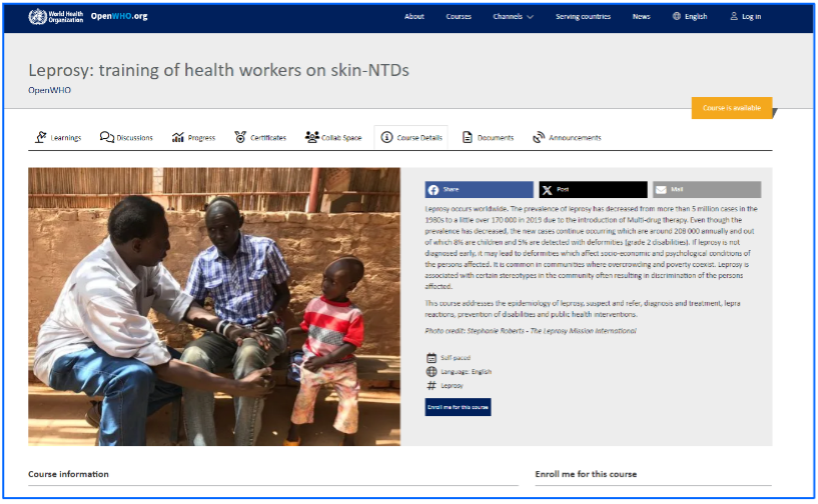 WHO has developed online courses and a Skin App for Android and iOS to assist health workers in the field in the diagnosis of skin NTDs including Leprosy


