Post-outbreak support gives hope to Ebola survivors in the Democratic Republic of the Congo
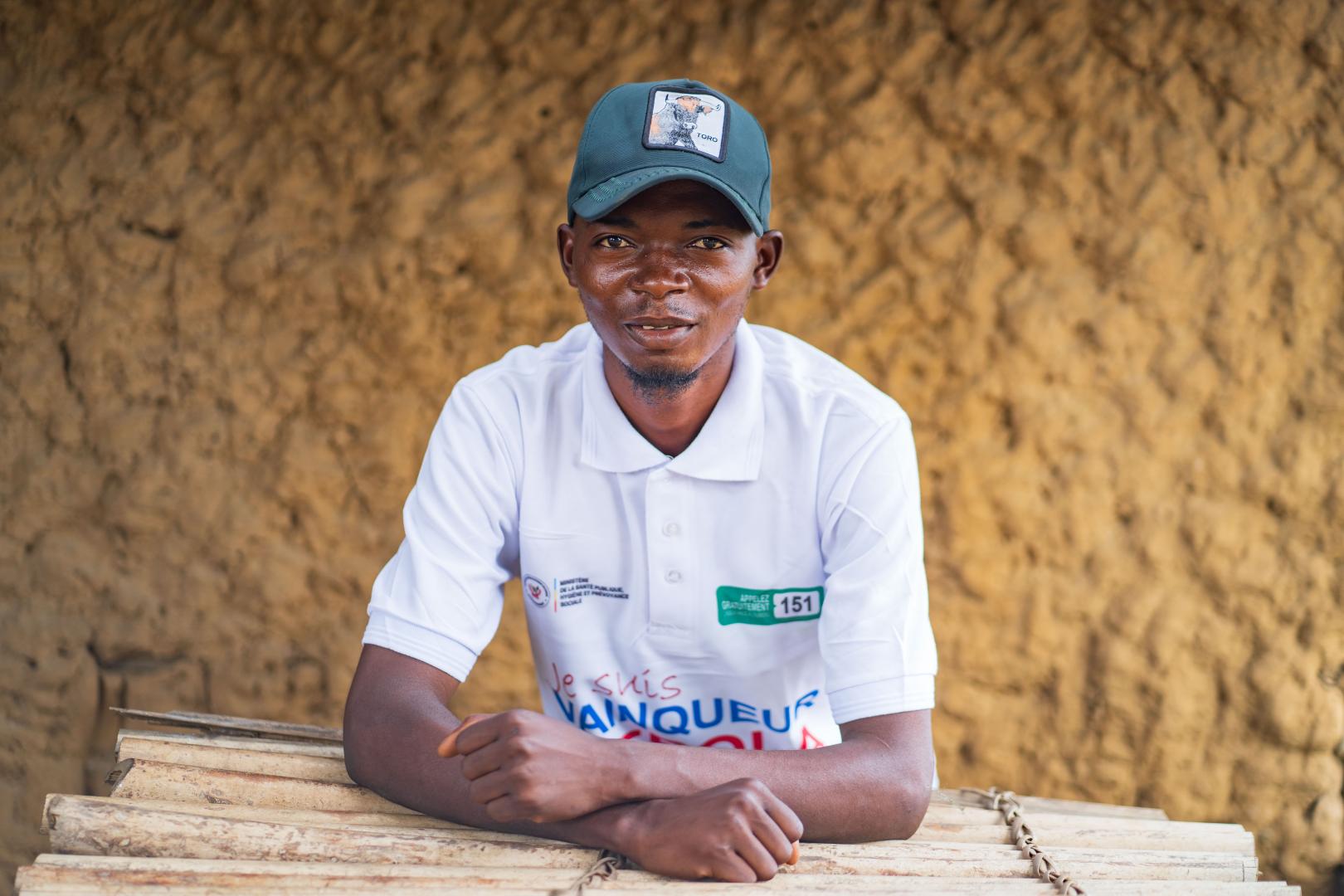
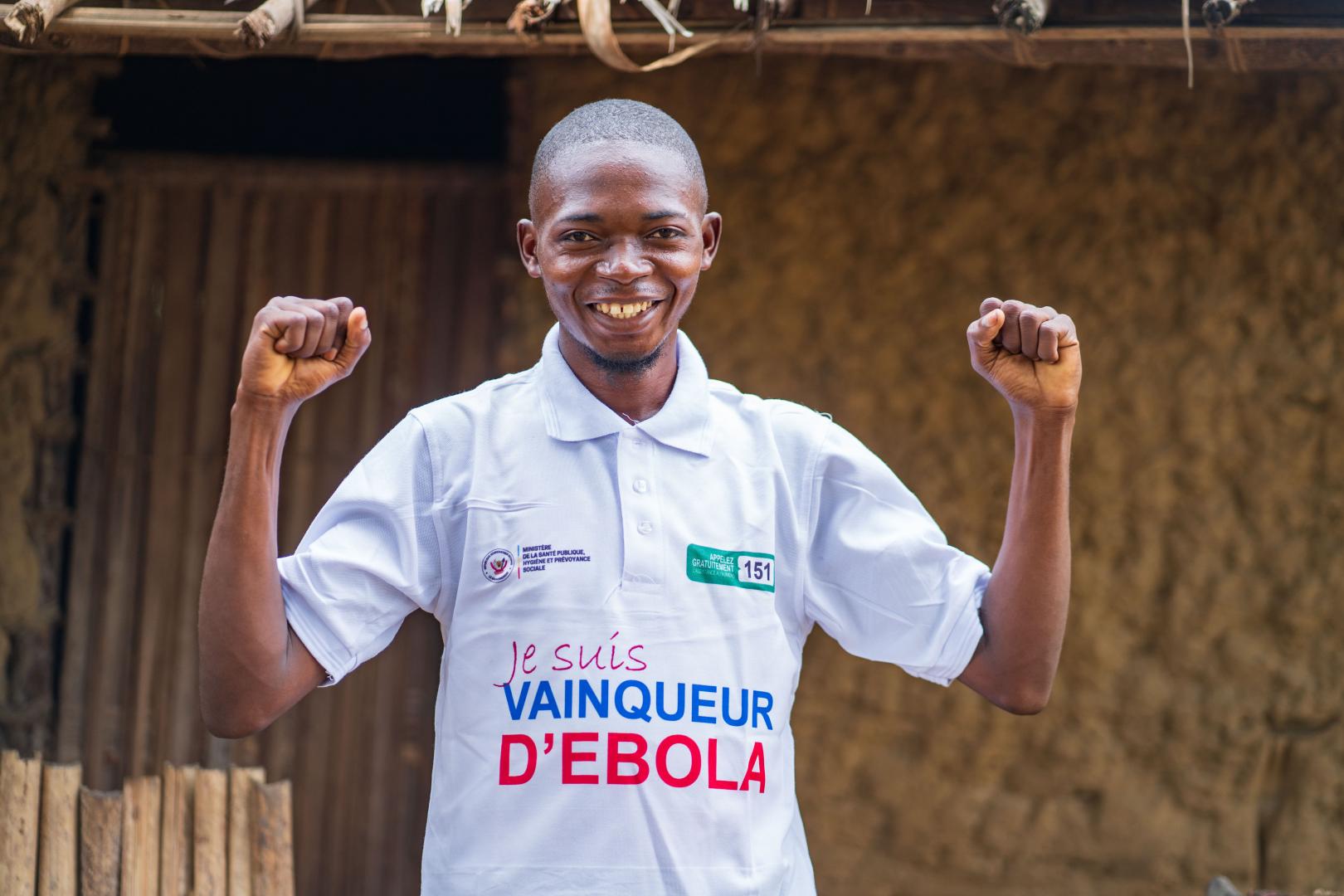
Bulape—Twenty-five-year-old Héritier Bope Mpona recalls with sadness the impact of Ebola on his life. He lost his daughter, wife and mother to the disease which affected his community of Bulape in the Democratic Republic of the Congo’s Kasai Province. “I came out alive, but I came out alone,” he says.
The outbreak was declared over on 1 December 2025, around three months after it was confirmed. Intense efforts to control and end the outbreak helped save lives, including Mpona’s.
After being discharged from treatment, he returned home to an empty life, he says. His neighbours were hesitant to approach him. With no income, Mpona, a market vendor, had to start rebuilding his life afresh.
To support Ebola survivors like Mpona, the Ministry of Health has rolled out a survivors programme with support from the World Health Organization (WHO) and partners. Under the programme, the 18 Ebola survivors in Bulape are receiving medical follow-up, psychosocial support and help with social and economic reintegration.
WHO provided technical and operational support for the implementation of the programme, with five experts on the ground to strengthen post-Ebola care, clinical monitoring, mental health and community support.
WHO also coordinated the training of 15 health care providers, supplied essential medicines, consultation kits, personal protective equipment and tools needed for clinical and psychosocial follow-up. Other partners are supporting these efforts to ensure continuity of the programme and sustainable reintegration of survivors.
From the early days of the outbreak response, WHO worked alongside the National Institute of Public Health to quickly set up survivor follow-up, acknowledges Dr Richard Kitenge, National Coordinator of the Ebola Survivors Care and Follow-up Programme. The effort is in collaboration with WFP, which provides food, and UNICEF, which deployed a field officer to strengthen local capacity.
“This multi-partner support is essential to ensure continuity of follow-up, promote reintegration of survivors, and guarantee lasting health stability in the area,” says Dr Kitenge.
For Dr Brys Busanga Shibari, Survivors Programme lead at WHO, “surviving Ebola does is not the end of the story. It is the beginning of rebuilding. No survivor should face this alone.”
Mpona visits the survivor’s clinic every month for his check-up. The teams check his general condition, but most importantly, they take time to talk to him. “Here, I am not just a patient. They listen to me and help me regain confidence,” he says.
Thérèse Mboli, a clinical psychologist, sees her role as essential for recovery. “After Ebola, we also need to treat what cannot be seen: fatigue, fear, sadness. My job is to be present and move forward at his pace,” she explains.
In Bulape, normal life after Ebola is gradually resuming thanks in part to the continuity of care, regular follow-up, psychosocial support and assistance to survivors. “Ebola turned my life upside down, but it did not change who I am. Today, I am regaining confidence slowly but surely,” Mpona says.
Communications Officer
WHO DRC
Tel : +243 81 715 1697
Office : +47 241 39 027
Email: kabambie [at] who.int (kabambie[at]who[dot]int)
Chargé de communication
OMS - République Centrafricaine
Email : ifonor [at] who.int (ifonor[at]who[dot]int)