Factsheet
Key Facts (Updated 2026)
- TB remains one of the world's top infectious killers and the leading cause of death from a single infectious agent, and it is a major cause of death among people living with HIV and an important contributor to deaths associated with antimicrobial resistance.
- In 2024, an estimated 10.7 million people developed TB worldwide and about 1.23 million people died from the disease. The WHO African Region accounts for a substantial share of these cases and deaths, despite recent progress in expanding access to TB services.
- The WHO African Region has achieved faster declines in TB burden than the global average. Between 2015 and 2024, TB incidence fell by about 28% and TB deaths by about 46% in the Region, compared with global reductions of 12% and 29% over the same period.
- Children remain heavily affected by TB. In 2024, an estimated about 337,000 children (0–14 years) developed TB in the WHO African Region, reflecting ongoing gaps in prevention, early diagnosis and child-friendly treatment services.
- TB and HIV continue to be a lethal combination. In 2024, an estimated about 390,000 TB cases in the WHO African Region were attributable to HIV infection (approximately one third of all TB cases in the Region), with an uncertainty range of 307,000 to 486,000 cases.
- In 2024, an estimated about 57,000 people in the WHO African Region developed multidrug-resistant or rifampicin-resistant TB (MDR/RR-TB), representing around 15% of the global MDR/RR-TB burden (uncertainty range: 46,000–68,000 cases).
- Eight countries continue to account for about two-thirds of global TB cases: India, Indonesia, the Philippines, China, Pakistan, Nigeria, the Democratic Republic of the Congo and Bangladesh.
- TB incidence and mortality are declining but still far from End TB milestones. From 2015 to 2024, global TB incidence fell by only 12% and TB deaths by 29%, still well below the 2025 End TB Strategy milestones of 50% and 75% reductions, respectively.
- Between 2010 and 2024, TB diagnosis and treatment are estimated to have averted about 52 million deaths globally, including roughly 12 million deaths in the WHO African Region, among both HIV-negative people and people living with HIV.
- Ending the TB epidemic by 2030 remains a key health target of the Sustainable Development Goals (SDGs) and the WHO End TB Strategy, requiring sustained political commitment, financing and accelerated scale-up of TB prevention, diagnosis and treatment, especially in high-burden African countries.
- People are most at risk of developing TB in their prime working years (adolescents and adults), but infection and disease occur at all ages.
- TB risk is strongly increased by HIV infection, undernutrition, diabetes, smoking and harmful alcohol use, which together drive a large share of the global epidemic.
- In 2024, undernutrition, alcohol use disorders, diabetes, HIV infection and smoking were each estimated to account for hundreds of thousands of TB cases in the WHO African Region alone.
- TB can affect anyone, but adult men bear the largest share of disease; about 54% of incident TB cases in 2024 were among men aged 15 years and older, 35% among adult women and 11% among children and young adolescents (0–14 years).
Tuberculosis remains a major global killer, with the heaviest burden in low- and middle-income countries, but no region is spared.
Where TB burden is highest
- In 2024, an estimated 10.7 million people developed TB and about 1.23 million people died from the disease worldwide.
- Most people who developed TB lived in South-East Asia (34%), the Western Pacific (27%) and Africa (25%), with smaller shares in the Eastern Mediterranean (8.6%), the Americas (3.3%) and Europe (1.9%).
Economic and social impact
- TB remains closely linked with poverty, food insecurity and weak social protection; in many high-burden countries, health service coverage is still too low and out-of-pocket costs for care are high.
- National surveys show that, on average, about half of TB-affected households in surveyed countries face catastrophic total costs (direct medical and non-medical costs plus income loss) that exceed 20% of their annual household income.
- These catastrophic costs undermine livelihoods, push families further into poverty and act as a barrier to timely diagnosis and completion of treatment.
What is needed to reduce the global burden
- Ending TB as a global public health problem requires a combined approach: expanded use of WHO-recommended rapid diagnostics, shorter and effective treatment regimens, TB preventive treatment for people at highest risk, and strong linkage with HIV, nutrition and diabetes services.
- Progress also depends on universal health coverage and social protection, so that people with TB can access care without financial hardship.
Common symptoms of TB disease include:
- Prolonged cough
- Chest pain
- Weakness or fatigue
- Weight loss
- Fever
- Night sweats
Often, these symptoms will be mild for many months, thus leading to delays in seeking care and increasing the risk of spreading the infection to others.
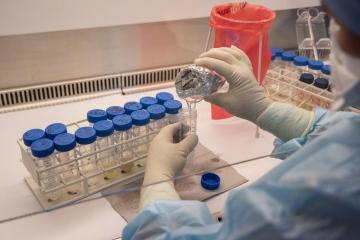
If the healthcare provider suspects a patient to have TB disease, they will send the patient for testing. In the case of suspected lung TB disease, patients will be asked to give a sputum sample for testing for TB bacteria. For non-lung TB disease, samples of affected body fluids and tissue can be tested. WHO recommends rapid molecular diagnostic tests as initial tests for people showing signs and symptoms of TB. Other diagnostic tools can include sputum smear microscopy and chest X-rays.
With TB infection, a person gets infected with TB bacteria that lie inactive in the body. This infection can develop into TB disease if the immune system weakens. People with TB infection do not show any signs or symptoms of TB. To identify TB infection, healthcare providers will screen at-risk patients to rule out active TB, and they may use a skin or blood test to check for TB infection.
TB disease is curable. It is treated by standard 6-month course of 4 antibiotics. Common drugs include rifampicin and isoniazid. In some cases, the TB bacteria does not respond to the standard drugs. In this case, the patient has drug-resistant TB. Treatment for drug-resistant TB is longer and more complex.
The course of TB drugs is provided to the patient with information, supervision and support by a health worker or trained volunteer. Without such support, treatment adherence can be difficult. If the treatment is not properly completed, the disease can become drug-resistant and can spread.
In the case of TB infection (where the patient is infected with TB bacteria but not ill), TB preventive treatment can be given to stop the onset of disease. This treatment uses the same drugs for a shorter time. Recent treatment options have shortened the duration to treatment to only 1 or 3 months, as compared to 6 months in the past.
TB and HIV remain tightly linked epidemics in Africa, but there has been important progress in diagnosis, treatment and prevention.
Burden of TB among people living with HIV
- Globally in 2024, about 5.8% of all people who developed TB were living with HIV, down from a peak of 17% in 2000.
- The proportion of incident TB cases who are HIV-positive is highest in the WHO African Region, exceeding 50% in parts of southern Africa, which underlines the central role of HIV in the TB epidemic in the Region.
Risk and prevention
- People living with HIV are much more likely to develop active TB disease than people without HIV, and TB remains a leading cause of death among people with HIV worldwide.
- In 2024, 89% of people diagnosed with TB in the WHO African Region knew their HIV status, the highest coverage of HIV testing among TB patients globally.
- Globally in 2024, ART coverage among people with HIV who were newly diagnosed and notified as TB cases was very high (91%), but when measured against the total estimated number of people living with HIV who developed TB, coverage fell to only 61%, revealing a large pool of undiagnosed or unreported TB–HIV cases.
TB preventive treatment (TPT) and collaborative activities
- WHO recommends a comprehensive package of collaborative TB–HIV activities, including routine HIV testing for all TB patients, intensified TB case-finding among people living with HIV, TB preventive treatment, and strong infection prevention and control in health facilities.
- Globally, coverage of TB preventive treatment continues to increase, especially among household contacts and people living with HIV, but remains far below the 90% coverage target by 2027 set at the 2023 UN High-Level Meeting on TB.
- Scaling up TB preventive treatment, together with early ART initiation and quality-assured TB care, is essential to further reduce TB incidence and TB-related deaths among people living with HIV in the African Region.
- Anti-TB medicines have been used for decades, and drug-resistant strains have been documented in every country surveyed. Drug resistance emerges when medicines are misused or mismanaged, for example through incorrect prescriptions, poor-quality drugs, interruptions in drug supply or when patients stop treatment too early.
- Multidrug-resistant tuberculosis (MDR-TB) is TB caused by bacteria that are resistant to at least isoniazid and rifampicin, the 2 most powerful first-line anti-TB drugs. MDR-TB and rifampicin-resistant TB (RR-TB) require treatment with second-line regimens that are more complex, more expensive and can have important side effects. In some patients, more severe resistance develops as pre-XDR-TB or XDR-TB, where the bacteria no longer respond to rifampicin plus key second-line medicines, leaving very limited treatment options.
- Globally, the estimated number of people who developed MDR/RR-TB has been falling since 2015, reaching about 390,000 incident cases in 2024. In the WHO African Region, an estimated about 57,000 people developed MDR/RR-TB in 2024, representing around 15% of the global MDR/RR-TB burden. Despite this decline, the scale of drug-resistant TB in Africa remains a major threat to progress towards ending TB.
- Detection of MDR/RR-TB requires bacteriological confirmation of TB and testing for drug resistance using WHO-recommended rapid molecular tests, culture-based methods or sequencing. In 2024, 83% of people with bacteriologically confirmed TB globally were tested for rifampicin resistance, with coverage improving in all regions.
- WHO now prioritizes shorter all-oral regimens for most people with MDR/RR-TB. Two 6-month regimens are recommended as first choice, including the BPaLM regimen (bedaquiline, pretomanid, linezolid and moxifloxacin) and an all-oral bedaquiline–delamanid–linezolid–fluoroquinolone/clofazimine regimen that can be used in children and pregnant women. Treatment success for MDR/RR-TB has improved, reaching 71% in the 2022 global cohort, and in 2024 about 45% of MDR/RR-TB patients in the WHO African Region were already on 6-month regimens.
- WHO recommends rapid scale-up of all-oral, shorter MDR/RR-TB regimens, together with expanded access to rapid diagnostics and robust patient support, to prevent further emergence of resistance and protect progress towards the End TB targets in the African Region and globally.
WHO pursues 6 core functions in addressing TB:
- Providing global leadership on matters critical to TB.
- Developing evidence-based policies, strategies and standards for TB prevention, care and control, and monitoring their implementation.
- Providing technical support to Member States, catalyzing change, and building sustainable capacity.
- Monitoring the global TB situation, and measuring progress in TB care, control, and financing.
- Shaping the TB research agenda and stimulating the production, translation and dissemination of valuable knowledge.
- Facilitating and engaging in partnerships for TB action.
Growing political commitment in the African region is driving progress towards ending the TB epidemic. Many countries have endorsed the WHO End TB Strategy and its regional framework, both of which set ambitious but achievable targets for reducing TB by 2030.
These targets aim for:
- 90% reduction in TB deaths compared to 2015 levels.
- 80% reduction in new TB cases compared to 2015 levels.
- Elimination of catastrophic costs faced by TB-affected families.
The WHO End TB Strategy, adopted globally in 2014, provides a roadmap for achieving these goals. It sets similar global targets for TB reduction and emphasizes eliminating the financial burden of TB on families.
Looking beyond 2030, the WHO has even more ambitious targets to virtually eliminate TB as a public health threat by 2035.
The Strategy outlines three strategic pillars that need to be put in place to effectively end the epidemic:
- Pillar 1: integrated patient-centred care and prevention
- Pillar 2: bold policies and supportive systems
- Pillar 3: intensified research and innovation
The success of the Strategy will depend on countries respecting the following 4 key principles as they implement the interventions outlined in each pillar:
- government stewardship and accountability, with monitoring and evaluation
- strong coalition with civil society organizations and communities
- protection and promotion of human rights, ethics, and equity
- adaptation of the strategy and targets at the country level, with global collaboration