Malawi, Mozambique, Zambia and Zimbabwe Chart $18.6M Climate-Resilient WASH Plan to Protect Health and Water Security
WHO convenes proposal writing workshop to advance climate-resilient WASH solutions for countries
Lusaka, Zambia - As floods, droughts, and rising temperatures threaten water security, energy, and public health across Southern Africa, governments and partners are taking bold steps to protect vulnerable communities through climate-resilient Water, Sanitation, and Hygiene (WASH) systems.
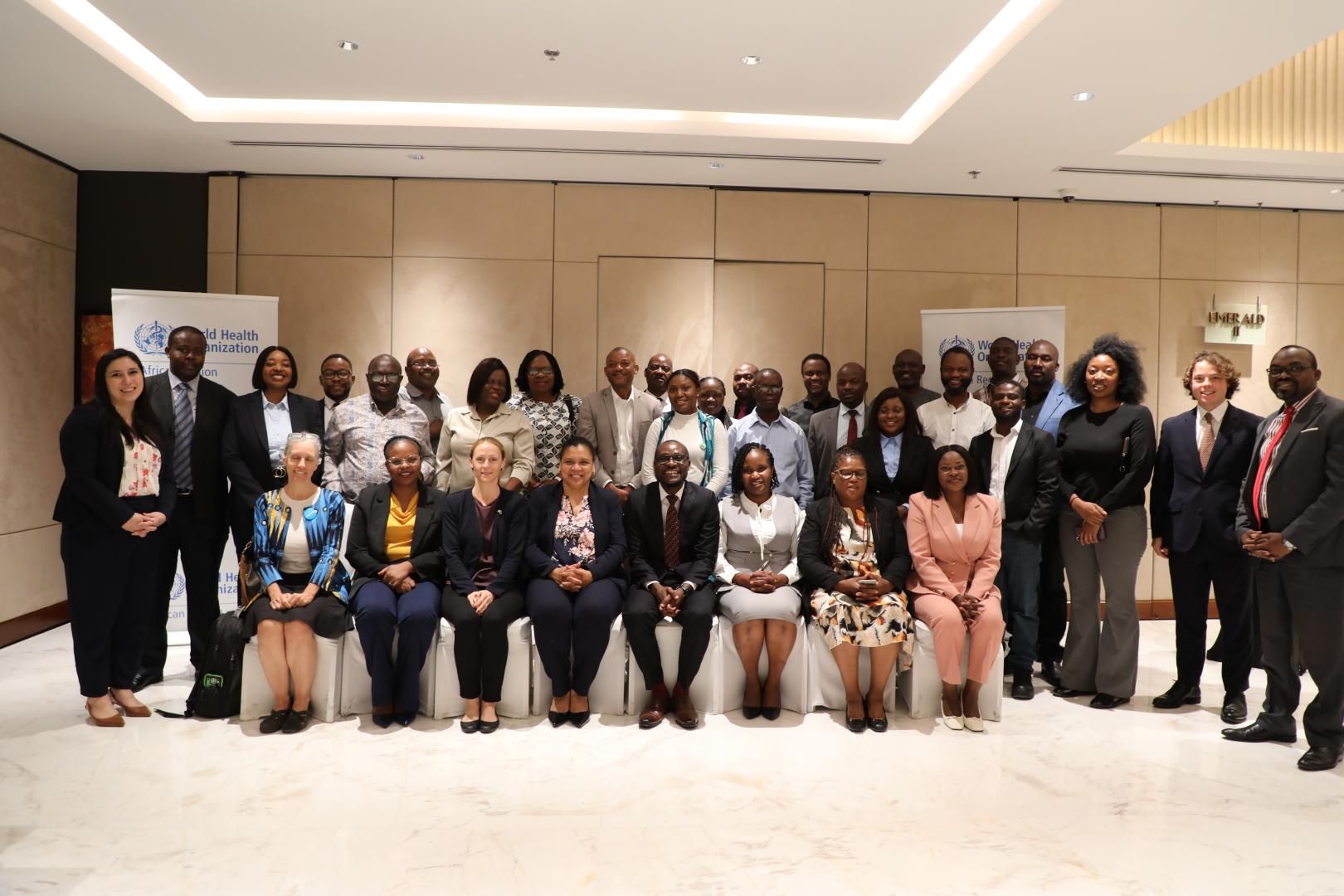
At a two-and-a-half-day regional workshop on Climate-Resilient WASH proposal writing in Lusaka, the World Health Organization (WHO) and technical teams from Malawi, Mozambique, Zambia, and Zimbabwe co-developed a full concept note for submission to the Adaptation Fund. The initiative seeks to mobilize at least $18.6 million to climate-proof WASH infrastructure, early warning systems, and health surveillance in the face of climate change.
Dr Jeremiah Mushosho, WHO Africa Regional Team Lead for Climate Change, emphasized the urgency: “Climate change is the single biggest health threat facing humanity. By investing in climate-resilient WASH systems, we are not only reducing waterborne disease risks but also safeguarding health equity for millions of families across the region.”
From Malawi, Deputy Director, Water Supply Services, Mr Peter Chipeta highlighted the transformative impact of resilient WASH investments: “When we invest in climate resilient WASH systems, we are doing more than building boreholes or toilets. We are safeguarding health, protecting livelihoods, and ensuring that communities can withstand and recover from climate shocks.”
Representing Zambia, Dr Ephraim Shitima, Director at the Ministry of Green Economy and Environment, underscored the importance of aligning national priorities with regional strategies: “This workshop marks a critical step forward in our region’s collective effort to strengthen the resilience of water, sanitation, and public health systems. Zambia’s National Adaptation Plan prioritizes climate-resilient water resource management and preparedness for climate-induced health risks. Through this collaboration, we reaffirm our commitment to safeguarding vulnerable communities.”
From Mozambique, Dr Catarina Maguni Mavimbe, Head of Department of Environmental Health, MoH Mozambique, stressed social equity: “Climate change is no longer a distant threat, it is a lived reality for our communities. Mozambique faces recurring floods, cyclones, and cholera outbreaks that strain our health and WASH systems. By joining this regional initiative, we reaffirm our commitment to building resilient infrastructure and ensuring that vulnerable populations, especially women and children, are at the center of climate-resilient WASH programming.”
Dr. Victor Nyamandi, Director Environmental Health Services at the Ministry of Health and Child Care in Zimbabwe underscored the urgent need for resilience as a non-negotiable priority in the face of escalating climate shocks: “Climate shocks are destroying water infrastructure, contaminating sources, and fueling outbreaks of cholera and other diseases. Resilience is not optional, it is essential. By investing in climate-proof water and sanitation systems and strengthening early warning and surveillance, we can protect lives, preserve development gains, and uphold the dignity of our communities.”
The proposed project focuses on three pillars: Early Warning Systems for water-related disease outbreaks; Climate-resilient WASH infrastructure, including sustainable water technologies and flood control measures; and Capacity building for health and WASH stakeholders to design and implement adaptation strategies.
Delegates agreed on a roadmap to submit the proposal by 15 January 2026, ahead of the Adaptation Fund Board session in March/April. Once approved, the project will enhance resilience for millions of people in Southern Africa, reducing vulnerability to climate-sensitive diseases and extreme weather events.


Communications Officer
World Health Organization Country Office, Zambia
Email: kapemak [at] who.int (kapemak[at]who[dot]int)