Changing the game against anaemia: a decisive step for Africa
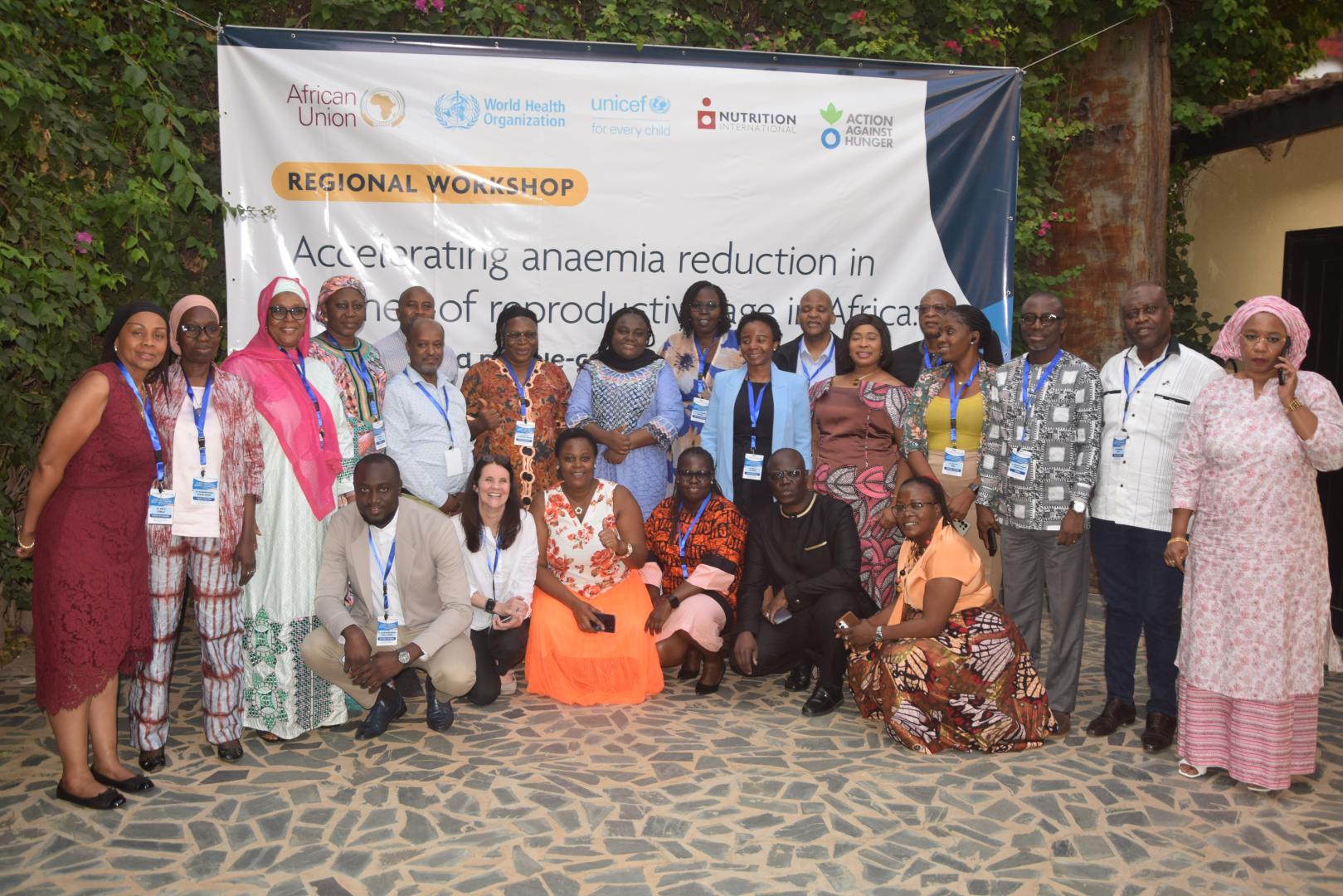
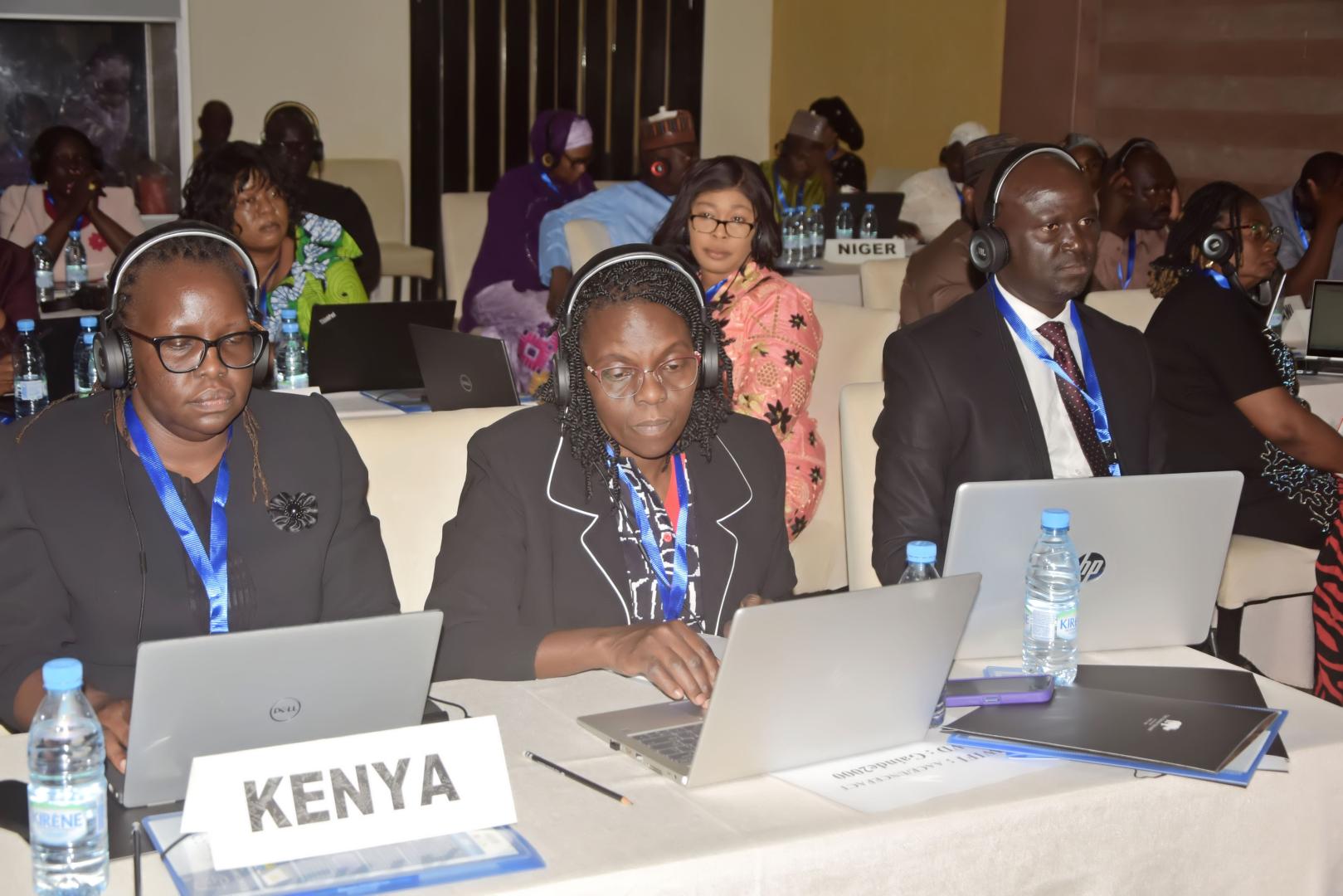
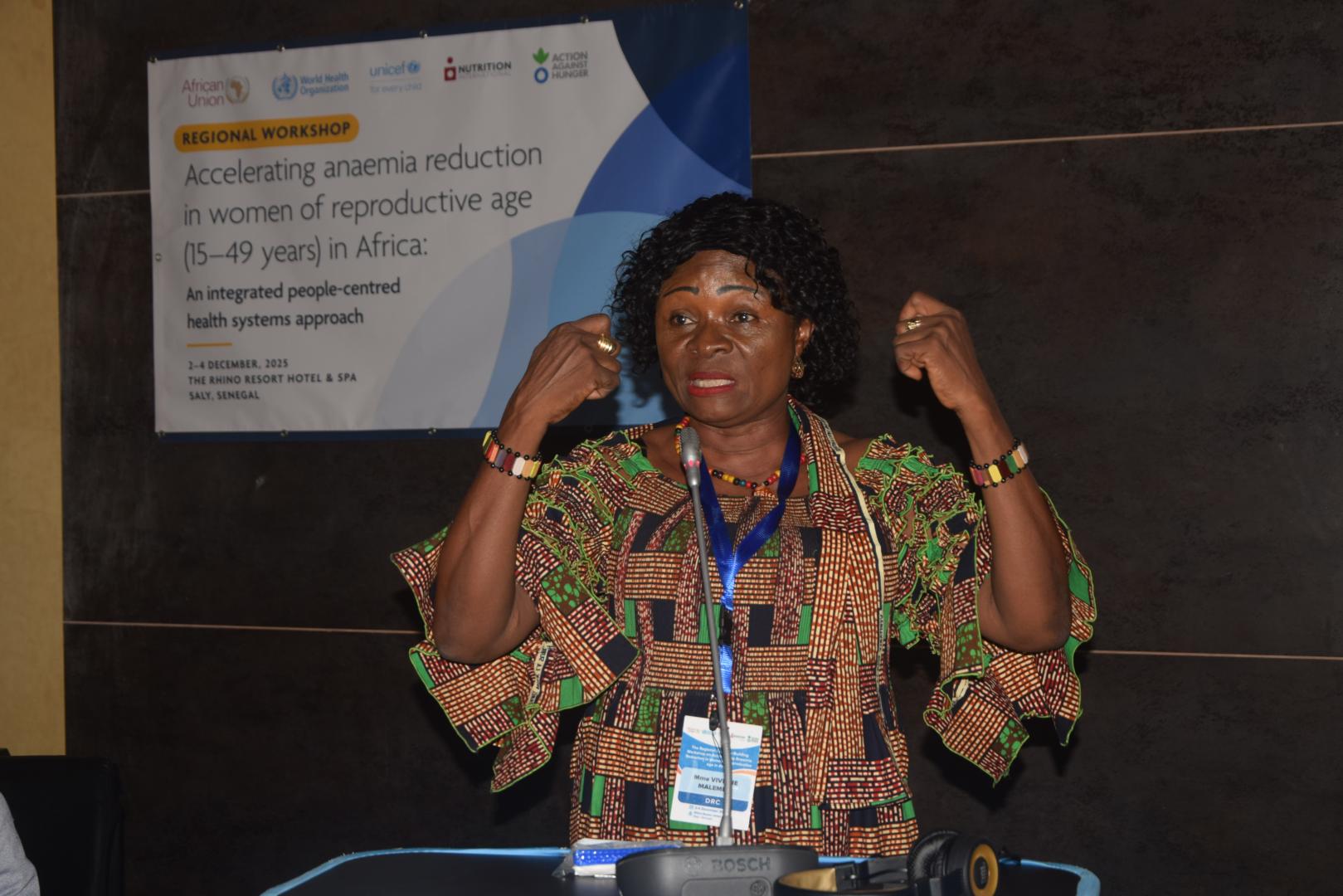
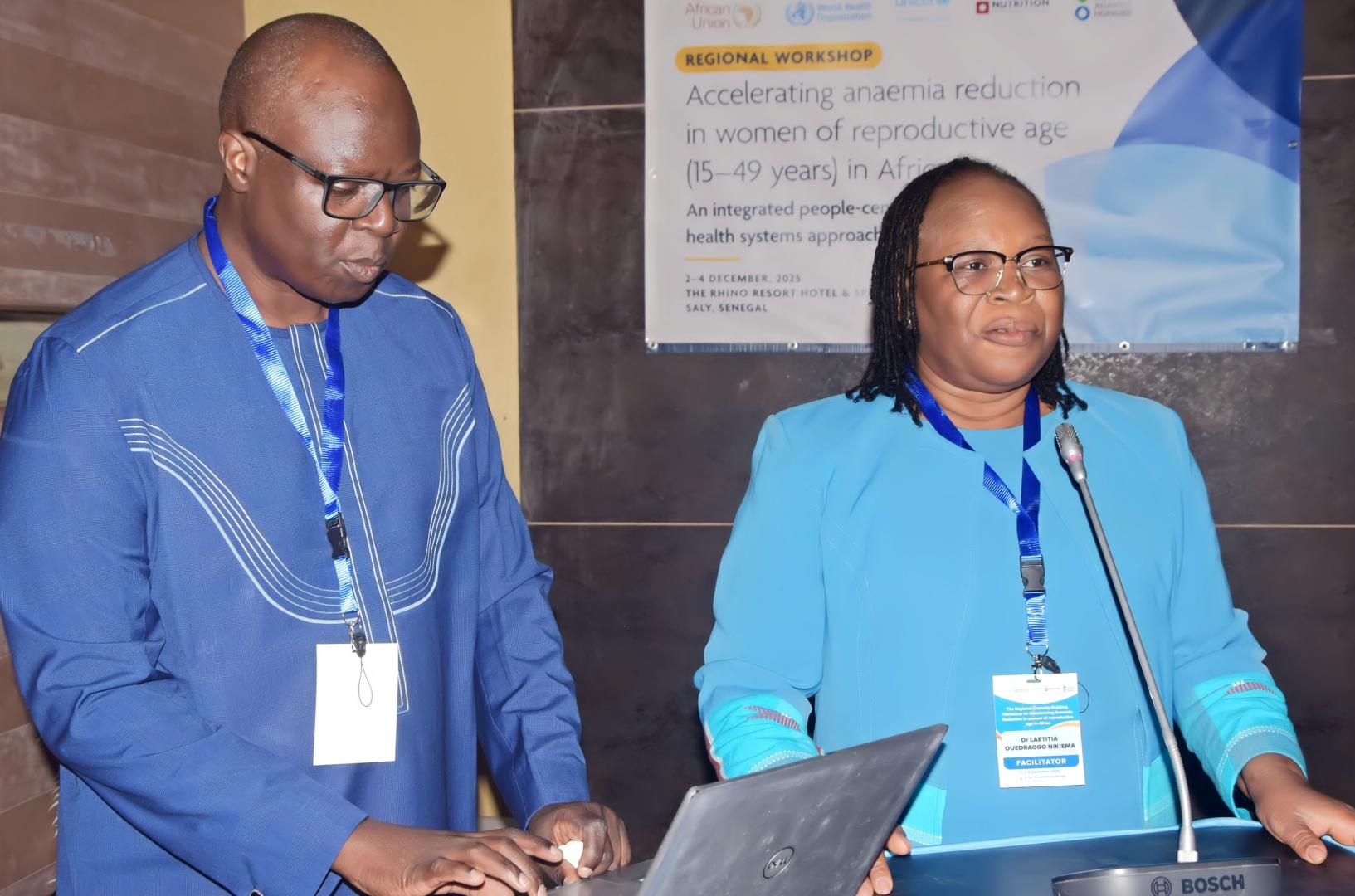
Dakar – Anaemia remains one of the most critical public health challenges in the African Region, affecting millions of women and children and holding back progress in health, education and economic development. Recognizing the urgent need for action, technical experts representing governments from 21 countries in the Region and development partners gathered in Saly, Senegal, from 2 to 4 December 2025, for a regional workshop on accelerating the reduction of anaemia among children and women of reproductive age. This meeting brought together experts to transform commitments on anaemia reduction into concrete strategies, aligned with global and continental frameworks.
This initiative comes at a key time, when the global nutrition target to reduce anaemia among women of reproductive age by 50%, originally set for 2025, has been extended to 2030. Despite this commitment, established in 2012, progress remains insufficient, and current data indicate that no country in the African Region is on track to achieve this goal.
To address this challenge, the WHO Regional Office for Africa, through its Nutrition and Food Safety Programme, supports Member States by strengthening the generation and use of evidence. Country profiles have been developed to describe the burden of anaemia, its determinants and ongoing interventions. Building on these analyses, the workshop facilitated the identification of gaps and prioritized actions to address them through a coordinated,multisectoral approach, integrating anaemia control into broader health and development strategies, while strengthening countries' capacities for planning and implementation.
Opening the discussions, Dr. Mbaye Sene, Head of the National Council for the Development of Nutrition (CNDN) in Senegal, stressed the urgency and collective responsibility to act. "Anaemia remains a major obstacle to maternal health, optimal child development and, more broadly, the progress of our countries... With collective determination, we can change the health trajectory of millions of women and children in Africa."
Dr Ousmane Dieng, Nutrition Officer at the WHO Office in Senegal, in his opening remarks on behalf of the Organization, reinforced this message by emphasizing the scale of the challenge and the opportunity for transformation. "No region of the world is currently on the trajectory necessary for a substantial reduction in anaemia... Together, we can reverse this trend and improve the health and well-being of millions of women and children in Africa." He welcomed the participation of countries: "The presence of our countries at this workshop demonstrates a strong collective commitment to accelerate the reduction of anaemia on the continent."
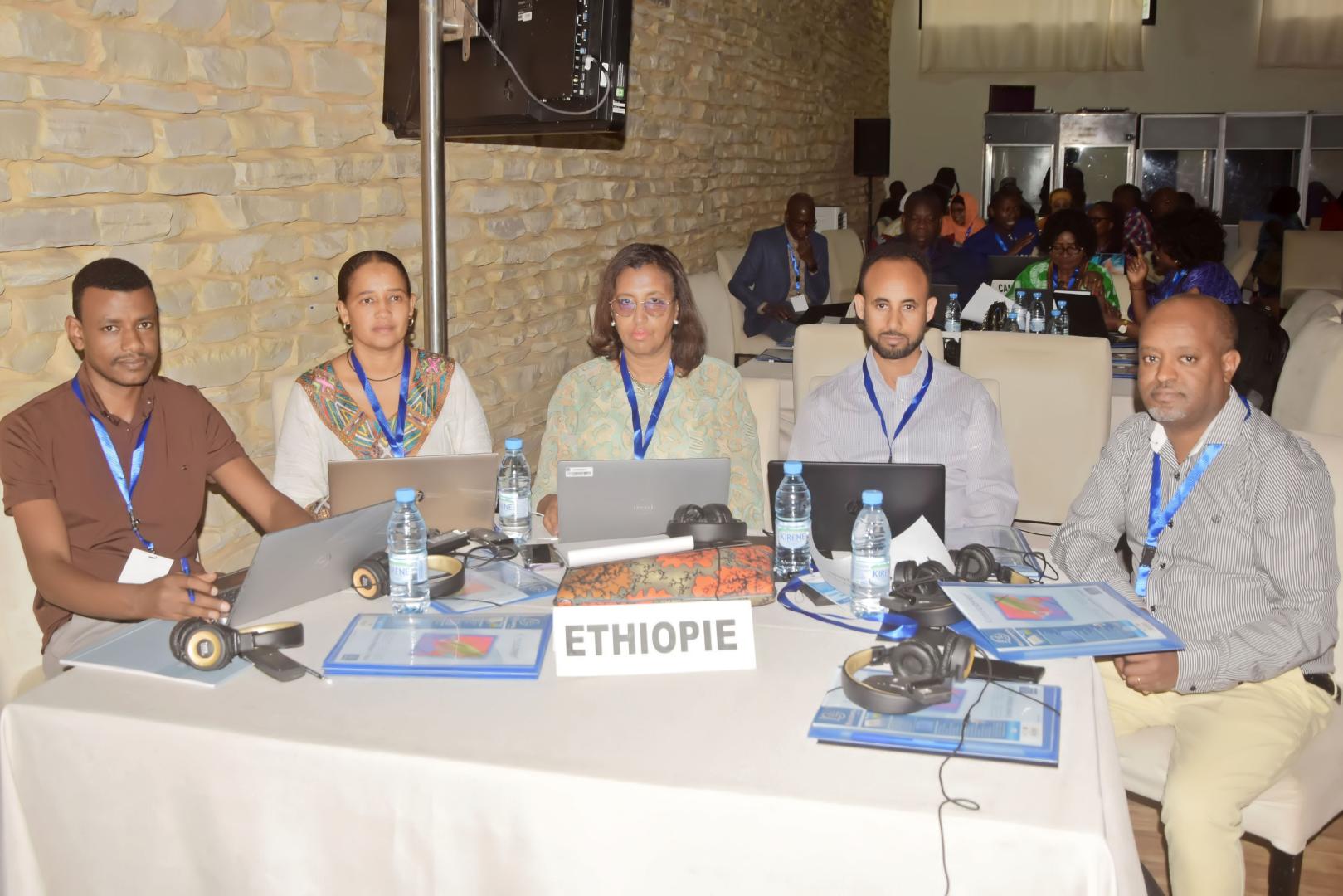
During the work, the national teams analysed their data, identified gaps and defined priority actions. They explored ways to integrate interventions for the prevention and treatment of anaemia across all health service delivery platforms, including sexual and reproductive health and community health. The technical sessions addressed governance, accountability and resource mobilization, which are essential elements for sustainability.
At the end of the three days, each country had a draft acceleration plan responding to the needs identified in the workshop. These plans set out priority actions across the five action areas of the WHO framework for anemia reduction, addressing women and children, and including coordination mechanisms, financing and monitoring strategies.
Partners, including Nutrition International, UNICEF, Action Against Hunger and the African Union Commission, reaffirmed their commitment as co-conveners. They pledged technical support and resources to translate the priority actions identified during the workshop into concrete results. Their involvement underscored the importance of collaboration and shared responsibility to address a problem that affects health, nutrition, education and social protection.
Explaining how this process will guide the next steps in his country, Dr Bruno Bindamba Senge, Director of the National Nutrition Programme of the Democratic Republic of Congo (DRC), said: "This workshop has allowed us to align and reframe our national vision in line with regional and international recommendations... We will finalize and adopt a multisectoral strategic plan for the fight against anaemia, establish a technical group and mobilize the necessary resources. In addition, we will also appoint a champion to take this plan to the national level, create a technical group within the National Multisectoral Nutrition Committee and conduct a study to understand the real causes of anaemia in the DRC"
Similar commitments are expected from the other participating countries, strengthening a continental momentum towards stronger leadership and integrated action. For Tanzania, the workshop marked a turning point in the fight against anaemia. Despite years of iron and folic acid supplementation, prevalence remains high, at around 42%, revealing fragmented interventions that have long viewed anaemia as a mere nutritional deficit. The Delegation stressed the need for a holistic approach, taking into account key factors such as malaria, parasitic infections, menstrual disorders and hereditary blood diseases. "This workshop allowed us to review our strategies and understand that the fight against anaemia cannot be limited to nutrition. We need to integrate reproductive health, infectious disease prevention, and the management of underlying causes. Upon our return, we will finalize a priority action plan and accelerate the publication of the biomarkers study for an evidence-based, multisectoral response," said Neema Joshua, Deputy Director of Nutrition at the Ministry of Health of Tanzania.
The outcomes of this workshop go far beyond planning. They reflect a renewed commitment to the 2030 targets and to make the reduction of anaemia a cross-sectoral priority. Countries leave with concrete strategies, strengthened partnerships and a clear roadmap for implementation.
Anaemia is a complex challenge, but solutions exist and the political will is stronger than ever. With coordinated action, strong governance and sustainable investments, Africa can change the trajectory of anaemia and improve the lives of millions of women and children. This is not just a health intervention, it is a step towards equity, empowerment and sustainable development.
Communications Officer
WHO Regional Office for Africa
Email: dialloka [at] who.int (dialloka[at]who[dot]int)