Strengthening clinical care for high-consequence infectious diseases in East Africa
Nairobi - Following successive Ebola and Marburg outbreaks across East Africa, countries are shifting how preparedness is defined, placing greater emphasis on the quality of clinical care delivered to patients.
In recent years, investments in surveillance, laboratory systems and rapid response have strengthened the region’s ability to detect outbreaks earlier and respond faster. Across Tanzania, Uganda and Ethiopia, early warning systems are functioning more effectively, and laboratory confirmation is increasingly timely. Yet patient outcomes continue to vary, pointing to a different challenge.
Clinical management has emerged as the determining factor.
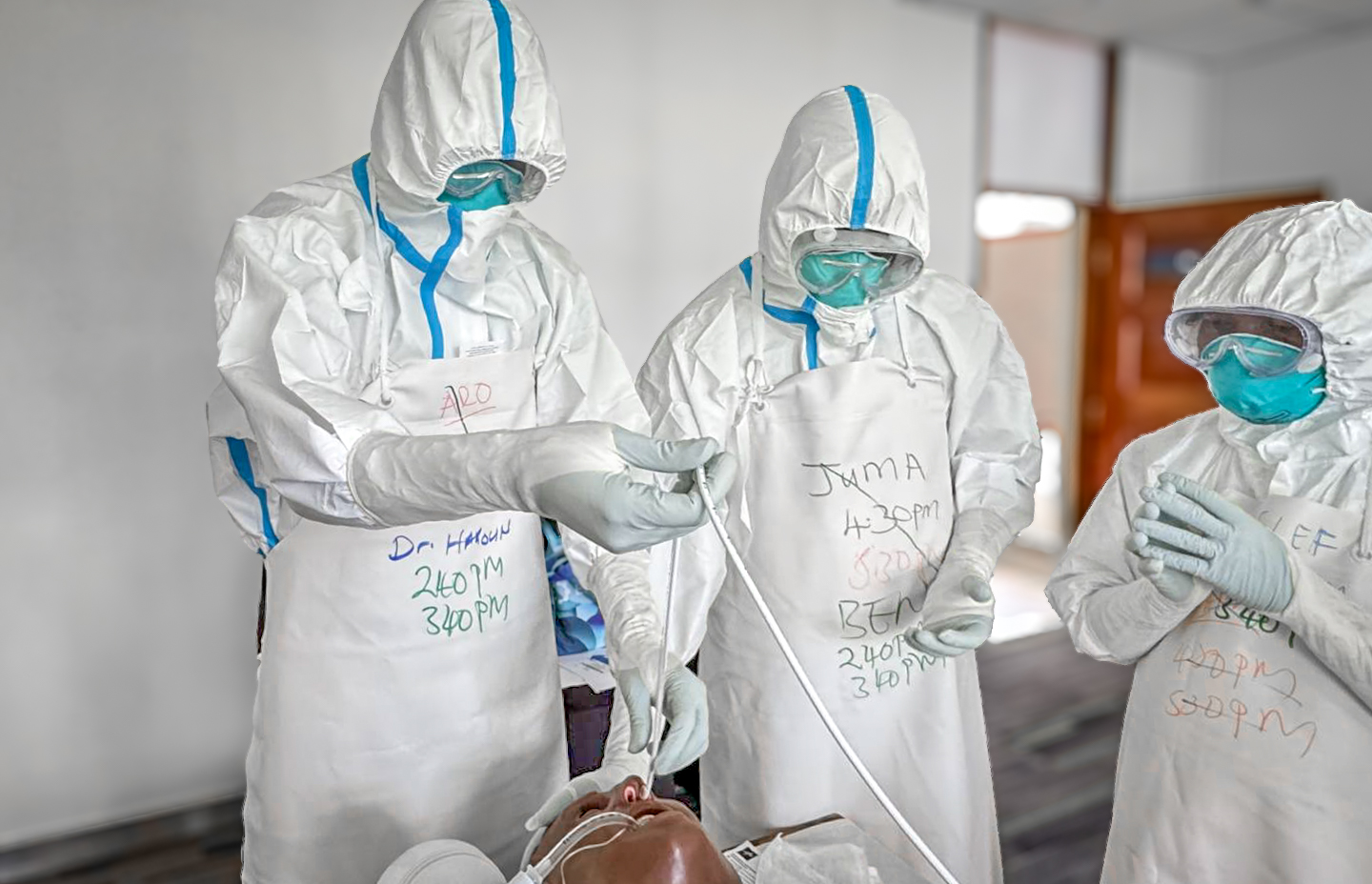
Caring for patients with high-consequence infectious diseases requires highly skilled teams operating in full personal protective equipment under strict infection prevention protocols. These conditions are physically demanding and technically complex, requiring sustained precision in environments where even routine care becomes high risk. Where bedside capacity is limited, mortality increases, regardless of how quickly cases are identified.
To address this gap, countries are strengthening the systems that underpin clinical care, from building multidisciplinary teams and improving intensive and supportive care practices, to reinforcing infection prevention and WASH standards and ensuring facilities are equipped to operate safely during outbreaks.
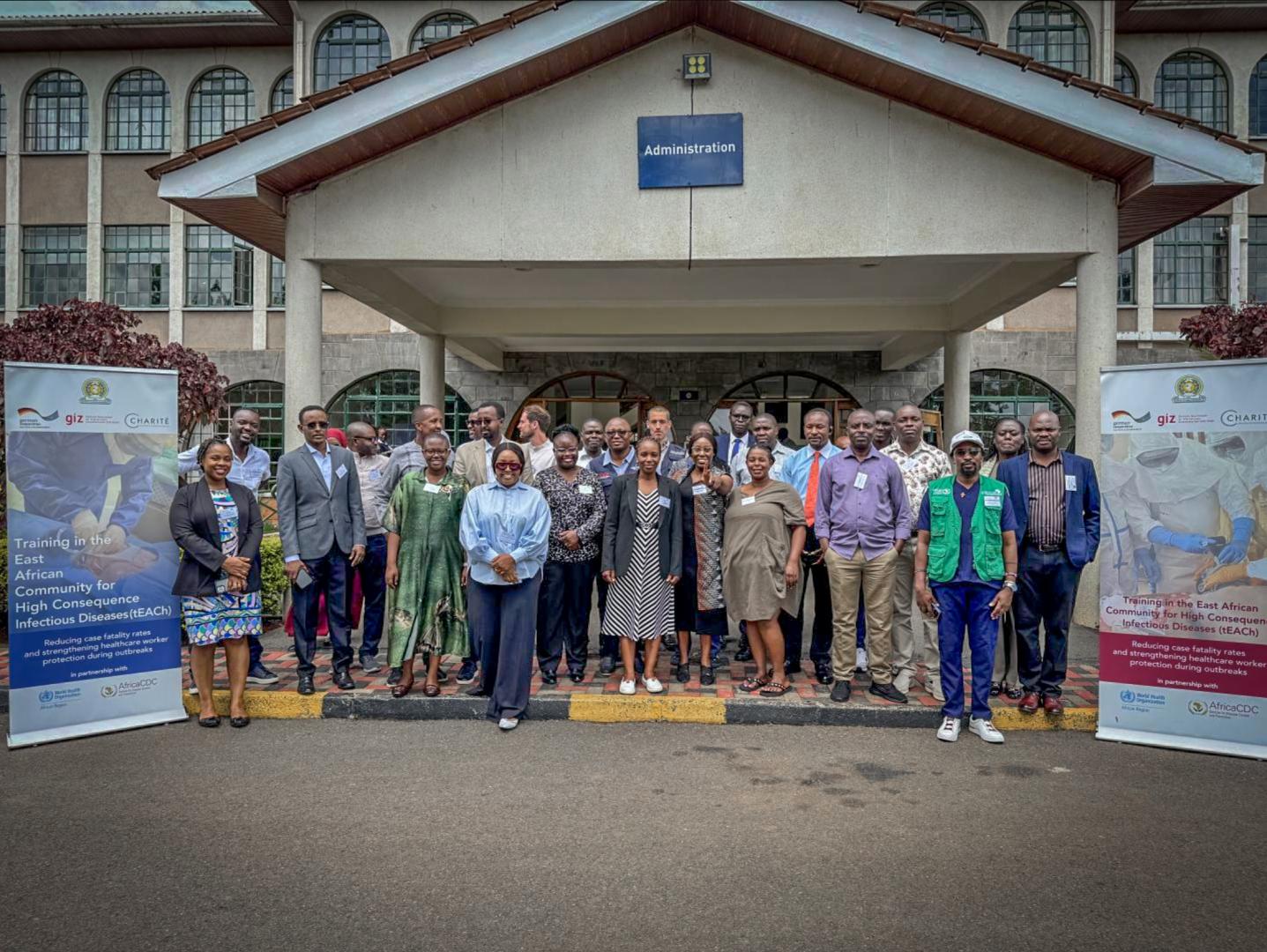
From 27 April to 1 May 2026, clinicians, infection prevention specialists and experts from across the East African Community convened in Nairobi for a training focused on these priorities. Organized by the East African Community, with funding from GIZ and support from Charité, Universitätsmedizin Berlin, the training brought together expertise from across all eight Member States to strengthen the competencies that influence patient outcomes.
The programme focused on critical care, patient monitoring, safe use of personal protective equipment, and maintaining high-quality clinical operations under outbreak conditions. Designed as a training-of-trainers platform, it aims to build a cadre of experts who can cascade knowledge nationally, ensuring that capacity is not limited to individual facilities but embedded within health systems.
World Health Organization supported this effort through technical guidance, coordination and the strengthening of regional networks, helping to ensure that clinical capacity continues to grow across countries and is sustained between outbreaks.
This approach reflects a broader shift toward institutionalizing expertise. Rather than rebuilding capacity during each emergency, countries are working to retain and expand it over time, supported by regional collaboration.
East Africa has demonstrated that it can detect outbreaks faster. The next phase is to ensure that every patient benefits from the same standard of high-quality care.
Emergencies Communications Officer
WHO Africa Regional Office
nwonyec [at] who.int (nwonyec[at]who[dot]int)
+2348034645524
Communications and marketing officer
Tel: + 242 06 520 65 65 (WhatsApp)
Email: boakyeagyemangc [at] who.int (boakyeagyemangc[at]who[dot]int)