Kenya moves toward establishing Africa’s second military emergency medical team
Nairobi - Kenya is taking a significant step toward strengthening its emergency response capacity, becoming the second country in Africa to develop a military emergency medical team.
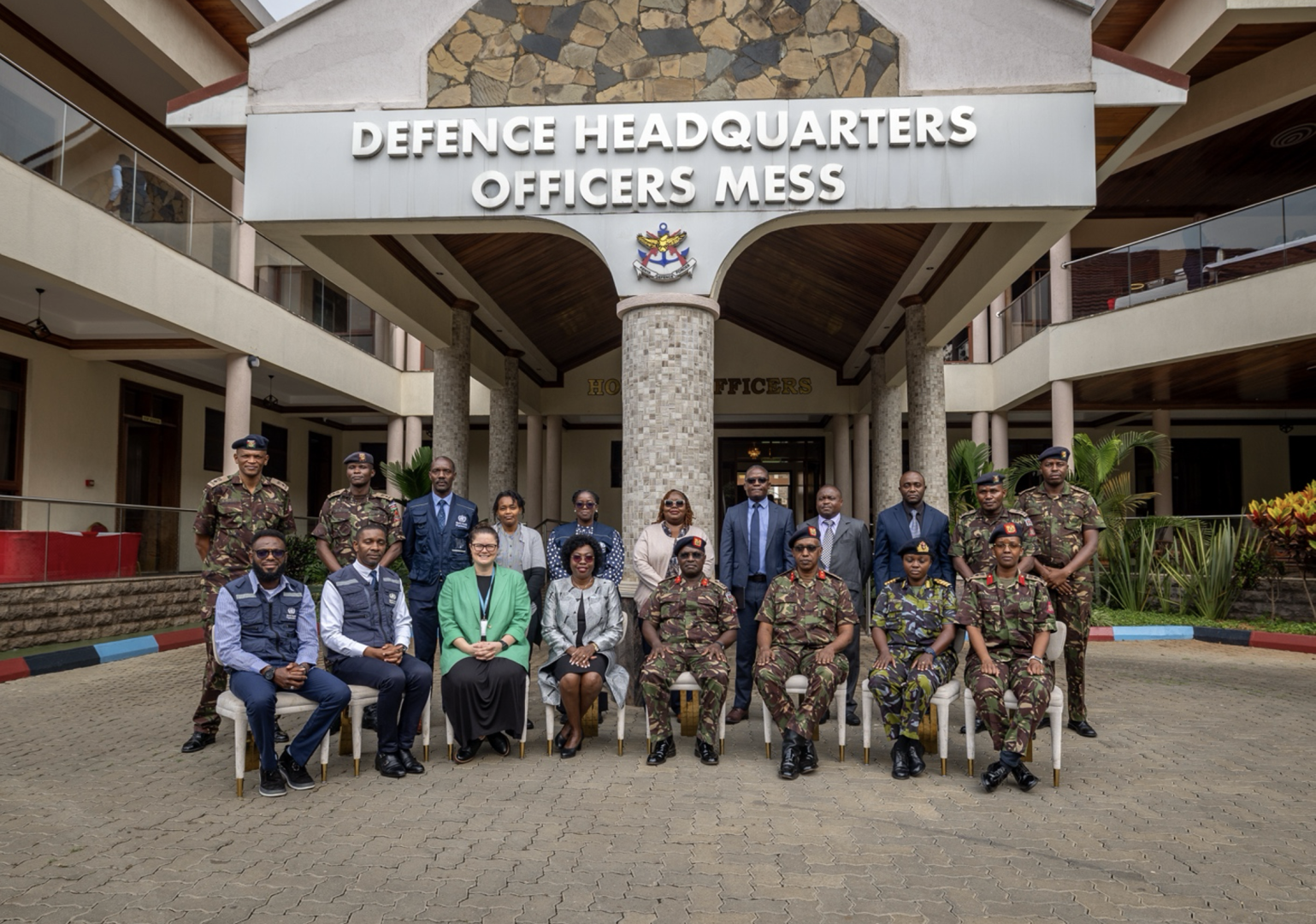
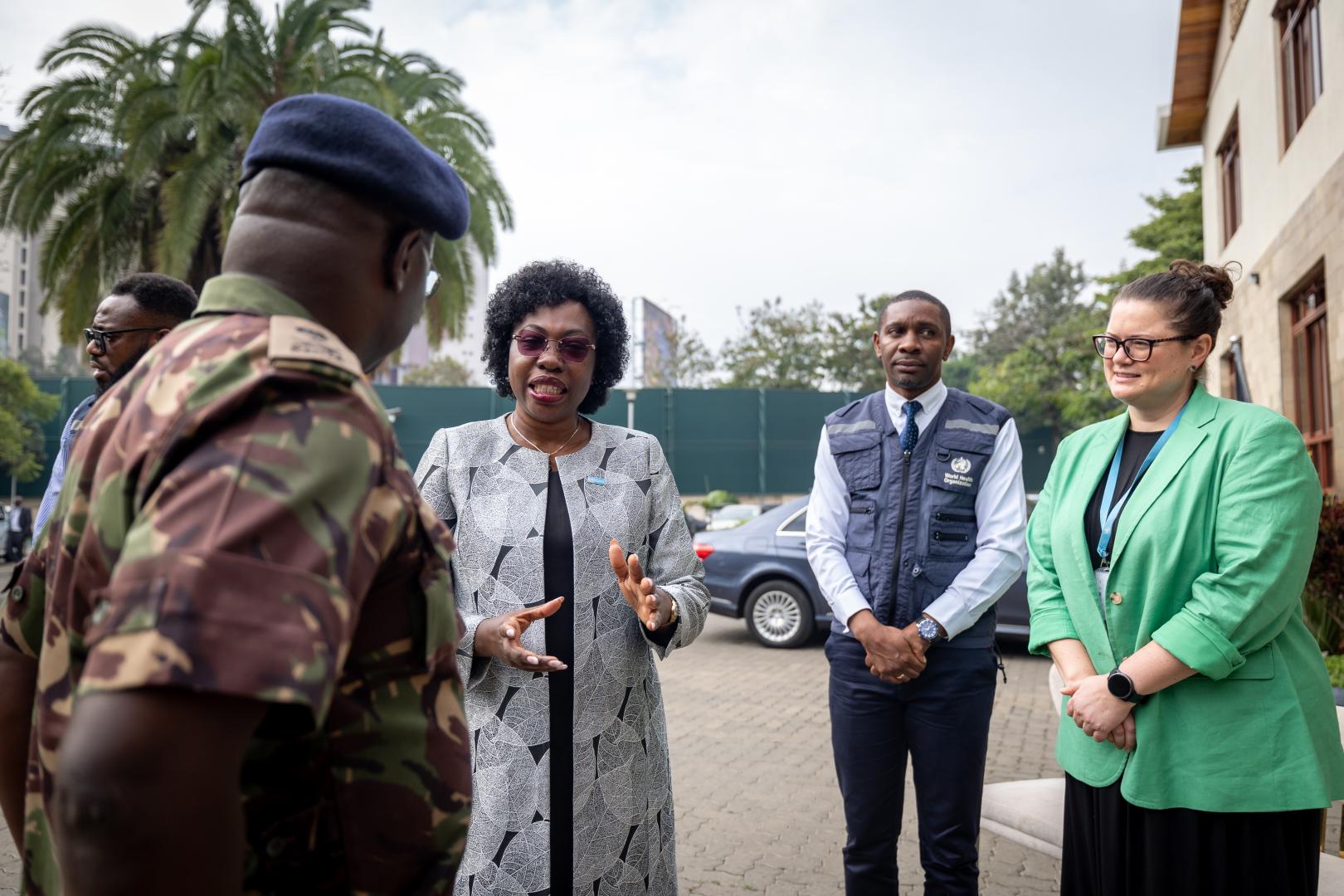
The Kenya Defence Forces, the Ministry of Health, and the World Health Organization held a two-day Governance Orientation Workshop this week to advance the development of the country's first Type 2 emergency medical team, a specialised unit capable of providing advanced medical care in the aftermath of disasters and disease outbreaks.
The development comes at a critical moment for Kenya's health security. In 2024, the long rains caused flooding that affected over 300,000 people and resulted in more than 200 deaths. The same year saw the Mai Mahiu dam collapse kill 60 people, the Embakasi gas explosion kill 10 and injure more than 270, and the Hillside Endarasha Academy school fire claim the lives of 17 pupils. Health authorities were simultaneously managing outbreaks of mpox and cholera, underscoring the need for a dedicated, deployable medical team ready when it is needed most.
"Our intelligence is telling us about outbreaks that will happen and disasters worsening because of climate change," said Colonel Dr. Angela Githua, Health Security Lead for the Kenya Defence Forces.
Brigadier (Dr) Japheth Ndegwa, Director of Medical Services for the Kenya Defence Forces, said, "A country that cannot protect the health of its people cannot protect its security either. This is why we are here because when the next disaster comes, and it will come, we intend to be ready."
An emergency medical team is a mobile, self-sufficient medical unit that deploys during disasters and health emergencies to provide clinical care when local health systems are overwhelmed. A Type 2 team can deliver full inpatient care, including surgical services, and can be operational within 48 hours of an emergency. This enables faster treatment at the point of need, before patients must be transported to overwhelmed facilities.
The workshop builds on progress made in November 2024, when 30 military health professionals completed a WHO-supported emergency medical team induction training, the first of its kind in Kenya. The governance workshop marks the next phase, bringing together the leadership and oversight bodies that will take the team from development to formal WHO verification.
Over two days, participants reviewed global emergency medical team standards and clarified governance roles and responsibilities. Practical sessions drew on experiences from Senegal and Uganda, examining what it takes to move a team from design to deployment.
Acting WHO representative to Kenya, Dr Neema Kimambo, said the initiative represents a major step in strengthening national emergency preparedness and response.
"Kenya's decision to pursue this level of emergency medical capacity covering surgical care, mental health support and preparedness for a full spectrum of emergencies is both ambitious and appropriate. WHO remains fully committed to providing technical guidance, tools, mentorship, and classification support every step of the way."
That commitment is one Colonel Githua says will be essential as Kenya works to close a critical gap in its national response capability.
Colonel Githua added: "As it stands, Kenya does not have a fully functional and dedicated emergency medical team to respond to outbreaks and disasters, which delays the initiation of treatment. We want to offer quality care at the minimum deployable time possible, because that improves patient outcomes. This would also be the second army emergency medical team in Africa, an asset we can deploy within the East African Community and across the continent."
At the end of the workshop, a formal Emergency Medical Team governance structure was established and a time-bound roadmap agreed, with clear responsibilities and accountability mechanisms assigned across all partner organisations. Brigadier (Dr) Japheth Ndegwa, Director of Medical Services for the Kenya Defence Forces, said, "A country that cannot protect the health of its people cannot protect its security either. This is why we are here because when the next disaster comes, and it will come, we intend to be ready."
The agreed roadmap sets out the priority actions and timelines that will guide Kenya through the remaining steps toward formal WHO classification.
Ardo Farah
EPR Communication officer
WHO Kenya
Tel: +254 790 476066
Email: arfarah [at] who.int (arfarah[at]who[dot]int)