Liberia Media Centre

WHO: Austin A. Jallah shares his experience fighting Ebola in Liberia

Austin_A._Jallah_shares_his_experience_fighting_Ebola_in_Liberia.JPG

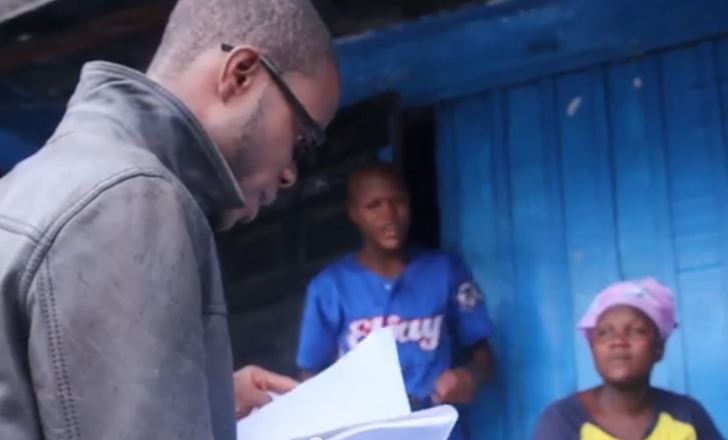
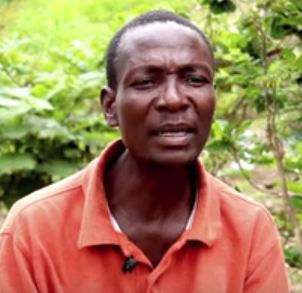
“When the outbreak first started in March and we heard about this deadly virus Ebola, I was in Kakata,” says Austin S. Jallah, a student nurse of Kakata University, in Margibi County, Liberia and working as a WHO expert patient trainer.

“People really doubted the fact that Ebola was real, until we heard about the first case in the hospital. I wasn’t one of those who doubted though. Because I am a student nurse, I had read about the Ebola virus before, how it was first discovered back in 1976.”

Ebola outbreak response and needs by Dr Nestor NDAYIMIRIJE

Ebola_outbreak_response_and_needs_by_Dr_Nestor_NDAYIMIRIJE.JPG

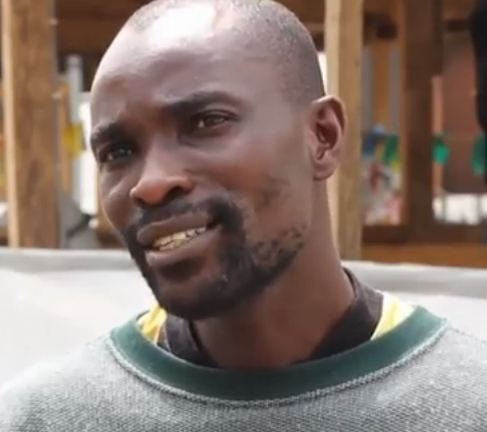
Dr Nestor NDAYIMIRIJE, WHO Representative in Liberia, speaks about the Ebola outbreak here and in neighbouring countries, and WHO’s effort to support the response. Photographs taken in July 2014 in this area illustrate his statement (Photo credits: WHO and Liberia’s Ministry of Health and Social Welfare).

WHO: Interview with Pieter Desloovere - Liberia - Ebola

Interview_with_Pieter_Desloovere_-_Liberia_-_Ebola.JPG

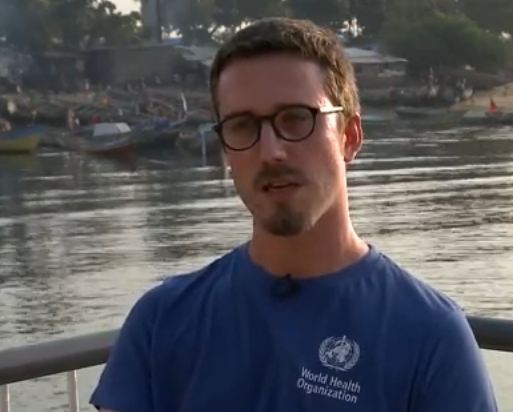
Pieter Desloovere, a WHO spokesperson, was deployed as a communications officer to Liberia from September 2014 till January 2015. He shares his reflection of his experience on the ground, and looks back at how Liberia got to zero cases and its successes as well as his most touching moment

Testimony of Harrison Sakila, Ebola survivor in Liberia

Testimony_of_Harrison_Sakila_Ebola_survivor_in_Liberia.JPG

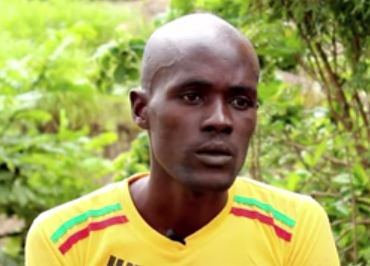
This testimony was recorded in Liberia on 17 July 2014 at Foya district's treatment centre. Harrison recounts that he contracted Ebola when he assisted her sick mother. A week after her death, he too got sick. Health staff of Samaritan’s Purse saw him and took him to the treatment centre. “I didn’t refuse, I joined them, they tested me – it was positive. They took me to the area of the treatment centre for confirmed cases. After one week, they came for my blood test, it was negative. I came out. I am alright.”

For health systems fighting the Ebola outbreak, it is important to identify survivors in order to record their experiences and support community awareness efforts by sharing their ordeals and how they managed to survive Ebola. It indeed helps to alleviate some resistance, panic, denial, and misconceptions that local populations often have about this disease.
WHO: Liberia - local students become active Ebola case finders

Liberia_-_local_students_become_active_Ebola_case_finders.JPG

Ever since the closure of the university due to the Ebola outbreak, Robbin George, criminology student at the University of Liberia, has been trying to help stop the spread of the Ebola virus in his country. He joined the team of active case finders to go from house to house to find out if sick people are being treated