Bundibugyo virus disease outbreak Democratic Republic of the Congo
The Democratic Republic of the Congo is responding to an outbreak of Ebola disease caused by Bundibugyo virus in the north-eastern Ituri Province — the country's 17th Ebola outbreak since the virus was first identified in 1976. The WHO Director-General has determined that the outbreak, which was declared on 17 May 2026, constitutes a Public Health Emergency of International Concern (PHEIC), requiring international coordination and cooperation for the response.
The outbreak is unfolding against a complex epidemiological, humanitarian and security backdrop characterized by insecurity, highly mobile populations including cross-border and trade flows such as mining, as well as the presence of large refugee communities.
▶Response
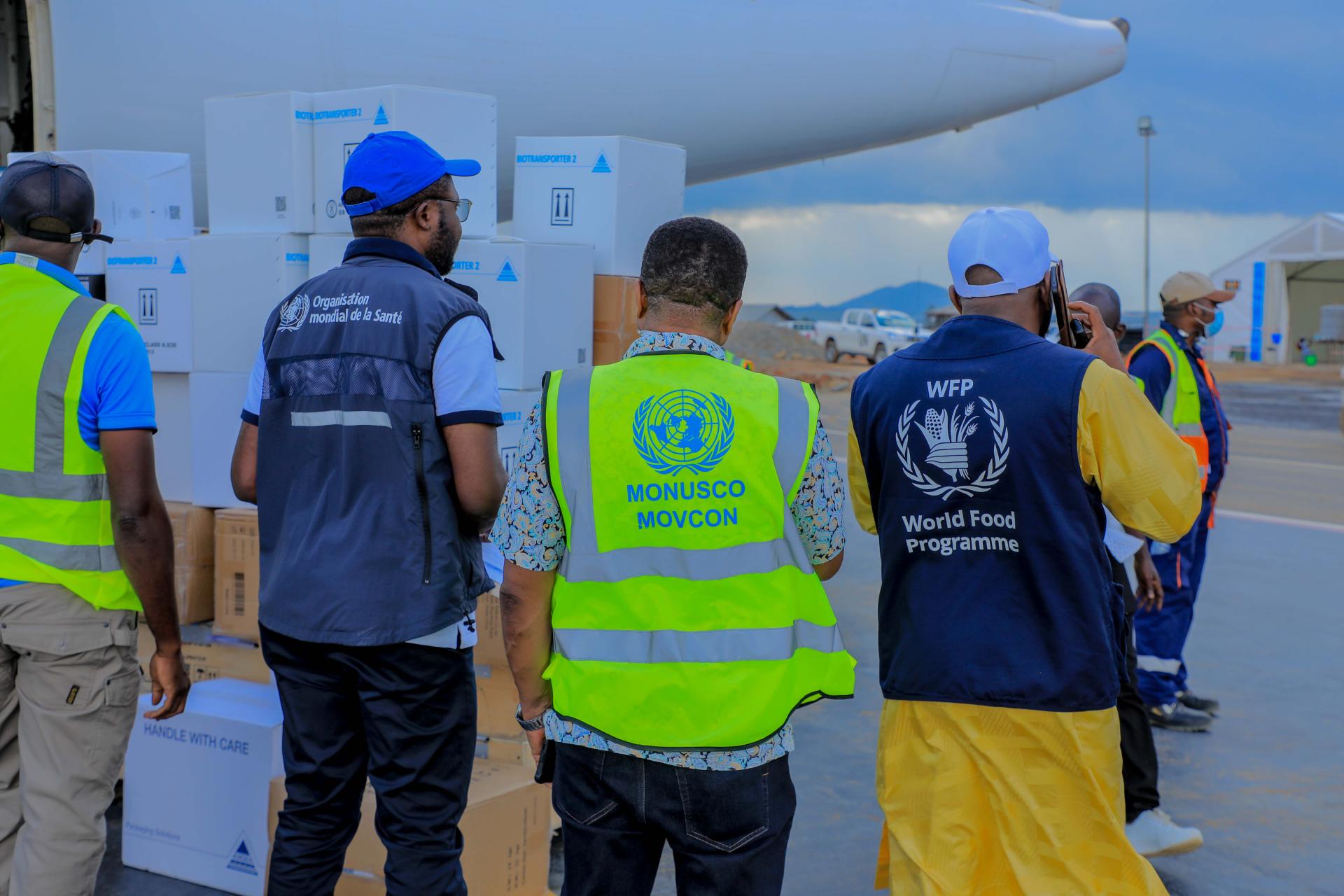
Health authorities in the Democratic Republic of the Congo and Uganda have activated national emergency coordination mechanisms and established response operations to strengthen surveillance, laboratory testing, infection prevention and control (IPC), contact tracing and case management. WHO and international partners are supporting both countries through deployment of technical experts, provision of medical supplies and laboratory support, and reinforcement of emergency coordination systems.
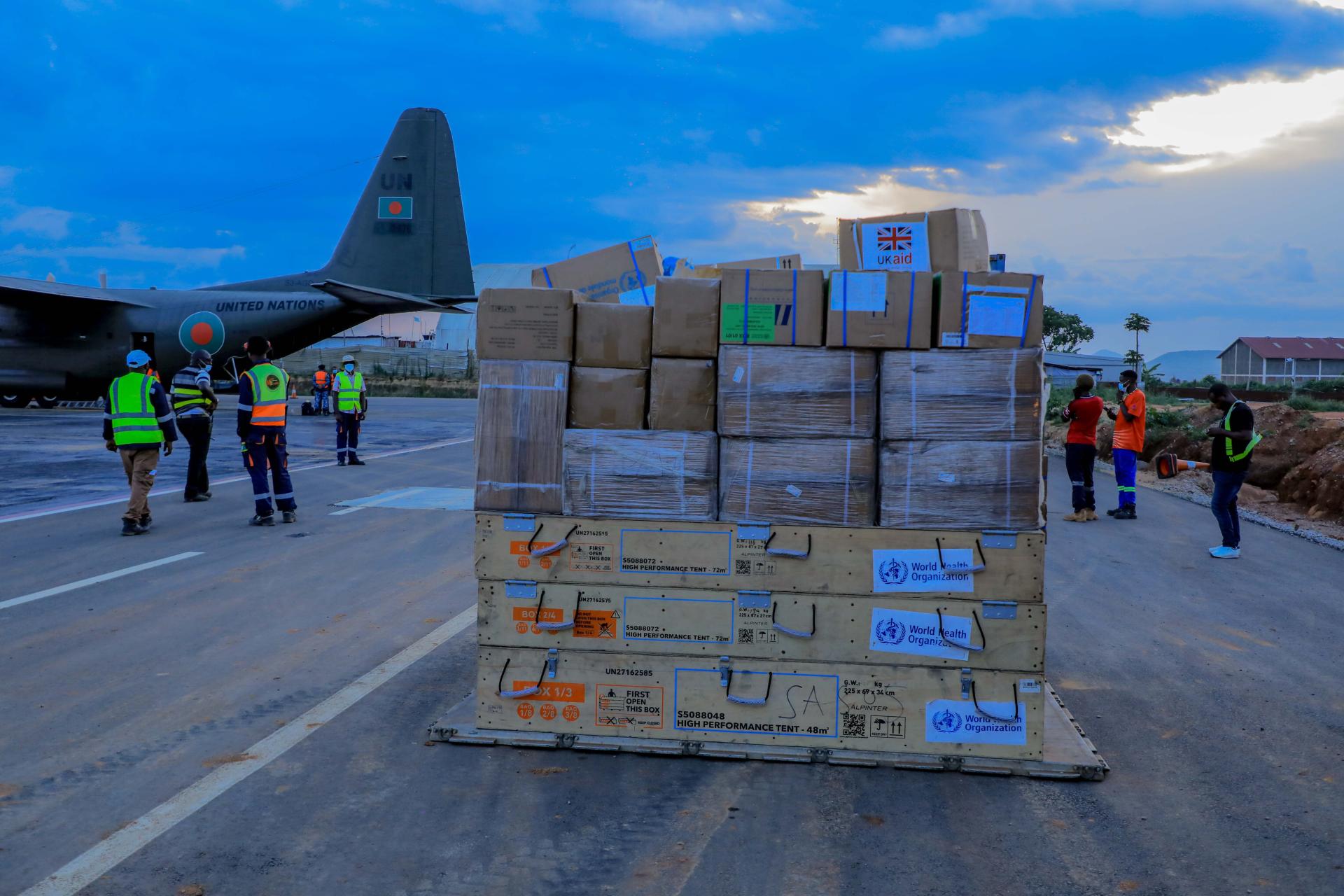
Dedicated surveillance and response cells are being established in affected and at-risk health zones to improve early detection and rapid investigation of suspected cases. Enhanced disease surveillance is being prioritized, particularly for unexplained community deaths and clusters of febrile illness. Authorities are also intensifying contact tracing and monitoring activities in affected districts and border areas to limit further spread of the virus.
IPC measures are being reinforced in healthcare facilities following reports of suspected healthcare-associated transmission and deaths among healthcare workers. Efforts include systematic mapping of health facilities, triage systems, training for health workers on IPC, improved supervision, and distribution of personal protective equipment.
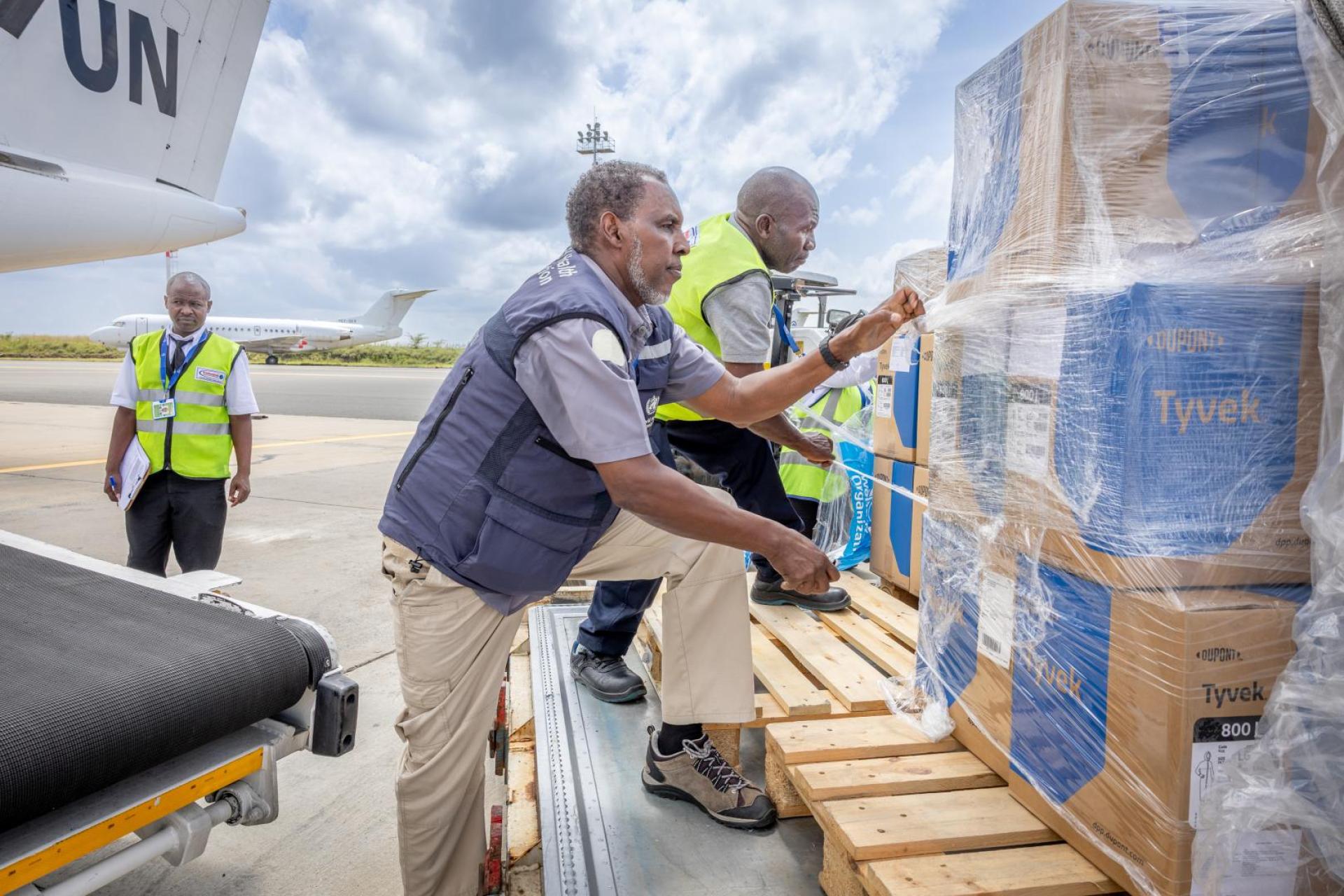
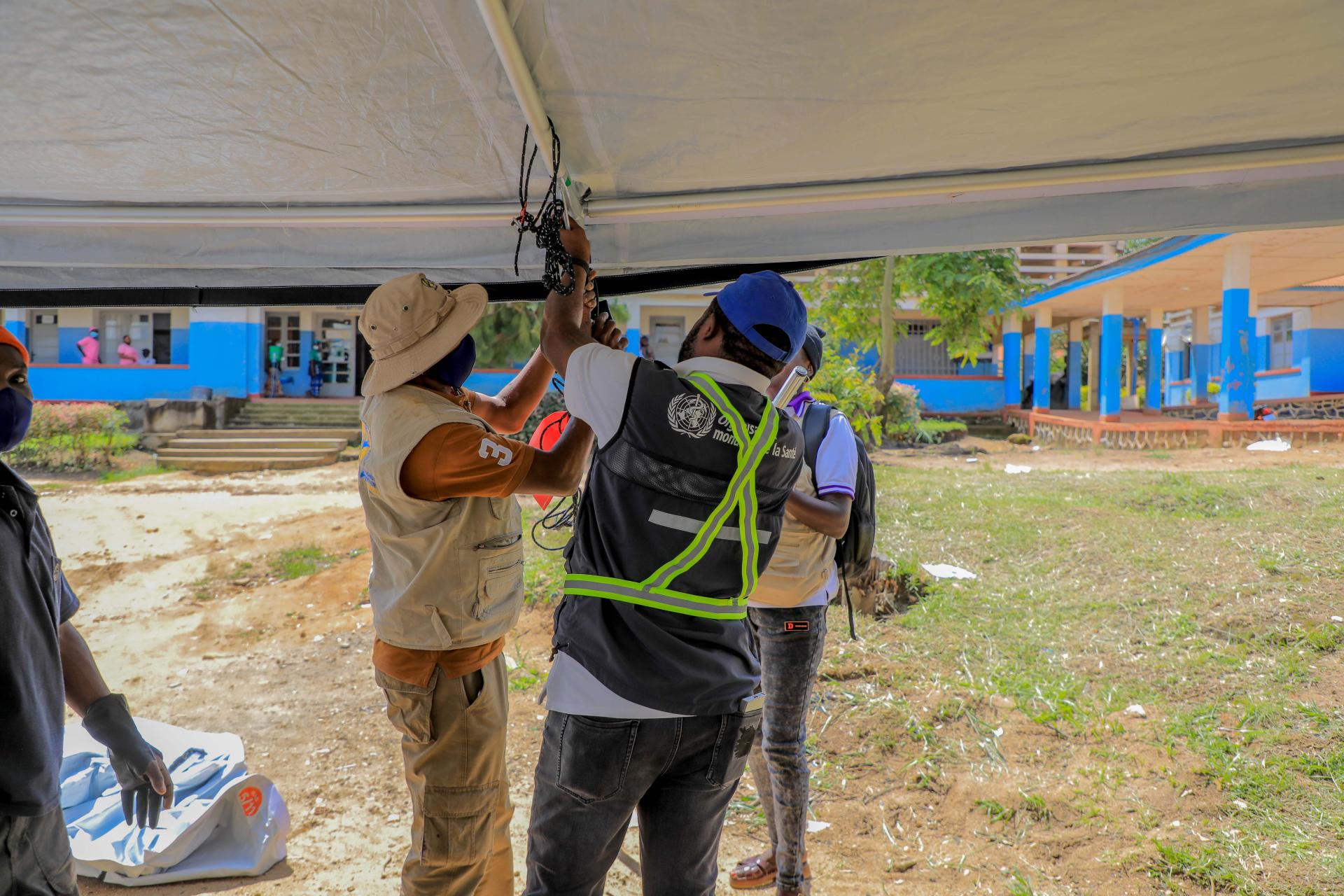
Specialized treatment centres and isolation units are being established close to outbreak epicentres to provide supportive and intensive clinical care for suspected and confirmed cases. Safe referral pathways for patients are also being strengthened to reduce transmission risks during transportation and treatment.
Cross-border collaboration is being intensified with joint preparedness measures including strengthened disease surveillance at border crossings, information sharing, rapid alert notification systems, simulation exercises and coordination of emergency response teams.
▶Vaccination & Therapeutics
At present, there are no licensed vaccines or approved therapeutics specifically targeting Bundibugyo virus disease. WHO and partners are supporting accelerated research and development efforts to evaluate candidate vaccines and investigational therapeutics. Authorities in affected and at-risk countries are being encouraged to establish regulatory approvals and operational readiness for clinical trials and emergency use of investigational countermeasures should they become available.
Preparedness activities include strengthening cold-chain systems, identifying clinical trial sites, training healthcare workers in good clinical practice, and enhancing laboratory diagnostic capacity to support future vaccine and therapeutic studies.
Latest News & Updates
Video reports from the field


Previous Emergencies in the Region
A chronological record of prior Ebola-related outbreaks. Click any entry to expand the full situation overview, response details and press coverage.