Strengthening capacity on sexual and reproductive health and rights legal and policy frameworks
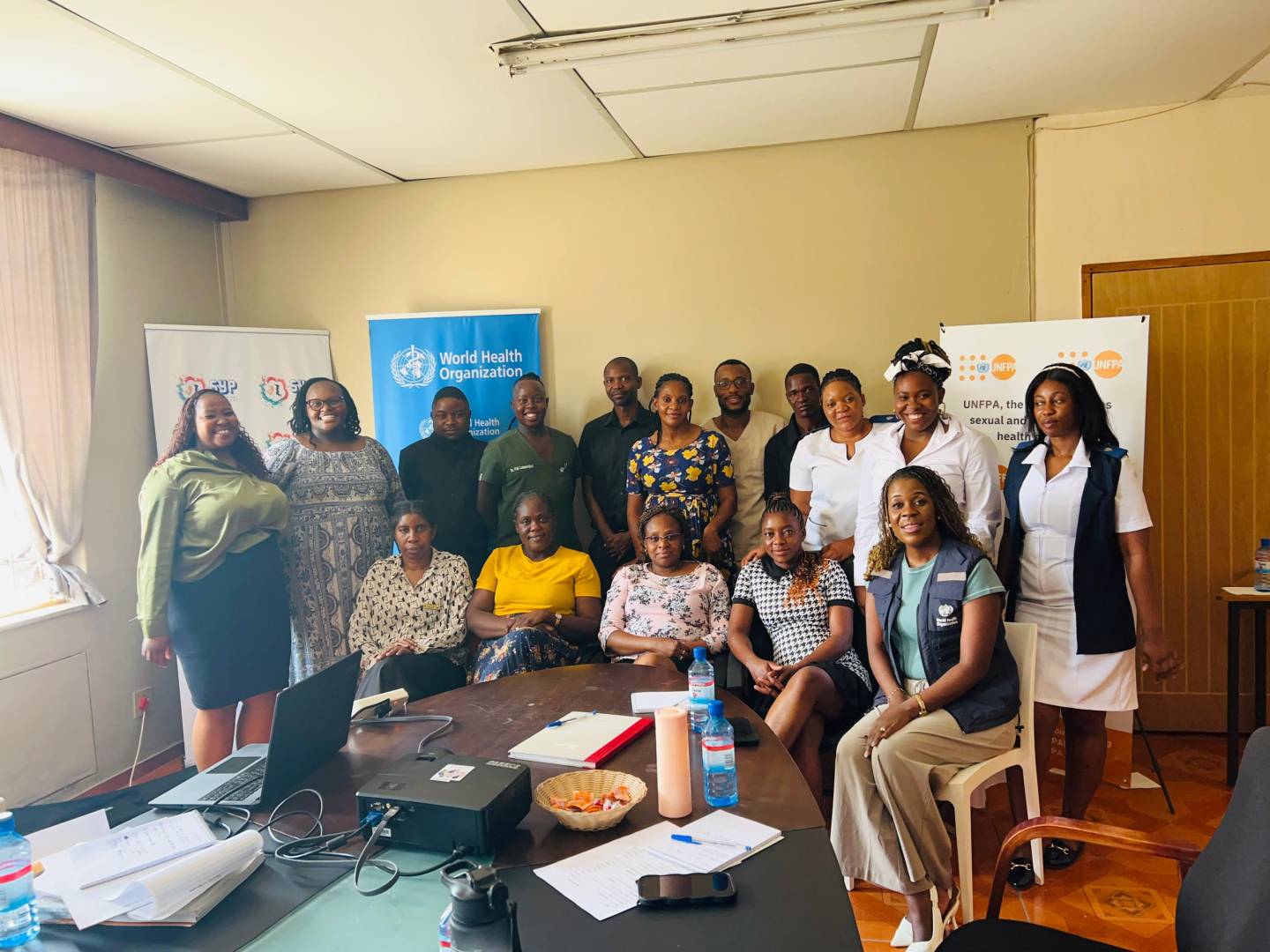
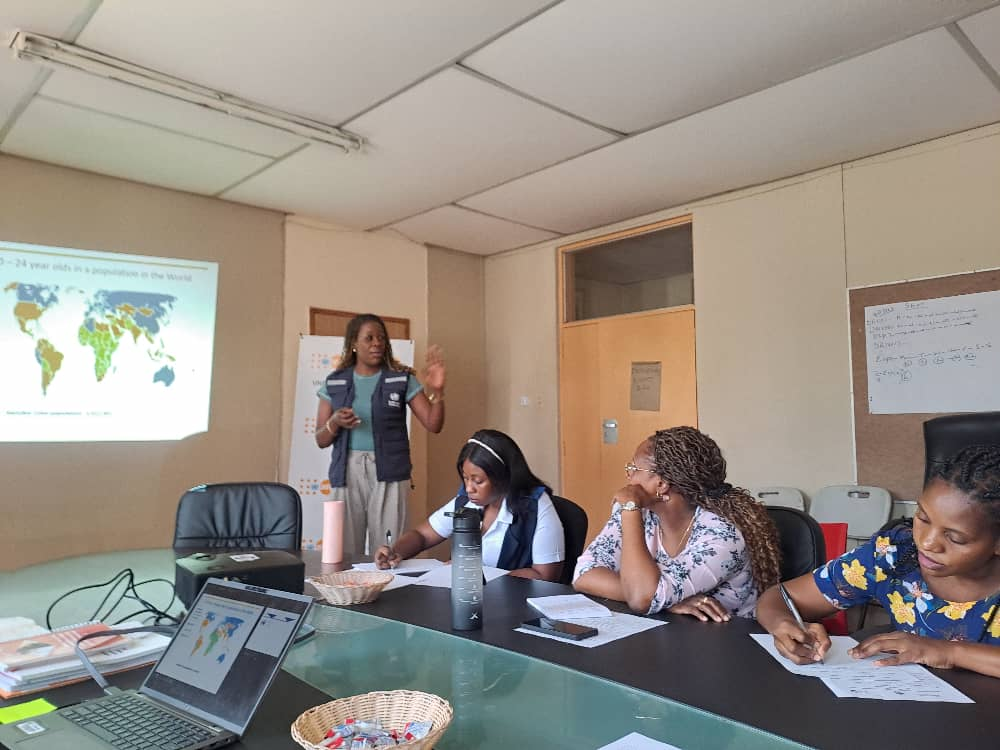
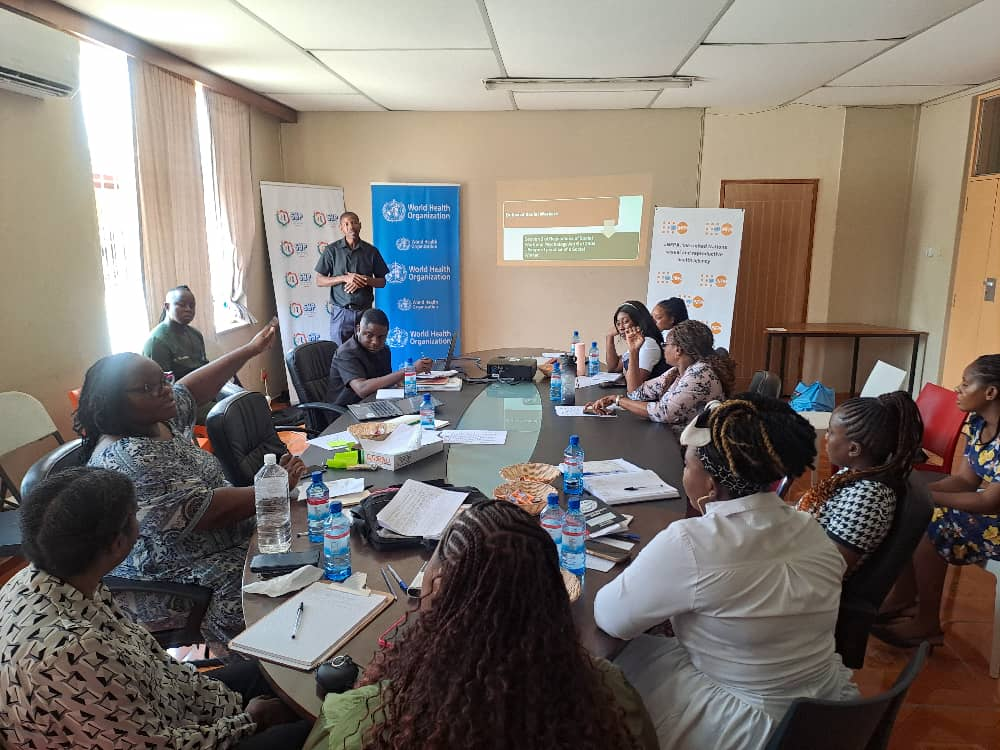
Zambezi Region—The World Health Organization (WHO), in collaboration with the United Nations Population Fund (UNFPA), supported the Ministry of Health and Social Services (MoHSS) to conduct a two-day orientation workshop in the Zambezi region. The training focused on the legal and policy framework for Sexual and Reproductive Health and Rights (SRHR) and Gender-Based Violence (GBV), from 3 - 4 November 2025. The workshop followed similar sessions held in the Kunene and Ohangwena regions during the week of 27 – 31October 2025. Across the three regions, over 60 service providers and managers have been trained. In Zambezi, the workshop aimed to strengthen the understanding of SRHR-related laws and enhance multisectoral coordination in service delivery for women, adolescents, and other vulnerable groups.
The workshop focused on improving awareness and practical application of Namibia’s key legal instruments that safeguard sexual and reproductive rights, including the Abortion and Sterilization Act (1975), Child Care and Protection Act (2015), Combating of Rape Act (2000), Combating of Domestic Violence Act (2003), and Combating of Trafficking in Persons Act (2018). Facilitators from WHO, UNFPA, MoHSS, and the Office of the Prosecutor-General provided technical guidance on the interconnections between SRHR, GBV, and child protection, emphasizing that reproductive health cannot be achieved without upholding human rights, gender equality, and protection from violence.
In his welcoming remarks, Dr Woita Kapumburu, Director of Health for the Zambezi Region, thanked WHO and UNFPA for supporting this important training, noting that “Zambezi faces unique challenges related to sexual and reproductive health and rights; this training provides a strong foundation for region-specific interventions to improve reproductive-health outcomes.” His remarks underscored the importance of capacity-building as a cornerstone for strengthening local response to SRHR and GBV challenges.
Participants included social workers from the Ministry of Gender Equality, Poverty Eradication and Social Welfare, the Ministry of Defence and Veterans Affairs, and the Ministry of Health and Social Services; medical officers from Katima Mulilo Hospital, Sibinda Health Centre, and Bukalo Health Centre; nurses from the maternity and outpatient departments; Namibian Police officials; a life-skills teacher; and a civil-society organization director. This diverse representation fostered rich dialogue on the legal, health, and community dimensions of SRHR and GBV, highlighting the importance of multisectoral collaboration in addressing reproductive-health challenges in the Zambezi Region.
On behalf of WHO, Dr. Temptation Chigova emphasized the importance of evidence-driven interventions in advancing reproductive health, stating: “In 2022, the Ministry of Health and Social Services, with support from WHO and UNFPA, conducted a Strategic Assessment on Contraception, Unintended Pregnancy, and Unsafe Abortion, which identified several gaps that continue to cripple reproductive health in the nation.” She added, “WHO is excited to once again support the Ministry in implementing the recommendations of the strategic assessment aimed at closing these gaps and improving health outcomes for children, adolescents, and women”.
The training culminated in the development of a regional action plan, outlining steps for participants to raise awareness and sensitize fellow health workers, law enforcement officers, educators, and community leaders on SRHR laws and available services. The plan also prioritizes strengthening referral mechanisms, reinforcing intersectoral collaboration, and integrating SRHR and GBV awareness into community outreach programmes to ensure no woman, adolescent, or child is left behind.
The workshop concluded with renewed commitment among stakeholders to advance Namibia’s national efforts toward universal access to SRHR services, protection from violence, and improved health outcomes for women, adolescents, and children.
Communications Officer
Tel: +264-61-255121/191
Fax: +264-61-2046202
Email: Johanna.Nambahu [at] who.int (Johanna[dot]Nambahu[at]who[dot]int)