Signing of the Interministerial Commitment Memorandum Marks Historic Moment for Health in São Tomé and Príncipe
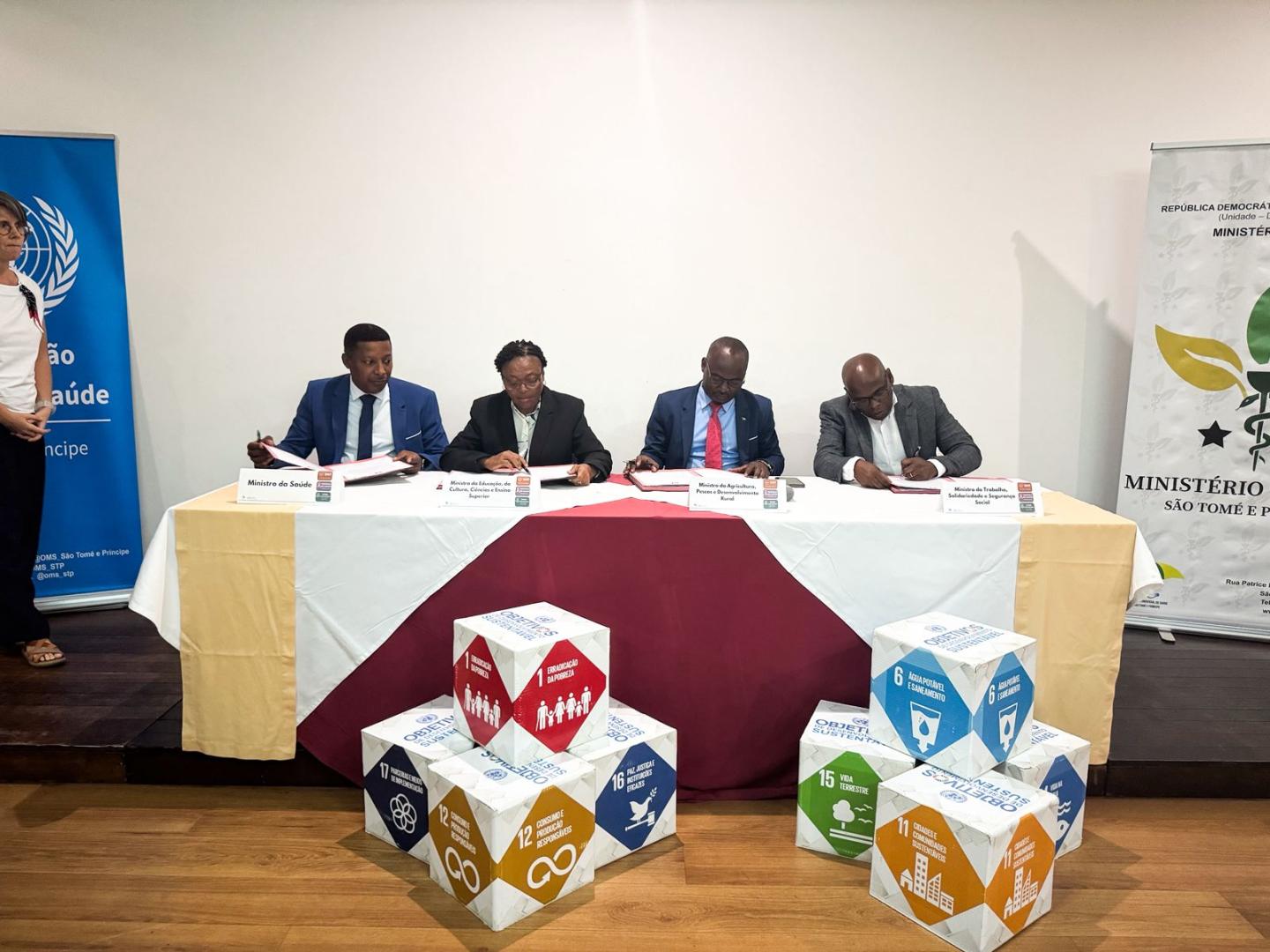
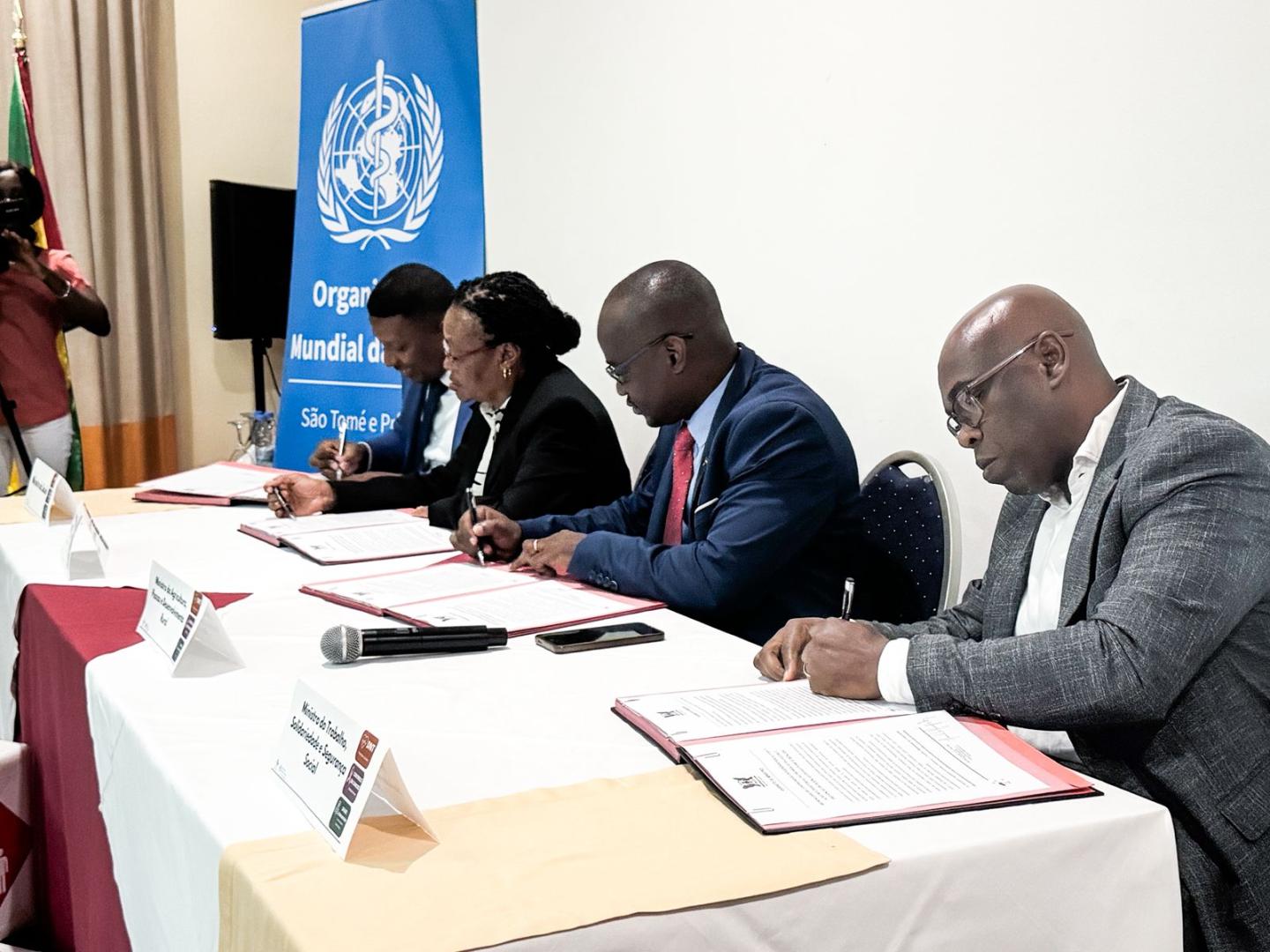
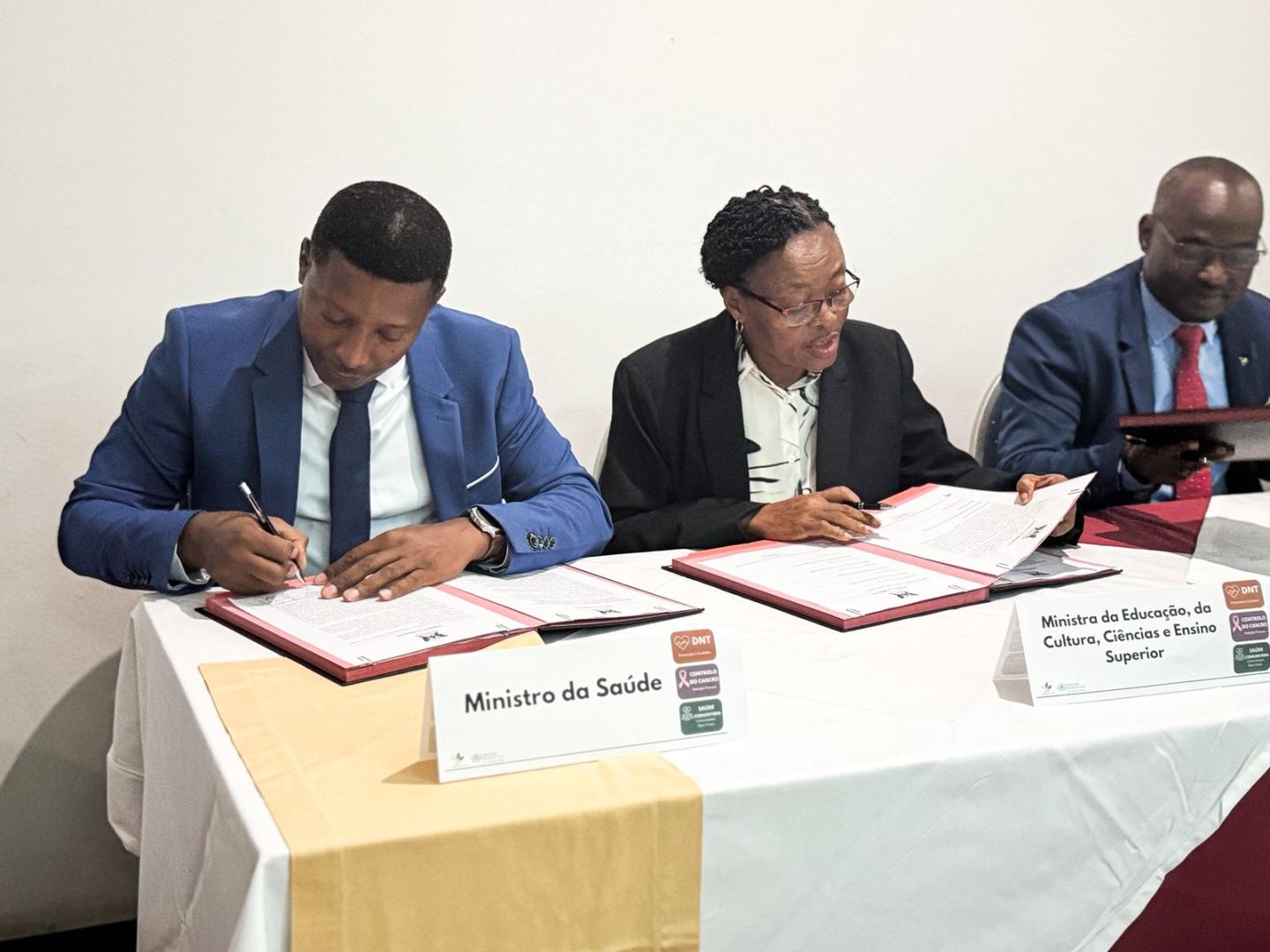
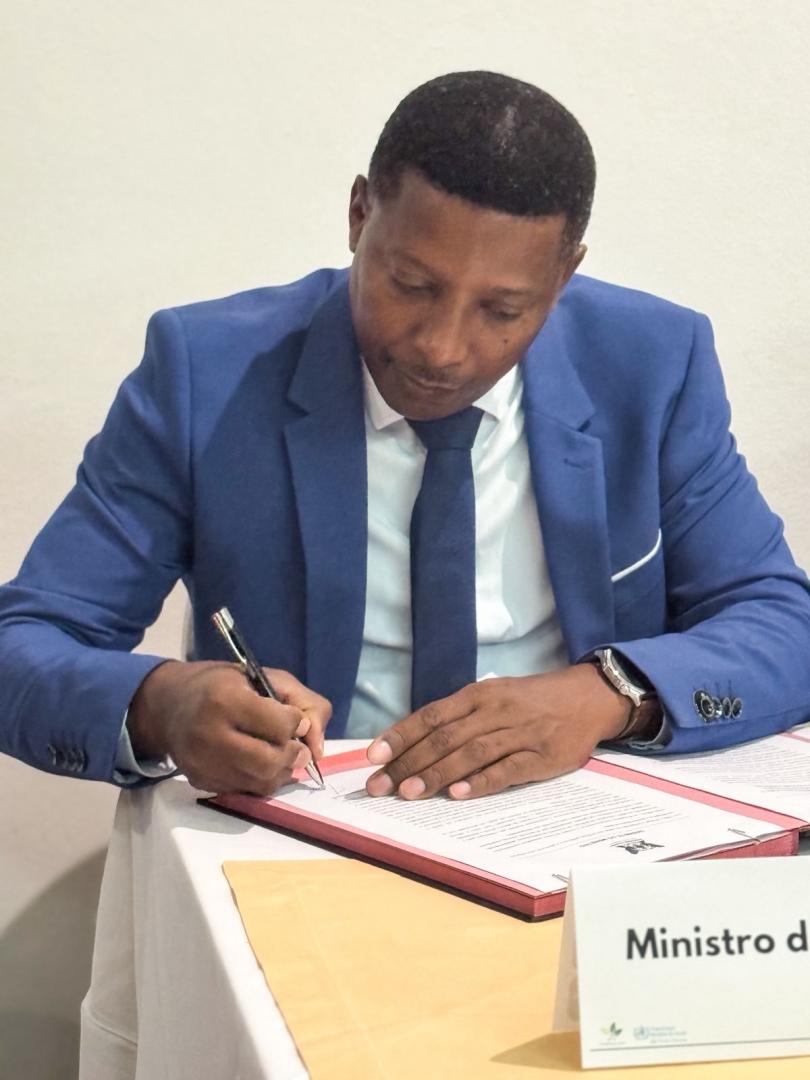
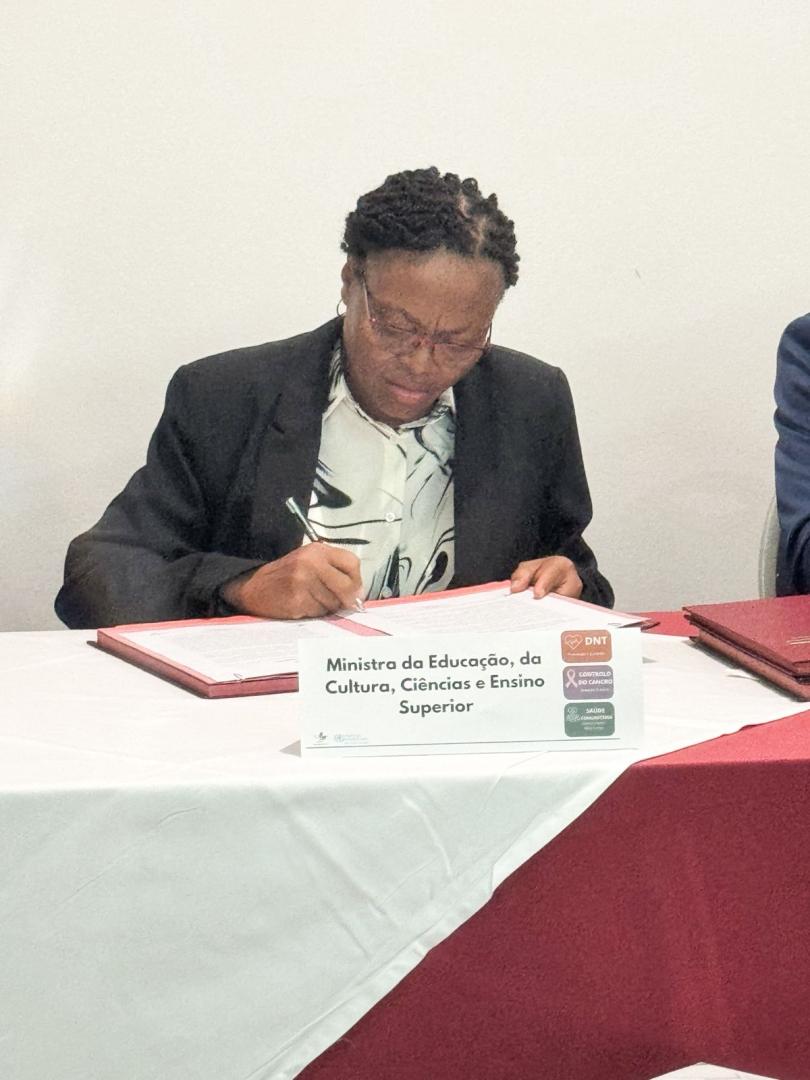
São Tomé,- 15 April, 2026 will be recorded in the history of São Tomé and Príncipe as the moment when health ceased to be an exclusive responsibility of the health sector and became a commitment assumed by the entire Government. During the launch ceremony of the three national health strategies, held at the Pestana Hotel, the Interministerial Commitment Memorandum for Multisectoral Action in Health Promotion and Disease Prevention was signed – a document that puts the principle of "Health in All Policies" into practice.
For the first time, in presence of the Prime Minister, the Ministries of Health; Education, Culture, Science and Higher Education; Environment, Youth and Sustainable Tourism; Infrastructure and Natural Resources; Agriculture, Fisheries and Rural Development; and Labor, Solidarity and Social Security came together to formally commit to recognizing that health is built far beyond hospitals and health centers. The signed memorandum is based on the key finding, supported by scientific evidence, that around 80% of health determinants lie outside the health sector. Water quality, food, education, the environment, housing, urban planning, and working conditions, all have a significant influence on the population's health.
The document, which enters into force on the date of its signature and remains valid until 2030, establishes concrete commitments for each sector. The Ministry of Education commits to promoting health education and healthy school environments. The Ministry of Environment commits to reducing environmental risks and promoting healthy lifestyles, especially among young people. The Ministry of Infrastructure commits to ensuring equitable access to safe drinking water, safe sanitation, and health-promoting infrastructure. The Ministry of Agriculture commits to promoting sustainable food systems and safe, nutritious food. The Ministry of Labor, Solidarity and Social Security, meanwhile, commits to strengthening social protection and reducing the inequalities that affect health.
To ensure the effective implementation of this commitment, the memorandum provides for the establishment of a Multisectoral Action Committee for Health Promotion and Disease Prevention. This committee will function as a central governance mechanism, coordinating activities across sectors and ensuring the definition of joint priorities, the implementation of coordinated actions, and the monitoring of results.
The signing of this memorandum marks a significant shift in health governance in São Tomé and Príncipe. It shifts the focus from a fragmented, sector-specific approach to an integrated, collective response. It shifts the focus from diseases to people, with an emphasis on social determinants. As the Prime Minister highlighted during the ceremony, "It changes the way we govern, the way we invest and, above all, the way we take responsibility."
With this act, São Tomé and Príncipe is aligning itself with the best international practices promoted by the World Health Organization, taking a decisive step towards facing the country's main public health challenge: noncommunicable diseases, which are already responsible for 70% of deaths. The memorandum is not just a political document. It is the institutional foundation for coordinated, sustainable action with clear targets, placing health at the center of the country's development agenda, and ensuring that no one is left behind.
WHO Sao Tome and Principe
Email: afonsoe [at] who.int (afonsoe[at]who[dot]int)