Strengthening Zambia’s public health: WHO walk-through at UTH virology laboratory
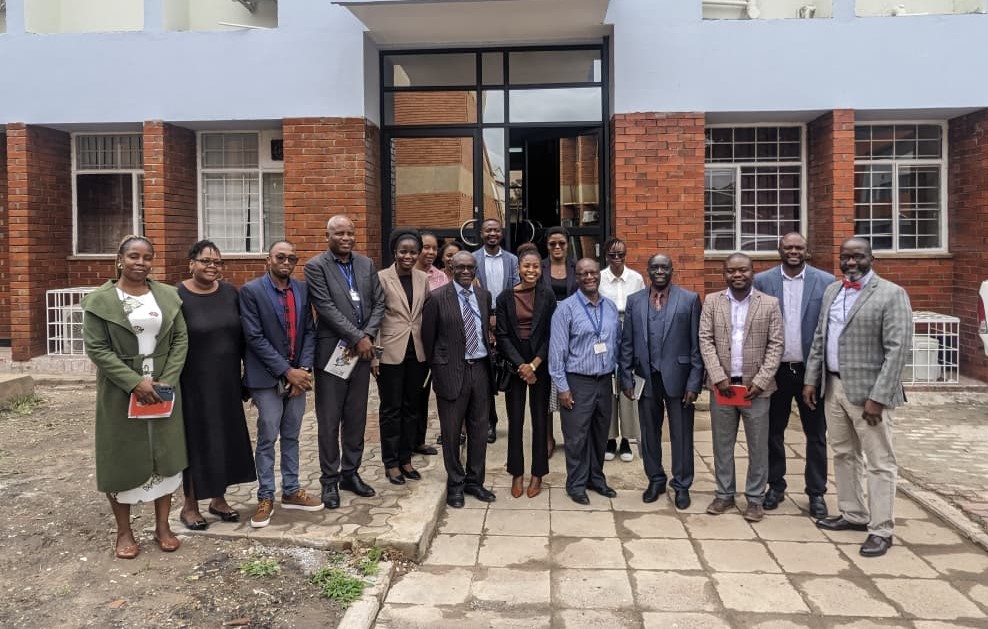
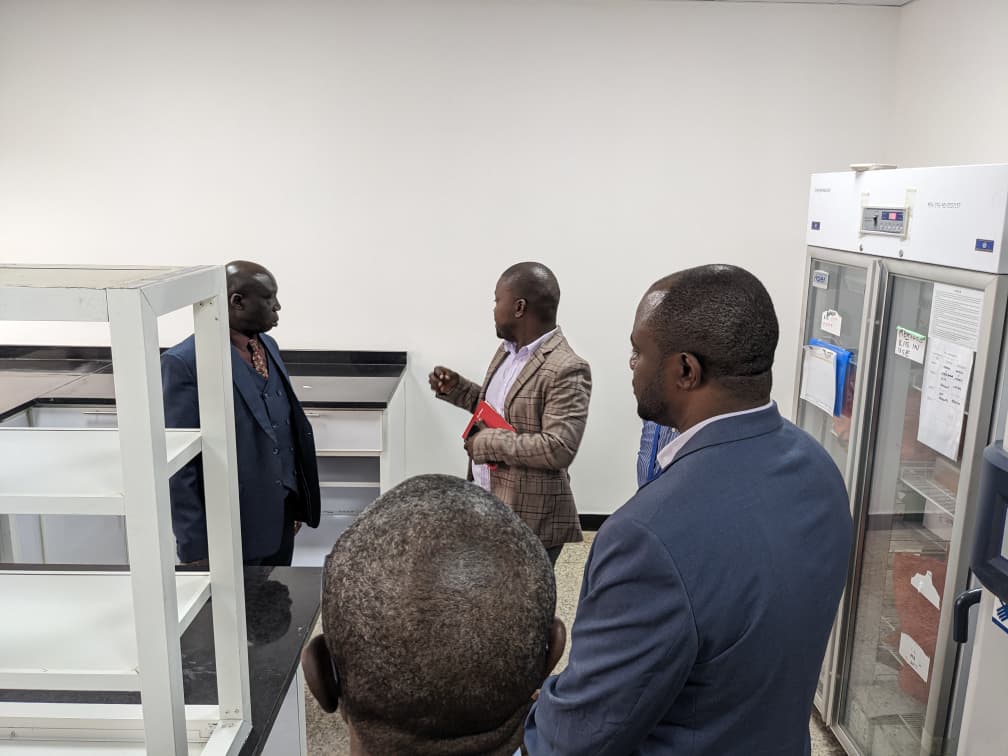
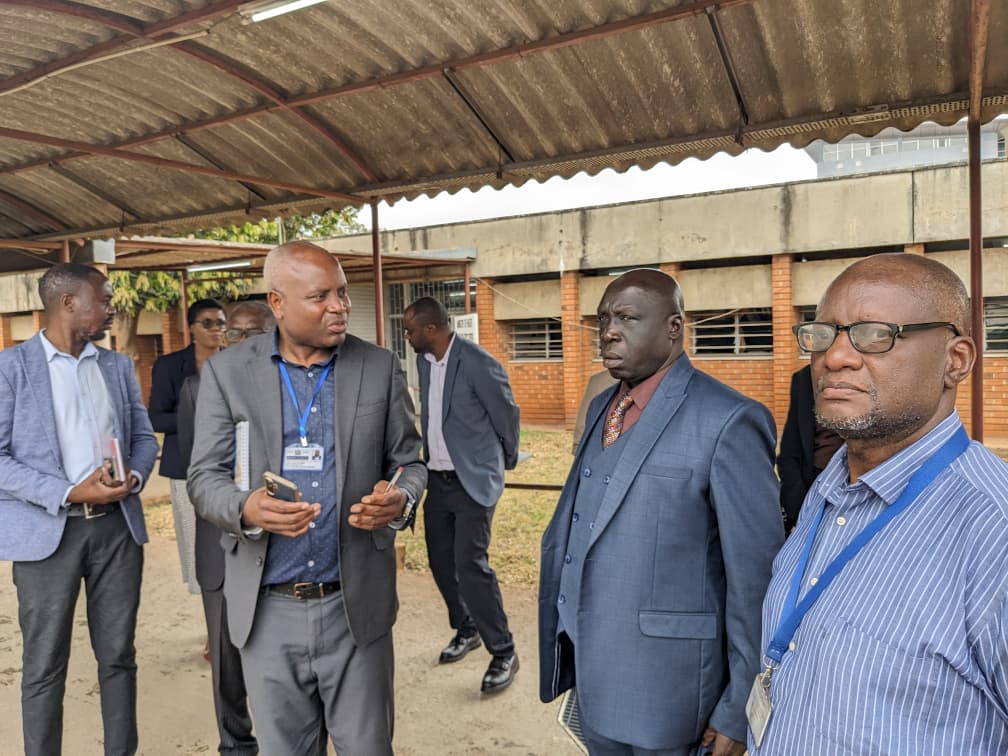
On 13 November 2025, the WHO Country Office in Zambia led a walk-through visit to the Virology Laboratory at the University Teaching Hospital (UTH) in Lusaka. The visit, attended by WHO Country Representative, Dr Clement Peter Lasuba, WHO staff from the EPI cluster, the GPEI Coordinator, and representatives from the Ministry of Health’s Laboratory Services, aimed to review progress on the refurbishment of the National Polio Laboratory, a cornerstone of Zambia’s disease surveillance and outbreak preparedness.
The UTH Virology Laboratory plays a critical role in Zambia’s health security. It serves as the national facility for the Polio Eradication Programme and the National Influenza Centre, while also supporting routine surveillance for measles, rubella, rotavirus, and yellow fever. Its strategic importance is amplified by Zambia’s geographic position, sharing borders with countries that continue to report circulating vaccine-derived polioviruses (cVDPVs). Rapid detection and response are essential to maintain Zambia’s polio free status and prevent potential outbreaks.
The refurbishment project, implemented by eHealth Africa with WHO support and Gates Foundation funding, is now 98% complete. Civil works on both floors have progressed well, though adjustments, such as separating environmental and acute flaccid paralysis (AFP) laboratory spaces and adding extraction and amplification rooms, extended the timeline. Wider door installations and consideration for a P3 laboratory remain pending, with the latter seen as vital for handling high-risk pathogens under the One Health framework.
The upgraded facility will soon integrate genomic sequencing capabilities using MinIon technology, positioning Zambia within the Global Polio Laboratory Network’s sequencing network. This advancement will significantly enhance outbreak investigation and response capacity.
While the laboratory is equipped with essential instruments like PCR machines and biosafety cabinets, some equipment procured through eHealth Africa and WHO has yet to arrive, raising concerns about meeting handover timelines. Additional needs include backup power solutions, air conditioning, and replacement of aging centrifuges. Human resource gaps were also noted, with only two full-time staff currently available despite anticipated workload increases from expanded sequencing and wastewater-based surveillance.
WHO emphasized the importance of capacity building and securing additional staff positions. Several experienced professionals, previously let go due to funding cuts, are volunteering at the lab and could be considered for permanent engagement to sustain operations.
The visit concluded with recommendations to expedite equipment delivery, strengthen staffing, and finalize minor facility adjustments. Once completed, the refurbished laboratory will stand as a strategic investment in Zambia’s public health infrastructure, reinforcing the country’s commitment to polio eradication and broader disease surveillance.
Communications Officer
World Health Organization Country Office, Zambia
Email: kapemak [at] who.int (kapemak[at]who[dot]int)