Strengthening Zambia’s praziquantel supply chain: A joint assessment mission
Neglected Tropical Diseases (NTDs) affect over a billion people globally, with schistosomiasis, an acute and chronic disease caused by parasitic worms, remaining a major public health concern in sub-Saharan Africa. Praziquantel, the medication used to treat these infections, donated by Merck through WHO’s drug donation programme, is the cornerstone of Zambia’s fight against schistosomiasis. But challenges in ordering and distribution have led to stock imbalances, expiry risks, and delays in mass drug administration campaigns, threatening the sustainability of the programme.
From 30 June to 4 July 2025, WHO AFRO through ESPEN, in partnership with Merck and the Ministry of Health, conducted a comprehensive supply chain assessment. The team included WHO AFRO/ESPEN supply chain experts, Merck consultants, WHO Zambia NTD focal point officer, and Ministry of Health officials. The goal was to review processes for forecasting, ordering, distributing, and reporting on donated praziquantel, and identify opportunities to strengthen accountability and efficiency.
“We needed to understand where the gaps are, from the central warehouse to the last mile,” said Ms Namuchile Kaonga, WHO AFRO/ESPEN Supply Chain Management Officer. “This mission is about ensuring every donated tablet reaches the people who need it most.”
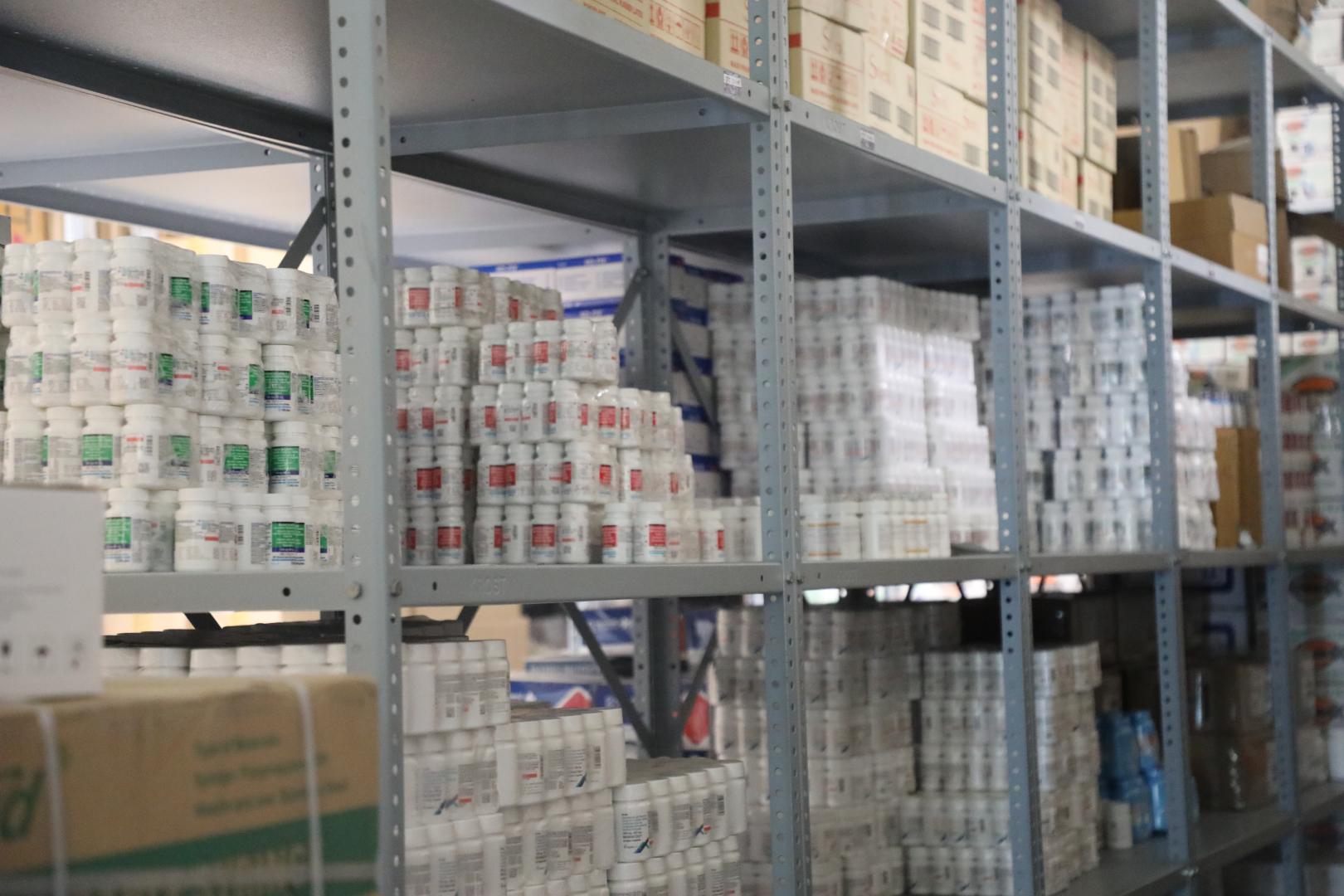
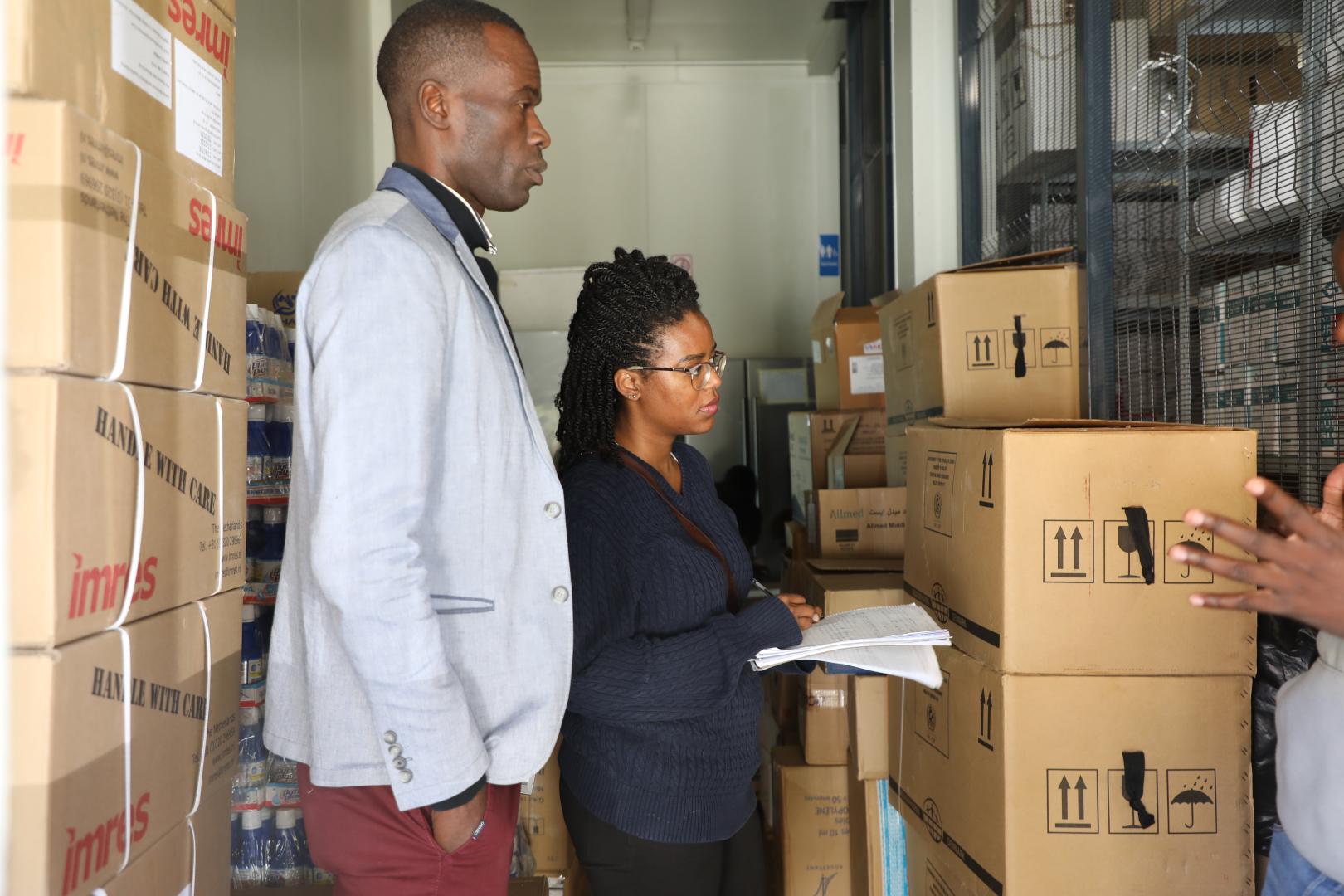
The mission adopted a mixed-methods approach, combining interviews with national stakeholders, document reviews, and site visits to national and sub-national warehouses and high-burden implementation sites. At Kabwe district warehouse, a supply chain officer shared his reality: “Sometimes we receive medicines close to expiry. It’s stressful because we want to help communities, but without proper forecasting, we risk wastage.”
Field visits revealed both progress and gaps: while some facilities maintained accurate registers, others struggled with delayed reporting and incomplete data. These weaknesses affect Merck’s global manufacturing forecasts and Zambia’s ability to plan timely mass drug administration campaigns. Accurate data emerged as a critical theme. “Data is our compass,” noted Namuchile Kaonga. “Without it, we’re navigating blind, improved reporting systems will not only prevent wastage but also ensure equitable distribution to remote communities,” she noted.
The mission produced a report documenting praziquantel inventory at national and sub-national levels, identifying gaps in treatment and inventory reporting, mapping stakeholder roles and responsibilities, and developing an action plan to strengthen supply chain performance and promote national ownership. “This is not just about praziquantel, it’s about building resilient systems that serve communities equitably.”
As Zambia moves forward, the message is clear, collaboration saves lives. With continued support from donors, partners, and the Ministry of Health, the country is on track to ensure every tablet reaches the last mile, because nobody should miss treatment due to supply chain gaps.

Communications Officer
World Health Organization Country Office, Zambia
Email: kapemak [at] who.int (kapemak[at]who[dot]int)