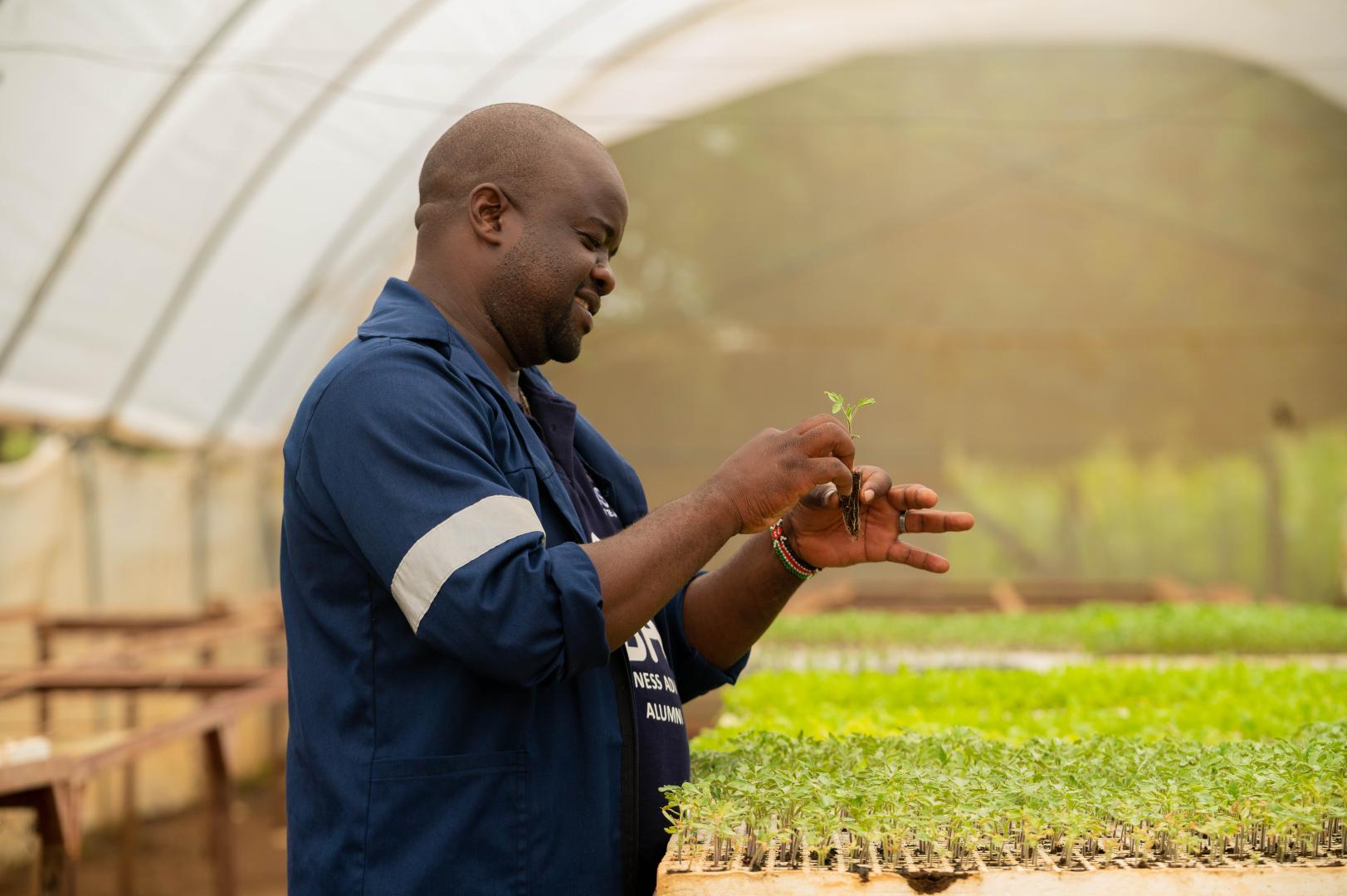
Sowing seeds of change: Supporting farmers to grow beyond tobacco
In the lush fields of Chipangali, in Eastern Province, farmers who once depended on tobacco for their livelihoods are now exploring healthier, more sustainable alternatives, thanks to a bold initiative led by the World Health Organization and the World Food Programme, in partnership with Zambia’s Ministries of Health and Agriculture.
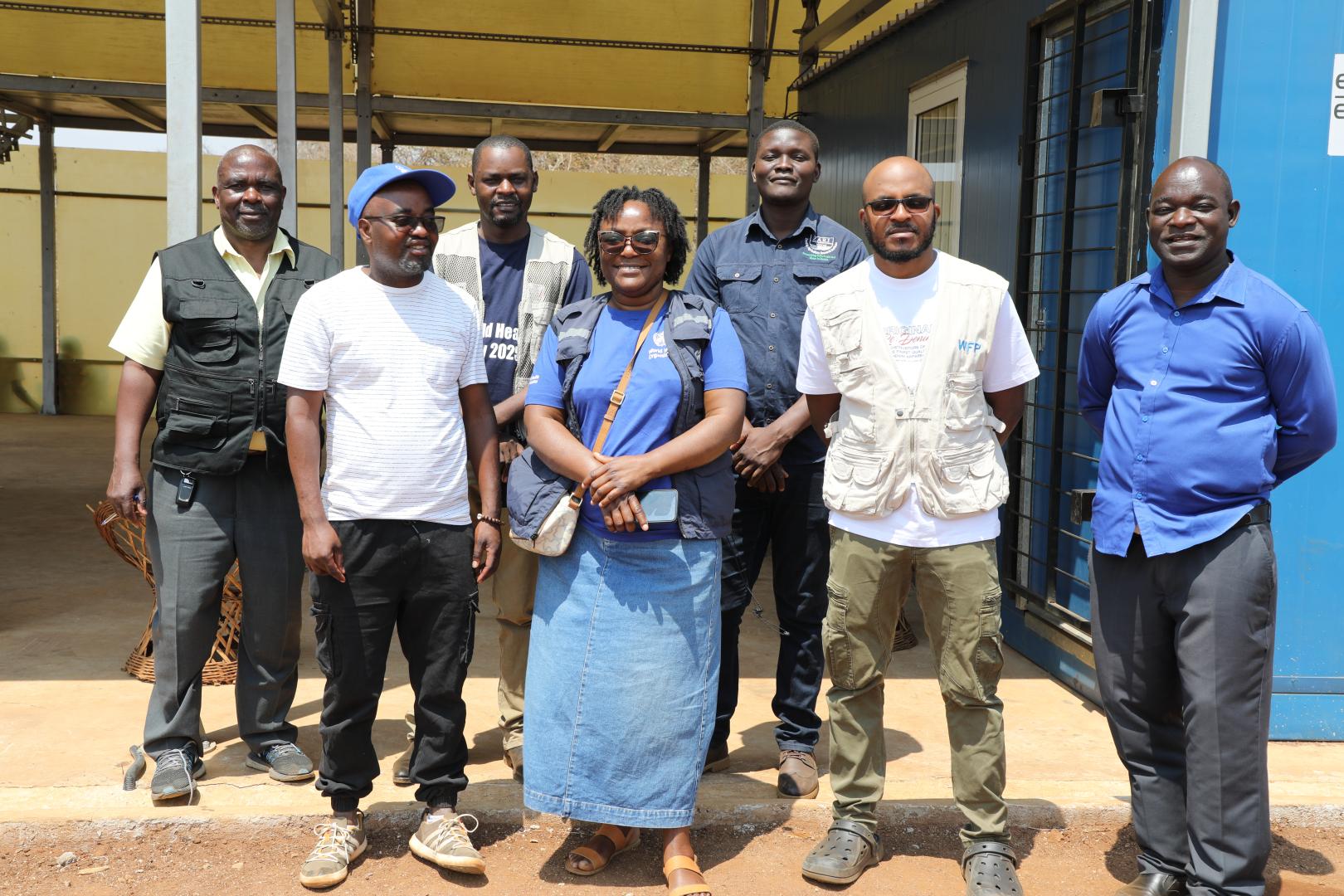
From 22 to 29 September 2025, a joint supervisory mission was carried out to monitor progress on the Alternative Livelihoods to Tobacco Growing (ALTTG) Project. This quarterly visit brought together teams from WHO, government ministries, civil society organizations, and media partners to assess how far the project has come, and where it’s headed next.
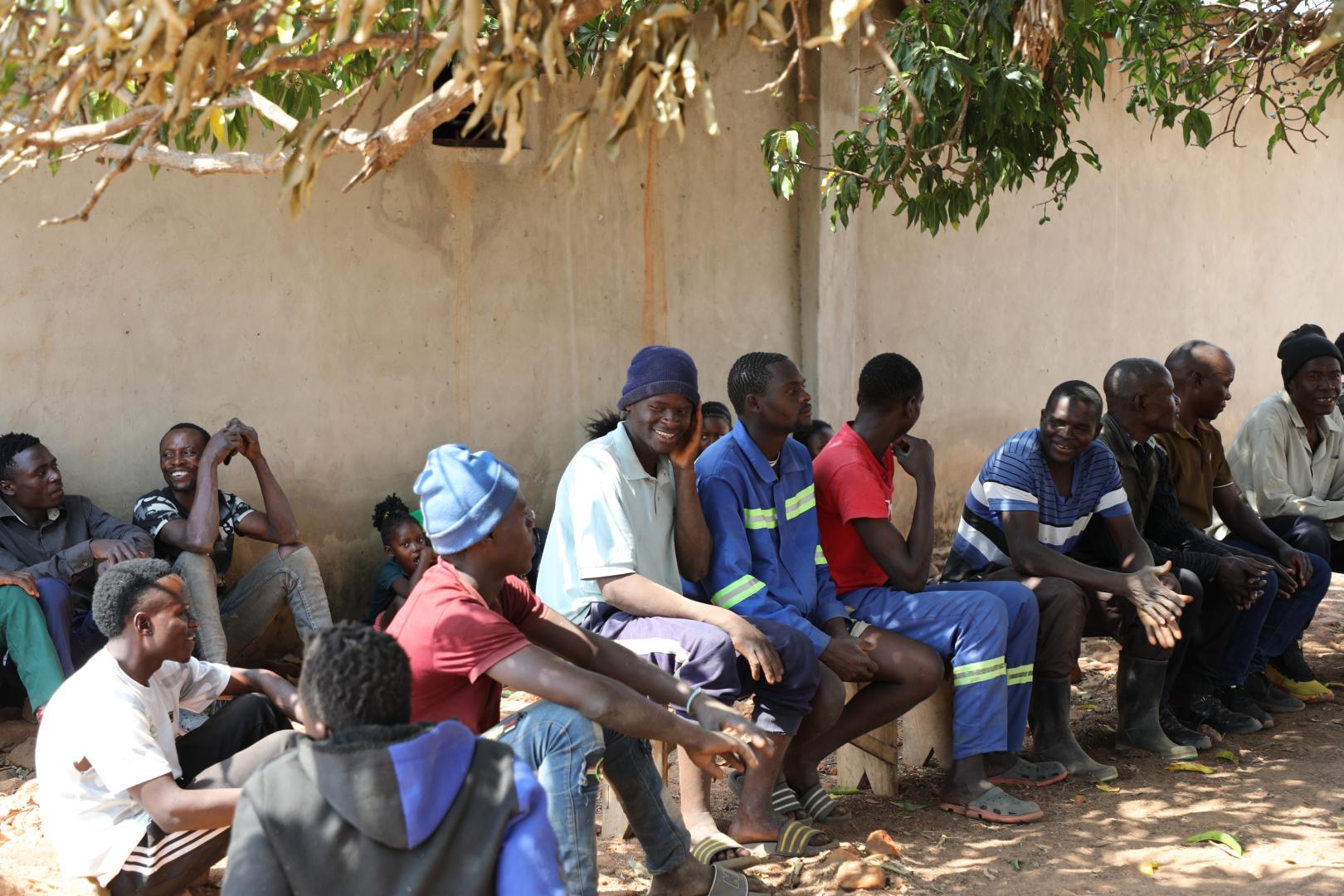
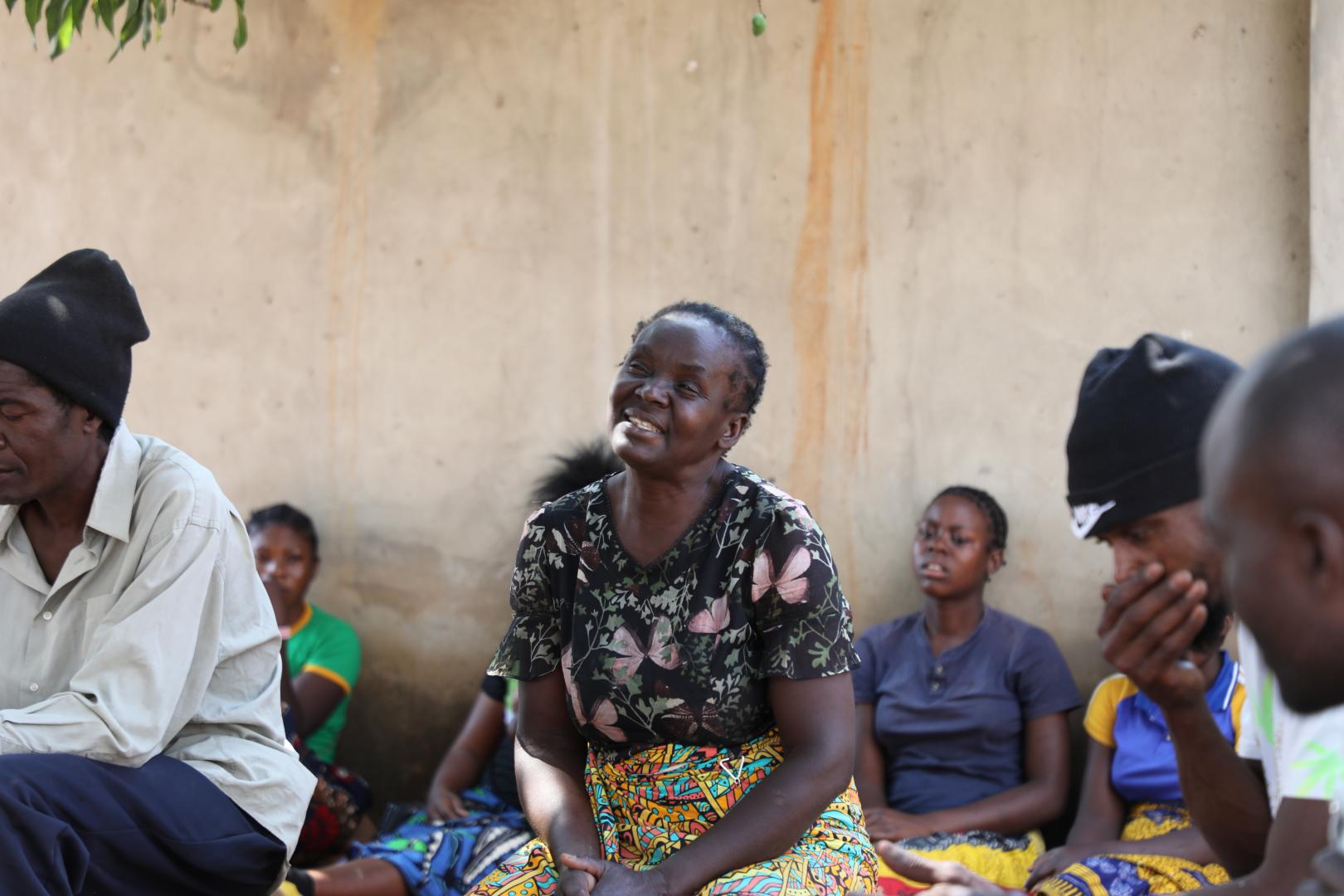
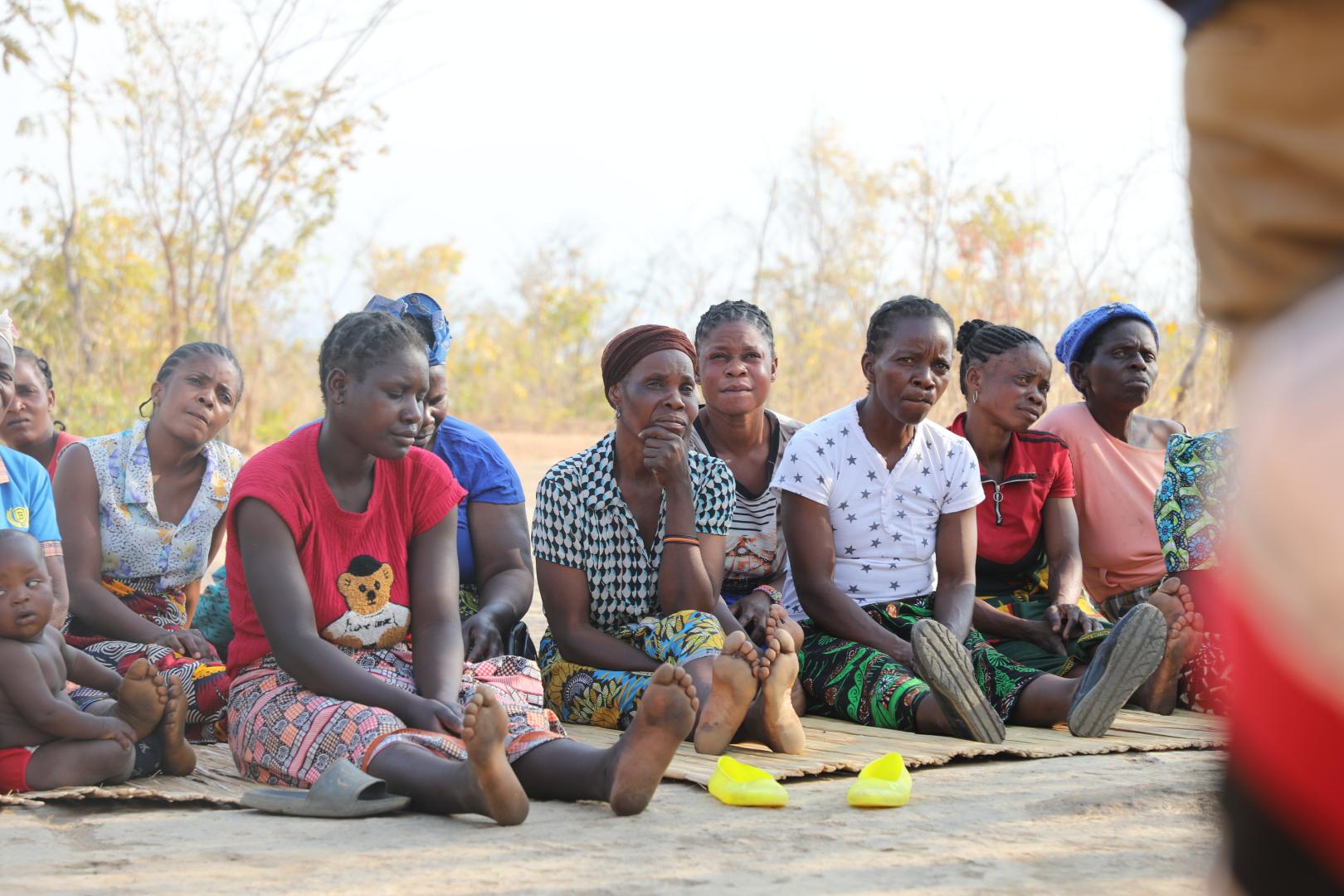
The mission wasn’t just about numbers and reports. It was about people. It was about listening to farmers, learning from their experiences, and understanding the challenges they face as they transition away from tobacco. It was about strengthening partnerships, engaging traditional leaders like Chief Chanje, and exploring new collaborations to ensure the project’s long-term success.
Health remains at the heart of this transformation. Meetings with district health teams focused on how to better prevent and treat tobacco-related illnesses, and how to create supportive environments for tobacco cessation. Plans are underway to train healthcare workers and establish cessation programs in key health facilities across Chipangali.
The mission also spotlighted the power of community. With the project expanding to three new camps and aiming to reach 2,500 transitioned farmers by the end of 2026, the role of local leadership, especially traditional chiefs, has never been more critical. Their support is proving essential in mobilizing communities and ensuring the project’s impact is felt far and wide.
Civil society organizations like AMREF, Hunger Project, Nyenyezi, and Kachele Trust joined the mission, bringing fresh perspectives and renewed energy. Media partners, including Breeze FM, explored ways to amplify the project’s visibility and share its success stories with a wider audience.
As the mission wrapped up, one thing was clear: this is more than a project. It’s a path of movement toward healthier communities, empowered farmers, and a future where livelihoods are no longer tied to a crop that harms both people and the planet.
Communications Officer
World Health Organization Country Office, Zambia
Email: kapemak [at] who.int (kapemak[at]who[dot]int)