Prudential, WHO partnership: Solar electrification completed in eight health facilities
Zambia has reached a significant milestone in its efforts to strengthen health systems and improve service delivery by ensuring health facilities have access to sustainable electricity. Launched in February 2024, the Health Facility Solar Electrification (HFSE) Project aims to provide reliable and renewable energy to health facilities, particularly in rural and hard-to-reach areas. Electricity is essential for critical services such as vaccine storage, maternal care, and emergency response. In Zambia, the project targets more than 200 health facilities, with additional support from Prudential Zambia enabling solar installations in eight more sites.
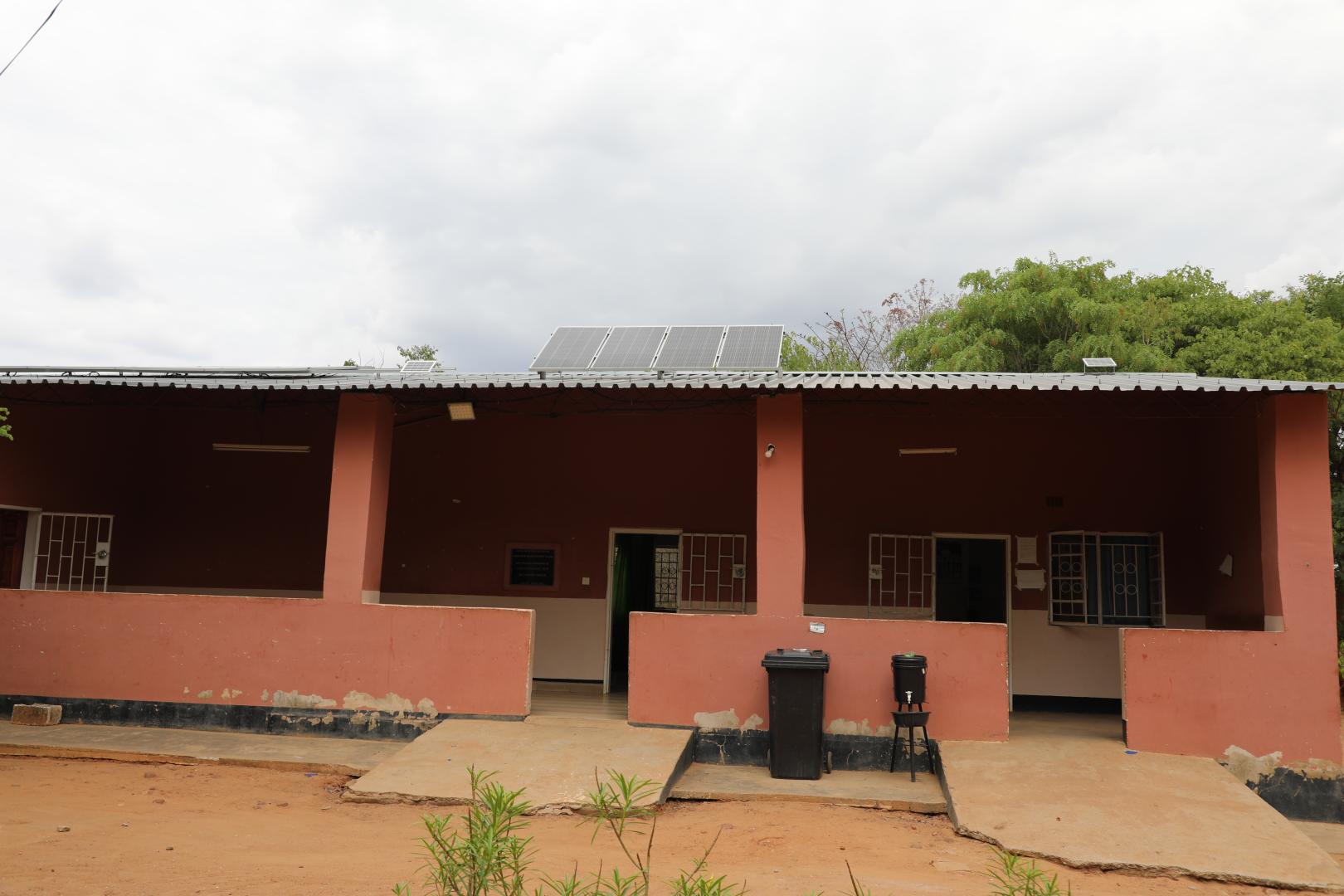
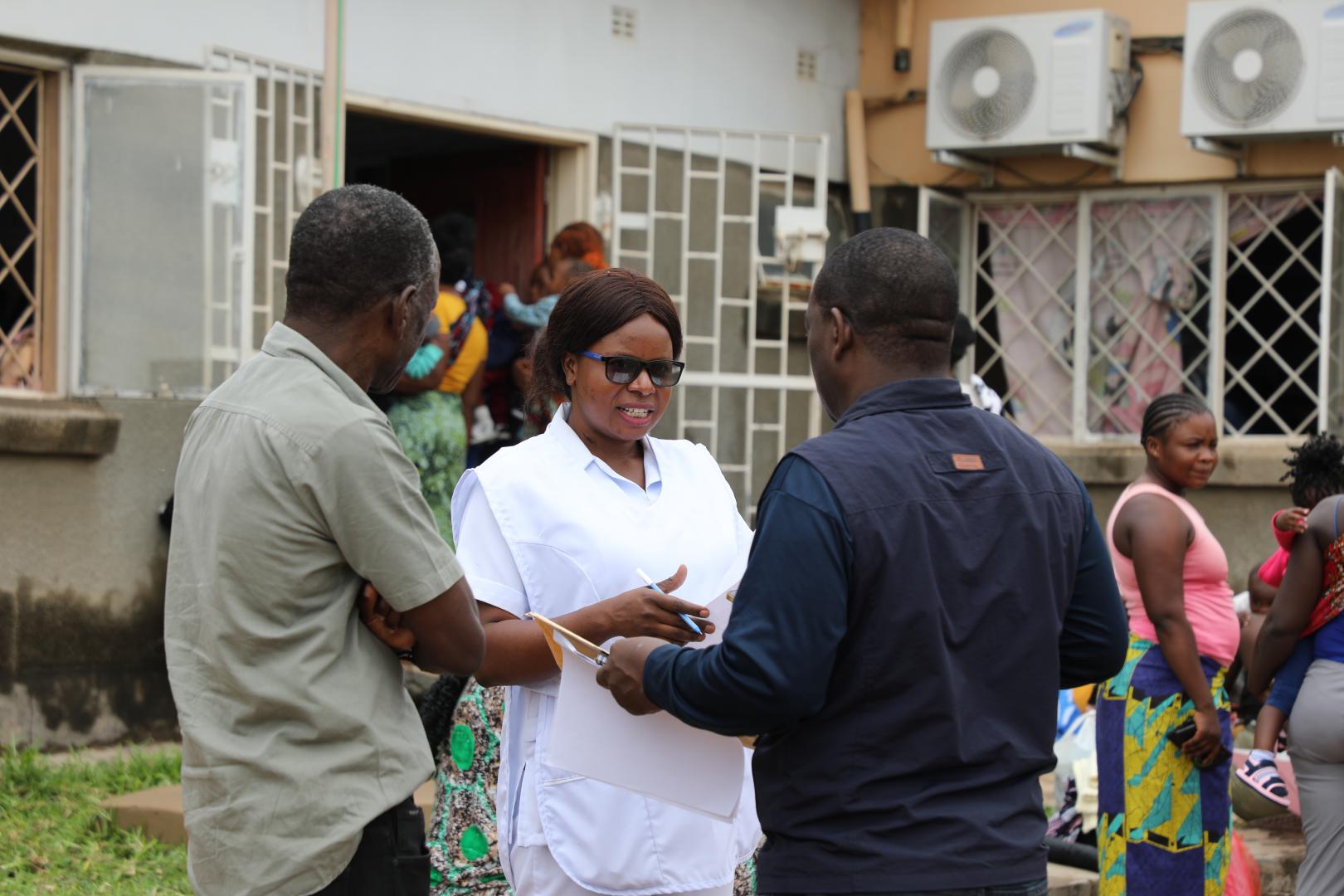
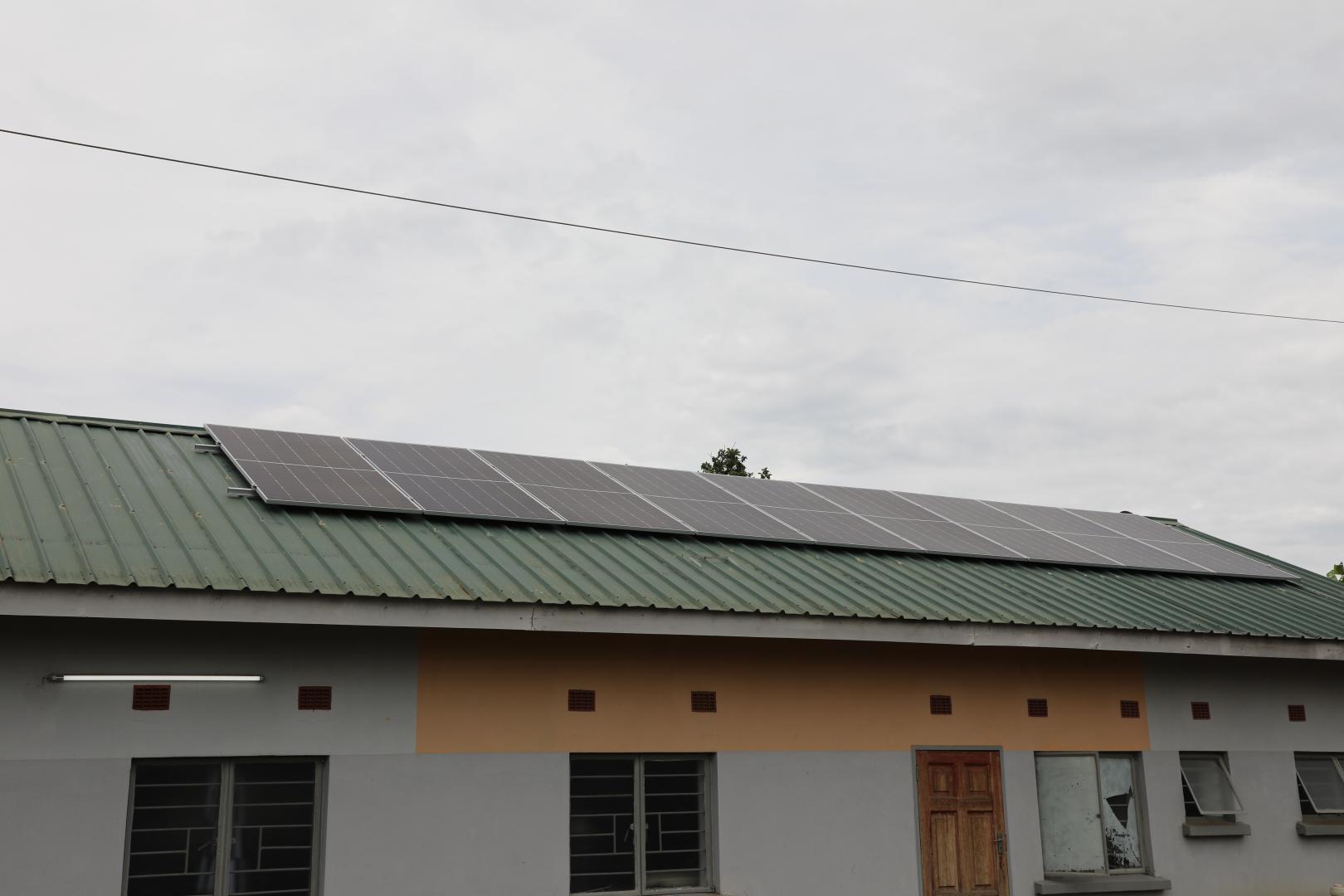
Thanks to Prudential Zambia’s generous contribution, eight health facilities across Lusaka, Central, and Copperbelt provinces have been successfully equipped with solar power systems. Between 10 and 15 November 2025, a joint WHO–Ministry of Health monitoring team visited these facilities to verify installation quality, assess user training, and ensure compliance with technical standards.
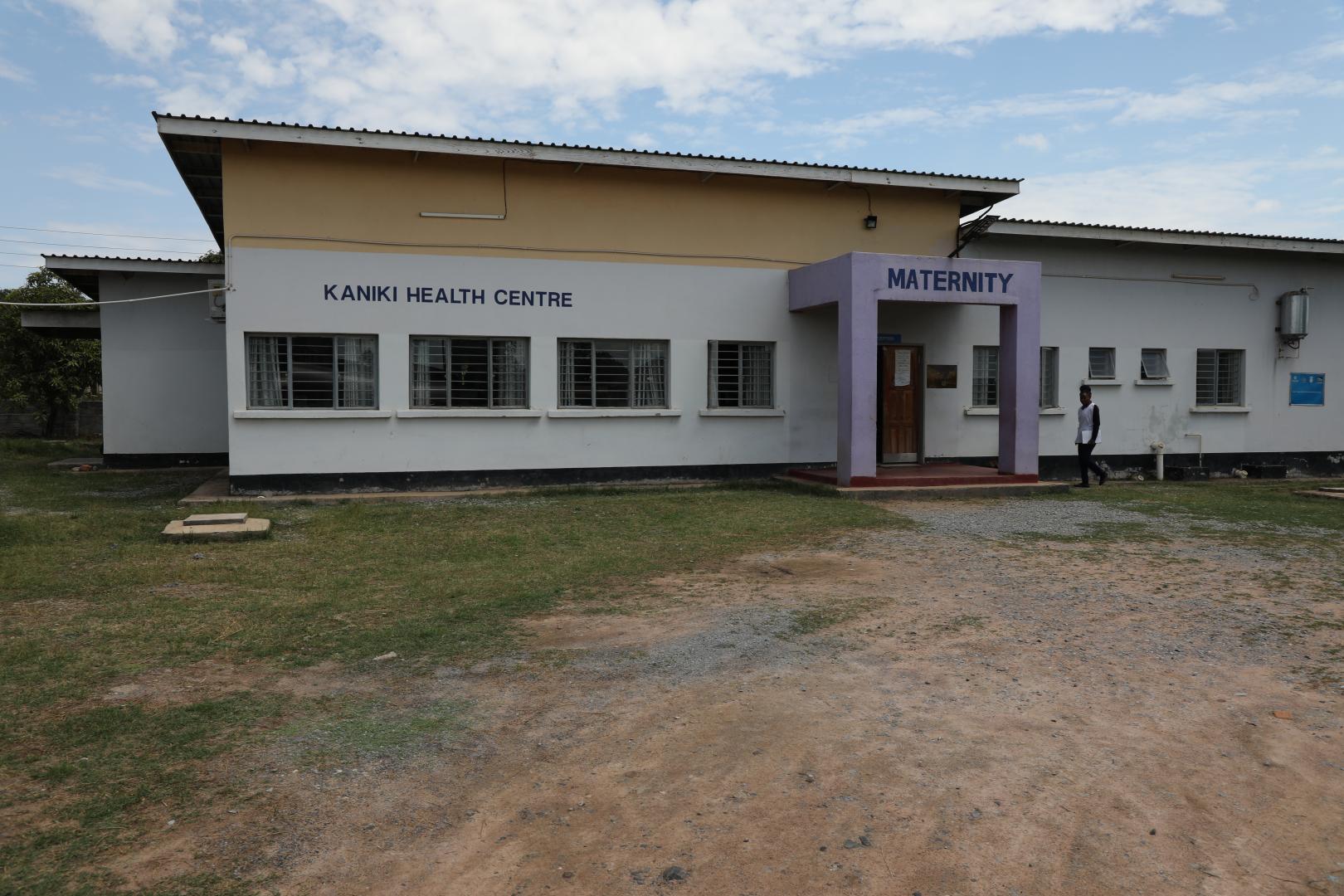
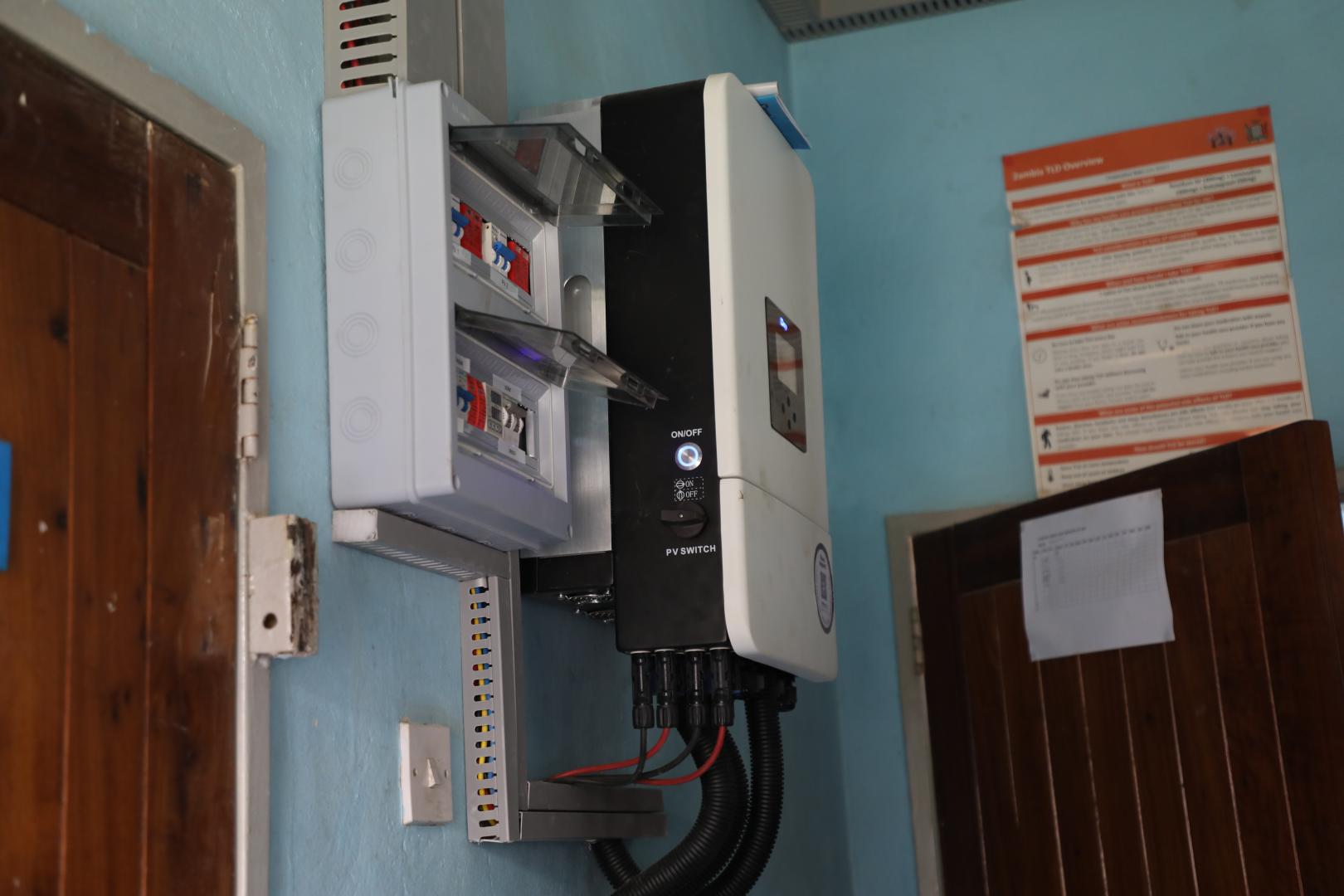
The facilities include Kasenga B Health Post and Chalimbana Rural Health Centre (Chongwe), Chikoswe Health Centre (Kafue), Nakoli Urban Health Centre (Kabwe), Changilo Health Post (Mkushi), Kawama and Luangwa Urban Health Centres (Kitwe), and Kaniki Rural Health Centre (Ndola). Installed systems range from 3kW to 10kW, providing sufficient power for lighting, refrigeration, and essential medical equipment.
The monitoring team confirmed that all facilities except one initially delayed due to wiring issues were fully electrified and operational by the end of November. Key achievements include: 100% completion of planned installations across the eight sites; Improved coordination between WHO, the Ministry of Health, and Prudential Zambia; timely corrective actions by contractors following feedback; and strong ownership demonstrated by provincial and district health teams
Lessons from the project highlight the importance of real-time monitoring, effective communication with district health offices, and routine maintenance to sustain system performance. The initiative also underscores the role of solar power in mitigating the impact of loadshedding, which has disrupted health services in many urban and peri-urban areas. As Zambia moves forward, plans are underway for a formal close-out event and continued maintenance support to ensure sustainability. By embracing clean energy solutions, the country is paving the way for a greener, more resilient health system that protects lives and promotes well-being.
Communications Officer
World Health Organization Country Office, Zambia
Email: kapemak [at] who.int (kapemak[at]who[dot]int)