United Republic of Tanzania News

Zanzibar commemorates World Hearing Day

On World Hearing Day 2019, WHO draws attention to the importance of early identification and intervention for hearing loss. Many people live with unidentified hearing loss, often failing to realize that they are missing out on certain sounds and words. Checking one’s hearing would be the first step towards addressing the issue. This year, the day was marked in Zanzibar under the theme "Check Your Hearing”.

Empowering community health providers to tackle lung diseases

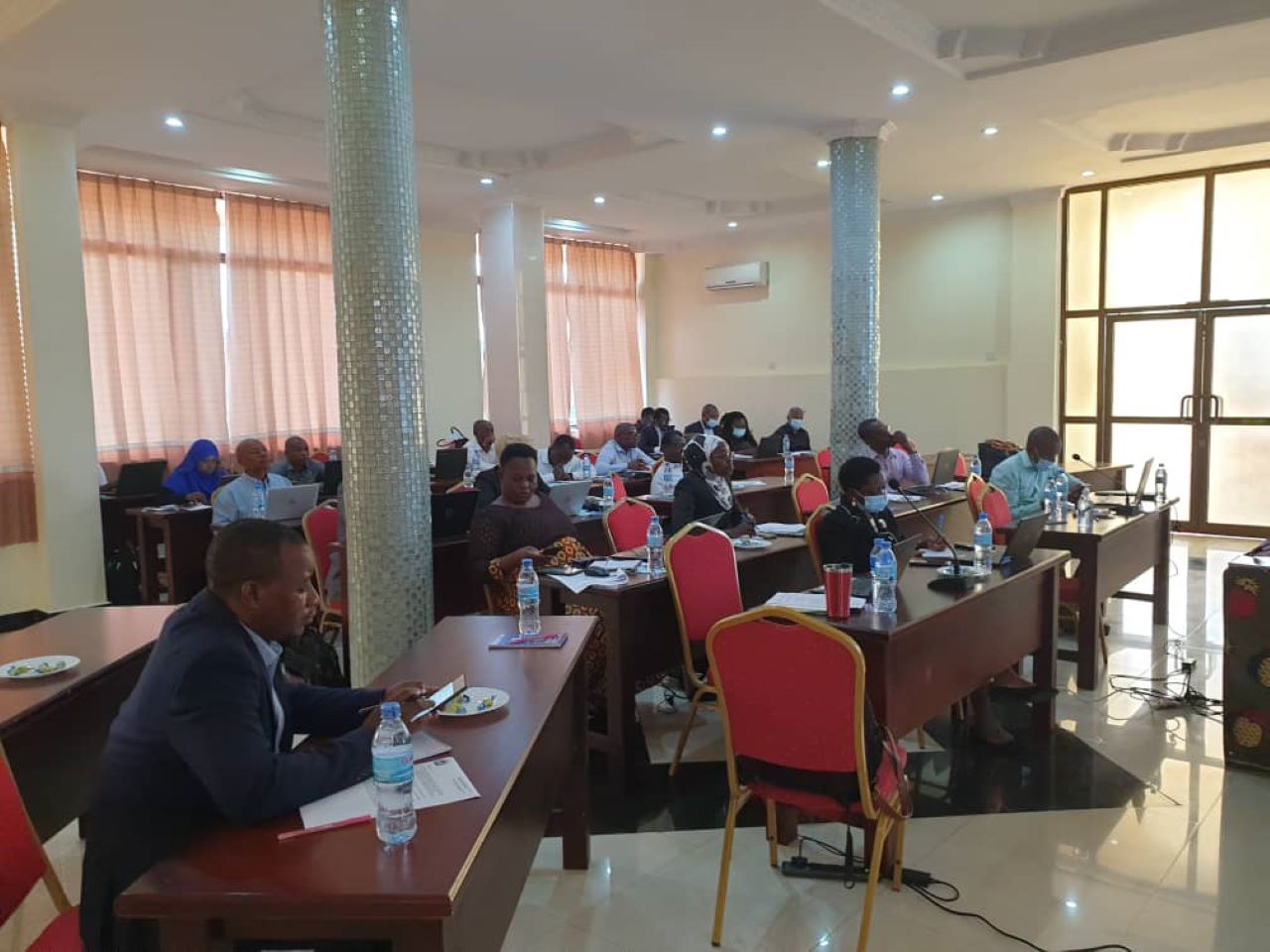
The Ministry of Health in Tanzania conducted orientation workshops on integrated screening, referral and follow up for Tuberculosis and other Chronic Lung Diseases to 20 Community Health providers in Tanga region. This initiative is supported by the World Health Organization and aims to embody the leverage of resources in addressing community needs in primary health care delivery. As most of the other Chronic Lung Diseases are not infectious in contrast to Tuberculosis, the implementation of the initiative is done jointly by the National TB and Leprosy Programme and Non-Communicable Diseases department of the Ministry of Health in the country.

Getting the frontline healthcare workers in Tanzania ready to tackle the Ebola Virus...

8 - 10 October 2018, Mwanza: In this three-days  intensive Case Management and Infection Prevention and Control (IPC) training, organised jointly by the Ministry of Health Community Development, Gender, Elderly and Children (MOHCDGEC) and the World Health Organization (WHO), 35 healthcare workers from the three highest risk regions, Kigoma, Kagera and Mwanza, were assembled at the Bugando Medical Centre in Mwanza.

PanPrep Project: Strengthening cross border emergency preparedness measures for the ...

WHO is working with the East African Community (EAC) Secretariat and the Deutsche Gesellschaft fur Internationale Zusammenarbeit (GIZ) under the “Support to Pandemic Preparedness in Region” (PanPrep) project to examine methods of testing preparedness assumptions through the use of cross-border simulation exercises.

WHO has been selected to plan, coordinate, implement and evaluate two simulation exercises, including one tabletop and one full-scale exercise. Both exercises are designed to test cross border preparedness measures in the EAC region.