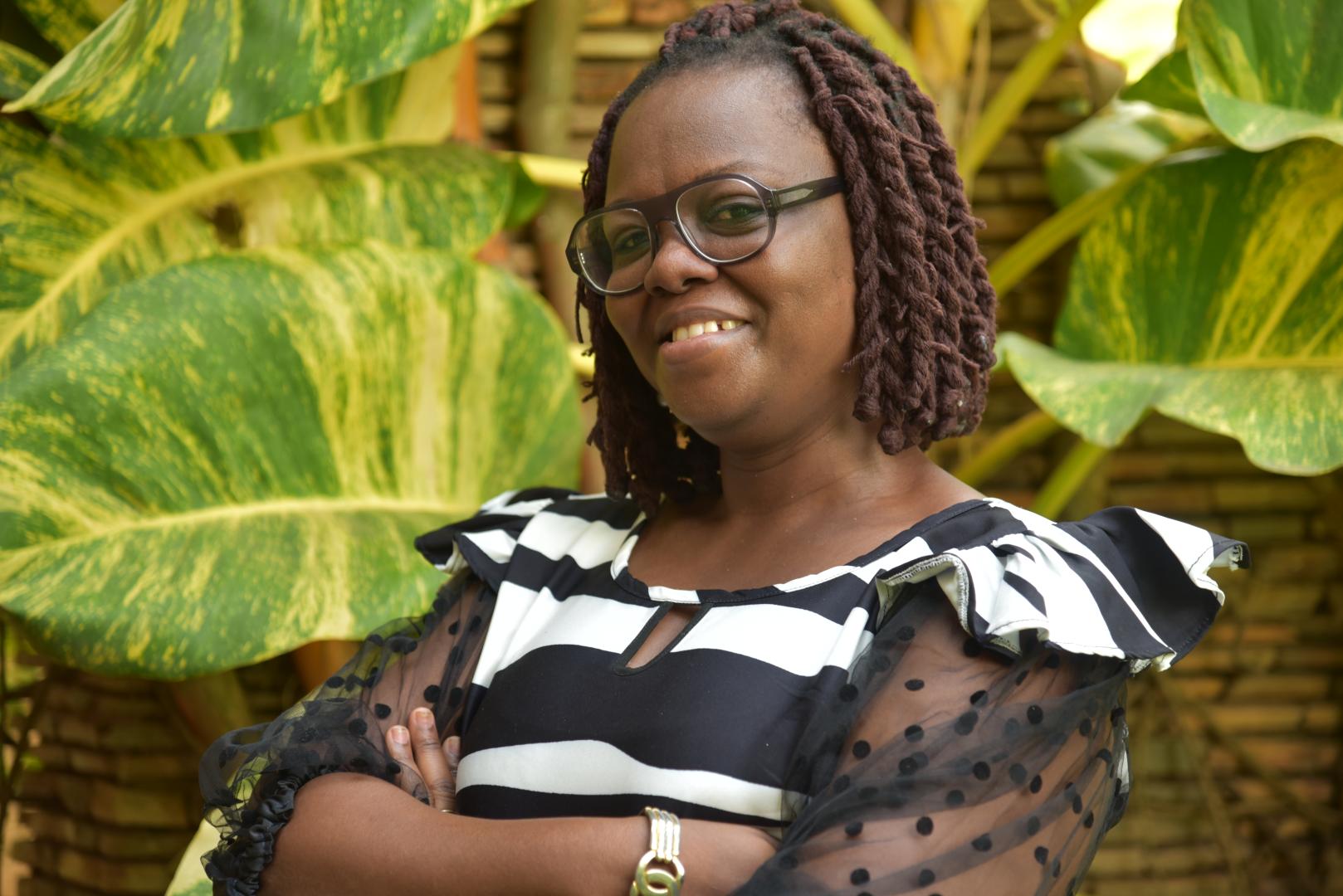
Trusting science to improve healthcare: An Interview with Professor Sika Dossim (Togo)
Lomé – Protecting health, preventing disease, and improving patient care rely heavily on science. Through research and medical advances, it enables a deeper understanding of health challenges and provides effective solutions. When clearly understood and put to work for the people, science helps concretely to save lives and improve daily well-being.
In Togo, Professor Sika Dossim embodies this commitment. A pharmacist, biologist, and associate professor of microbiology, she is a lecturer and researcher at the University of Kara. Through her work, she demonstrates how science can improve access to diagnosis for patients, strengthen disease management, and inspire young people, especially girls, to pursue careers in health and research.
Why is it so important, in your view, to trust science?
We often think of science as something confined to laboratories. However, it is present throughout our daily lives, even if we do not always realise it. For example, an acid base reaction occurs in the kitchen when preparing dishes with sour ingredients and adding others, such as baking soda, to adjust the taste. In reality, science surrounds us. Our world is shaped by science, and we cannot live without it.
The progress we see today, whether in medicine, technology, or society, is the result of scientific work. Without it, many of the things we use every day would not exist.
Trusting science means, above all, trusting a rigorous method. Researchers ask questions, test ideas, verify results, and correct them when necessary. This approach enables steady and reliable progress. It is through this rigour that science truly helps improve health and living conditions.
Which recent scientific advances give you the most hope for health in Togo and Africa?
What gives me the most hope is improved access to diagnosis. For example, thanks to rapid diagnostic tests, even health centres far from major cities can now detect diseases such as HIV or hepatitis B. This allows for earlier diagnosis and quicker access to care.
Another major advance is the development of tests that can detect certain diseases rapidly. In the case of tuberculosis, patients previously had to wait a long time for results. Today, a diagnosis can be made in less than an hour, allowing treatment to begin immediately. For patients, this makes a significant difference.
In simple terms, how would you explain the “One Health” approach?
The “One Health” approach is based on a simple idea: human health, animal health, and environmental health are interconnected. We all live in the same space and constantly interact with nature and animals. Therefore, we cannot protect human health without considering these links. Recent outbreaks have shown that many diseases originate from animals. Working together — doctors, scientists, environmental experts — has become essential to prevent diseases and respond more effectively.
How can science help us better prepare for future health crises?
Science helps us better understand diseases: how they emerge, how they spread, and how they can be prevented. It also supports the development of simple and effective tools to monitor public health and respond more quickly when challenges arise.
But to achieve this, it is essential to support research, train enough professionals, and share knowledge. The better science is understood by all, the more effectively it can help protect communities.
What message would you like to share with young people, especially young girls, who are hesitant to pursue careers in science or health?
I would tell them that science is not reserved for a select few. In reality, we all engage in science in our daily lives: observing, testing, thinking, and finding solutions.
To young girls in particular, I would say that their place in science and health professions is essential. Women are still underrepresented in these fields, yet their contribution is vital. They should believe in themselves, not be discouraged by stereotypes, and persevere. Science and health need all talents to meet tomorrow’s challenges.
Communications Officer
WHO Regional Office for Africa
Email: dialloka [at] who.int (dialloka[at]who[dot]int)
Communications Officer
Regional Office for Africa
Email: lawsonagbluluf [at] who.int (lawsonagbluluf[at]who[dot]int)