WHO supports Mauritius in strengthening its National Health Security
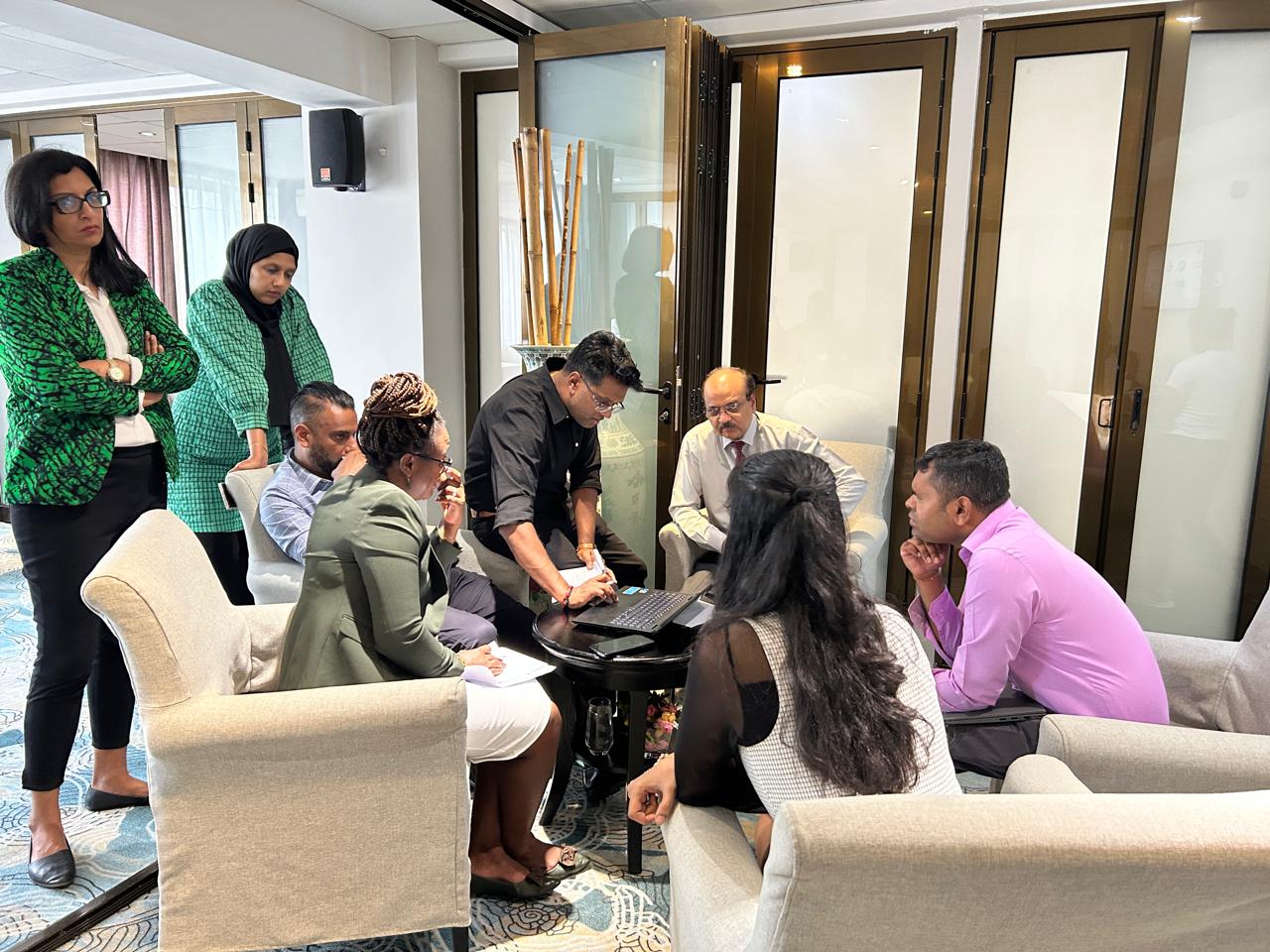
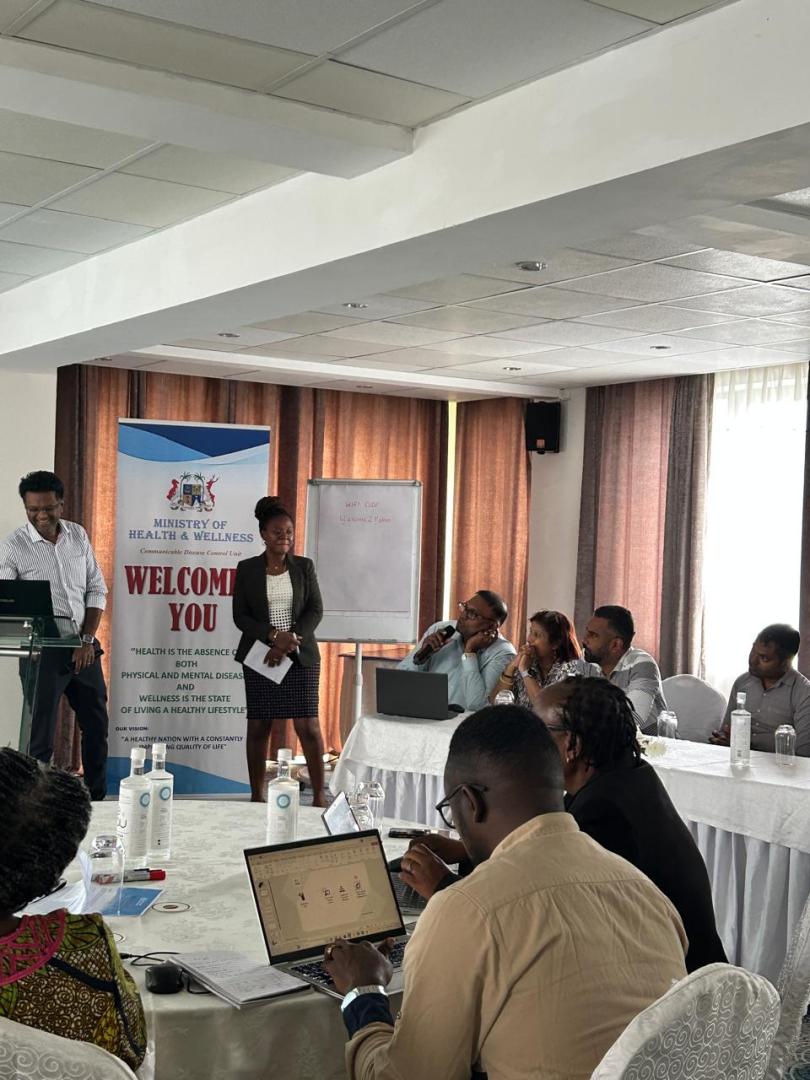
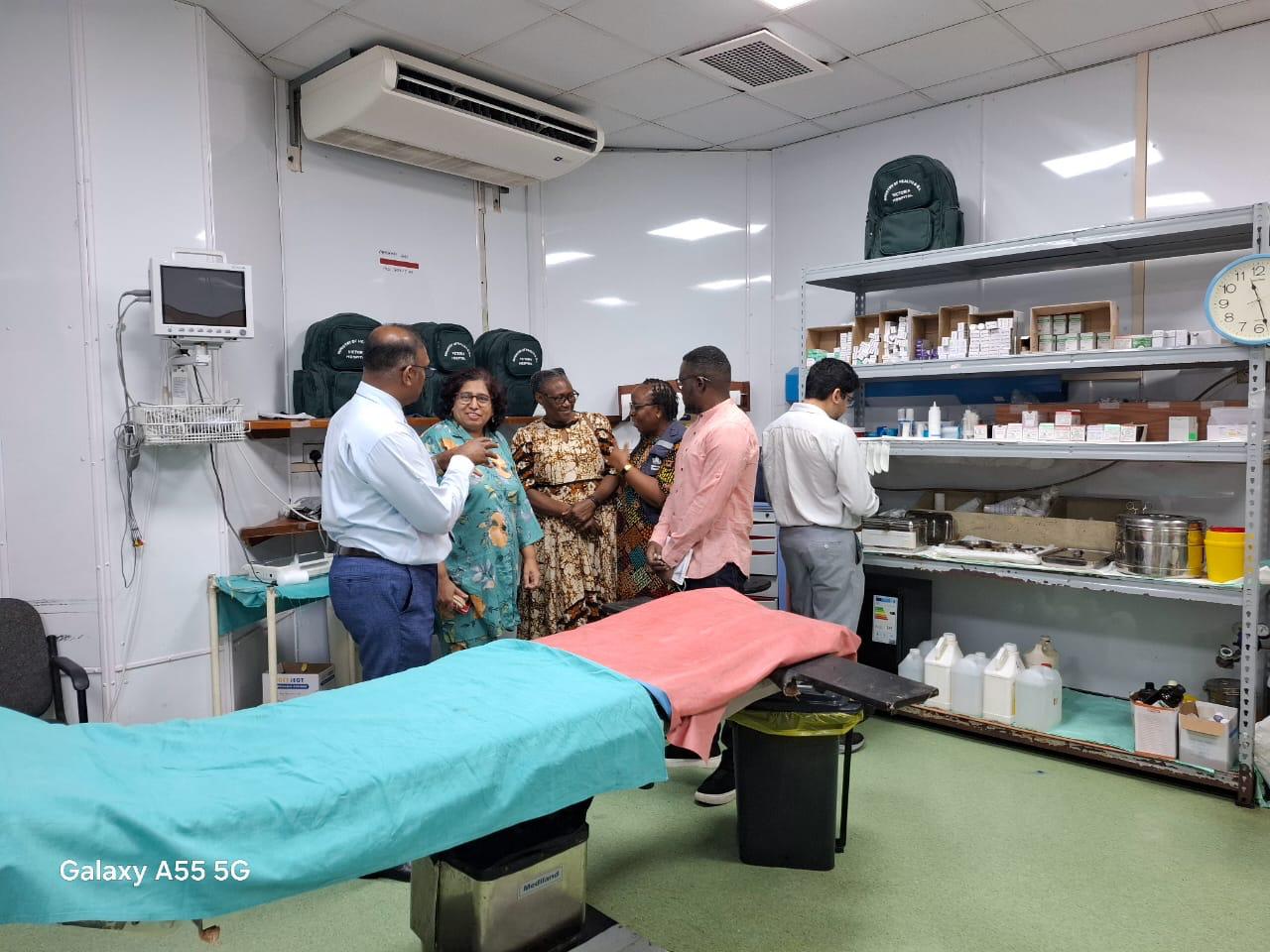
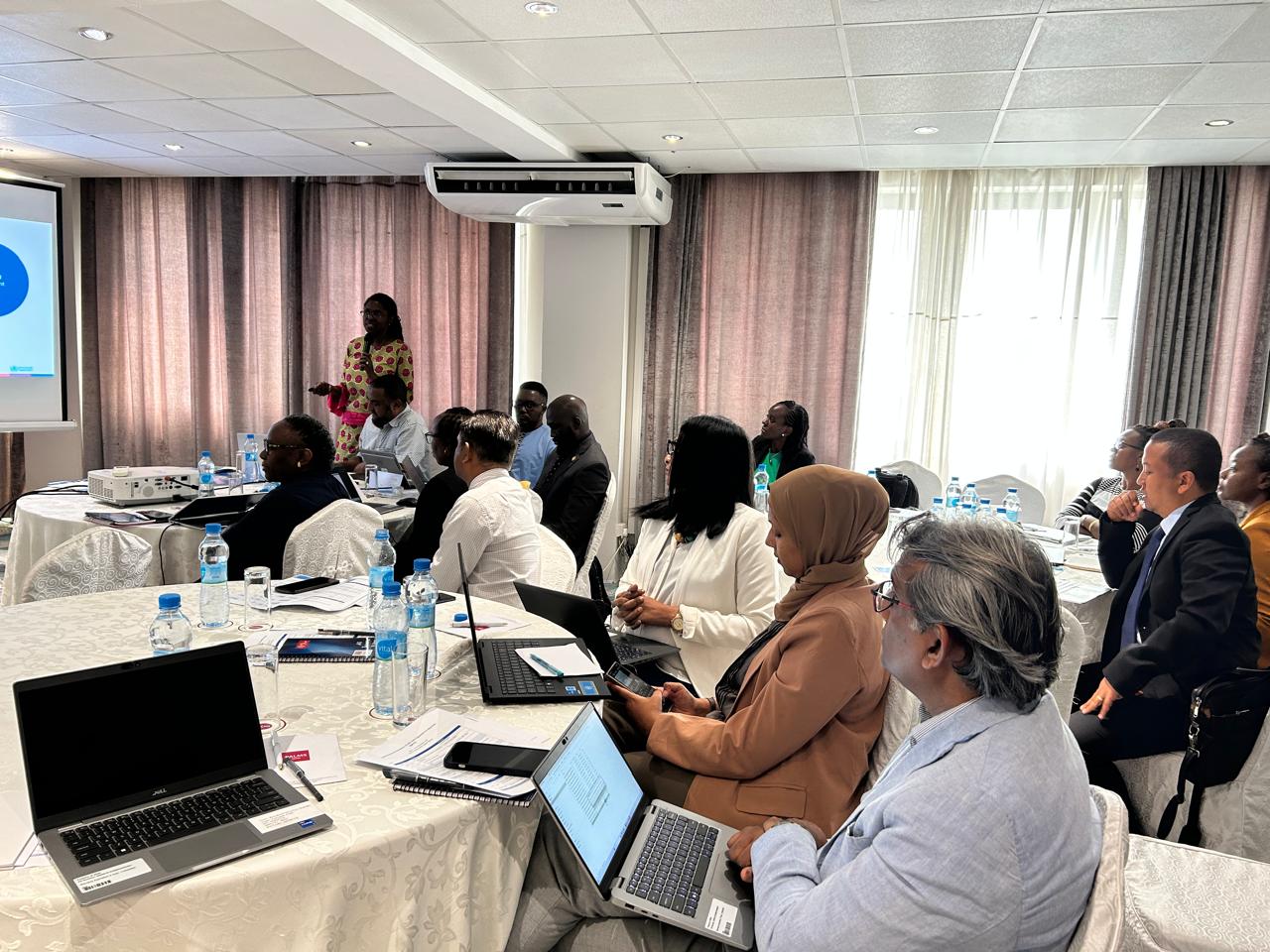
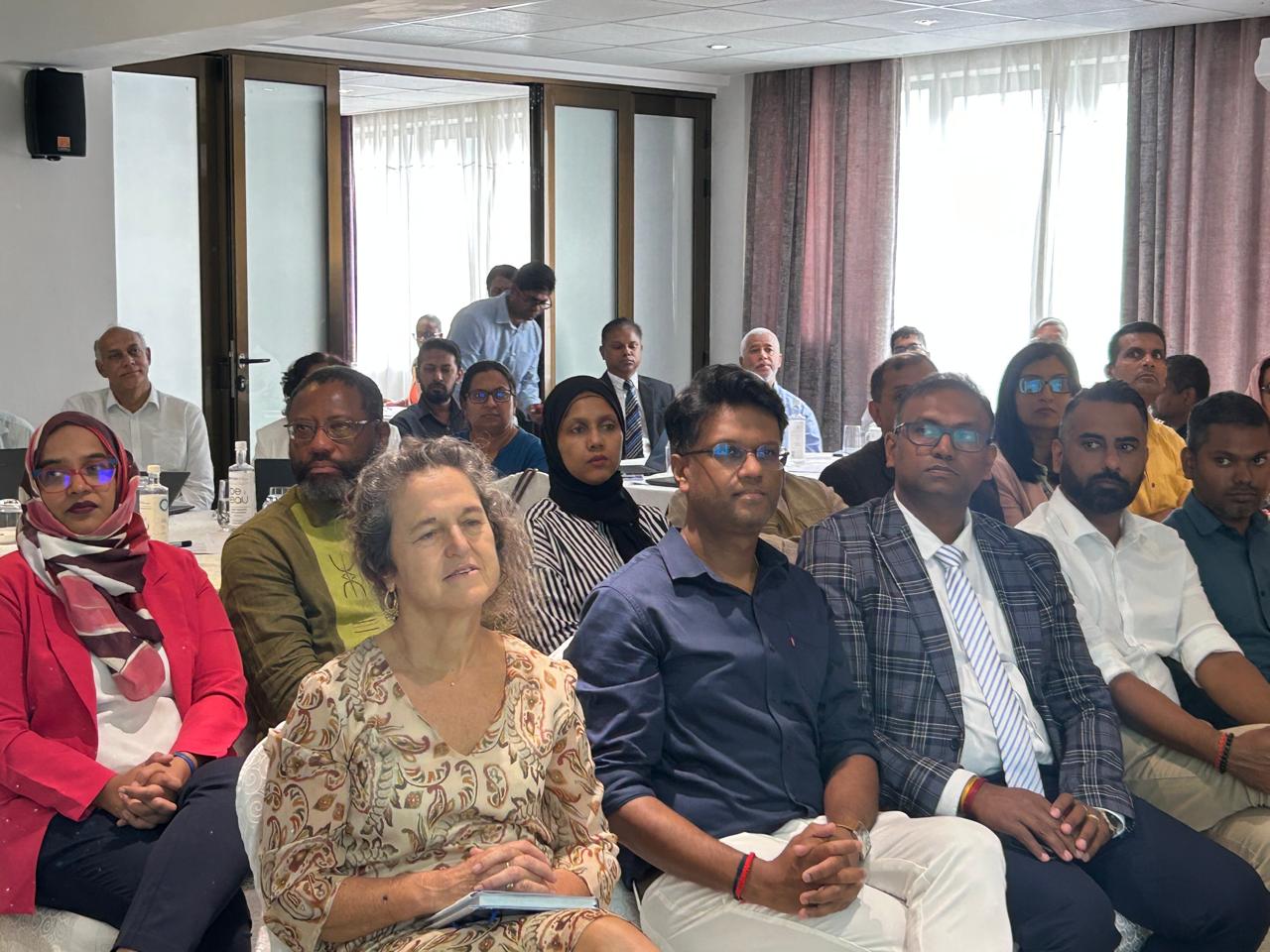
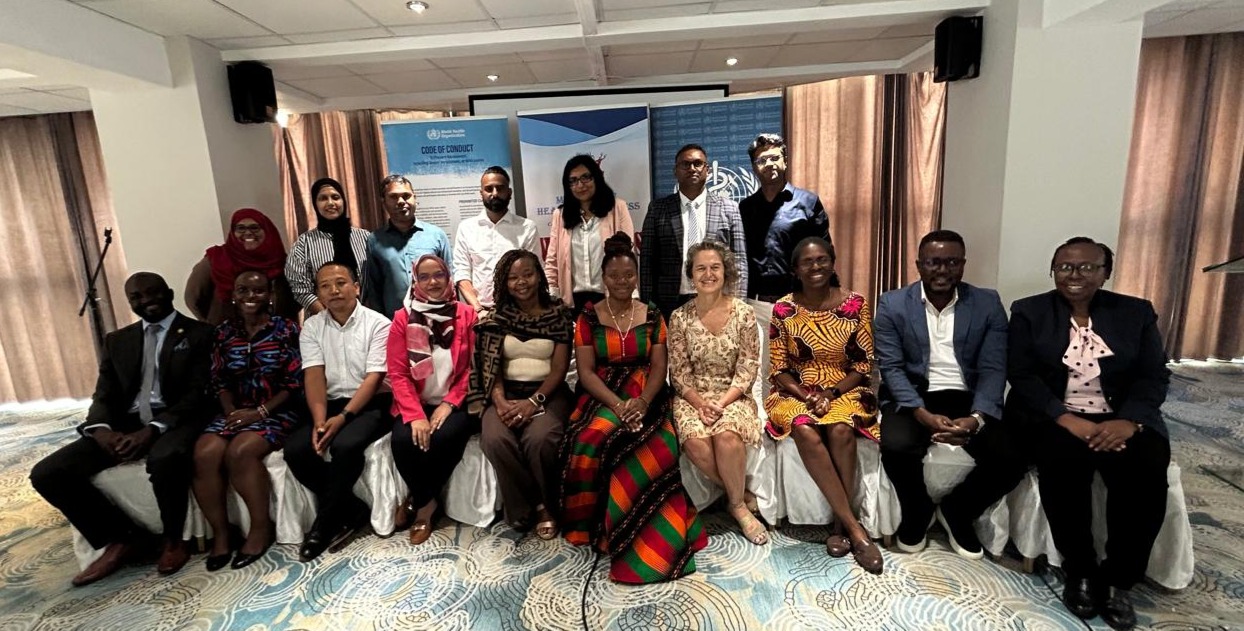
WHO supports Mauritius in carrying out its second Joint External Evaluation of the International Health Regulation (IHR) capacities in November 2025. By volunteering for its second JEE, Mauritius has shown its strong commitment, foresight, leadership, and confidence in the process with the aim of safeguarding the population’s health. A wide range of participants, including key programme leads and technical experts from various departments were mobilized to contribute to both the self-assessment and the external evaluation.
With its extensive, high-quality human, veterinary, and environmental services, Mauritius has consistently demonstrated its ability to respond rapidly and effectively to multiple public health threats in the past. WHO is supporting the country in ensuring this strength is sustained and further advanced by fully leveraging the IHR (2005) to reinforce core capacities for responding to both known and emerging public health threats in the future. Mauritius as a Small Island Developing State faces unique vulnerabilities such as geographic isolation, limited human and financial resources, high dependence on travel and trade, and heightened exposure to climate-sensitive health threats such as vector-borne diseases and extreme weather events. These factors can rapidly amplify public health emergencies and disrupt essential services, as well as social and economic development, if the country has inadequate preparedness and readiness.
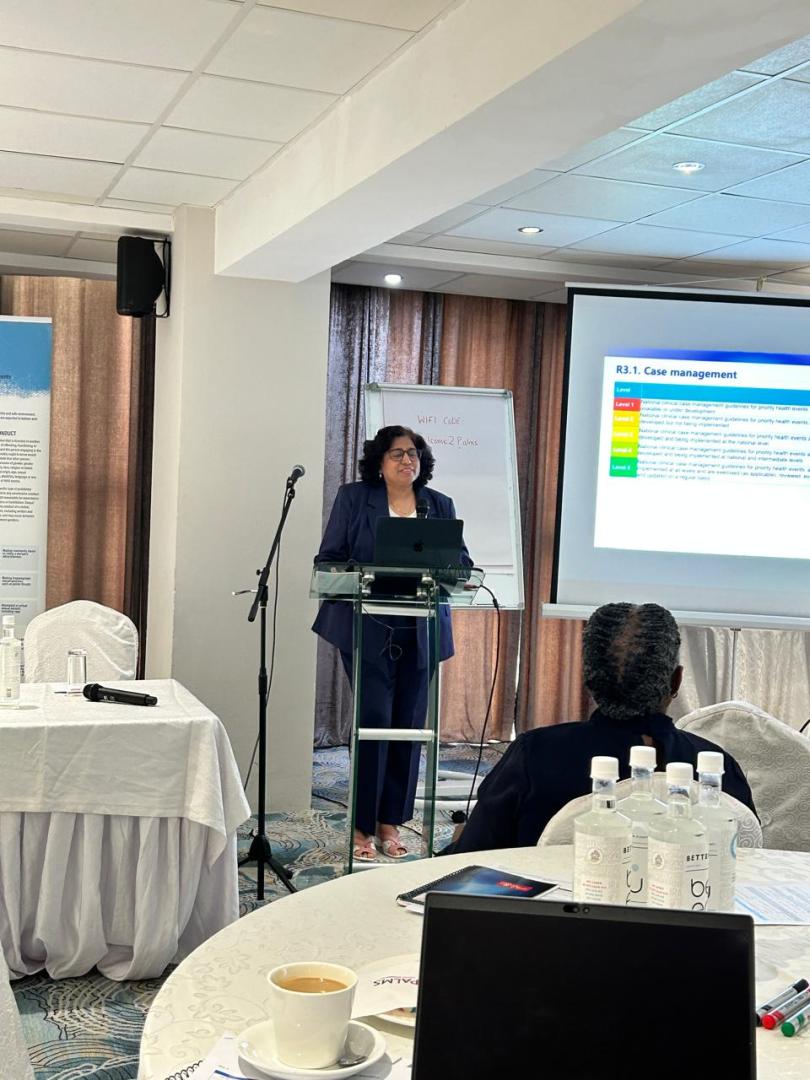
The JEE brings together a multidisciplinary team of international experts from WHO, the Africa Centres for Disease Control and Prevention, the International Federation of Red Cross and Red Crescent Societies, and the Indian Ocean Commission, with the objective of assessing Mauritius’s core public health capacities under the IHR (2005). It also aims to strengthen the country’s preparedness and response to public health emergencies across 19 technical areas and 56 indicators under the four domains: Prevent, Detect, Respond, and IHR-related hazards and Points of Entry.
The WHO-led team of JEE experts noted that the country has made remarkable progress since its first evaluation in 2018, including the on-going establishment of a Public Health Emergency Operations Centre; advancements in Indicator-Based and Event-Based Surveillance; implementation of the Integrated Disease Surveillance and Response framework; and the introduction of e-health initiatives. The efforts of all members of the technical working groups in producing a comprehensive and transparent self-assessment are highly commendable. The JEE findings will inform the development of the new five-year National Action Plan for Health Security (2026–2030) as soon as early 2026.
Through this second JEE, WHO and the Ministry of Health and Wellness reaffirm their determination to protect Mauritius population, contribute to national, regional and global health security, and ensure that its health system remains resilient, responsive, and equitable.
“This JEE will provide the evidence for the development, early 2026, of the second National Action Plan for Health Security, planning and determining priority areas for strengthening and further monitoring the preparedness and response capacities of the country, enabling its medium to longer term resilience to public health emergencies”, said Dr Anne Ancia, WHO Representative in Mauritius.
“Health security does not depend on the health sector alone, it rather demands a whole of government approach for coordinated actions to protect our people”, said Hon. Anil Kumar Bachoo, Minister of Health and Wellness at the opening of the Joint External Evaluation workshop on 10 November 2025.
NPO (NCDs/HP)
Email: vythelingamv [at] who.int (vythelingamv[at]who[dot]int)