WHO supports NPHIL to decentralize mpox testing for a more timely and effective response.
Following the declaration of mpox as a Public Health Emergency of International Concern in August 2024, Liberia, with support from World Health Organization (WHO) continues to intensify its outbreak response under the national incident management system. In 2025, Liberia has reported 2577 suspected cases of mpox, 1398 confirmed cases, and 6 deaths.
Laboratory capacity for mpox diagnosis via PCR and next-generation sequencing has improved substantially; however, the country relies heavily on the National Public Health Reference Laboratory (NPHRL) for most public health diagnostic needs. This poses challenges during outbreaks due to high sample volumes and potential delays in diagnosis, results and treatment.
“Sometimes, mpox test results took 24 to 48 hours to reach health facilities from the National Public Health Reference Laboratory,” says Estella K. Jabbeh, lab technician at JJ Dossen Hospital, in Maryland County.
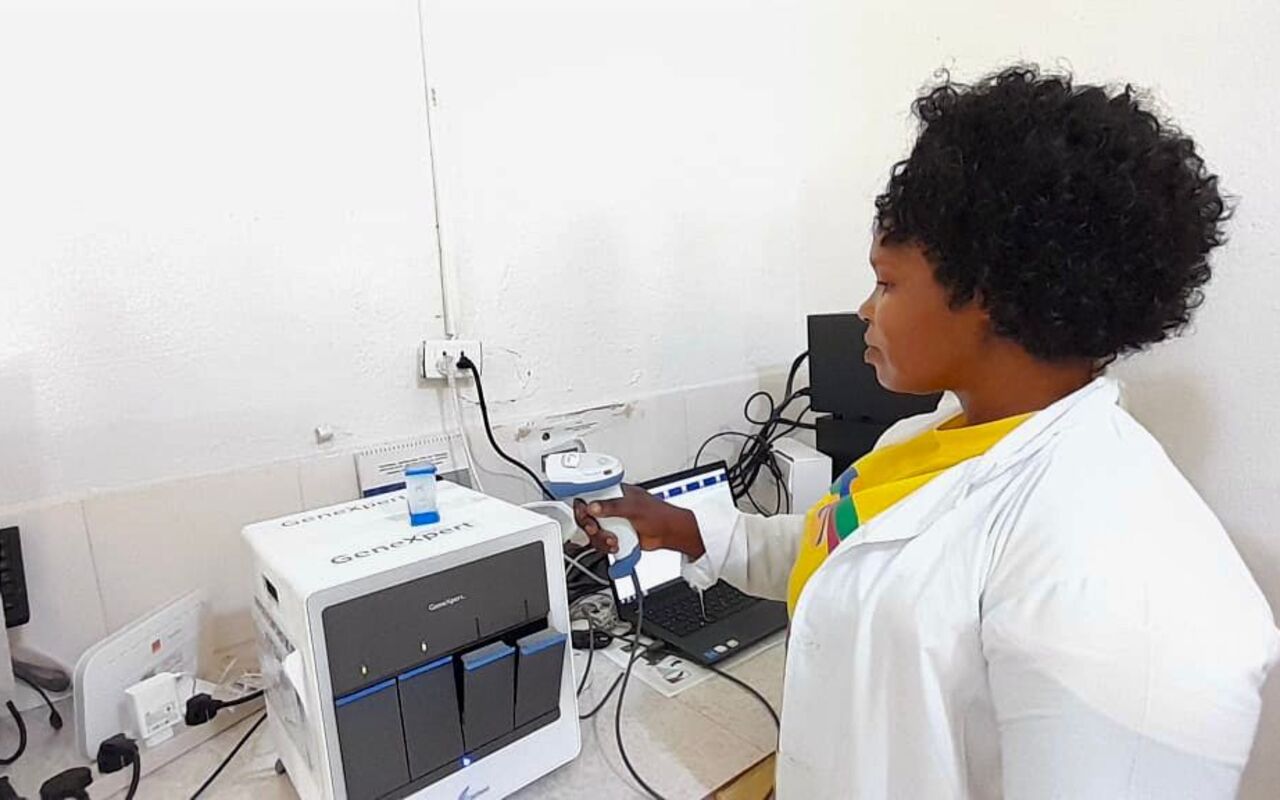
To address this, the National Public Health Institute (NPHIL) and Ministry of Health approved Xpert mpox test rollout at three decentralized health facilities: J.J. Dossen Hospital in Maryland, Tellewonyon Hospital in Lofa, and Sinje Health Canter in Grand Cape Mount to facilitate quicker diagnosis. The Xpert mpox is a real-time PCR test designed for use on compatible GeneXpert systems, which is easy to operate outside of centralized laboratories and delivers results in under 40 minutes.
“Decentralizing testing at the point of care facilities: hospital and health centers significantly reduces potential delays in diagnosis, results and treatment,” says Mr. Fahn Taweh, NPHRL Director.
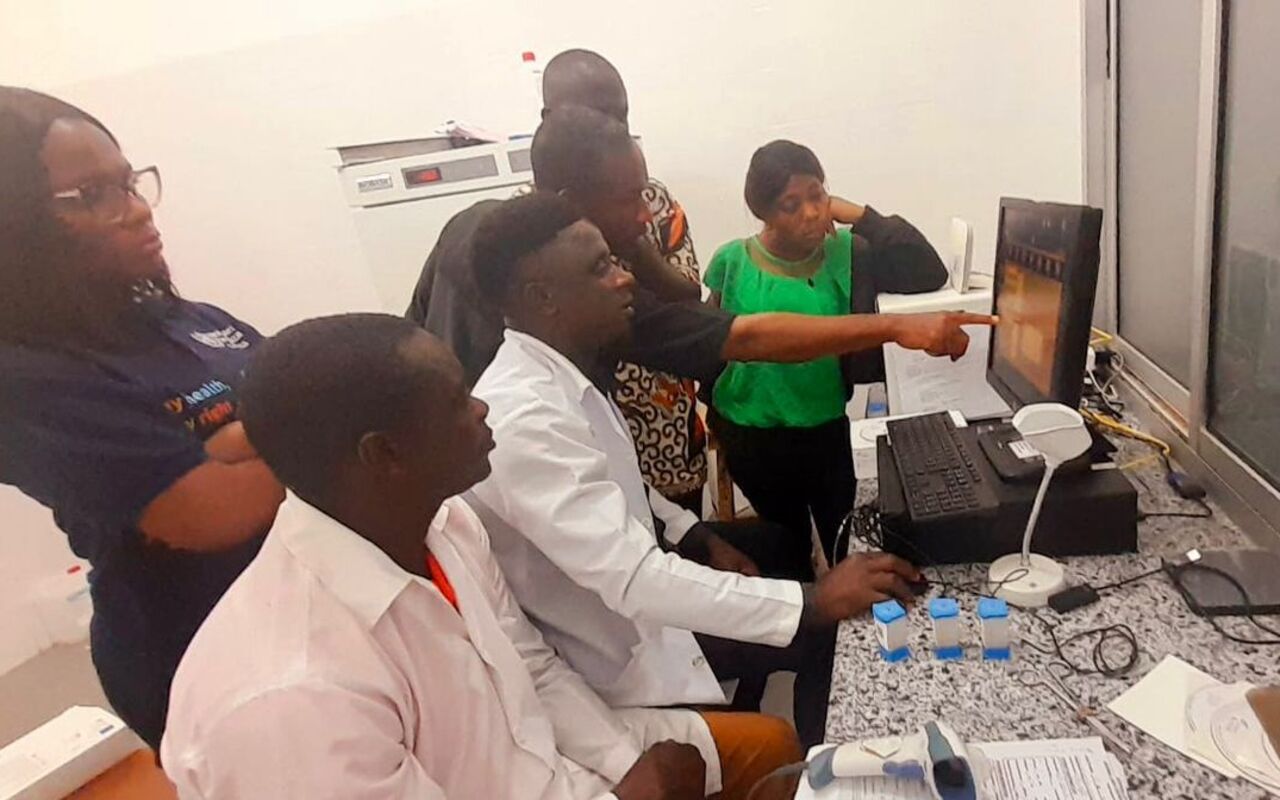
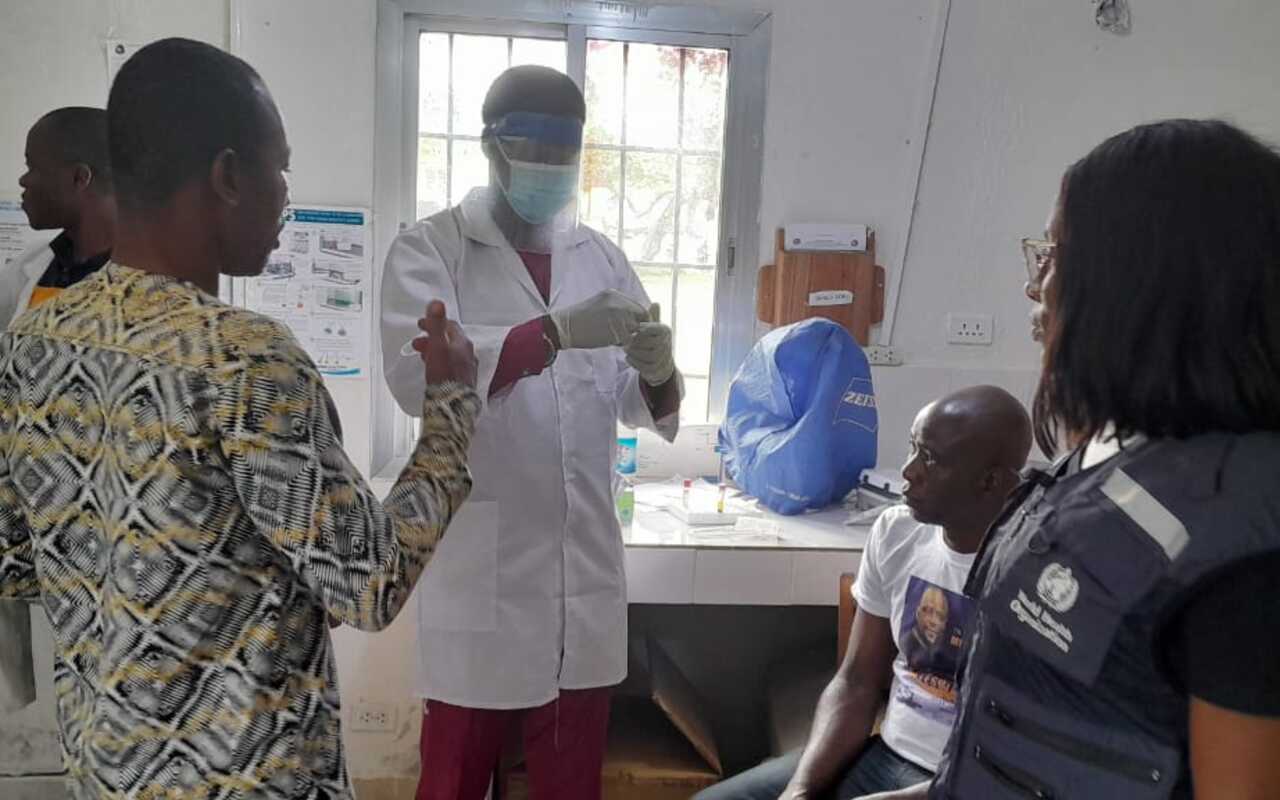
In alignment with the government's commitment, WHO provided initial Xpert mpox test materials sufficient for testing approximately 1,000 samples across the three sites. Furthermore, WHO facilitated the download and installation of the Xpert mpox diagnostic software on all three GeneXpert machines and supported the training of 15 laboratory personnel (GeneXpert end-users) on the necessary operational procedures and result reporting for the test.
“The rapid turnaround time of Xpert mpox and suitability for decentralized testing make it an optimal diagnostic tool in resource-limited settings.” says Mrs Rhoda Elizabeth King, National Laboratory Technical Officer at WHO Liberia.
In addition, WHO ensured the distribution of standardized operating procedures (SOPs) for Xpert mpox testing to all three health facilities, cementing a comprehensive approach to implementation.
“Now, thanks to the decentralized sites, it takes only 1 to 2hours to get results in real time.” says Estella.