From distance to access: Liberia launches four advanced NCD clinics to drive the WHO PEN-Plus scale-up
Liberia faces a rising burden of non-communicable diseases (NCD), yet access to care for severe chronic conditions remains critically limited, especially in rural areas. In 2022, only 48% of health facilities offered NCD services. Existing policies and guidelines do not adequately address these gaps, leaving vulnerable populations without essential, lifesaving care. According to the validated NCD Policy, the burden of NCD in Liberia has significantly risen over the past decade, making up 38% of the disease burden, 60% of hospitalizations, and 43% of deaths in 2016. Between 2019 and 2023, 49,839 cases and 5,050 deaths from NCDIs were reported by the Health Information Management System. Cardiovascular diseases (CVDs) were the leading cause, with a death rate of 216 per 100,000.
“Chronic diseases are very expensive to treat and have caused many deaths and sorrow in our communities,” says Lorleyah Norris, Bong County SuperIntendent.
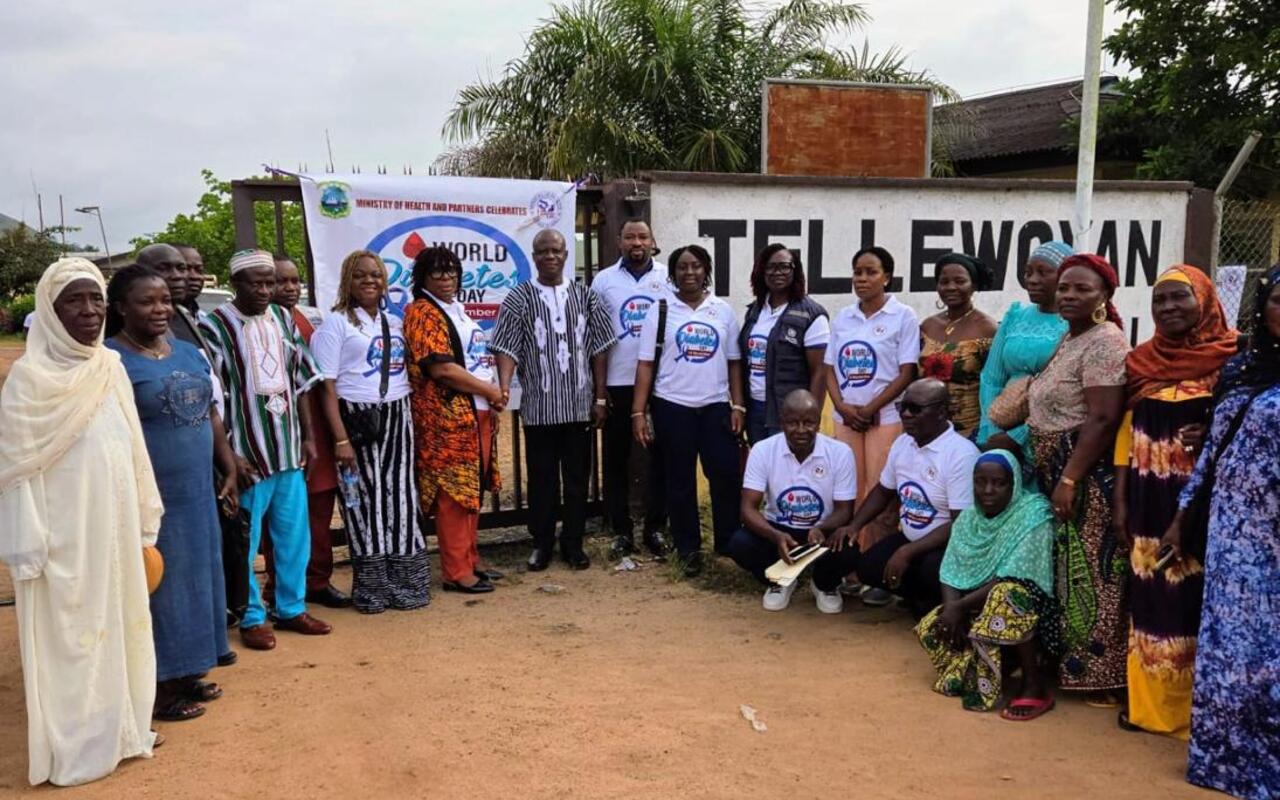
With support from the World Health Organization (WHO), Liberia launched four PEN-Plus clinics in Bong and Lofa counties to strengthen the county-level capacity to manage severe NCDs. PEN-Plus is an integrated care delivery strategy focused on alleviating the NCD burden by increasing the accessibility and quality of chronic care services for severe NCDs in the rural areas of low-and-lower-middle-income countries. This intervention enhances the capacity of health facilities to provide comprehensive, high-quality services for both children and adults living with chronic and severe NCDs, such as type 1 diabetes, sickle cell disease, rheumatic heart disease, and other complex conditions. The new clinic model increases access to comprehensive prevention, early detection, and continuous management services for thousands of patients who previously faced barriers in accessing specialized care. By decentralizing services from national hospitals to the county level, patients can receive timely, coordinated treatment without traveling long distances.
“With the launch of the NCD Clinics, we are bringing advanced, lifesaving care closer to our communities. This is a critical step toward reducing preventable complications and deaths from severe NCDs across these counties,” says Dr Caullau Jabbeh Howe, Assistant Minister for Preventive Services.
To support the government efforts, WHO procured and delivered essential medicines, diagnostic supplies, and critical equipment to the Ministry of Health, ensuring uninterrupted services for patients with chronic and life-threatening NCDs. WHO also supported the Ministry of Health to adapt national guidelines, clinical protocols, and monitoring tools to standardize PEN-Plus implementation across the four participating hospitals in Bong and Lofa Counties. This comprehensive support improved service readiness, enhanced provider skills, and expanded access to quality NCD care for underserved populations, contributing to early detection, better disease control, and reduced complications.
“This is just the beginning of our commitment to stronger health systems to healthier communities, and to a Liberia where every person has access to the care they need, when they need it,” Mr Barkon Dwah, NCD Program Officer at WHO Liberia.

Mental Health and Substance Abuse Lead
Tel : + (231) 777823721
Email : dwahb [at] who.int (dwahb[at]who[dot]int)
WHO Liberia
Email: inamahorobmutizwan [at] who.int (@who.int)