WHO supports strengthening pharmacovigilance in Cabo Verde
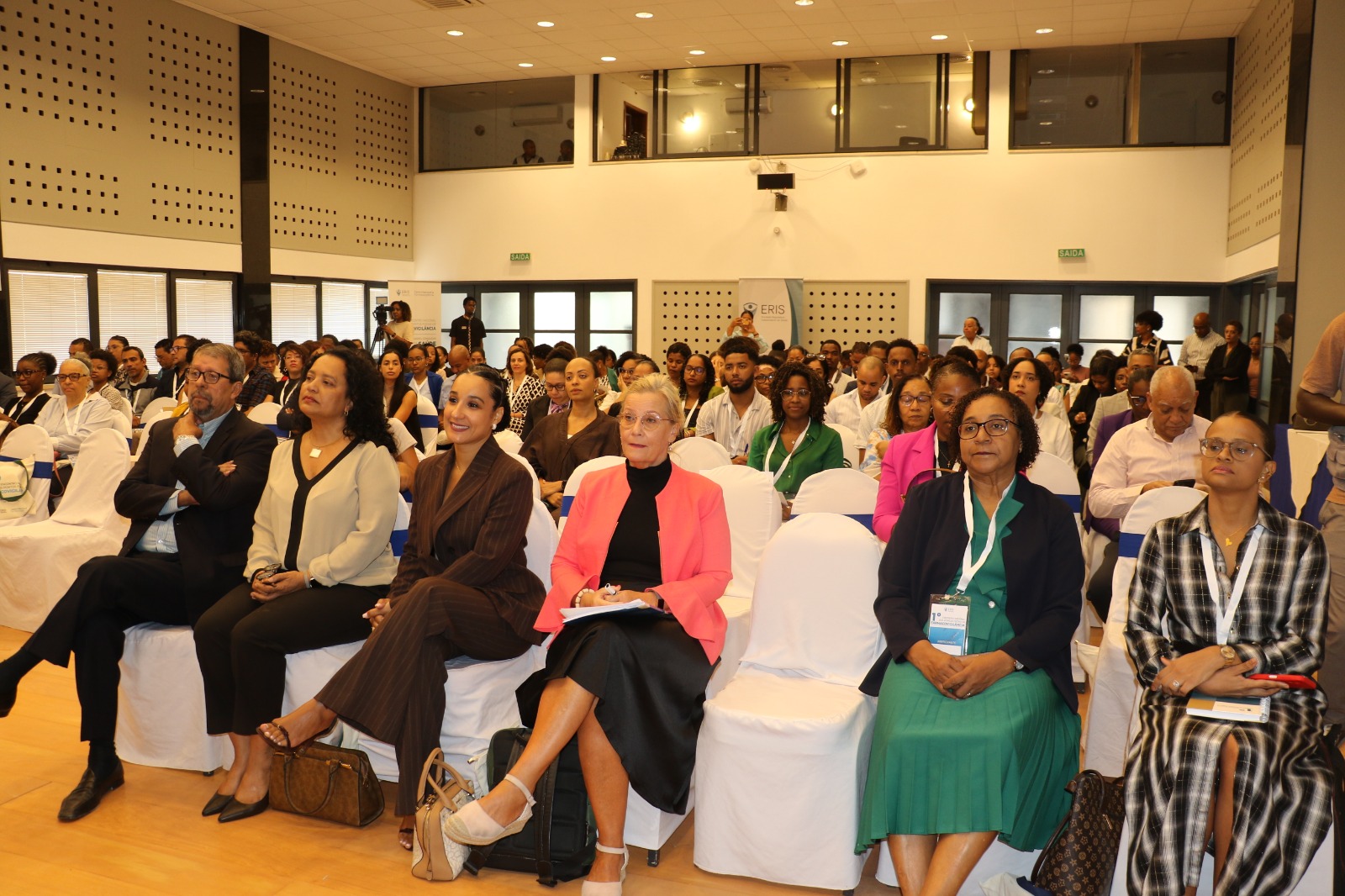
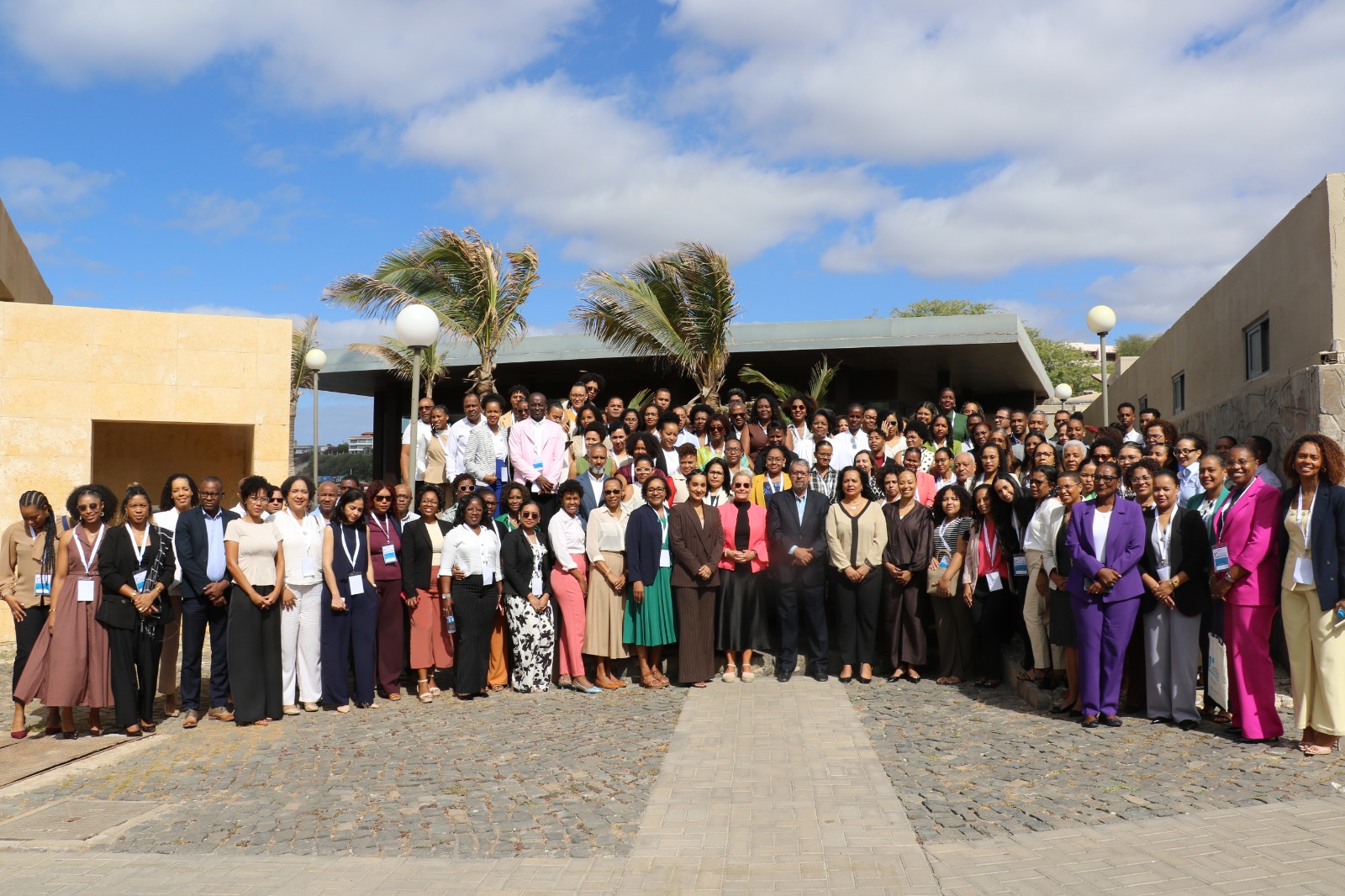
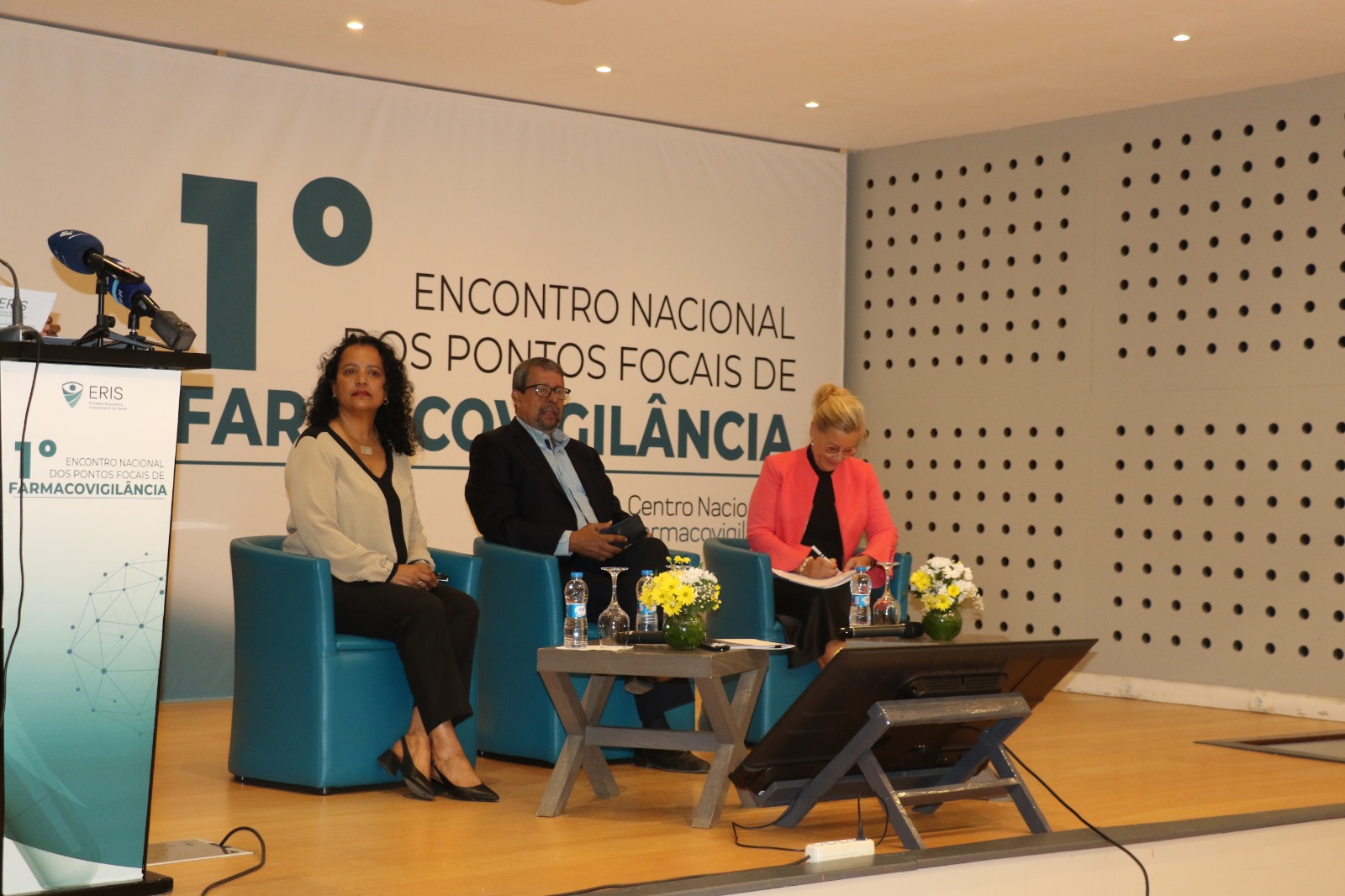
Praia, Cabo Verde — The World Health Organization (WHO) actively participated in the First National Meeting of Pharmacovigilance Focal Points, held on 25–26 March 2026, playing a central role in strengthening national capacities and promoting best practices for medicine safety.
Organized by the Health Regulatory Authority (ERIS), the meeting marked an important milestone in consolidating the National Pharmacovigilance System, bringing together health professionals, regulators and partners with the aim of strengthening capacities, improving the quality of reporting and enhancing institutional coordination around patient safety.
WHO contributed to the opening session, reaffirming its commitment to supporting Cabo Verde in the development of robust regulatory systems aligned with international standards, and played a key role in one of the central moments of the meeting. The WHO-led conference on “WHO’s Contribution to Strengthening Pharmacovigilance” highlighted the Organization’s pioneering role in building global systems for monitoring medicine safety and providing technical support to countries. During the presentation, it was emphasized that effective pharmacovigilance is essential to public health, enabling the early detection of risks, rapid response to adverse events and protection of populations, particularly in real-world settings where medicines are widely used. WHO also underscored its historic role in establishing the WHO Programme for International Drug Monitoring, which currently includes more than 160 countries and enables the analysis of millions of safety reports, making it possible to identify patterns and rare adverse effects at a global level.
In the African context, WHO has played a catalytic role in supporting the development of evidence-based pharmacovigilance systems, promoting regulatory harmonization and fostering cooperation among countries. Cabo Verde’s progress in this area was also highlighted, including the establishment of its National Pharmacovigilance System, its participation in the WHO global programme since 2012, and the continuous strengthening of institutional and technical capacities.
The organization of this meeting reflects the country’s commitment to consolidating a functional network of pharmacovigilance focal points, a key element for the identification, reporting and analysis of adverse drug reactions, directly contributing to improved quality of care and patient safety.
The conference also presented innovative tools and approaches promoted by WHO, including smart safety surveillance strategies, digital reporting systems and mechanisms for international collaboration, which support more efficient use of resources and strengthen the responsiveness of national systems.
This meeting represents a significant step forward in Cabo Verde’s efforts to strengthen its regulatory system and promote a culture of the safe and rational use of medicines, in line with international best practices.
WHO reaffirms its commitment to continue supporting the country in strengthening pharmacovigilance systems that are robust, integrated and focused on protecting public health.